 \n
Vegetables: Not Just Simple Side Dishes, But the Beginning of a Health Revolution
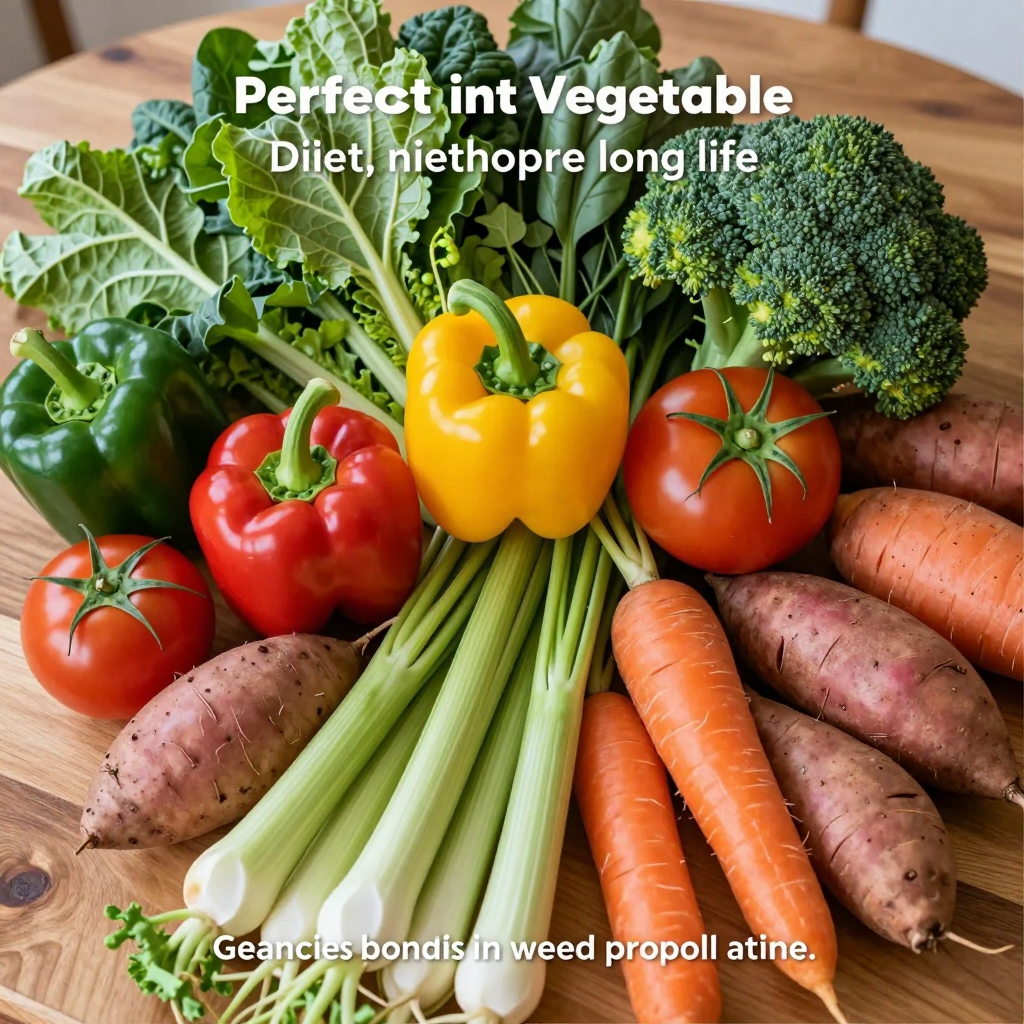
Are vegetables really just simple side dishes? Did you know they are a key strategy that determines modern health, dieting, and longevity? What we’ve long dismissed as mere "accompaniments" on our plates are actually high-nutrient density foods that deliver vitamins, minerals, dietary fiber, and phytochemicals all at once with very few calories. In short, they are the most practical starting point to transform your body.
The true power of vegetables lies in the fact that you can eat a lot of them without feeling burdened. Most vegetables are high in water and fiber, meaning they are low in calories, large in volume, and keep you full for a long time. If the hardest part of dieting is "enduring hunger," vegetables directly solve that problem. Increasing the proportion of vegetables in any meal naturally lowers the overall energy density and reduces the chance of overeating.
Another often overlooked point is that the very act of chewing vegetables changes your eating habits. Vegetables generally require longer chewing, which slows down your eating pace and allows fullness signals to rise more effectively. In other words, vegetables don’t just add nutrition; they also steer your eating rhythm toward a healthier pattern.
The conclusion is simple. Vegetables are not just "nice-to-have side dishes"; they are the central ingredient that transforms every meal into a healthy one. Starting from today, imagine a plate centered on vegetables, rather than vegetables merely "on the side of the rice." The health revolution begins quietly but surely.
The Hidden Power of Vegetables: Nutrient Density and Health Benefits (Vegetables)
Low in calories yet packed with vitamins, minerals, dietary fiber, and phytochemicals all at once! How can vegetables be such a powerhouse of nutrition? The key lies in “nutrient density.” Vegetables contain few calories but are densely packed with trace nutrients and functional compounds your body needs daily, maximizing the efficiency of your diet.
Why Are Vegetables Considered ‘High Nutrient Density’ Foods?
- High nutrients relative to low calories
Most vegetables have a high water and fiber content, resulting in low energy (calories) but rich in vitamins, minerals, and antioxidants. In other words, consuming the same calories from vegetables gives you much more “nutritional value.” - Dietary fiber creates fullness and helps regulate eating
Vegetables are bulky and take longer to chew, promoting a feeling of fullness. This naturally reduces overeating and helps lower the total calorie intake of your meals. - Phytochemicals as an ‘extra bonus’
The color, aroma, bitterness, and spiciness of vegetables are more than just flavor—they often signal the presence of phytochemicals involved in antioxidant and anti-inflammatory actions. This is why you often hear the advice to “eat a rainbow” of vegetables.
Why Do Vegetables Offer Wide-Ranging Health Benefits?
- Weight control (diet) aspect
Vegetables lower energy density and increase satiety, making it easier to reduce total calorie intake while eating the same volume of food. Adding vegetables to high-calorie meals can even shift the entire meal toward a healthier pattern. - Gut health and blood sugar management aspect
Dietary fiber positively influences the gut microbiome and slows sugar absorption, helping to reduce post-meal blood sugar spikes. - Cardiovascular health aspect
Vegetables provide minerals like potassium that help balance sodium intake in the diet, and increasing vegetable consumption often reduces processed food intake through a ‘substitution effect.’
Key Tips to Preserve Vegetable Nutrition When Eating
- Water-soluble vitamins (C, B vitamins, folate) are sensitive to heat and water
Prolonged boiling can cause these to leach into the cooking water and be lost. - Short cooking time + minimal water is best
Methods like steaming, microwaving, or quick stir-frying help preserve nutrients effectively. - Combine raw and cooked vegetables
Eating some vegetables raw and some cooked achieves a balance of taste and nutrition because some are better digested and absorbed when cooked.
Choosing and Cooking Vegetables: The Details That Make or Break Your Health
The reason why eating the same vegetables can yield different results is surprisingly simple. It all depends on which vegetables you choose and how you cook them, as these factors influence vitamin loss, satiety, and blood sugar response. Are your vegetable servings just filling the “quantity” box while missing out on “nutrition”?
Selecting Vegetable Types: How ‘Starchy’ vs. ‘Non-Starchy’ Makes a Health Difference
Although vegetables are often lumped together, the key to meal planning is to first split them into two categories.
- Non-starchy vegetables (mostly leaves, fruits, and stems): Low in calories and rich in dietary fiber and micronutrients, these are the main players for weight loss and blood sugar control.
Examples: lettuce, spinach, broccoli, cucumber, tomato, mushrooms - Starchy vegetables (root and grain-like vegetables): High in carbohydrates and serve as a significant energy source, making it practical to think of them more as the carb portion than just vegetables.
Examples: potatoes, sweet potatoes, corn, peas
If weight management is your goal: Load your plate primarily with non-starchy vegetables, and count starchy vegetables like potatoes as part of your “carb section” alongside rice or bread. This mindset drastically cuts down the chances of dietary mistakes.
Vegetable Cooking Methods: Vitamins Are Vulnerable to ‘Water’ and ‘Time’
The central rule to eating healthy vegetables is this: water-soluble vitamins (vitamin C, B vitamins, folate) are sensitive to water and heat. The longer you cook them in water, the more vitamins leach out and are lost.
- Cooking methods likely to cause heavy losses: boiling for long periods, simmering
- More protective methods: steaming, microwaving, quick stir-frying
Microwaving is especially effective since it heats with minimal water and in a short time, making it a perfect option for busy weekdays—preserving nutrition without sacrificing convenience.
Raw vs. Cooked Vegetables: Avoid Being Stubborn About Just One
- When raw vegetables shine: preserving heat-sensitive nutrients (e.g., vitamin C)
- When cooked vegetables excel: easier digestion and improved bioavailability of certain nutrients (e.g., beta-carotene)
The takeaway is simple: a balanced diet combining both raw and cooked vegetables offers the most stable nutrition. Relying solely on raw salads or exclusively cooked vegetables often leads to nutritional drawbacks.
Practical Vegetable-Intake Checklist to Get It Right
- Did you keep cooking times short and use minimal water—even for the same vegetable?
- Did you avoid mistaking starchy vegetables as just “side veggies,” preventing excessive carb intake?
- Did you build each meal starting with at least one type of non-starchy vegetable as the base?
- Did you steer clear of leaning exclusively towards either raw or cooked vegetables?
Eating vegetables isn’t just about “having eaten.” The moment you plan your choices and cooking methods well, even the same meal transforms into a completely different health booster.
Vegetables in Korean Food Culture: Learning from Traditional Wisdom—Hints for Balance from a Vegetable-Centered Table
The traditional Korean table already serves as a model of a well-balanced vegetable diet. There's no need to hunt down special superfoods because the very “structure of the table” is designed to naturally elevate vegetable intake. When we look for the secret to health in the food culture we're accustomed to, the answer turns out to be surprisingly simple.
The Table Structure That Naturally Increases Vegetables
A typical Korean meal usually consists of rice + soup + kimchi + seasoned vegetables/stir-fried or braised side dishes. The strengths of this structure are clear:
- The “place” for vegetables is fixed, so the frequency of vegetable consumption rises effortlessly.
- Multiple side dishes make it easy to have a variety of vegetables, reducing nutritional imbalance.
- Different forms like wraps (ssam), seasoned greens (namul), and soups allow even the same vegetables to be enjoyed repeatedly without fatigue.
In other words, the beauty of the Korean table lies in the fact that vegetables are brought in environmentally first, even before the decision to “eat more vegetables” is made consciously.
Kimchi, Namul, and Ssam: Devices That Sustain ‘Delicious’ Vegetable Consumption
- Kimchi and pickled vegetables preserve vegetables through fermentation and pickling, while warding off greasiness from rice and protein side dishes. As a result, vegetables are less likely to be missing from any meal.
- Namul involves blanching vegetables and seasoning them, making it easy to prepare large amounts and enjoy them over several days.
- The ssam culture is especially practical. Leafy vegetables like lettuce, perilla leaves, and cabbage automatically come along when eating protein such as meat or tofu, turning each bite into a “balanced combination.”
Korean meals emphasize eating vegetables together with main dishes rather than separating them as “a bowl of salad.” Since sustainable eating habits inevitably lose out to taste and convenience, traditional food culture proves to be quite clever.
Three Ways to Modernize the Traditional Table
Vegetable side dishes are basic; focus on ‘variety’ rather than ‘quantity’
Instead of repeating the same vegetables, alternating between leafy greens, fruiting vegetables, mushrooms, and cruciferous vegetables makes balance much easier.Use soups and stews as ‘vegetable bowls’
Soybean paste soup, seaweed soup, and kimchi stew become excellent channels for vegetable intake when loaded with plenty of vegetables.Ssam is the ultimate “plate reset” tool
On days when rice and meat take up more space, simply placing ssam greens in the middle of the table can completely change the composition of the meal.
The Korean table inherently embraces the wisdom of placing vegetables at its center. What remains is not a grand change but simply bringing back that structure to today’s dining table.
Everyday Vegetable Intake: 6 Easy and Effective Strategies
What’s the most practical way to eat more vegetables—and more deliciously? Instead of grand recipes, the key is a “method you can repeat daily.” Here are six strategies you can start using right now.
Vegetable Strategy 1: Fill Half Your Plate with Vegetables “First”
If changing your menu feels tough, start by changing the composition. The rule for one meal is simple:
- Half of your plate with vegetables
- The other quarter with protein, a quarter with carbs
Just by arranging it this way, your meal’s energy density goes down, satiety goes up, and your chances of overeating significantly decrease.
Vegetable Strategy 2: Pair Protein and Vegetables as a Set
Vegetables often get left behind as mere “side dishes.” Instead, make them the essential partner to your protein.
- Eggs + spinach or tomatoes
- Tofu + chives or mushrooms
- Chicken breast/fish + salad or roasted veggies
This combo helps keep you full longer and neatly balances your meal’s nutrition.
Vegetable Strategy 3: Add Vegetables to Noodles, Bread, and Fast Food to Lower Energy Density
Rather than quitting your favorite foods, shift the ratios by adding vegetables—this is a sustainable approach.
- Ramen/pasta: toss in cabbage, mushrooms, onions, bok choy
- Sandwiches/burgers: double up on lettuce, tomatoes, onions; go “half” on sauces
- Pizza: add vegetable toppings; swap fries for salad as a side
You keep the flavor but relatively cut down the overall calories—practical and effective.
Vegetable Strategy 4: Microwave Vegetables Briefly to Cut Down on Hassle
The biggest reason people skip veggies? Surprisingly, it’s the hassle. Don’t stand over the stove—finish quickly with a microwave.
- Broccoli/cauliflower: a little water + 2–3 minutes
- Mushrooms/zucchini/bell peppers: 1–2 minutes, then season simply
- Frozen vegetables: heat & use immediately as sides or toppings
Short cooking times not only save prep time but also help preserve nutrients, making it easier to be consistent.
Vegetable Strategy 5: Swap Snacks for Vegetables to Boost Your Daily Total
Relying only on meals can be overwhelming. Using snack time to add vegetables naturally increases your intake.
- Cucumber and carrot sticks
- Cherry tomatoes
- Roasted broccoli or cauliflower
Longer chewing time heightens satisfaction and helps cut down on unnecessary snacking.
Vegetable Strategy 6: Use Fresh Vegetables as Your “Base” and Dried/Processed Ones as “Support”
Insisting only on fresh vegetables can backfire by making it easy to give up. Keep fresh veggies as your base, but have backup options ready for busy days.
- Frozen vegetable mixes (ready for stir-fries, soups, rice bowls)
- Dried vegetables (add to ramen or brothy dishes)
- Cup salads (for on-the-go)
The key is not perfection, but increasing how often you eat them. Start with just one of these six strategies at your next meal, and your vegetable intake will visibly improve.
Comments
Post a Comment