Spain Secures 2-1 Victory Over Belgium with Merino's Winning Goal! Semifinal Place Confirmed Against France
 \n
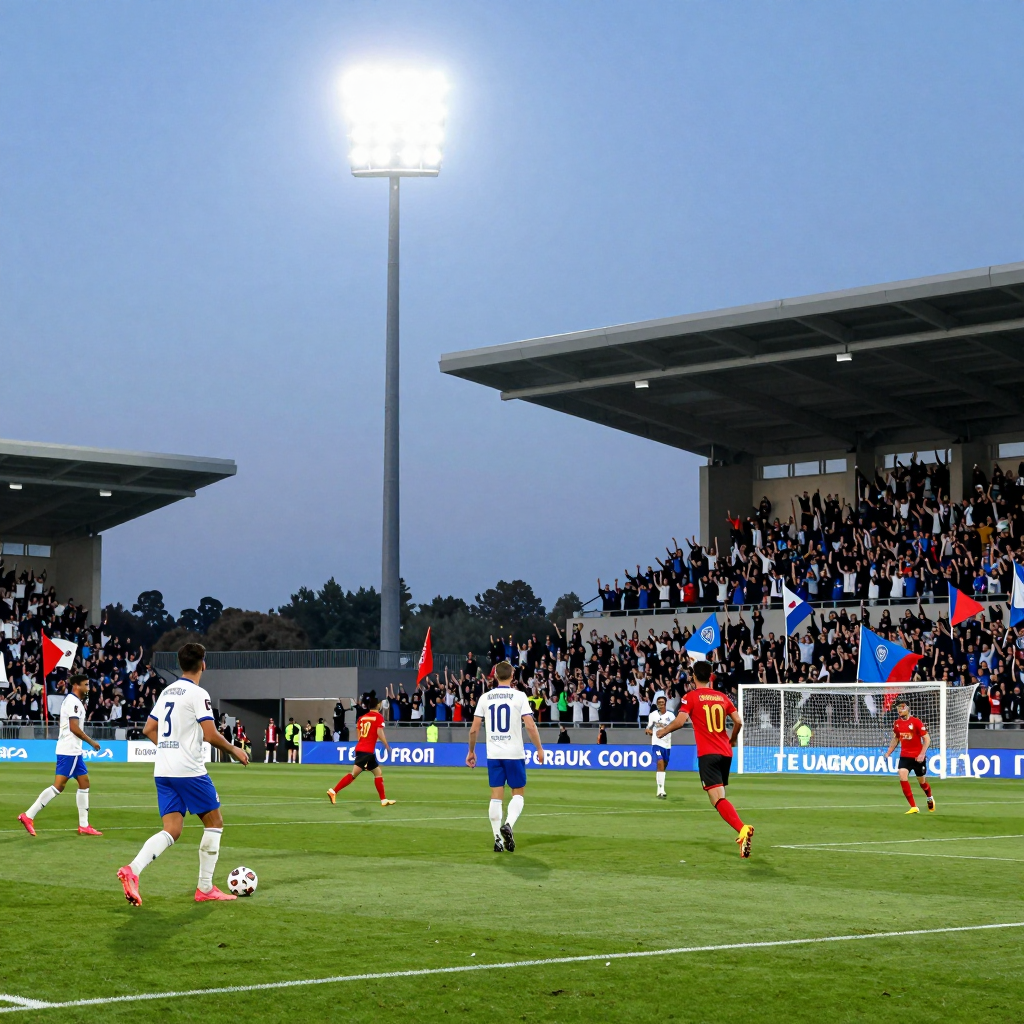
The Beginning of the World Cup Quarterfinal Drama: España vs. Bélgica – The Moment Spain Defeated Belgium
Why did this thrilling clash at LA’s SoFi Stadium capture the undivided attention of football fans worldwide? The answer is simple. The World Cup quarterfinal stage, a face-off between European powerhouses, and a gripping 2-1 drama that kept the outcome uncertain until the final minutes—all encapsulated in a single match. Let’s dive into how Spain secured their place in the semifinals after an intense battle from the very first moment.
SoFi Stadium in Inglewood, USA, is an iconic NFL venue, but on this day, it became the epicenter of global soccer. Even in the U.S., where NBC and Telemundo closely followed the game with live blogs, the excitement was palpable—a clear message that the 2026 World Cup is truly bringing the tournament to the heart of North America.
The game’s pace was intense from the start. Spain struck first, breaking the deadlock with a 30th-minute opening goal to lead 1–0, shifting momentum in their favor and setting the tone that this match was under Spain’s control. Still, Belgium refused to back down. With a brilliant equalizer from Charles De Ketelaere, they leveled the score, proving with just one moment of clinical brilliance, they could turn the game on its head.
In the end, the match was decided in the dying moments. Mikel Merino’s decisive winning goal late in the second half sealed the score at 2–1, earning Spain a coveted semifinal spot. This goal was more than just a score—it showcased the critical tournament element of clutch focus under pressure.
In summary, the España vs. Bélgica quarterfinal was the perfect tournament narrative: “opening with the first goal, shaken by the equalizer, and sealed by a late winner.” The drama’s climax only grows larger as Spain now sets up a blockbuster semifinal showdown against France in the next round.
Decisive Moments: The Hidden Tactical Secrets Behind the Scoring Flow (Spain - Belgium)
From Spain’s opening goal at the 30th minute, to Belgium’s equalizer, and finally Merino’s dramatic late winner—these three goals are not just simple score changes but a condensation of what both teams aimed for and conceded over 90 minutes. Revisiting the breathtaking flow of Spain vs. Belgium through these “decisive moments” makes the tactical message strikingly clear.
Spain’s Opening Goal (30’): The Reward of Mastering the Midfield That Broke the Balance (Spain - Belgium)
Until mid-first half, the match was tightly balanced, but the 30th-minute opening goal was the switch that tilted that balance toward Spain. This moment clearly signifies:
- The shift from possession as ‘holding’ to possessing as preparation for penetration: Spain is a team that holds the ball long, but this opening goal shows that it’s not mere possession—it’s the final incisive pass combined with numerical superiority near the box that leads to scoring.
- Capitalizing on the moment Belgium’s defensive line broke formation: It suggests Spain spotted the pressure delay or the moment the defensive line stretched and seized it. In other words, the first goal was not only a “well-executed pattern” but also a goal by the team that “discovered the opponent’s crack first.”
Belgium’s Equalizer (De Ketelaere): The ‘Language of Decisiveness’ That Turned the Game with One Transition (Spain - Belgium)
Belgium changed the narrative with their equalizer. Even if Spain controlled the flow, one quick transition and a single clinical finish could reset the game.
- The defensive risks caused by Spain’s high line and advanced fullbacks: The more Spain dominated, the more gaps appeared behind their defense or in second-line marking. Belgium turned that “brief lapse” into a goal.
- Individual quality completing the tactic: The reason this equalizer is hailed as “brilliant” is that while the team’s transition created the chance, De Ketelaere’s finish sealed the outcome. In a knockout, such a goal shifts the psychological momentum. Spain grows anxious again, while Belgium gains a reason to hang on.
Merino’s Late Winner: In the End, Clutch Moments Are Made of Details (Spain - Belgium)
What decided the match was the late winner. The tactical core of this goal lies less in flashy buildup and more in the ‘details’ that often decide tournaments.
- Maintaining composure to see out the game: Even after conceding the equalizer, Spain controlled the ball to manage the game and eventually produced another decisive moment late on.
- The difference in concentration near the box: The final minutes are when fatigue and focus simultaneously dip. Scoring at this point means Spain held the edge in small but critical areas like second balls, rebounds, and positioning inside the box.
- That one vital strike needed in a big game: Belgium’s resilience until the end and their final collapse shows that Spain vs. Belgium was ultimately a battle over “who executes the final crucial moment more precisely.”
To summarize the flow of these three goals in one sentence: Spain’s possession broke the balance, Belgium’s transition restored it, but the final break came from Spain’s clutch attention to detail.
The Clash of European Football Powerhouses Unfolded in the U.S., and Its Special Significance (Spain - Belgium)
The quarterfinal clash between European giants Spain and Belgium at LA’s SoFi Stadium—the heart of the NFL—was more than just an overseas fixture. The global spectacle of the World Cup permeating the core of the U.S. sports market sparked a clearly visible new way of consuming soccer, with local fans, media, and social platforms all responding simultaneously.
SoFi Stadium and the “Americanization of the World Cup” (Spain - Belgium)
Originally designed for American football and Super Bowl-level events, SoFi Stadium transformed into a symbolic stage when Spain faced Belgium.
- The World Cup’s central stage shifted from “traditional football nation stadiums” to a fusion with American-style entertainment infrastructure, and
- The fan experience transcended passive viewing, evolving into a sports event crafted like a major showbiz production.
In essence, this quarterfinal proved that “European football has entered American local culture” on the most iconic stadium turf.
Why NBC and Telemundo Both ‘Zoomed In’ (Spain - Belgium)
The high-profile coverage of this match in the U.S. stems from a fundamental shift in the media landscape.
- NBC, catering to the English-speaking audience, wrapped real-time play-by-play and outcomes into a narrative emphasizing Spain’s win as the prelude to the blockbuster semifinal showdown against France.
- Meanwhile, Telemundo delivered the same moment to Spanish-speaking viewers with a quicker, more emotional tempo, bringing Spain’s opening goal and game momentum vividly to life.
The fact that major English- and Spanish-language networks simultaneously focused on a single match signals that the World Cup in America has expanded into a multi-lingual, multi-community event rather than a single market.
Social Media and Fans Forged an ‘All-New Soccer Experience’ (Spain - Belgium)
Before kick-off, the term “blockbuster” was already buzzing online, as Spain vs. Belgium first became a content phenomenon on social media. Highlights teasers, lineup debates, player memes, and live reactions turned the game itself into a layered event, with fans simultaneously creating a second match through feeds and comment threads during the 90 minutes.
Across the U.S., local public viewing parties blossomed, transforming the World Cup from a “TV-watched international tournament” into a live culture of neighborhood communities gathering together.
This trend clearly means one thing: the big World Cup matches no longer end on the pitch—they are simultaneously replayed across the entire American media, community, and platform ecosystem.
A Unique Rivalry Crossing Both Men's and Women's National Teams: España - Bélgica
How does the matchup between Spain and Belgium repeat itself not only in the Men's World Cup but also in the Women's Euro 2025? Looking at recent trends, España - Bélgica is not just a one-off big match; it is evolving into a “new rivalry” that spans both men's and women's national teams, firmly etched into the memories of football fans.
Men's World Cup 2026: The Late Winning Goal’s Narrative, España - Bélgica
In the 2026 World Cup quarterfinals, Spain defeated Belgium 2–1 to advance to the semifinals. Spain took the lead with a goal in the 30th minute, but Belgium fought back with an equalizer from De Ketelaere, keeping the balance until the very end. The decisive moment came late in the second half with Mikel Merino’s winning goal.
This single match sharpens the contrast: “Belgium doesn’t back down easily, while Spain claims the big moments,” making the matchup itself all the more dramatic.
Women's Euro 2025: The Imposing Image of a ‘Clean Sheet Victory,’ España - Bélgica
What’s fascinating is that this rivalry extends beyond the men’s stage. In the Women’s Euro 2025, the Spanish women's national team secured a clean sheet victory over Belgium, advancing to the next round.
With a tight 2–1 battle in the men’s World Cup and a spotless win in the women’s Euro, fans naturally come to view this pairing as a “matchup where Spain steadily builds its dominance.”
The Heart of the ‘New Rivalry’ Fans Feel: Anticipation Born from Repeated Patterns, España - Bélgica
Rivalries usually begin with repetition. Regardless of tournament or gender, when the same two nations meet again and again, generating familiar tension, fans remember it like this:
- Belgium is a team with strong individual skills and the power to shake up the game in one moment
- Spain is a team that ultimately seizes the crucial moments in the match
- Therefore, when they meet again, anything can happen
Ultimately, España - Bélgica is growing not as a “single upset,” but as a “narrative accumulated across multiple stages.” This is why, the moment their next showdown happens, fans eagerly expect more than just a game—they anticipate an emotional spectacle.
The Ultimate Big Match Preview: Spain vs France, the Story Unfolding After Victory (españa - bélgica)
Now, Spain faces off against France. The conclusion of the españa - bélgica quarterfinal was close to a declaration that “this team will go all the way,” making the next stage even hotter. The more unpredictable the matchup, the clearer the winning formula revealed in the previous game becomes the best clue.
Spain’s Proven ‘Way to Win’ in the Quarterfinals
The match against Belgium was not just a 2–1 victory; it demonstrated a crucial tournament capability all at once.
- The first spark to reverse momentum: Scoring the opening goal at the 30th minute in the first half broke the balance early and tilted the match’s baseline toward Spain.
- Enduring crisis and reclaiming control: Even after conceding an equalizer, Spain didn’t falter and sealed the game with Mikel Merino’s late winning goal.
- Clutch concentration in critical moments: In knockout tournaments, ‘decisive moments’ leave a stronger mark than overall good play. Spain did not miss theirs.
Key Points That Will Matter More Against France
France is a team that can change the game with a single transition or individual skill. The lessons Spain took from the Belgium match will be put to the test immediately against France.
- Managing the tempo after taking the lead: How Spain controls the pace once ahead is vital. France excels at punishing opponents who briefly relax.
- Reproducing late-game ‘decisiveness’: The late winner against Belgium wasn’t luck but a product of concentration. Whether Spain can recreate this against such a formidable opponent is a focal point.
- Midfield dominance vs speed of transition: Spain constructs the game through possession and positional play, while France disrupts that with pace and power. Ultimately, it may come down to “who maintains their rhythm longer.”
Why Anticipation Is Building: The Narrative Forged in LA Carries Into the Next Round
The españa - bélgica match at SoFi Stadium left Spain with more than just a ‘spot in the semifinals.’ It created a narrative of a team that delivers, even if late, a team that withstands the pressure in big games. Now, that narrative will be tested or rewritten against the greater wall that is France. Fans eagerly await this semifinal for one simple reason: this time, truly, the outcome remains unpredictable until the very end.
Comments
Post a Comment