 \n
The Turtle, an 8,000-Kilometer Homecoming, and the Contrast of Graffiti
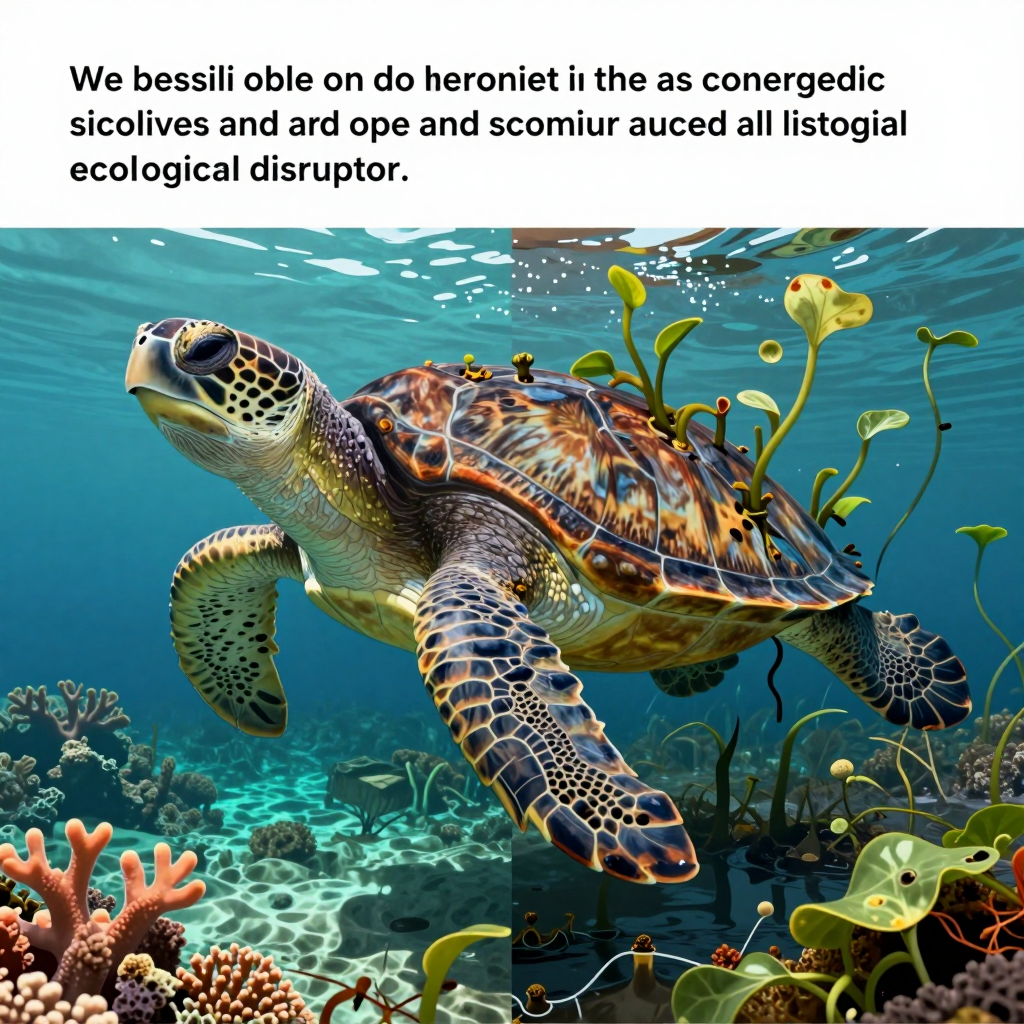
On one side, a rare sea turtle is preparing for a long journey home. “Rossi,” a Kemp’s ridley sea turtle found stranded off the coast of Wales, is set to travel approximately 8,047 km to the Gulf of Mexico, its natural habitat, after completing about two and a half years of treatment and rehabilitation.
On the other side, a very different turtle was discovered in a drainage channel in Busan. Its shell was covered with people’s names and addresses, along with phrases that appeared to be wishes. It may have been regarded by someone as an object for making wishes, but experts have raised the possibility that it was a non-native turtle and potentially an invasive species that could disrupt the ecosystem.
They are both turtles—so why has one become a symbol of conservation, while the other has found itself at the center of controversy over ecosystems and animal welfare?
Rossi is a Kemp’s ridley sea turtle, a species with an extremely small global population. It is a rare species that breeds only on the warm beaches of Mexico and parts of Texas in the United States, and its rescue, treatment, and return require cooperation among multiple countries and organizations. Returning one life to its native ocean is more than a simple journey; it is closer to a promise to protect both marine ecosystems and endangered species.
The case of the turtle found in Busan raises an entirely different question. Releasing a non-native species that was once kept as a pet into the wild cannot be justified under the name of “release for its freedom.” Non-native turtles with strong reproductive and survival abilities, such as red-eared sliders, can compete with native species for food and habitat, potentially disrupting the balance of the ecosystem.
Writing on a turtle’s shell is not something to be taken lightly, either. A turtle’s shell is not merely a decorative surface; it is part of the body, connected to nerves and blood vessels. If carving words into the shell or applying paint containing chemicals caused pain or injury, it could constitute a serious animal-welfare concern.
One turtle was given the chance to return home; the other was left with human wishes and irresponsibility.
This dramatic contrast shows that the way we view turtles must change. Turtles are not objects for making wishes or exhibits for entertainment. They may be endangered species in need of protection, or non-native species that have come to threaten ecosystems because of human abandonment and irresponsible release.
Ultimately, what matters is not simply “loving turtles,” but understanding the environment in which each life is meant to live and acting responsibly.
Rossy’s Return: One Turtle Connects the World
A tiny baby turtle was found adrift off the cold coast of Wales, UK. After being rescued, ‘Rossy’ spent about two and a half years undergoing treatment and rehabilitation. Now, she is preparing to return to the Gulf of Mexico, where she was born. The journey will span approximately 8,047 kilometers. Cross-border cooperation has begun to return a single life to its home waters.
Rossy is a Kemp’s ridley sea turtle, known as the rarest sea turtle in the world. Even as an adult, it is a relatively small species, reaching about 75 centimeters in length and weighing around 50 kilograms. Yet its habitat is extremely limited: the turtles breed only on the warm beaches of Mexico and parts of Texas in the United States. That is why the rescue and return of a single turtle carries meaning far beyond a simple heartwarming story.
The Moment One Turtle’s Rescue Becomes ‘Global Conservation’
Rossy’s journey involves completing her rescue and treatment in the UK before returning her to her original habitat in the Gulf of Mexico. The goal is not simply to release her where she was found, but to return her to the ecosystem where she is meant to live—making this something much closer to true restoration.
In the past, wildlife rescue was often viewed as the responsibility of local organizations alone. But for marine animals that cross oceans, borders are merely lines drawn by humans. Only when one country’s rescue capabilities, another country’s habitat management, and the experts’ cooperation on transport and quarantine come together can a single turtle truly return to the sea.
Rossy’s return does not end with “she was rescued.”
It is a model of conservation that takes responsibility for “where and how she will be returned.”
A Turtle with a Name—and the Power to Capture Public Attention
The name ‘Rossy’ and her story give the public a way to form an emotional connection with the issue of endangered species. Rather than statistics about population numbers or complicated conservation policies, the story of one turtle discovered on an unfamiliar shore, enduring years of treatment before heading home, feels far more immediate.
This approach is also an important communication strategy for protecting endangered animals. Through Rossy, people naturally come to understand the rarity of Kemp’s ridley sea turtles, the changes taking place in marine environments, and the need to protect their habitats. In a sense, one turtle translates the vast issue of “a species that must be protected” into everyday language.
Responsibility That Must Continue After the Return
Of course, conservation is not complete with one moving homecoming. The waters of the Gulf of Mexico must be safe for Rossy when she returns, and her nesting beaches, feeding grounds, and migration routes must also be protected. Plastic waste, fishing activity, ocean pollution, and climate change continue to threaten the survival of sea turtles.
That is why Rossy’s return is both a project for one extraordinary animal and a question directed at all of us: Will we stop after rescuing wildlife, or will we also protect the seas where they are meant to live again?
The 8,000-kilometer journey of one turtle is ultimately narrowing the distance between human society and the way we understand conservation. A true homecoming will not be complete the moment Rossy reaches the sea, but when that sea remains capable of welcoming countless turtles for years to come.
Turtle Releases: The Moment Good Intentions Become a Threat to the Ecosystem
For some people, releasing animals into the wild may be an act of kindness—one that saves a life and earns merit. But for native species living in rivers and wetlands, it can mean something entirely different. The appearance of a single unfamiliar turtle can lead to competition for food and shelter, and ultimately disrupt the balance of the ecosystem.
A representative example is the red-eared slider. Once widely sold as a small, adorable pet turtle, many were abandoned or released into the wild after growing too large and becoming difficult to care for. Turtle releases carried out as part of religious rituals or to fulfill personal wishes can produce the same result.
How a Pet Turtle Becomes an Invader in the Wild
Red-eared sliders reproduce rapidly and adapt well to their surroundings. They can survive relatively well wherever there is water, including rivers, ponds, and wetlands. The problem is that they compete with native fish and aquatic animals for food—and even for habitat.
In particular, non-native turtles released into the wild can have the following effects:
- They may feed on the eggs, fry, and aquatic insects of native species.
- They compete with native turtles for food, basking spots, and nesting areas.
- As their numbers increase, the biodiversity of wetlands and rivers may decline.
- Repeated abandonment and release also increase management costs and the burden of ecological restoration.
A turtle that was a quiet companion in an aquarium can become a non-native species with powerful survival abilities in the wild.
The Meaning of “Release” Must Change
The desire not to treat life carelessly deserves respect. But releasing an animal into nature is not always the same as “saving” it. The moment a species that did not originally live there is released, an act of kindness can become ecological disruption.
Rather than assuming that an animal “will be happy if returned to nature,” we must first ask where that animal is supposed to live. If you can no longer care for a turtle, contacting your local government, an animal protection organization, or a professional rescue agency instead of releasing it illegally is the more responsible choice.
A truly life-giving act is not placing a turtle inscribed with a wish by the water. It begins with protecting the habitats where native species can survive—and taking responsibility for the life of a companion animal you have chosen to bring home, all the way to the end.
Writing Wishes on Tortoises and Putting Diapers on Them: Are Tortoises Turned into Content Truly Happy?
Will human wishes come true if they are written on a tortoise’s shell? To some, it may be a heartfelt trace of prayer. To the tortoise, however, it may be nothing more than a foreign mark left on its own body. The “graffiti tortoise” incident discovered in Busan showed what can happen when releasing animals into the wild and wish-making customs become intertwined without consideration for living creatures.
A shell is not merely a decorative plate. It is part of the tortoise’s body, and external stimulation or damage can lead to stress and health problems. Writing on it, painting it, and taking photographs may seem like harmless acts to humans, but to the animal, they are forms of contact imposed without its consent. In particular, releasing non-native tortoises into nature is not necessarily an act of “kindness.” It can become an irresponsible release that disrupts the ecosystem.
Wishes for Tortoises and the Practice of Releasing Them: Whom Is This Really For?
For a long time, releasing animals into the wild has been regarded as an act of saving life. But the moment an exotic tortoise raised as a pet is released into a stream or drainage channel, its meaning changes. Species such as the red-eared slider, which are highly adaptable and reproduce rapidly, can take away food and habitat from native wildlife.
More important than sending off a wish written on a shell is protecting the environment in which that tortoise was meant to live.
A culture that borrows the lives of animals to express human hopes must now be questioned anew. What tortoises need is neither a shell covered in messages nor release into unfamiliar waters. They need proper protection, responsible care, and a habitat suited to their species.
Tortoises in Shopping Malls: Between Cute Events and Animal Welfare
Meanwhile, a large tortoise wearing a diaper as it walks through a shopping mall naturally draws people’s cameras. A giant tortoise appearing in an unfamiliar space makes for a scene perfectly suited to becoming a social media sensation. For children, it can be a fascinating experience; for the store, it can become content that attracts visitors.
But is “cute” really enough? To a large land tortoise, a shopping mall is a space filled with harsh lighting, noise, unfamiliar smells, and the gaze of countless people. If repeated relocation, photography, and touching continue, the animal may experience stress. Diapers may be used for the convenience of hygiene management, but the animal’s natural behavior and physical condition must come first.
The point is not to condemn exhibitions outright. What must be examined first is whether temperatures, humidity levels, and resting areas appropriate to the tortoise’s species have been secured; whether contact and photography are properly controlled; and whether professional staff are monitoring the animal’s health. The moment an animal becomes a prop at an event, its welfare can easily be pushed to the very bottom of the priority list.
Between “Pet” and “Content”: Asking About the Tortoise’s Rights
Today, tortoises are not only companion animals but also creatures easily turned into content. Their slow steps, distinctive shells, and unexpectedly large bodies readily attract attention in videos and photographs. But views and virality do not guarantee an animal’s comfort.
The question we must ask is simple. It is not whether this scene brings people pleasure, but whether it is safe and comfortable for the tortoise as well. Before writing a wish on a shell, before deciding to release a tortoise, and before taking photographs in a shopping mall, we should pause and think once more.
A tortoise is neither an object for carrying human wishes nor an exhibit meant to create a momentary buzz. It is a living creature within an ecosystem, one that requires a specific environment and dedicated care. Perhaps the most sincere way to cherish tortoises is not to put them on display more often, but to let them step away from the human gaze when necessary.
An Era of Protecting Turtle Habitats Instead of Writing Wishes on Their Shells
Turtles are no longer ornaments, monuments, or brief attractions. Endangered sea turtles need oceans capable of recovery, while abandoned exotic turtles need responsible care—not irresponsible releases into the wild. The way we treat a living creature reflects our standards for ecosystems and animal welfare.
Busan’s “graffiti turtle” incident brought this shift into sharp focus. To someone, writing a name or a wish on a turtle’s shell may have seemed like an expression of goodwill. But leaving writing on a turtle’s body and releasing an exotic species with the potential to disrupt the ecosystem into the wild can lead to entirely different consequences. For the animal, it may cause stress and injury; for the local ecosystem, it may create the burden of competition with native species.
What We Should Do When We Encounter a Turtle
The most important principle when you find a turtle is not to handle or move it carelessly. In particular, if you discover an unfamiliar, large turtle in a stream, wetland, drainage channel, or similar location, you should not immediately decide, “It looks pitiful, so let’s return it to nature.” If it may be an exotic species, releasing it without authorization could cause even greater harm to the ecosystem.
The following actions are necessary:
- If you find a turtle that appears to be wild or exotic, record its photo and location.
- Do not release it yourself or move it to another place.
- Report it to, or contact, your local government, an environmental agency, or a wildlife rescue and management organization.
- If you can no longer care for a pet turtle, do not abandon it. Seek a responsible solution, such as an adopter or a specialized organization.
- Do not write graffiti on, place stickers on, or paint its shell. A shell may look hard and sturdy, but it is still part of a living body.
True Protection Begins with Responsibility, Not Emotion
The journey of a Kemp’s ridley sea turtle rescued in Wales and returned to the Gulf of Mexico after a long period of treatment shows what protection truly means. Rescuing an animal, helping it recover, and returning it to the habitat where it is meant to live—this is not simply about saving one turtle. It is about preserving the connection between a species and its habitat.
By contrast, releasing an exotic turtle into the wild may be wrapped in the touching language of “giving it freedom,” but in reality, it can threaten the homes and survival of other living creatures. Protection cannot be achieved through immediate emotion alone. We must also consider what species the animal is, where it belongs, and what impact it may have on nature.
Instead of writing wishes on a turtle, let us protect the water and land where turtles can live.
That may be the most realistic wish we need today.
As interest in turtles grows, our standards must change as well. True protection begins only when we move beyond consuming their cuteness and novelty, and start viewing them through the lens of ecosystems, animal welfare, and responsible coexistence.
Comments
Post a Comment