 \n
When Did Fandom Become a Business?
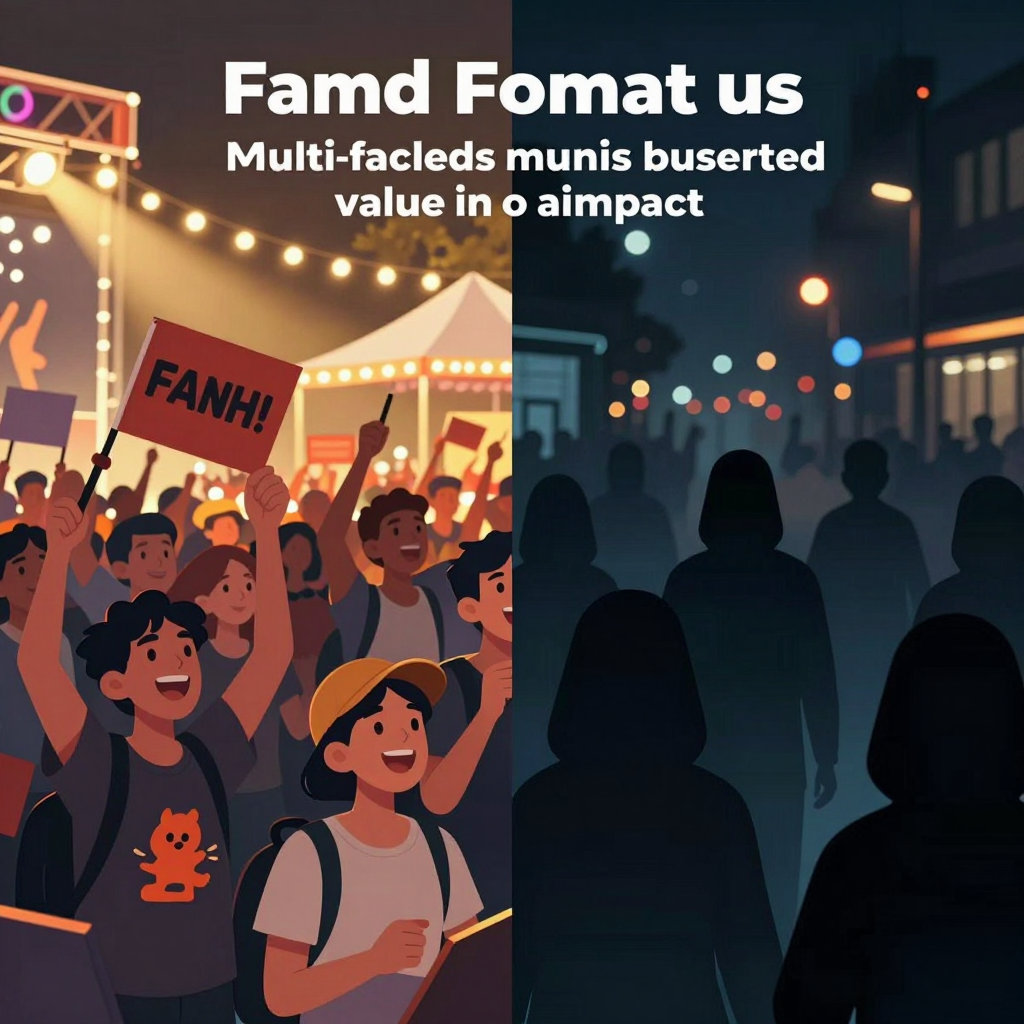
The roar that erupts at a concert venue, limited-edition merchandise bearing the name of a favorite artist, the lines stretching outside stores for collaboration menus. Fandom has now grown beyond the simple feeling of “liking something” into a powerful force that moves people’s time, money, and behavior.
So when do we become fans rather than consumers?
The answer lies less in the moment we consume a product or piece of content, and more in the moment it becomes connected to our daily lives, identities, and emotions. When we go beyond simply listening to music and start checking concert schedules—or move beyond playing a game and begin wanting to own its characters’ stories and merchandise—consumption becomes a relationship. From that point on, fandom becomes an asset capable of moving the market.
The New Formula for Consumption Created by Fandom
In the past, consumption continued as long as companies made good products and advertised them well. Today, things are a little different. Before focusing on the product itself, brands and content companies design reasons for people to love something and experiences that invite them to participate.
Take gaming conventions, for example. They have evolved beyond places where visitors can get an early look at new releases. With character photo zones, voice-actor stages, live music performances, and limited-edition merchandise, they have become full-fledged celebrations of fandom. The goal is no longer merely to get people to “try” a game, but to make them “fall in love with” it.
The fast-food industry is no different. A limited-edition menu created in collaboration with an artist is not simply a product that sells hamburgers. For fans, it is a small keepsake that connects them to someone they love—and an experience they want to document and share. Consumers may purchase the menu, but what they are really buying is the sense of belonging and the feeling of being part of a special moment that comes with it.
The key to fandom-driven business is not selling things,
but creating experiences that fans can participate in and remember.
The Decisive Difference Between Consumers and Fans
Consumers make choices based on necessity. Fans, on the other hand, are moved by emotion. They do not judge solely by price or convenience; they are willing to contribute to the growth and success of the people, brands, or worlds they love.
That is why fandom leads to actions such as:
- Making time to attend concerts and events.
- Collecting limited-edition merchandise and collaboration products.
- Voluntarily sharing content and recommending it to others.
- Sharing their feelings with fellow fans in online communities.
- Embracing the stories of their favorite artists or brands as if they were their own.
Through this process, fans become more than mere buyers: they become voluntary promoters and members of a community. This is why companies pay attention to fandom. A lasting relationship creates far greater value than a one-time purchase.
Fandom Is an Emotion—but the Experience Around It Can Be Designed
Of course, fandom itself cannot be forced into existence. Inauthentic collaborations or excessive commercialization can instead leave fans feeling worn out. But companies can design environments where fans can experience the content they love more deeply, connect safely with other fans, and express their affection naturally.
Ultimately, today’s businesses ask not only, “What should we sell?” but also, “What kind of experience will we leave in someone’s heart—and whose heart will it be?” From the roar of a concert venue to the lines forming for a limited-edition burger, fandom has become the hottest force driving both culture and consumption.
From Hamburgers to Game Shows: An Industry That Sells Fandom
McDonald’s restaurants are becoming places where fans can meet G-Dragon, while game shows are evolving beyond venues for briefly trying out new releases into festivals that inspire people to fall in love with characters and merchandise. Companies no longer simply explain what their products can do. They now design the sense of connection consumers feel toward brands and content—in other words, they design fandom itself.
Consumers Are Buying a “Shared Experience,” Not Just a Product
McDonald’s Hong Kong’s collaboration with G-Dragon is a striking example of this trend. Menus infused with the sensibility of K-content—such as a burger with gochujang sauce, a citrus drink, and bulgogi fries—are more than just a meal. For fans, they become small events that let them experience an artist’s universe in their everyday lives.
What consumers are buying is not just a single hamburger.
- The satisfaction of owning a limited-edition item
- The feeling of being connected to a beloved artist
- The experience of visiting the restaurant and sharing proof of the visit
- The sense of community that comes from sharing memories with other fans
In other words, brands are not stopping at placing an artist’s IP on food. They are transforming the restaurant itself into a space where fandom can gather and linger. Fandom is no longer merely a tool that stimulates consumption—it has become the reason people consume.
Game Shows Are Evolving from “Playing” to “Fandom Experiences”
The gaming industry is undergoing an equally visible transformation. In the past, the core appeal of game shows was getting an early look at upcoming releases. Today, they offer immersive experiences that connect characters, music, voice actors, animation, photo zones, and merchandise around a game.
Visitors do not simply play a game and leave. They take photos with their favorite characters, listen to the soundtrack, purchase merchandise, and step deeper into the world of the content. The journey companies are designing is simple:
From user to fan, and from fan to lasting fandom.
Game quality still matters. But in an intensely competitive market, making a good game is no longer enough. Companies need a structure of fandom that makes people remember the game, talk about it with others, and keep waiting for the next update.
Why Companies Sell “Connection”
Consumption driven by fandom lasts longer than a one-time purchase. A consumer who buys one product is more likely to continue seeking out a brand’s next collaboration, new release, event, or merchandise. Especially when limited editions, on-site experiences, and online sharing come together, consumption evolves from a personal choice into a fandom culture.
The reasons companies design connection rather than simply products are clear:
- Differentiation: Creating an emotional reason to choose one product over similar alternatives.
- Repeat visits: Fans look forward to the next collaboration and event.
- Shareability: Posts, reviews, and video content naturally become promotion.
- IP expansion: Broadening points of contact across music, gaming, food, and retail.
Ultimately, today’s industries are shifting from competing to sell things to competing to create reasons for people to love them. The moment a hamburger meal or a game meets fandom, the product no longer remains merely a product. It becomes an experience that fans participate in, own, and share.
The Expansion of Fandom, Undeterred by Autumn Sun or Distance
Even beneath the blazing autumn sun, audiences send their cheers soaring toward the stage. Fans who cannot make it to the venue share the same moment from beyond the screen through real-time comments and messages of support. Fandom is no longer confined to a particular concert venue or city. It has become a force of connection that crosses the boundaries between offline and online, local and global.
Large-scale outdoor concerts, such as the 2026 Asia Top Artist Festival, make this especially clear. Despite factors like intense sunlight and long wait times, fans fill the venue, adding an immediate surge of passion and energy to the artists’ performances. Fandom is no longer simply an audience—it has become an active participant in shaping the atmosphere and completing the performance.
Fandom Focused on Local Communities, and More Sophisticated Stage Strategies
Award ceremonies and concerts are evolving beyond being “nationwide events watched by everyone.” They are finding new ways to draw closer to fans in specific regions. Messages such as “Zeroing in on Busan’s fandom” naturally stir the pride and sense of belonging felt by local fans.
This approach is more than a simple promotional phrase. It gives local fans the experience of knowing that “our city, too, is an important center of fandom,” while creating opportunities for artists and brands to build closer, more finely tuned relationships. Fandom is both a vast community that spans entire nations and a culture rooted in everyday life, moving through cities and local communities.
Fandom Moments That Continue Beyond the Screen
Online streaming has dramatically lowered the physical barriers to fandom. Fans who could not secure a seat at the venue or who live far away can still enjoy the stage through a live broadcast. Live chats, comments, and social media posts transform remote viewers from mere spectators into another form of on-site participant.
When an offline concert is combined with online streaming, the fandom experience expands into an even more vivid and multidimensional one.
- Fans at the venue create the atmosphere with their cheers, light sticks, and synchronized singing.
- Online fans amplify the buzz through real-time reactions and the spread of content.
- Artists and organizers connect with a broader fan base without being limited by region, time, or distance.
Ultimately, fandom today is defined less by “where you are” than by “how you connect.” Fans holding their ground in a venue beneath the autumn sun and fans singing along to the same song from beyond the screen may occupy different spaces, but they share the same emotions and experience. The stage of fandom is continuing to expand beyond concert venues—and across borders.
The Dangerous Line Hidden Behind “I Like You”
Sending messages of support, attending performances, and purchasing official merchandise can all be healthy expressions of fandom. But can actions like invading someone’s privacy, tracking their movements, or even attempting to eavesdrop truly be called fandom?
The moment affection for someone crosses the line from respect into possessiveness, it is no longer support. When the desire to “get to know them more closely” turns into monitoring and controlling their daily life, fandom takes on an entirely different name: sasaeng behavior, stalking, and crime.
Fandom Begins with Respect, Not a Relationship
Healthy fan activities have clear boundaries. Fans can love and support an artist’s work and career, but they have no right to claim the artist’s private space and time.
Recently, serious cases have been reported, including wiretapping to overhear celebrities’ private lives, lying in wait outside managers’ homes, and tracking undisclosed schedules. Such behavior cannot be justified as interest or affection. It is violence that causes anxiety and fear and destroys another person’s everyday life.
Loving someone does not give you the right to erase the distance between you; it gives you a reason to respect that distance.
The Difference Between Positive Fandom and Deviant Behavior
| Category | Healthy Fandom | Deviant Behavior |
|---|---|---|
| Direction of emotion | Support and empathy | Possession and control |
| Form of behavior | Attending official performances, purchasing merchandise, sending messages of support | Invading privacy, tracking movements, lying in wait, eavesdropping |
| Understanding of the relationship | Respecting the artist’s boundaries and choices | Unilaterally forcing intimacy |
| Social significance | A force that builds culture and community | Crimes such as stalking and invasion of privacy |
The key is not the intensity of the emotion. No matter how strong the affection may be, the moment it violates another person’s wishes, safety, or privacy, it falls outside the bounds of healthy fandom.
Why We Need a Mature Fandom Culture
Fandoms can electrify concert venues, raise the value of content and brands, and create new communities among fans. But the more powerful that influence becomes, the clearer the ethics and standards within the fandom must be.
Supporting artists through official channels, participating in events safely, and respecting the privacy of artists and staff are the foundations of a sustainable fandom culture. True fandom is not an obsession with getting closer, but a willingness to support someone’s happiness and safety—even from afar.
The Future of Fandom Will Burn Brighter—and Be Healthier
The competition among fandoms in the future will not be limited to simply gathering more fans. What truly matters is creating an experience in which fans can participate safely, respectfully, and authentically. Fan devotion fills concert venues, drives merchandise and collaboration products, and gives content IP the power to endure. But the moment boundaries are lost, support can turn into obsession, and fandom can become dangerous.
A New Standard for Brands That Nurture Fan Devotion
Brands and content companies can no longer judge the success of a fandom solely by its number of fans, views, or sales. Healthy fan devotion lasts longer in environments that provide the following:
Providing plenty of official channels for participation
Safe and legitimate points of contact—such as fan meetings, live streams, communities, and official merchandise—should be expanded.Creating a seamless connection between online and offline experiences
Experiences should be designed so that fans who cannot attend in person do not feel left out, with access to streams, online events, and digital content.Clearly protecting the privacy of artists and staff
The relationship between fans and stars must be based on respect, not intimacy. There must be a clear standard that tracking private movements, taking unauthorized photos, and sharing personal information are acts of intrusion—not fan activities.Supporting a culture of self-regulation within fandoms
Official communities should clearly communicate safety rules and codes of conduct while fostering a culture that does not tolerate hate, harassment, or stalking.
Fan Devotion Must Evolve from ‘Ownership’ to ‘Connection’
Healthy fan devotion is not the desire to make someone one’s own. It is closer to the wish to support beloved artists and content so they can continue working freely for a long time to come. Enjoying performances, consuming official content, and sharing memories with other fans—these are the most positive values a fandom can create.
Brands, in particular, must not treat fans’ emotions merely as tools for driving purchases. Limited-edition merchandise, collaboration menus, and in-game events may spark fan enthusiasm, but if they fuel excessive competition and alienation, brands may lose long-term trust. It is important to ensure diverse ways to participate, so fans do not feel that they must “consume in order to be recognized.”
The future of fan devotion begins not with more intense fervor, but with deeper respect.
Ultimately, a good fandom provides artists with a safe environment in which to work, fans with an enjoyable and healthy sense of belonging, and brands with a foundation for sustainable growth. Harnessing fan devotion as a driving force for business while ensuring that those emotions do not deteriorate into crime and obsession—that is the most important challenge the content industry must address in the years ahead.
Comments
Post a Comment