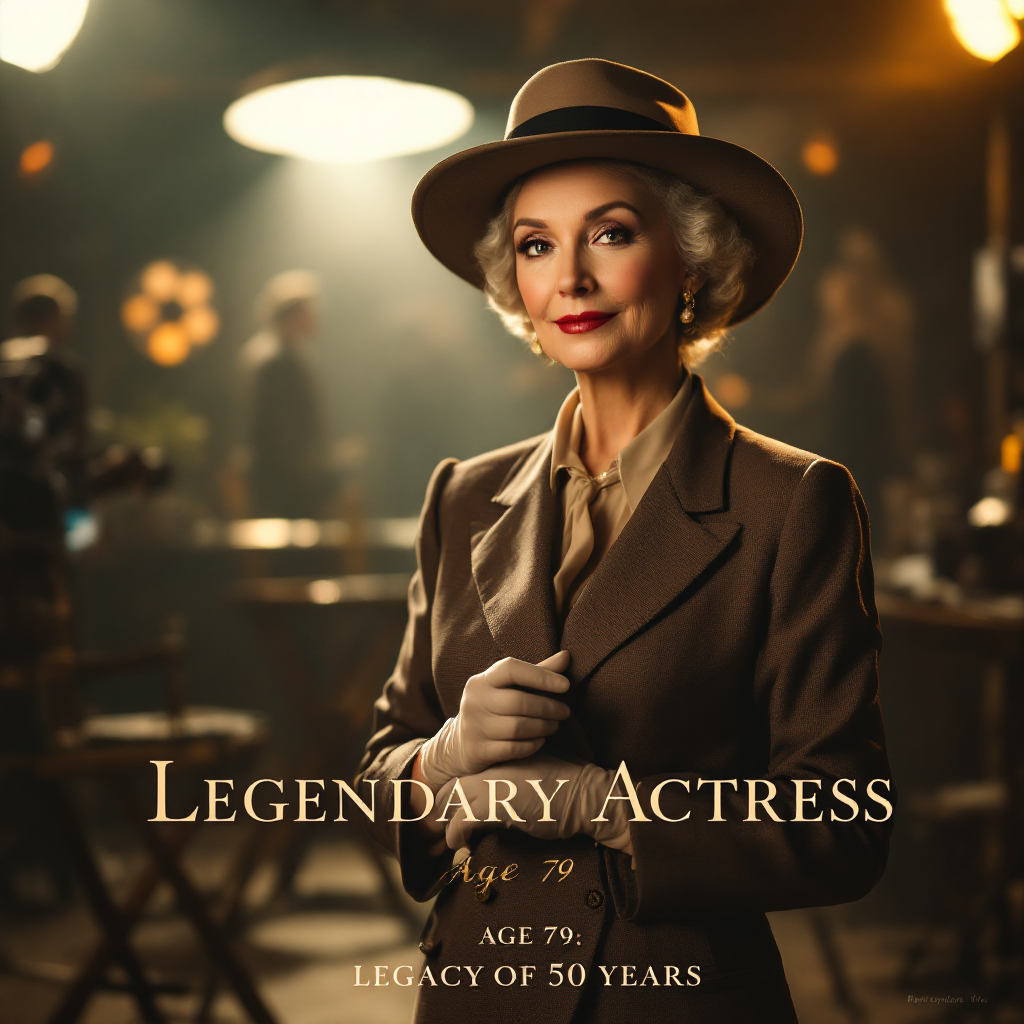
The End of a Legend: Diane Keaton’s Final Journey
On October 11, 2025, Diane Keaton passed away at the age of 79. The sudden news of her death sent shockwaves throughout the global film industry and among fans worldwide. But why did her passing resonate so profoundly?
Diane Keaton was more than just an actress. Over a career spanning more than 50 years, she shared in Hollywood’s golden era and captivated audiences across generations with her timeless work. Her unique style and performance in "Annie Hall" continue to inspire countless people today.
Her range as an actress was truly remarkable. From the tragic Kay Adams in "The Godfather" series to the passionate journalist Louise Bryant in "Reds," she embodied a stunning variety of roles flawlessly. Particularly, her collaborations with Woody Allen and Warren Beatty gave birth to cinematic masterpieces that will forever be etched in film history.
Moreover, Diane Keaton carved out an unparalleled presence in the romantic comedy genre through ongoing collaborations with director Nancy Meyers. Films like "Baby Boom," "Father of the Bride," and "Something’s Gotta Give" captured the hearts of audiences across generations.
Her death marks not just the loss of an actress but the end of an era. Diane Keaton’s cinematic legacy will remain with us for years to come. Her singular charm and profound performances will live on forever in the hearts of all who love film.
Diane Keaton's Iconic Moments: The Two Faces of Annie Hall and The Godfather
What made the actress wearing a tie and bowler hat clutching her Academy Award so unforgettable? Let’s delve into the profound world behind her captivating performances. Through Diane Keaton's two most memorable characters, we explore the remarkable versatility that defines her acting prowess.
Annie Hall: The Birth of a Unique Style
Woody Allen's 1977 masterpiece Annie Hall catapulted Diane Keaton to stardom. Her distinctive fashion sense and that unforgettable “la-di-da, la-di-da” speech left an indelible mark in film history. The Annie Hall look—tie, bowler hat, vest, and khaki pants—broke the stereotypes of women's fashion at the time, creating a fresh, iconic trend.
Keaton’s natural and vibrant performance captivated audiences, earning her the Academy Award for Best Actress. With this role, she opened new horizons for comedic acting while skillfully portraying a complex female character with nuance and depth.
The Godfather: Discovering Hidden Depths
In stark contrast to the bright and cheerful Annie Hall, Diane Keaton’s portrayal of Kay Adams in The Godfather series revealed an entirely different dimension of her talent. Through the unlucky circumstances that entwined Kay with the Corleone family, Keaton delivered a profoundly dramatic performance.
The evolution of Kay Adams—the journey from a naïve, optimistic young woman to someone wrestling with darkness and complexity—showcases Diane Keaton’s extensive acting range. This role proved that her gifts extend beyond comedy, demonstrating an exceptional ability to embody deeply emotional drama.
These two contrasting roles highlight Diane Keaton’s extraordinary versatility. From the quirky charm of Annie Hall to the tragic complexity of Kay Adams, Keaton captivates film lovers by interpreting diverse characters in her own unique way. This expansive spectrum of performance became the driving force that established Diane Keaton as an iconic actress of her generation.
Diane Keaton's Intersection of Love and Art: Collaborations with Woody Allen and Warren Beatty
The life of Hollywood's legendary actress Diane Keaton unfolds like a romantic drama. Her most brilliant moments in acting are deeply intertwined with special connections to two master directors. The artistic and personal relationships with Woody Allen and Warren Beatty expanded Keaton’s acting spectrum to a whole new level.
Meeting Woody Allen became a turning point in Diane Keaton’s career. Her performances in Allen’s films during the 1970s went beyond mere acting to create an icon of the era. Especially her unique fashion style and the "la-di-da" manner of speaking in Annie Hall remain vividly etched in the memories of many to this day.
However, the deeper their artistic collaboration grew, the more complex their personal relationship became. Keaton and Allen’s romance ended after Manhattan in 1979, but their artistic rapport continued, bringing them together again for a major project in 1993. It was like longtime lovers reuniting after time apart to redefine their relationship anew.
Diane Keaton’s encounter with Warren Beatty presented another level of challenge. Their romance, which began in 1978, led to the epic film Reds two years later. Keaton portrayed the complex character Louise Bryant, pushing her own limits. Critics noted she was "almost on the brink of collapse," highlighting just how deeply she immersed herself in the role.
Through her relationships with these two men, Diane Keaton maximized her artistic talents. With Woody Allen’s films, she pioneered new realms of comedic acting, while her work with Warren Beatty captivated audiences with profound dramatic performances.
As she remarked, though her "name changed from Dave to Woody to Warren," ultimately what she chose was her own dream. Diane Keaton continuously sought a balance between love and art, gifting us unforgettable cinematic moments in the process.
In this way, Diane Keaton’s life is more than just a romance—it is a beautiful symphony where art and love harmoniously converge. Looking back on her acting journey, we see how one actress magnified her emotions and talents to become an eternally shining presence on the silver screen.
A Journey Across Generations: Diane Keaton and Nancy Meyers' New Challenge
From "Baby Boom" to "Something’s Gotta Give," what is the secret behind Diane Keaton’s timeless appeal across generations? The answer lies in her special collaboration with director Nancy Meyers.
Keaton and Meyers first crossed paths in the 1987 film "Baby Boom." In this movie, Keaton captured audiences' hearts by playing a businesswoman who unexpectedly inherits a baby. Her natural acting and comedic timing greatly contributed to the film’s success, marking the beginning of a long-lasting partnership between the two.
In 1991’s "Father of the Bride," Keaton took on the role of the bride’s mother, showcasing another facet of her charm. This film set a new standard for family comedies, with Keaton’s warm yet humorous performance resonating deeply with many viewers.
Then, in 1996’s "The First Wives Club," she portrayed a newly single woman, delightfully portraying the lives and challenges faced by middle-aged women. This film, which explored female friendship and self-realization, earned strong support from female audiences everywhere.
Finally, in 2003’s "Something’s Gotta Give," Keaton delivered a quintessential romantic comedy alongside Jack Nicholson. Playing a divorced playwright, she delicately expressed middle-aged love and passion, capturing the hearts of audiences.
The collaboration between Diane Keaton and Nancy Meyers goes beyond a simple director-actor relationship. Together, they have portrayed women’s diverse experiences and stages of life on screen, offering empathy and laughter that transcend generations. The combination of Keaton’s innate charm and Meyers’ delicate direction birthed timeless works—and this is the secret to Keaton’s enduring love from audiences across multiple generations.
An Eternal Legacy: The Radiant Story Left Behind by Diane Keaton
Diane Keaton’s life and journey on screen transcend the story of a mere actress, embodying the essence of an icon who represents an era. What message does her reflective tale of life, love, and her distinctive presence in film convey to us?
Looking back on her romantic history, Keaton remarked, “The names changed from Dave to Woody, then Warren, and finally Al.” This isn’t just a list of relationships but a philosophy on life itself. Keaton chose the path of pursuing her dreams over sustained commitment, reflecting her independent and resilient spirit.
On screen, Diane Keaton portrayed characters ahead of their time. The unique fashion and mannerisms in “Annie Hall” became her signature, while her role as Louise Bryant in “Reds” embodied the modern woman striving for extraordinariness within the ordinary.
Keaton’s performances extended beyond the screen, influencing real life. Her characters offered a fresh perspective on women’s independence, self-realization, and social roles, inspiring countless women along the way.
The legacy Diane Keaton left is not confined to exceptional acting or awards. Through her distinctive style and individuality, she shattered Hollywood stereotypes and showcased the diverse faces of womanhood. Her life and work remind us of the importance of authentic self-expression and the relentless pursuit of personal growth.
Ultimately, Diane Keaton’s story seems to tell us this: Love your life deeply. And through that love, make a positive impact on the world. This, above all, is the brightest legacy she entrusted to us.
Comments
Post a Comment