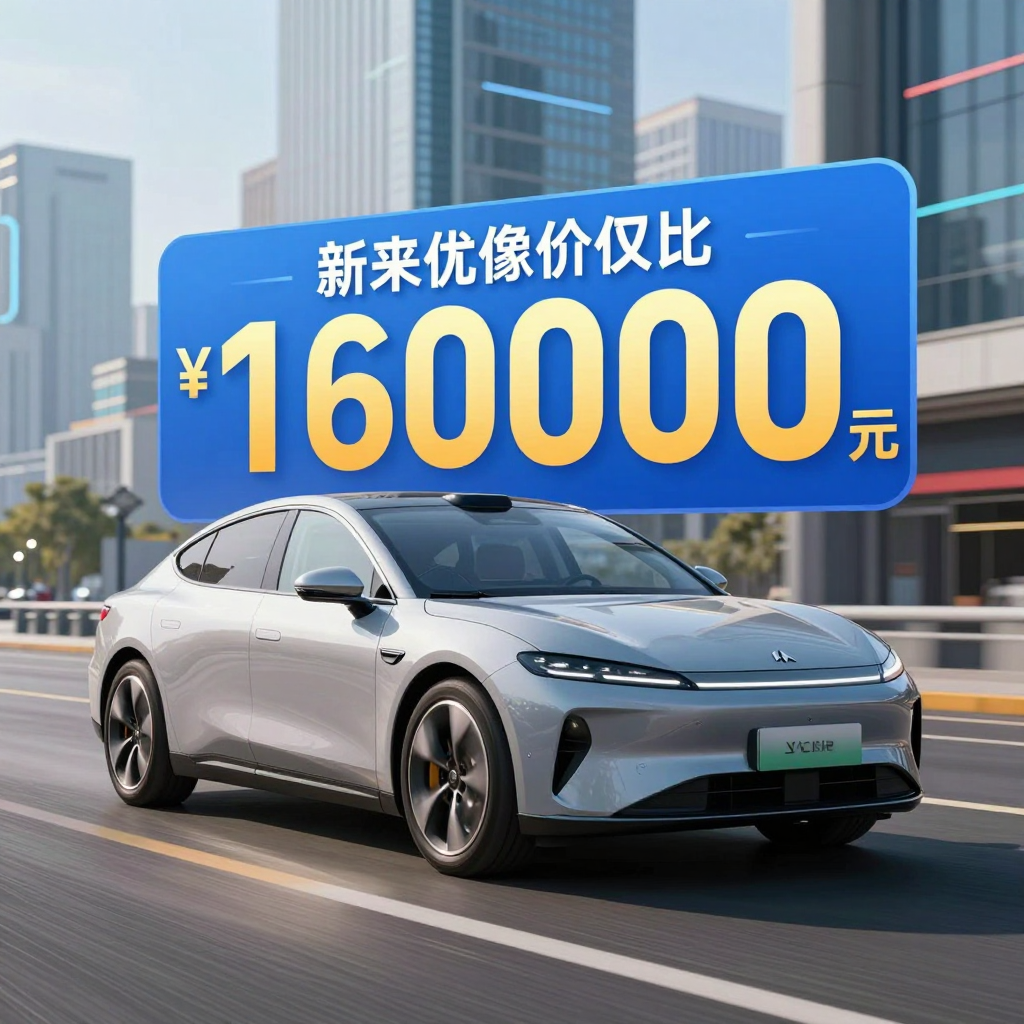
Tesla’s Surprise Price Cuts Shake Up the Electric Vehicle Market
Up to a staggering 9.4 million KRW slashed in an instant! What prompted Tesla Korea to dramatically lower its prices by the end of 2025? This massive markdown signifies far more than a simple discount.
The Jaw-Dropping Scale of Tesla’s Price Cuts
On December 31, 2025, Tesla Korea sent shockwaves through the domestic market by drastically cutting prices on its locally sold models. The magnitude of these Tesla price reductions far exceeded expectations, leaving the industry truly astounded.
The Model 3 Performance AWD plunged from 69.39 million KRW to 59.99 million KRW—a colossal 9.4 million KRW discount. The Model Y RWD dropped 3 million KRW from 52.99 million to 49.99 million KRW, and the Model Y Long Range AWD fell by 3.15 million KRW, from 63.14 million to 59.99 million KRW.
Most notably, the Model Y RWD has entered the 40 million KRW price range. When factoring in government subsidies and local incentives (approximately 4 to 5 million KRW expected in Seoul), the actual purchase price can dip to the mid-40 million KRW range. This move dramatically lowers the entry barrier into the premium electric vehicle market.
Proactive Response to Shifting Subsidy Policies
Behind Tesla’s price cuts lies a strategic reaction to changes in the government’s electric vehicle subsidy scheme. Every year, the government adjusts the maximum vehicle price eligible for 100% subsidy coverage. With the 2025 cap at 53 million KRW, the threshold is expected to tighten further in 2026.
By pricing the Model Y at 49.99 million KRW, Tesla has preemptively secured eligibility for maximum subsidies in 2026. This proactive measure goes beyond mere discounting—it’s a calculated strategy aligned with evolving government policies.
Fierce Market Share Battle in the Electric Vehicle Arena
South Korea’s EV market competition is intensifying like never before. Chinese powerhouse BYD is stepping up its presence, while Hyundai and Kia are beefing up their affordable EV lineups with models like the EV3 and Casper Electric.
In this heated contest, Tesla’s sudden price cut clearly signals an intent to defend its domestic market share. The Model Y is currently dominating cumulative sales this year, and this price move aims to solidify that lead even further. Additionally, Tesla, currently third in the imported car market, is closing in on Mercedes-Benz—demonstrating how aggressive pricing is a key part of its market share expansion strategy.
Opportunities and Risks for Consumers
For buyers, this Tesla price cut represents an undeniable opportunity. Securing a high-performance electric sedan for under 60 million KRW, and a Model Y in the 40 million KRW range, was once almost unimaginable.
However, caution is also warranted. Such sharp price decreases may cause used Tesla values to drop, affecting existing owners. Those considering future resale should weigh both purchase timing and potential impact on secondhand market value.
The Signal of 2026’s Electric Vehicle Market
Ultimately, Tesla’s surprise price cut is far from a mere sale. It’s a strategic move anticipating subsidy policy shifts and a fierce competitive landscape—aimed squarely at securing market leadership. This underscores that 2026 will see even more intense price battles in Korea’s electric vehicle sector. For consumers, this raises the stakes on timing their purchases wisely.
2. The Shocking Reality of Tesla’s Price Cuts: Model Y Enters the 40 Million KRW Range
Owning a high-performance electric vehicle for under 60 million KRW, even dipping into the mid-40 million KRW range, has now become possible. How did such a groundbreaking shift happen?
A Relentless Wave of Price Cuts
To fully grasp the scale of Tesla’s price reductions, let’s look at the specific figures for each model. The Model 3 Performance AWD dropped sharply from 69.39 million KRW to 59.99 million KRW—a staggering 9.4 million KRW decrease. Such a rare level of discount in new car pricing shocked many prospective buyers.
The Model Y RWD also saw a jaw-dropping cut, plunging from 52.99 million KRW to 49.99 million KRW, breaking into the 40 million KRW range for the first time. Meanwhile, the Model Y Long Range AWD dropped from 63.14 million KRW to 59.99 million KRW, a 3.15 million KRW reduction, proving that all popular lineups were hit with simultaneous price adjustments.
Real Purchase Price with Subsidies: Dropping to the Low 40 Million KRW Range
The true impact of Tesla’s price cuts becomes crystal clear when government subsidies are factored in. For the Model Y RWD, combining a national subsidy of around 8 million KRW with local subsidies (about 4 to 5 million KRW in Seoul) means a total subsidy benefit between 12 to 13 million KRW.
Subtracting this from the sticker price of 49.99 million KRW, the actual purchase price drops to the high 37 million to low 38 million KRW range. Owning a premium electric vehicle at this price point is a game-changer for South Korea’s EV market landscape.
High-Performance Sedans Now Reality Under 60 Million KRW
Don’t overlook the significance of the Model 3 Performance AWD pricing at 59.99 million KRW. This means a high-powered, premium electric sedan is now accessible for under 60 million KRW—completely altering the market dynamic that once only allowed multiple conventional compact sedans at this price tier.
Opportunities and Risks for New Buyers
For new buyers, Tesla’s price cuts clearly open doors. They can now purchase an electric car with proven performance and advanced technology at a much lower price point. Especially with subsidies included, owning a premium electric vehicle at a price unimaginable five years ago has become a reality.
However, for existing Tesla owners, this price reduction might bite hard as the secondhand market value could decline sharply. When new models become affordable, the premium for used Teslas may vanish. Thus, buyers should weigh not only the new car price but also the potential impact on resale value before making a decision.
Hidden Strategy: From Subsidies to Securing Market Share
Why now, and why like this? Behind Tesla’s price cuts lie changes in government subsidy policies and aggressive moves from Chinese and domestic competitors. What is the core of this strategy? To truly understand the meaning behind Tesla’s price reduction, we must examine three key hidden strategies.
Proactively Responding to Changes in Subsidy Policies
Government electric vehicle subsidy criteria are adjusted annually. If the qualifying price for a 100% subsidy was 53 million KRW until 2025, the standards are likely to become even stricter in 2026. Tesla’s price cut is the result of anticipating and preparing for these policy changes better than anyone else.
The placement of the Model Y RWD at 49.99 million KRW is proof. It is designed to keep the Model Y within the price range that can receive the maximum subsidy despite policy shifts. Including both national and local subsidies, the actual purchase price can drop to the low 40 million KRW range. This is not a simple discount—it’s a strategy embedded with a profound understanding and calculation of the policy environment.
Defending Market Share in the Domestic EV Market
The 2026 domestic electric vehicle market faces fiercer competition than ever. The full-scale Korean debut of Chinese EV giant BYD, alongside strengthened budget lineups like Hyundai’s EV3 and Kia’s Casper Electric, exemplifies this.
Currently, the Model Y leads the cumulative domestic sales by a wide margin. However, Tesla’s management is well aware that this advantage isn’t permanent. Tesla’s price reduction stems from this sense of urgency. By lowering the barrier to entry with pricing, the company clearly intends to solidify its already established market leadership. Strengthening price competitiveness can effectively deter competitors from entering the market.
Strengthening Position in the Imported Car Market
Tesla’s position in the imported car market is also significant. Currently ranked third, chasing Mercedes-Benz in second place, Tesla aims to step up its market share with an aggressive pricing policy. By maintaining a price advantage even against premium brands, Tesla strives to keep luxury electric vehicle buyers loyal to the Korean market.
Ultimately, Tesla’s price cuts represent a complex strategy that anticipates subsidy policy changes while simultaneously restraining domestic and imported competitors. It is clear that price competition in the Korean EV market will intensify in 2026, and this strategy is expected to signal the beginning of that trend.
Section 4: Consumers and Existing Tesla Owners—A Double-Edged Sword of Price Cuts
The news of Tesla’s price cuts sent ripples through the market. But not everyone is cheering. While it’s a golden opportunity for new buyers, existing Tesla owners are facing unexpected dilemmas. How should we view this two-sided situation?
New Buyers’ Perspective: An Unprecedented Window of Opportunity
For consumers considering a new purchase, this Tesla price cut translates into a real boost in purchasing power. With the Model 3 Performance dropping to around 59.99 million KRW, the chance to own a high-performance electric sedan for under 60 million KRW was previously unheard of.
What’s even more striking is the effective purchase price of the Model Y RWD. Including national and local subsidies (Seoul 기준), the cost can dip to the low 40 million KRW range, dramatically lowering the entry barrier to premium EVs. This means buyers can expect higher quality and performance at a more reasonable price—a choice many will find irresistible.
Existing Owners’ Predicament: The Shock of Falling Used-Car Values
The problem lies with those who already own a Tesla. A price cut for new vehicles inevitably triggers a drop in the resale value of used Teslas. When new car prices plummet sharply, used car market prices have no choice but to follow suit.
For example, an owner who purchased a Model 3 last year for about 69 million KRW will likely find the resale price far below what was originally expected. This isn’t just a matter of “losing value”—it’s a sharply declining asset, translating into a real financial hit for those who planned to sell or trade in their vehicles later. It hits especially hard for owners considering future upgrades or replacement plans.
Why Timing Your Purchase Has Become More Crucial Than Ever
This price adjustment signals intensifying competition in the electric vehicle market. With BYD entering Korea and Hyundai-Kia beefing up their affordable EV lineups, market rivalry is heating up, suggesting further price cuts might be on the horizon.
Therefore, if you’re considering buying an EV, it’s wise not to jump at the “lowest price now” mindset alone. Instead, take a comprehensive look at factors like government subsidy changes, competitors’ new model release schedules, and your personal vehicle needs. Rushing a decision based on price cuts alone could jeopardize your ability to maintain your vehicle’s resale value and overlook what you truly need.
Ultimately, the Choice Depends on Your Individual Situation
How you evaluate this Tesla price cut depends on your position. If you’re planning a new purchase, it’s undeniably a favorable opportunity. But if you already own a Tesla, you might want to develop a long-term holding strategy or reconsider the timing if you planned to sell.
As the EV market evolves rapidly, the smartest move is to clarify your financial plans and vehicle usage goals before making a decision.
2026: The Dawn of Intense Price Competition
The recent surprise price cut signals a major shift in the landscape of South Korea’s electric vehicle market. As price wars intensify, how can consumers prepare themselves to make smart purchasing decisions?
The Chain Reaction Triggered by Tesla’s Price Cut
Tesla’s price reduction is far more than a simple discount event. It’s a strategic move that’s reshaping the dynamics of the Korean EV market. With the Model Y now available in the 40 million won range and the Model 3 Performance dropping to 59.99 million won, rival manufacturers can no longer afford to stand by idly.
Currently, the Korean EV market is at a crossroads with three main players colliding: Tesla, which has recalibrated the balance between performance and price; Hyundai and Kia, countering with affordable models like the EV3 and Casper Electric; and Chinese brands like BYD, who have already begun penetrating the market aggressively. This signals that a fierce price competition is about to fully unfold.
Three Essentials Consumers Must Prepare For
First, closely monitor subsidy policy changes.
Tesla’s price cut is partly a preemptive response to evolving government subsidy policies. The actual purchase price in 2026 could vary significantly depending on how these subsidies are structured. It’s crucial to understand whether the current mix of national and local government subsidies will be maintained or reduced, as this will heavily influence the timing and cost of your purchase.
Second, wait and watch how competitors respond.
How Hyundai Motor Group and other global manufacturers counter Tesla’s move is key. Market restructuring triggered by Tesla’s price drop is likely to unfold over several months. If you’re not in a rush, observing competitors’ moves and snapping up the best deal when it arises is a wise strategy.
Third, be mindful of resale value fluctuations in the used car market.
Tesla owners are already facing risks related to declining used-car values. If you’re considering a new purchase, you should also factor in how well your current vehicle can retain its value. There’s always the chance of further price cuts down the line that could impact your trade-in worth.
Peering into the Future of the 2026 EV Market
Tesla’s price cut is just the beginning. The South Korean electric car market is entering an era defined by fierce price competition. A complex mix of variables—including subsidy policies, currency fluctuations, and global supply chains—will all play pivotal roles.
For consumers, the old mindset of “buy now, it’s the best time” no longer suffices. Instead, tracking policy changes, monitoring competitor strategies, and strategically timing your purchase are essential. 2026 will mark not only the maturation of the EV market but also open a window of opportunity where the savviest buyers stand to gain the most.
Comments
Post a Comment