 \n
\n
1. The Hidden Threat: The Emergence of Nipah Virus
Why has Nipah virus, first discovered in 1998 and known for causing deadly encephalitis and respiratory diseases, been sounding alarms among global health experts?
What is the Nipah Virus?
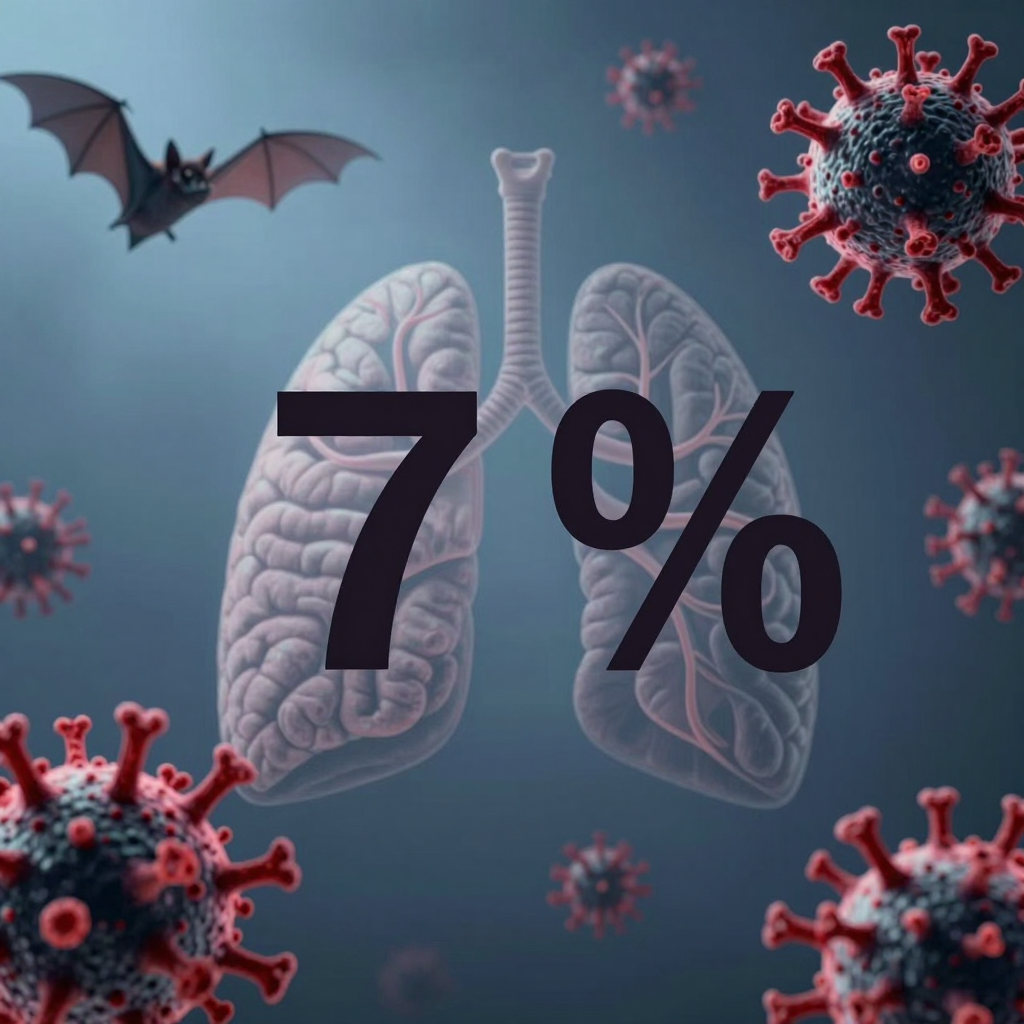
Nipah virus is a zoonotic pathogen transmitted from fruit bats, posing an extremely serious health threat to those infected. The primary reason this virus commands intense attention is its high fatality rate. With mortality reaching up to 75%, it stands among the deadliest infectious diseases, far surpassing many others in severity. This critical fact drives the World Health Organization and governments worldwide to take stringent measures in managing this disease.
Emergence and Characteristics: A Threat Since 1998
Since its emergence in 1998, Nipah virus has become one of the new infectious challenges to modern medicine. Its most dangerous feature lies in the fact that early symptoms closely mimic those of a common cold or flu. This similarity leads many infected individuals to mistake it for a simple cold and neglect symptoms, which allows the disease to advance rapidly and become far more dangerous. Initial signs such as headache, high fever, and muscle pain can escalate into encephalitis and severe respiratory illness, defining the deadly nature of Nipah virus.
Preparing for the Future
Although infectious disease experts currently consider Nipah virus to be manageable, its high fatality rate makes early diagnosis and infection prevention absolutely crucial. Staying alert to this virus and obtaining accurate information is the first vital step we can all take to protect our health.
The Deadly Truth Behind a Fatal Virus
With a mortality rate reaching up to 75%, and initial symptoms strikingly similar to the common cold—what exactly is this elusive virus?
What is Nipah Virus?
Nipah virus is a zoonotic infection transmitted from fruit bats. Since its emergence in 1998, it has captured the intense attention of international health organizations and disease experts as an extraordinarily dangerous pathogen. The illnesses caused by this virus are far from a simple cold. It triggers severe infections accompanied by encephalitis and respiratory diseases, affecting multiple organs once contracted.
The Danger of a High Fatality Rate
The most terrifying aspect of Nipah virus infection is its mortality rate soaring up to 75%. This figure dwarfs many other infectious diseases. It means that three out of every four infected individuals could lose their life—highlighting the staggering threat this virus poses.
The Trap of Early Symptoms
The most cunning feature of Nipah virus infection lies in its early symptoms. Initially, they are almost indistinguishable from typical flu-like symptoms. Fever, muscle aches, and headaches are common, causing many to dismiss the signs as a mere cold and delay seeking medical help. Missing diagnosis at this deceptively mild stage allows the disease to progress, potentially worsening into encephalitis or severe respiratory complications.
Fruit Bats: The Natural Hosts
Fruit bats serve as the natural reservoir for Nipah virus. Close contact with these bats is the primary transmission route, as the virus spreads through their secretions or excretions. Therefore, avoiding direct interaction with wildlife is the crucial first step to prevent infection.
3. Nature’s Secret Mediator: The Fruit Bat
How did the tiny fruit bat become the source of the deadly Nipah virus through mere contact?
Bats are known as natural hosts of countless viruses in the wild, and among them, fruit bats demand special attention. These nocturnal mammals live peacefully by feeding on fruit and flower nectar, yet they simultaneously carry pathogens that pose serious threats to humanity.
The Link Between Fruit Bats and the Nipah Virus
The Nipah virus resides within fruit bats, which shed viral particles into the environment. Interestingly, infected bats themselves show no severe symptoms. This is because they possess an immune system finely tuned over millions of years of adaptation as natural virus hosts.
The problem arises when the saliva, urine, or droppings of bats contaminate human food or surroundings. Indirect contact occurs when fruit bats visit orchards or forage near livestock feed, providing a pathway for the Nipah virus to invade human societies.
Infection at the Edge of Nature
As humans develop natural habitats and increase contact with wildlife, the distance between fruit bats and humans shrinks. This greatly elevates the risk of zoonotic diseases like the Nipah virus spreading.
Reported infection cases in agricultural zones overlapping with fruit bat foraging areas, especially fruit-growing regions, highlight the critical importance of prevention and early diagnosis.
4. A Message of Hope from Infectious Disease Experts: The Possibility of Managing Nipah Virus
Despite its high fatality rate, why do infectious disease experts consider Nipah virus to be "manageable"? This is not mere optimism. Behind it lie scientific evidence and practical response measures.
Reasons Why Nipah Virus Is Manageable
The fatality rate of Nipah virus, reaching up to 75%, is certainly an alarming figure. However, experts deem it "manageable" because we have a solid understanding of the virus’s transmission mechanisms.
Firstly, the transmission route of Nipah virus is clear. Being limited to zoonotic infection through fruit bats is a significant advantage in establishing prevention strategies. If the transmission path can be blocked, it means the spread of infection can be controlled accordingly.
Secondly, the emphasis on early symptom recognition has made prompt diagnosis possible. Knowing that early Nipah virus symptoms resemble common flu-like illness has enabled us to refine surveillance systems and testing protocols with greater precision.
Experts’ Conditional Optimism
The message from infectious disease experts is clear: Nipah virus is preventable, detectable early, and containable through isolation. This assessment is based on over 25 years of experience and data since its first appearance in 1998.
Therefore, more important than the high fatality rate is individual vigilance and a robust societal response system. Experts’ confidence in our ability to win the fight against Nipah virus is well founded and trustworthy.
Section 5. Prevention and Early Diagnosis: Finding the Answers of the Future
What is the best way to prevent Nipah virus infection? Discover why prevention and rapid diagnosis are more crucial now than ever before.
Why Prevention Comes First
With a staggering mortality rate of up to 75%, Nipah virus makes proactive prevention absolutely essential—treatment after infection is far less effective. Avoiding direct contact with fruit bats is the most fundamental preventive measure, significantly lowering the risk of infection.
Moreover, exercising caution near wildlife habitats and maintaining strict hygiene for foods or items that may have been contaminated by fruit bats are vital. Remember, small everyday precautions collectively become powerful shields against the spread of disease.
The Vital Importance of Early Diagnosis
Nipah virus symptoms often mimic common flu or body aches, making early diagnosis critical and potentially life-saving. If you experience persistent high fever, headaches, muscle pain, along with respiratory issues, it’s imperative to seek medical evaluation immediately.
Prompt diagnosis allows for immediate isolation and appropriate medical intervention, not only boosting individual recovery chances but also preventing wider community transmission. Careful attention to your health is ultimately your strongest defense.
Expert Assessments on the Current Status
Infectious disease experts consider Nipah virus a manageable threat when met with proper awareness and action in prevention and early diagnosis. This means we can effectively curb the disease’s spread through informed and timely measures.
With today’s scientific knowledge and medical technology, 'coexisting' with Nipah virus is far from an unattainable goal. Through individual vigilance, community cooperation, and systematic government management, we can build a safer future against this infectious threat.
Comments
Post a Comment