Escalating Iran Nuclear Conflict Due to Israel's Preemptive Strike: Crisis of Full-Scale War and Economic Consequences
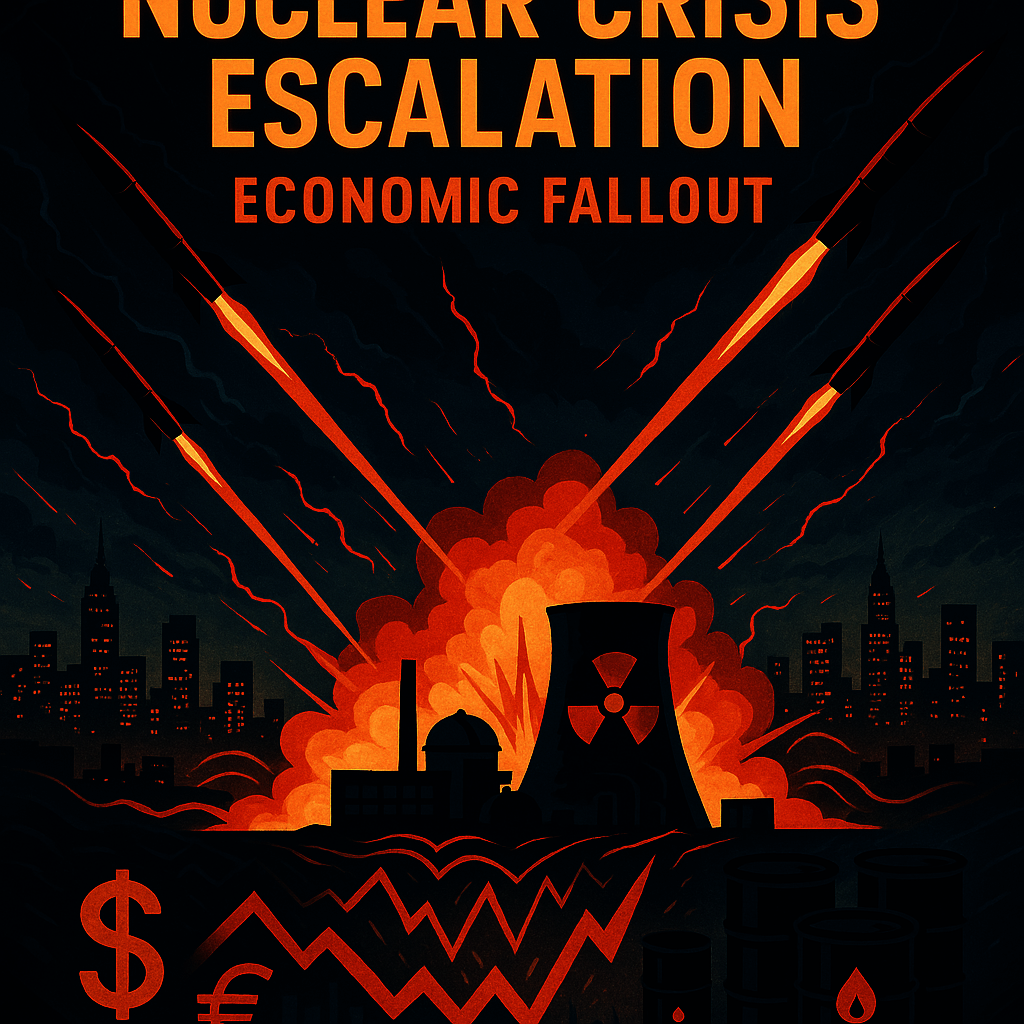
Bombing That Awoke the Dawn: Israel-Iran Conflict—Why Is the Middle East on the Brink?
On June 13, 2025, a midnight air raid siren sent shockwaves through global stock markets and diplomatic circles. Israel’s sudden strike on Iran’s nuclear facilities—what secret lies at the heart of this daring assault?
Operation 'Roaring Lion': Israel’s Lightning Strike
Through Operation 'Roaring Lion,' the Israeli Air Force precisely targeted multiple nuclear sites, including Iran’s Natanz uranium enrichment facility. This was not just a military attack—it was a momentous event shaking the very balance of power in the Middle East.
The Hidden Card: Trump’s Statement and America’s Silent Endorsement?
Just before the strike, former U.S. President Donald Trump stated, "Israel may attack Iran." Was this a mere coincidence? Questions arise about U.S. tacit approval, revealing the complex international dynamics fueling the Israel-Iran conflict.
Piercing the Core Question: Why Now?
The Shadow of Failed Negotiations: This attack followed five failed U.S.-mediated negotiations. Does it mark a diplomatic dead end or the dawn of a new negotiation phase?
The Reality of the Nuclear Threat: How advanced have Iran’s uranium enrichment efforts truly become to provoke such a severe Israeli response?
The Direction of Regional Hegemony: How will this crisis reshape the Middle East’s power structure? The reactions of neighboring states like Saudi Arabia and the UAE are closely watched.
The World Watches Closely: Iran’s Retaliation Move
Iran has vowed revenge for the deaths of senior military leaders and nuclear scientists, even hinting at possible strikes on U.S. military bases. Signs point to the troubling possibility of an all-out war. What will Iran’s next move be?
This dangerous chess game between Israel and Iran transcends bilateral conflict, striking directly at global security and economics. Rising oil prices and volatile stock markets are only the beginning of the fallout. What awaits at the end of this mounting tension? We must vigilantly watch the moves that will determine the fate of the Middle East.
Uncompromising Shadows: The Inevitable Clash Between Israel and Iran
Where did the relationship between Israel and Iran, marked by over a decade of relentless confrontation and finally erupting into armed conflict, go wrong? We delve into the background of preemptive strikes and the hidden significance behind recent military operations.
The Nuclear Dilemma and the Battle for Survival
The conflict between Israel and Iran has evolved beyond a simple regional dispute into a life-or-death showdown. Iran’s nuclear development program has emerged as an existential threat to Israel, which has mobilized every possible means to halt it.
Despite the 2015 JCPOA agreement, Iran’s uranium enrichment activities continued, deepening Israel’s suspicions. Ultimately, Israel made the extreme choice to strike the Natanz uranium enrichment facility through Operation “Rising Lion.”
A Geopolitical Chess Game
Behind the Israel-Iran conflict lies a tangled web of interests vying for dominance in the Middle East. Iran seeks to expand its influence via the Shiite belt, while Israel counters this by improving relations with Arab nations to check Tehran’s reach.
The role of the United States is also a critical factor. Former President Trump’s remarks were interpreted as tacit support for Israeli attacks, raising the possibility of internationalizing the conflict.
A Vicious Cycle of Tension and Retaliation
With Israel’s preemptive strikes resulting in the deaths of senior Iranian military officials and nuclear scientists, tensions between the two countries have soared to new heights. Iran’s threats of retaliation cast a shadow of war over the entire Middle East.
This vicious cycle shows little sign of resolution in the near term. Both Israel’s security anxieties and Iran’s national pride are on a collision course, leaving neither side willing to back down.
The Difficult Path Toward Peace
The confrontation between Israel and Iran transcends a bilateral conflict—it has become a litmus test for global peace. In the face of the challenges of nuclear proliferation and regional stability, the international community’s mediation efforts are desperately needed.
However, at present, finding a foothold to resume negotiations looks daunting. Israel’s attacks have only hardened Iran’s hardline stance. The world must closely watch what choices both nations make next and how those decisions will reverberate across the Middle East and beyond.
Israel-Iran Conflict: Ripple Effects on the Global Economy and Allied Nations
As the Middle East crisis ignites, oil prices have surged, and Samsung’s stock has started to fluctuate wildly. An economic security meeting was urgently convened by the President of the Korean Peninsula—the fallout from the Israel-Iran war is shaking not just regional stability but the everyday lives of people worldwide.
Turmoil in the Oil Market and Global Economic Shocks
Following Israel’s strike on Iran’s nuclear facilities, the Middle East situation has become highly volatile, triggering a sharp rise in international oil prices. Concerns over a blockade of the Strait of Hormuz and possible Iranian retaliation have propelled Brent crude past $100 per barrel. This surge intensifies global inflationary pressures and raises fears of an economic downturn.
South Korea’s Economic Crisis Response
President Lee Jae-myung summoned an emergency economic security meeting to devise countermeasures addressing rising oil prices and the impact on exporting companies. Special focus is on safeguarding the export routes to the Middle East for major firms like Samsung Electronics and Hyundai Motor, with contingency plans underway. Tackling the surge in import prices due to the rising won-dollar exchange rate is also a pressing challenge.
Turbulence in Global Stock Markets
The escalation of the Israel-Iran conflict has triggered declines across major global stock markets. Heightened uncertainty has fueled a flight to safety, driving gold prices up and strengthening the US dollar. Conversely, energy sector stocks are rallying on expectations of higher oil prices, deepening the polarization within markets.
Allied Nations’ Crisis Management
While the United States officially states it is not engaged directly in Israel’s attack, it has intensified security around its military bases in the Middle East. NATO allies are convening emergency meetings to explore collective response strategies, with particular attention on the roles of key regional players like Turkey.
Energy Security and the Search for Alternative Supply Chains
The Israel-Iran conflict has spotlighted the instability of Middle Eastern oil supplies, prompting countries worldwide to boost energy security. The European Union is accelerating efforts to reduce dependence on Russian energy, while South Korea and Japan are expanding strategic reserves and diversifying energy imports beyond the Middle East.
The Israel-Iran conflict extends far beyond a regional dispute, profoundly impacting the global economic and security landscape. Governments and corporations are developing multifaceted strategies to navigate a potentially prolonged crisis, as international diplomatic efforts persist. With the world economy’s landscape poised for significant shifts depending on how the situation unfolds, tensions are mounting globally.
Future Amidst Flames: The Israel-Iran Conflict and the Possibility of a New Middle East Map
With Iran’s warning of ‘retaliation,’ the United States’ shadowy response, and the potential mediation by Saudi Arabia and the UAE… Is the possibility of World War III not just a fear, but a scenario inching closer to reality? We forecast the unpredictable direction of the international community over the next one to two weeks.
The Shadow of Nuclear War
Since Israel’s strike on Iran’s nuclear facilities, the Middle East has been on the brink of an explosive crisis. Iran has promised immediate retaliation, and this is far from a mere threat—it is highly likely to translate into real action. Especially if Iran targets US military bases or critical maritime routes, international intervention will become inevitable.
America’s Role and Responsibility
Attention is focused on the US stance, particularly following former President Trump’s statements. Officially, the US denied involvement in Israel’s attack, yet suspicions of tacit approval have surfaced. The course of the Israel-Iran conflict could shift dramatically depending on how the US chooses to respond.
The Birth of a New Middle East Map?
This crisis could disrupt the balance of power in the Middle East significantly. The positions of Arab countries such as Saudi Arabia and the UAE are set to be crucial variables. Whether they step in as mediators or throw their support behind one side could lead to the emergence of new alliances.
Impact on the Global Economy
The rise in oil prices and increased volatility in energy-related stocks have already begun. Should the Israel-Iran conflict prolong, the repercussions on the global economy could be beyond imagination. Countries heavily reliant on energy imports, like South Korea, are grappling with emergency measures.
The coming one to two weeks may mark a pivotal period capable of altering the course of world history. The next moves by Israel and Iran, alongside the reactions of the international community, are capturing global attention. Caught between the risk of nuclear war and the birth of a new Middle Eastern order, we may well be witnessing a historic turning point.
The Israel-Iran Conflict: The Last Choice for Peace
The conflict between Israel and Iran carries significance beyond a mere border dispute. This crisis poses a fundamental question to us: "What kind of tomorrow do we want?" In these opposing scenarios, what impact will each country's choices have on our lives?
Seeking Peaceful Solutions
Diplomatic Mediation: The international community must actively intervene to establish direct dialogue channels between Israel and Iran. Efforts to narrow differences through mediation by the UN Security Council or neutral countries are essential.
Gradual Easing of Economic Sanctions: Considering the phased relaxation of economic sanctions on Iran while demanding greater transparency of its nuclear program can serve as a tangible incentive to bring Iran back to the negotiating table.
Formation of a Regional Security Cooperative: Establishing a comprehensive security cooperation body involving Middle Eastern nations is necessary to alleviate security fears between Israel and Iran and to build mutual trust as a long-term approach.
The Key to Resolving the Conflict
The resolution of the Israel-Iran conflict is not simply a matter between two countries. It requires the wisdom, resolve, and steadfast commitment to peace of the international community. The future we choose must be a light of mutual understanding and cooperation, not a shadow of war.
Finding peaceful solutions will not be easy, but it is the only path we must pursue. The journey toward peace that Israel, Iran, and the global community will create together must begin now. Reflecting on the legacy our choices will leave to future generations, the time to make a decisive commitment to peace is this very moment.
Comments
Post a Comment