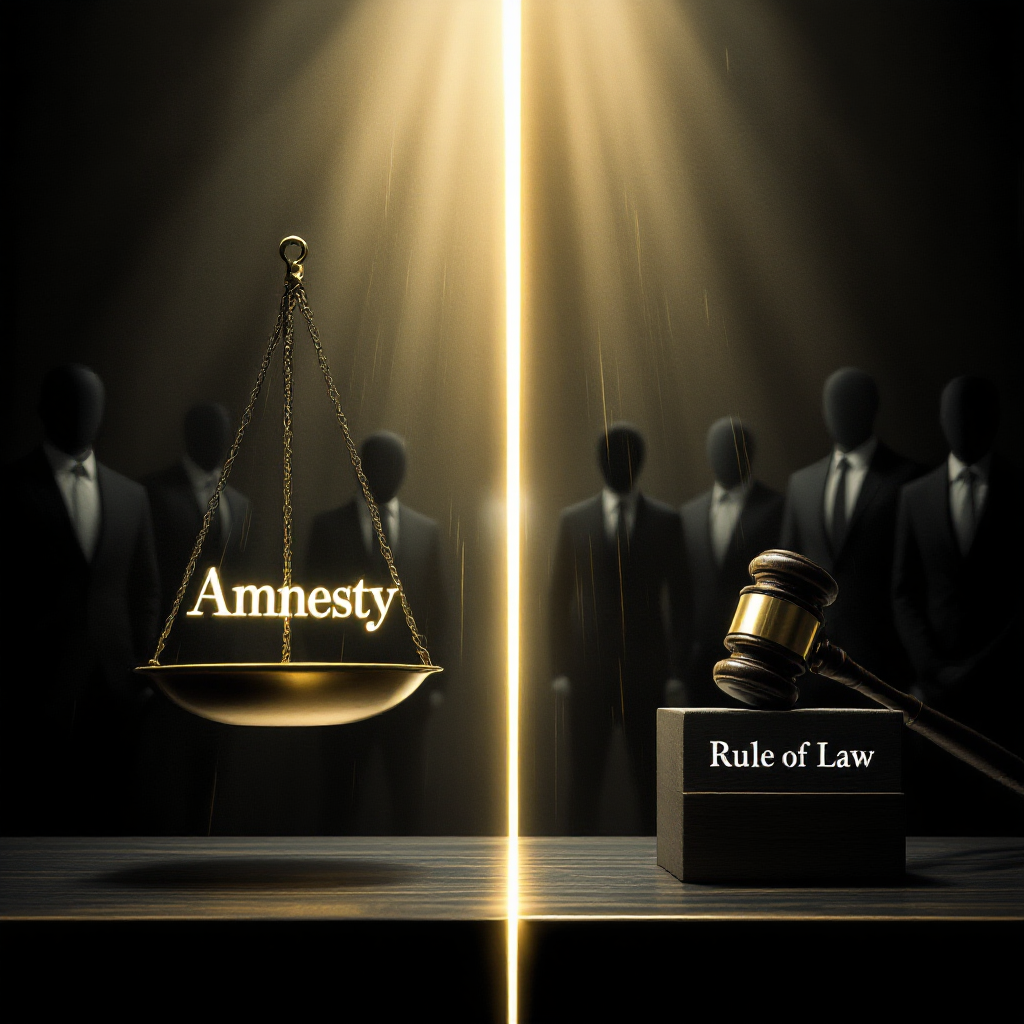
Heated Controversy Ahead of Liberation Day: The Beginning of Cho Kuk’s Pardon
On August 11, 2025, the Korean political scene is buzzing. President Lee Jae-myung has convened an extraordinary Cabinet meeting, bringing the issue of pardoning former Minister of Justice Cho Kuk back to the forefront of political discourse. Aren’t you curious why this pardon isn’t just a legal matter but a pivotal turning point in political history?
The controversy surrounding Cho Kuk’s pardon has emerged as a profound issue shaking the very foundations of Korean society, for the following reasons:
Political Symbolism: Former Minister Cho represents the prosecution reforms championed by the Moon Jae-in administration. His pardon carries more than just legal weight—it sends a powerful political message.
Challenge to the Rule of Law: It could be seen as the executive branch overturning judicial rulings, raising concerns about the separation of powers and the integrity of the rule of law.
Intensifying Public Conflict: Debates for and against Cho Kuk have already revealed deep fissures within Korean society. The pardon risks deepening these societal divides.
Political Calculations: The timing of this pardon discussion, just before Liberation Day, fuels suspicions of political maneuvering.
President Lee Jae-myung’s decision will be a critical milestone shaping the future trajectory of Korean politics. Should the pardon be granted, it will transcend the fate of a single individual and become a landmark event influencing the future of Korean democracy itself.
As all eyes turn to this fiery controversy, we face a crucial moment to reflect deeply on the choice between upholding the rule of law, delivering justice, and pursuing national unity.
Background and Hidden Political Shadows Behind the Pardon Push: The Hidden Side of Cho Kuk’s Pardon
The rapid-fire discussion around Cho Kuk’s pardon conceals the president’s strategic calculations and an attempt to separate politics from policy. With a list of pardon candidates heavily featuring pro-Moon figures, what political message is truly being conveyed?
The Background of the Swift Decision: A Strategy to Separate Politics and Policy
President Lee Jae-myung’s swift move to pardon former Justice Minister Cho Kuk seems to involve several strategic considerations.
Minimizing Controversy: Prolonged debate over the pardon could weaken the administration’s overall momentum. By acting quickly, it appears aimed at minimizing this fallout.
Enhancing Policy Focus: Returning from vacation, the president intends to focus on pressing national issues, such as eliminating industrial accident deaths. Resolving Cho’s pardon separately and swiftly helps prevent the dilution of key policy messaging.
Easing Political Burden: A prompt decision shortens the duration of political controversy surrounding Cho’s pardon, thereby reducing the political strain on the government and ruling party.
Political Implications of Expanding Pardon Candidates
Beyond Cho Kuk, pro-Moon politicians like Yoon Gun-young and Baek Won-woo are also reportedly included in the pardon list. This goes beyond mere personal clemency, carrying significant political undertones.
Attempt at Political Reconciliation: Including many pro-Moon figures signals an effort to reconcile politically with past administrations.
Strengthening Support Base: By embracing the pro-Moon faction, the ruling party seems to aim for broadening and solidifying its political foundations.
Framing a Justice Narrative: As lawmaker Chu Mi-ae contends, this could be seen as an attempt to “correct a judiciary that has abandoned justice” through this pardon.
The Political Risks of Cho Kuk’s Pardon
However, this political maneuver, including Cho’s pardon, carries considerable risks.
Undermining Rule of Law Controversy: Opposition parties like the Justice Party strongly criticize this move as violating the principle of “equality before the law.”
Deepening Public Opinion Divides: Cho’s pardon is already a cause of intense social conflict. Forcing it through could further polarize public opinion.
Political Boomerang Effect: While it may temporarily rally the ruling party’s base, in the long run, controversies over undermining the rule of law risk alienating moderate voters, potentially backfiring politically.
These political calculations and risks surrounding Cho Kuk’s pardon are expected to significantly influence the future political landscape in South Korea. Under the banner of national unity, the outcome of this pardon remains a crucial development to watch closely.
The Heated, Polarized Debate Over Cho Kuk’s Pardon: The Clash Between Justice and the Rule of Law
Supporters argue for national unity and the realization of justice, while opponents vehemently counter with concerns over the erosion of the rule of law and suspicions of political bargaining. What truths do these two starkly opposed views really hold? Let’s delve into the underlying conflict.
Supporters’ Logic: National Unity and the Realization of Justice
Those in favor of pardoning Cho Kuk present three main arguments:
The Need for National Unity: This pardon is seen as a measure to heal political rifts and social divisions. They claim it can resolve the entrenched polarizations deepened by the Cho Kuk controversy and pave the way toward new political consensus.
Political Legitimacy: They highlight Cho Kuk’s role as the chief architect of prosecutorial reform during the Moon Jae-in administration. His pardon symbolizes continuity in reform and serves as compensation for the political sacrifices made during the process.
Supplementing Judicial Judgment: Echoing MP Chu Mi-ae, they argue that if a judicial ruling is deemed unjust, the president’s pardon power can serve as a corrective mechanism, enabling a higher form of justice to be realized through clemency.
Opponents’ Concerns: Erosion of the Rule of Law and Suspicions of Political Deal-Making
Critics of Cho Kuk’s pardon raise the following serious issues:
Erosion of the Rule of Law: The Justice Party warns that abuse of pardoning power fundamentally undermines the principle of ‘equality before the law.’ Selective pardoning for a specific politician threatens to destabilize the very foundation of legal governance.
Lack of Objective Standards: They point out the absence of clear criteria and public consensus in the decision-making process, which could weaken the legitimacy of exercising pardon powers.
Suspicions of Political Bargaining: There are allegations that the pardon may be driven by political calculations, reflecting fears that pardon powers could degrade into mere political tools.
The Core of the Conflict: The Dilemma Between Justice and the Rule of Law
At the heart of the Cho Kuk pardon controversy lies a clash between two core values: ‘justice’ and ‘the rule of law.’ Supporters argue that the pardon is necessary to realize a higher form of justice, while opponents warn it may come at the expense of undermining the rule of law.
This conflict transcends the individual case of Cho Kuk, posing a fundamental question about the prioritization of values that Korean society must confront. Between justice and the rule of law, which path should we choose? This will remain a profound challenge for Korean society to resolve going forward.
The Political and Social Repercussions of Cho Kuk’s Pardon and Future Prospects
The controversy surrounding the pardon of former Minister of Justice Cho Kuk is heating up the political arena. The impact of this decision is expected to extend far beyond the fate of a single individual, deeply influencing Korean society as a whole. Will the pardon strengthen the unity within the ruling party, or ignite fierce backlash from the opposition? Moreover, could it become a decisive factor that shakes up the landscape of next year’s local elections? All eyes are on this unfolding drama.
Shifts in the Political Landscape
If Cho Kuk’s pardon is granted, it may temporarily bolster cohesion within the ruling party, particularly consolidating support among pro-Moon Jae-in factions. However, it cannot be ruled out that differences of opinion will surface among reform-minded lawmakers within the party.
On the other hand, the opposition is likely to seize this opportunity for a vigorous offensive. Framing the issue as an “undermining of the rule of law,” they are expected to apply intense pressure on the government and ruling party. This could further deepen conflicts between the parties, affecting overall governance in the months to come.
A Game-Changer for the 2026 Local Elections
The pardon is also anticipated to significantly influence next year’s local elections. For the ruling party, it could help rally their base and secure an advantageous position in certain regions. However, if moderate voters react negatively, it might instead lead to a shift away from their camp at the ballot box.
Public Trust and Social Strife
There is growing concern that Cho Kuk’s pardon could erode public trust in the rule of law. Should the perception that the principle of “equality before the law” is compromised take hold, widespread distrust of the judicial system may follow.
Moreover, the controversy surrounding the “Cho Kuk case,” which has already sown sharp societal divisions, risks reigniting tensions. This dispute could deepen fractures across generations, ideologies, and regions, far surpassing mere political rivalry.
The Future of the Pardon System
The debate over Cho Kuk’s pardon is raising fundamental questions about the legitimacy of the special pardon system itself. If the power of pardon is seen as being abused for political purposes, negative public sentiment could mount against truly necessary pardons in the future.
Ultimately, the Cho Kuk pardon issue demands a profound reflection on balancing justice and societal unity in South Korea, beyond mere political calculus. The repercussions of this decision will serve as a pivotal turning point, shaping the future of Korean democracy far beyond immediate political dynamics.
5. Amnesty: Navigating the Precarious Boundary Between Justice and Power
The controversy surrounding the amnesty for Cho Kuk poses profound questions to our society. How can an amnesty truly achieve national unity and the realization of justice? This issue transcends a mere legal matter, delving into the complex exploration of the delicate boundary between justice and power.
The right to grant amnesty is an exclusive presidential prerogative, yet its exercise demands caution. The amnesty for former Minister Cho Kuk is especially sensitive, intertwined with the critical social issue of prosecutorial reform. While a politically motivated amnesty might strengthen short-term unity within the ruling party, it risks long-term consequences such as erosion of trust in the rule of law and heightened social conflict.
What transparent standards can prevent abuse of power and foster social consensus? Firstly, objective and fair criteria must guide the selection of amnesty candidates. Secondly, the transparency of the amnesty process is paramount. Thirdly, wide-ranging social dialogue and consensus-building must precede any decision.
As Liberation Day approaches, we are called to reflect on the true meaning of 'liberation.' Amnesty must not be wielded as a mere political tool but should serve as a means for social integration and the achievement of justice. This reflects a mature democracy founded on a balance of power, respect for the rule of law, and the trust of the people.
Ultimately, the issue of Cho Kuk’s amnesty serves as a litmus test for how mature our democracy truly is. By navigating this challenge wisely, we can realize the true spirit of liberation.
Comments
Post a Comment