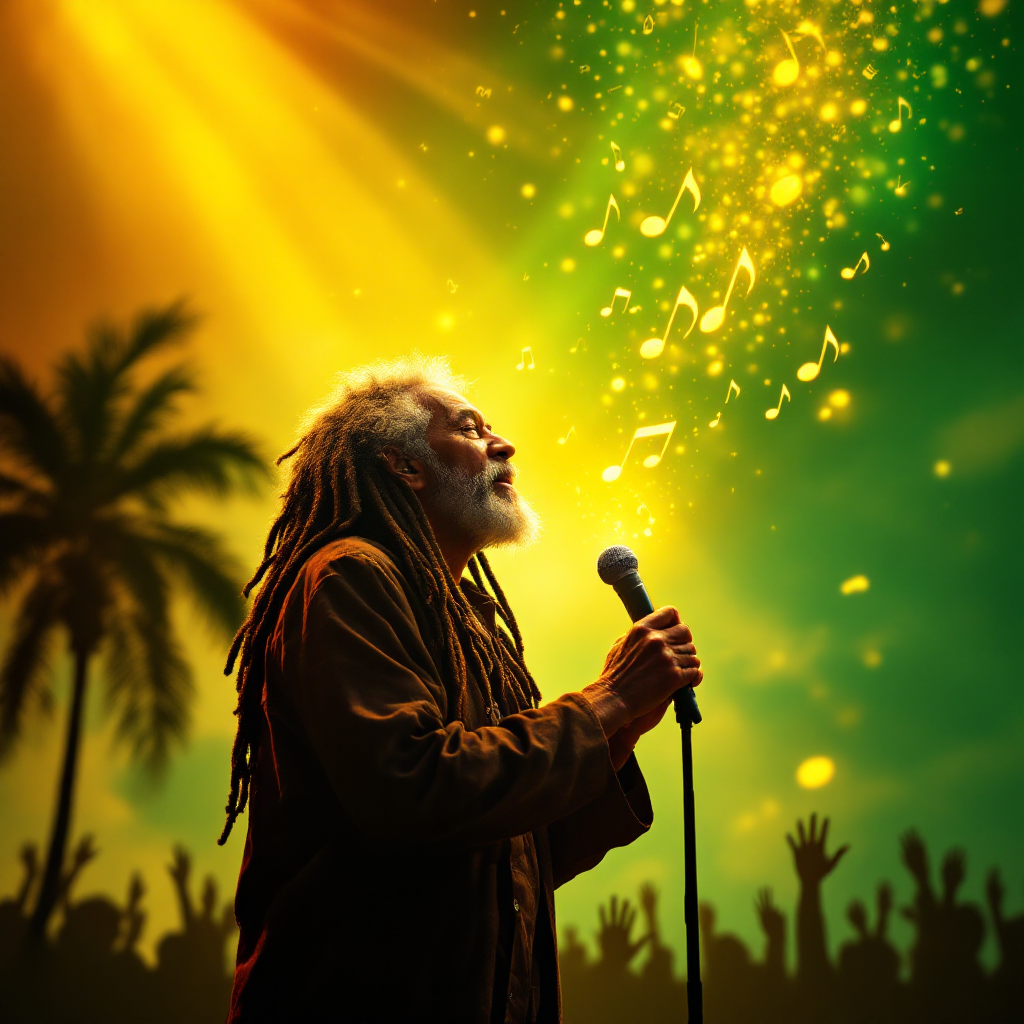
The Legend of Reggae, Jimmy Cliff’s Final Journey: Has the Era of Music Singing Freedom Ended?
Jimmy Cliff, the reggae maestro who passed away at 81, leaves us wondering: is his death just an end, or a new beginning for an era that sang of freedom? On November 24, 2025, the official statement from his spouse, Latifa Chambers, stopped the hearts of music lovers worldwide and opened a new chapter in reggae history.
Jimmy Cliff, the Pioneer Who Took Reggae to the World, Bids Eternal Farewell
Jimmy Cliff was more than a musician. He was a true cultural revolutionary who lifted reggae from a local Jamaican sound to a global stage. Tributes poured in from American media, underscoring this undeniable truth.
ABC News hailed him as "a pioneer of reggae," while the Rock & Roll Hall of Fame, inducting him in 2010, honored him as "the shepherd of reggae’s smooth, sun-drenched sound traveling around the world." The LA Times emphasized his role as "the figure who paved the way for Bob Marley’s international success," suggesting that modern reggae’s worldwide stature would not have been possible without Jimmy Cliff.
A Bond with America Forged in ‘The Harder They Come’
The 1972 film The Harder They Come was no ordinary movie. It marked the historic moment reggae broke into American mainstream culture.
Starring Jimmy Cliff himself, whose authentic performance drew on his own experiences growing up in Jamaican slums, the film’s title track “The Harder They Come” soared to number 13 on the Billboard charts. This hit acted as a catalyst for reggae’s rise within the U.S. popular music scene. As the Grammy Awards highlighted, his acting was no mere artistry—it was raw life experience turned into compelling performance.
Achievements in the U.S. Music Scene: Grammys and Hall of Fame Induction
Jimmy Cliff’s stature in American music is crystal clear through his major accomplishments:
- 2010 induction into the Rock & Roll Hall of Fame: Becoming the second Jamaican, after Bob Marley, to receive this honor
- Two Grammy wins: Best Reggae Album in 1986 and 2013, with a total of seven nominations
- Classic hits: “Many Rivers to Cross” not only enjoyed widespread popularity in 1970s America but continues to appear in music videos and drama soundtracks today
Notably, at the 2010 induction ceremony, Wyclef Jean described Jimmy Cliff as “not just a musician, but a cultural revolutionary,” perfectly capturing how American music circles regarded him.
His Message Singing Freedom: The Heartbeat of American Social Movements
Jimmy Cliff’s music transcended entertainment to become a spiritual force within American society, thanks to its messages of freedom and human rights.
In the 1970s, civil rights activists frequently embraced his songs, and decades later, during the 2020s Black Lives Matter movement, his music was often echoed once more. This continuous relevance after 50 years testifies to the undying spirit within his lyrics.
In the modern age, the TikTok generation’s rediscovery of “Many Rivers to Cross” forges a fresh connection with new audiences. This proves Jimmy Cliff’s music is not just a relic of the past but a living, breathing source of inspiration that still resonates today.
2. The Pioneer Who Led Reggae to the World: Jimmy Cliff's Journey into the U.S. Market
In 1972, a single film sparked a revolution in the American music scene. That film was the Jamaican movie The Harder They Come. More than just a box office hit, it marked a historic turning point as reggae music made its formal breakthrough into American popular culture. At the heart of this movement was Jimmy Cliff.
Jimmy Cliff's Film Debut: The Birth of Authentic Acting
Jimmy Cliff took on the role of protagonist Ivan Martin in The Harder They Come. But his involvement went beyond simply acting. According to the Grammy Awards’ assessment, Jimmy Cliff brought his character to life with authenticity grounded in his real-life experiences growing up in Jamaica's impoverished neighborhoods. Having personally witnessed and endured the street culture dominated by crime, violence, and survival instinct, his performance radiated undeniable authenticity.
This genuineness deeply resonated with American audiences. Jimmy Cliff’s portrayal felt less like acting and more like a testimony to life itself, vividly conveying the harsh realities of a distant land called Jamaica to viewers in the U.S.
The Title Track “The Harder They Come”: Conquering the Billboard Charts
The film’s success was propelled by its soundtrack. The title track, sung by Jimmy Cliff himself, reached number 13 on the U.S. Billboard charts. This marked one of the earliest instances of reggae music breaking into the American mainstream charts.
The lyrics carried even more power:
"But I'd rather be a free man in my grave / Than living as a puppet or a slave."
These words perfectly echoed the spirit of the 1970s American civil rights movement. Black activists embraced the song as a symbol of their struggle, while Jimmy Cliff’s soaring vocals and vibrant stage presence delivered a completely new musical experience to American ears.
Assessment by the American Music Industry: “The Pioneer of Reggae”
Following the film’s release, major U.S. media outlets such as ABC News and the LA Times began referring to Jimmy Cliff as the “first champion” of reggae. The LA Times in particular highlighted him as a figure who “helped popularize reggae and paved the way for later stars like Bob Marley.”
When Jimmy Cliff was inducted into the Rock and Roll Hall of Fame in 2010, he was hailed as the “shepherd of reggae,” credited with spreading reggae’s smooth, sun-drenched sound across the globe. This recognition affirmed his role not just as a musician but as a cultural ambassador.
Establishing the Foundation for Reggae Scenes Across the U.S.
After The Harder They Come in 1972, change swept across America. Reggae clubs started opening in major cities like New York, Miami, and Los Angeles, transforming reggae from merely Jamaican music into a truly American musical force.
Jimmy Cliff’s breakthrough into the U.S. was pivotal in shaping this cultural ecosystem. Music experts agree that without him, Bob Marley’s international success would have been far more difficult to achieve. Jimmy Cliff was not just a hit-maker; he was a trailblazer who reshaped America’s musical landscape.
Completing the Globalization of Reggae
Another iconic Jimmy Cliff song, “Many Rivers to Cross,” quickly became a classic in the U.S. It has been covered numerous times and featured in film and television soundtracks, cherished across generations. In the 2020s, even the TikTok generation rediscovered the track, proving how timeless Jimmy Cliff’s music truly is.
Jimmy Cliff’s story of breaking into America is far more than a tale of musical success. It’s a story of how one culture spread to another and how music transcends language and geographical boundaries. The waves made by that one 1972 film continue to ripple to this day.
The Shining Legacy of Jimmy Cliff in the American Music Scene
Two-time Grammy winner, Rock and Roll Hall of Fame inductee, and countless hit songs—what is the real secret behind Cliff's profound influence on the American music world? The answer goes beyond mere musical achievements; it lies in his authentic message that transformed an entire generation’s culture.
Jimmy Cliff’s Breakthrough in America and a Historic Turning Point
Jimmy Cliff’s entry into the American music scene reached a pivotal moment with the 1972 film The Harder They Come. This film was far more than just a movie—it was Jamaica’s first international hit and marked the official arrival of reggae into American popular culture.
The title track, "The Harder They Come," climbed to number 13 on the U.S. Billboard charts, delivering an entirely new musical experience to American audiences. Even more fascinating is that Cliff acted based on his own real-life experience in Jamaican slums during filming. This wasn’t mere acting—it was a genuine expression rooted in authenticity that deeply resonated with American viewers.
Grammy Awards and Rock Hall: Leaving an Indelible Mark on American Music History
Jimmy Cliff proved his worth on America’s most prestigious music stages. When inducted into the Rock and Roll Hall of Fame in 2010, he earned the honor as the second Jamaican artist after Bob Marley to receive this distinction. At the ceremony, Wyclef Jean introduced him as “not just a musician but a cultural revolutionary,” highlighting the deep respect he commands within the U.S. music industry.
His Grammy accolades tell the same story. Cliff took home the Best Reggae Album award twice—first in 1986 for Cliff Hanger and again in 2013 for Rebirth. With a total of seven nominations, his ongoing influence and active presence in the American music scene are clearly undeniable.
“Many Rivers to Cross”: A Defining Song That Captivated America
Jimmy Cliff’s “Many Rivers to Cross” transcended being just a song to become a part of American culture. When it topped U.S. charts in the 1970s, it heralded the arrival of a groundbreaking musical genre. Now a classic, the song has been repeatedly featured as a soundtrack in films and TV dramas over decades. In the 2020s, a new generation on TikTok rediscovered the song, forging a fresh connection across time.
This is undeniable proof of music’s timeless power. Cliff’s songs retain their message across generations, growing even more profoundly resonant.
American Music Experts’ Praise: “A True Icon Leading Reggae’s Globalization”
American music critics have spotlighted Cliff’s distinctive style. His high-pitched vocal tone and animated onstage presence offered U.S. audiences an entirely original experience. ABC News branded him “a reggae pioneer,” the LA Times credited him with popularizing reggae in the American music market, and CBS News emphasized, “His cinematic contributions helped elevate Jamaican music into global popular culture.”
Notably, most American experts agree: “Without Cliff, Bob Marley’s international success would have been far more difficult.” This analysis reveals that Jimmy Cliff was not a mere follower but a trailblazing pioneer who carved the path for reggae music worldwide.
Establishing the Cultural Foundation of Reggae in America
One of Jimmy Cliff’s greatest achievements is laying the groundwork for the reggae scene across America. After his emergence in the 1970s, reggae clubs began popping up nationwide, deeply rooting this culture particularly in major cities like New York, Miami, and Los Angeles. Without this cultural foundation, America’s current musical diversity simply would not exist.
Even more fascinating is that many contemporary American reggae artists cite Jimmy Cliff as their mentor. This shows that his influence spans beyond the past, continuing as a vibrant cultural legacy today. Recently, there has been active cultural exchange with American artists traveling to Jamaica to learn from Cliff’s music and philosophy—further testifying to his lasting impact.
The Spiritual Legacy Jimmy Cliff Left in America
Jimmy Cliff’s music has maintained its relevance amidst social change in America. The iconic lyrics from "The Harder They Come"—“But I’d rather be a free man in my grave / Than living as a puppet or a slave”—were closely tied to the civil rights movements of the 1970s and have been frequently cited during the Black Lives Matter era. This proves his music is a timeless work singing universal truths beyond mere entertainment.
Another of his famous lines, “You can get it if you really want,” has become a mantra inspiring Americans to pursue their dreams. This message, deeply embedded in American culture, embodies everything Jimmy Cliff sought to convey through his music. His legacy continues beyond death—moving, inspiring, and provoking thought within American society for generations to come.
The Social Changes and Cultural Legacy Sparked by the Song of "Freedom"
How Jimmy Cliff's Music Became a Symbol of the American Civil Rights Movement
The lyric from 'The Harder They Come'—"I'd rather die trying to be free"—goes beyond mere words. When this song was released in the 1970s, America was entering a new phase of the Black civil rights movement. Jimmy Cliff’s powerful message of resistance and freedom gave voice to oppressed communities of the time and quickly became an anthem symbolizing social activism.
Notably, civil rights activists frequently played this song at rallies and protests, demonstrating that music was more than entertainment—it was a tool for fighting social justice. Jimmy Cliff’s voice resonated with countless people standing up against injustice in American society, embedding the spirit of resistance across generations.
The 2020s: A New Generation Rediscovering the Message of Freedom
As time passed into the 2020s, Jimmy Cliff’s music found new life. When the Black Lives Matter movement surged across the United States, his songs echoed once again on public airwaves. The fact that a song composed half a century ago perfectly aligns with today’s social movements proves just how universal and timeless Jimmy Cliff’s message remains.
Even more fascinating is how the TikTok generation is rediscovering classics like 'Many Rivers to Cross,' forging connections with younger audiences. Through digital platforms, Jimmy Cliff’s music spreads to youth worldwide, inspiring fresh waves of passion for freedom that transcend both borders and generations.
Cultural Legacy: The Wave of Social Change Created by Music
Jimmy Cliff’s greatest legacy lies in proving the profound social impact music can wield. His influence on American music goes far beyond chart success or awards. His songs have been featured in countless American films, dramas, and documentaries, helping shape cultural identity.
The cultural exchange path Jimmy Cliff pioneered continues today. Modern American artists travel to Jamaica to learn the authentic roots of reggae, with Cliff’s influence remaining central. His musical and spiritual heritage inspires the next generation of artists to raise their voices for social justice in their own unique ways.
Ultimately, a Message Beyond Music
Jimmy Cliff’s famous lyric, "You can get it if you really want," is far more than just a line from a song. It has become a mantra symbolizing the pursuit of dreams and the will for freedom in American society. This is precisely why his music still resonates today—because it sings to humanity’s universal desire to confront oppression and injustice. Across every era and place, that message remains powerful and profoundly relevant.
Section 5: The Eternal Mentor of Reggae, Jimmy Cliff’s Legacy for the Future
Jimmy Cliff laid the foundation of the reggae scene in the U.S. and led cultural exchanges that bridged generations. How will his music continue to live and breathe in the future?
The Birth of the American Reggae Scene—Impossible Without Jimmy Cliff
In the 1970s, Jimmy Cliff’s influence transcended mere musical success and reshaped the cultural landscape across the United States. Before his rise, reggae was seen as a local Jamaican genre, but with Cliff’s international breakthrough, major American cities transformed into hubs for reggae. From the mid to late 1970s, reggae clubs began opening up in New York, Miami, Los Angeles, and beyond.
This was no coincidence. As Jimmy Cliff’s sound captivated American audiences, countless fans eager to experience it firsthand gathered around him, their passion coalescing into a vibrant new scene.
The Spiritual Mentor to Modern Artists and a Catalyst for Cultural Exchange
Many contemporary reggae artists active in the U.S. now name Jimmy Cliff as their mentor—and for profound reasons. His influence goes beyond musical inspiration; he offered an essential answer to the question of “how to expand from local roots to a global stage.”
What’s even more fascinating is the recent trend of American artists traveling to Jamaica to study Cliff’s music and carry forward his spirit. This isn’t a one-way influence but a dynamic cultural exchange evolving in both directions. Jimmy Cliff’s legacy is being reinterpreted by a new generation and then spreading back out onto the world stage in a continuing cycle.
The Enduring Power of Social Messages Through Music
“But I'd rather be a free man in my grave / Than living as a puppet or a slave”—these lyrics by Jimmy Cliff captured the spirit of the 1970s but remain just as powerful today. During the height of the Black Lives Matter movement in the 2020s, activists of a new generation cited and shared his songs.
This proves that Cliff’s music is far from a relic of the past; it is a timeless message gaining fresh meaning with every era. As long as the fight for social justice continues, his voice will keep echoing.
The Spread of “You Can Get It If You Really Want”: Passing the Torch to New Generations
It’s remarkable how the TikTok generation has rediscovered and shared Jimmy Cliff’s "Many Rivers to Cross." This phenomenon demonstrates that his music breathes not only within the reggae scene but widely across culture at large.
“The mantra ‘You can get it if you really want’ has become ingrained in American culture.” Today’s youth in the digital age draw dreams and courage from this message, showing that Jimmy Cliff’s legacy endures vibrantly across generations.
The Future Soundscape Shaped by Cliff’s Legacy
Jimmy Cliff’s passing may mark the end of his physical performances, but the path he carved and the spirit he instilled will continually bloom within the American music landscape. As a pioneer who laid the reggae foundation and a cultural icon who sang for social justice, his name will keep inspiring new artists and moving audiences.
Countless creations emerging from the U.S. music scene will carry the spirit of Jimmy Cliff because the power of his musical and social message shines so brightly—it transcends mere heritage and becomes a beacon lighting the way into the future.
Comments
Post a Comment