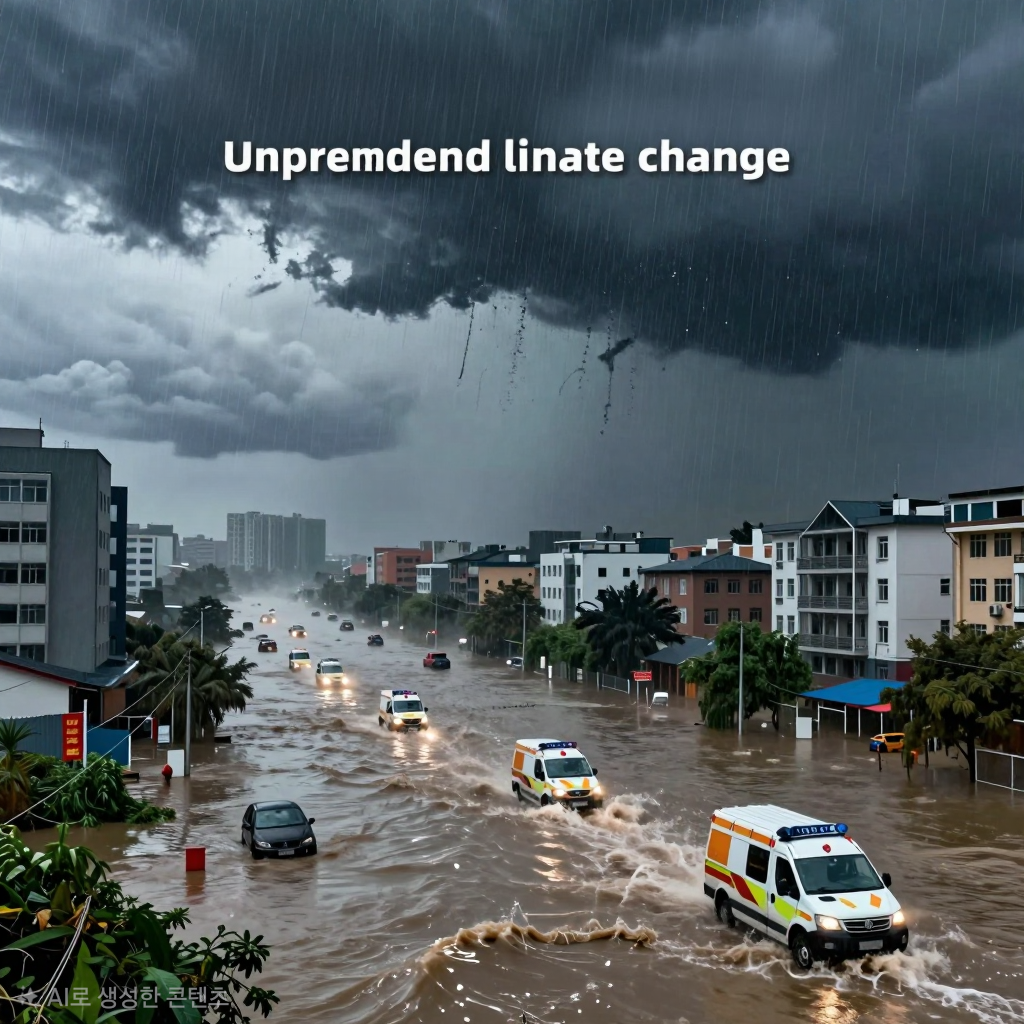
The Rapidly Changing Climate of 2025: A Harbinger of Catastrophic Floods?
In 2025, how did unprecedented temperatures and extreme climate fluctuations turn floods into a threat to our daily lives? An unexpected storm of nature begins.
Record-Breaking Heatwaves and Climate Volatility in 2025
The year 2025 marked a new milestone in climate history. With summer average temperatures reaching record highs nationwide, the country was engulfed by an intense heat dome phenomenon. This abnormal heat was more than just discomfort; it deeply impacted every aspect of our society.
Unpredictable Rainfall Patterns and the Threat of Massive Floods
As climate volatility intensified, rainfall patterns shifted dramatically. While early and late July suffered relentless heatwaves, the middle of the month saw sudden, concentrated heavy rains that starkly revealed nature’s instability. Certain regions faced devastating damages caused by flood-level downpours.
Extreme Regional Climate Disparities and the Escalation of Disasters
Gangneung endured severe drought throughout the summer but was hit by torrential rains in September, driven by rising water temperatures. Gunsan experienced record-breaking hourly rainfall that triggered extreme flooding conditions. These were not mere weather changes, but signs of a rapidly transforming global climate system.
Preparing for the Climate Threats Ahead
The climate events of 2025 signal the natural disasters we may soon face. Extreme weather events like massive floods could become increasingly common. Strengthening climate resilience at both individual and societal levels is more urgent than ever.
Reflecting on 2025, we are reminded once again of nature’s overwhelming power. Building a robust disaster preparedness system and pursuing sustainable climate responses will be the keys to protecting our future.
Extreme Summer: The Coexistence of Drought and Torrential Rain
What do the prolonged drought in Gangneung and the record-breaking hourly rainfall in Gunsan mean, and how did these polar opposite phenomena occur? Let's uncover the secrets hidden within nature's duality.
2025, The Year of Climate Volatility
The year 2025 brought extreme climate volatility across the Korean Peninsula. With summer average temperatures hitting an all-time high, the worst heatwave in recorded history persisted, leading not just to soaring temperatures but also to drastic regional rainfall extremes.
In early and late July, intense heat waves struck, while mid-July saw heavy concentrated rainfall. Yet, during the same periods, vastly different weather patterns unfolded depending on the region. This abnormal pattern continued into September, resulting in catastrophic floods in some areas.
Regional Climate Extremes: The Contrast Between Gangneung and Gunsan
Gangneung endured the agony of drought throughout the summer. Severely lacking in rainfall, alarms sounded over agriculture and water supply. Meanwhile, at the very same time, other regions experienced unprecedented extreme rainfall.
By September, the situation dramatically reversed. Rising water temperatures boosted atmospheric moisture, unleashing record-breaking hourly rainfall in Gunsan. This deluge went beyond mere heavy rain, escalating into flood disasters and showcasing just how unpredictable nature's destructive power can be.
Nature’s Duality: A Signal of Climate Change
These extreme climate events reflect changes in atmospheric circulation caused by global warming. Elevated water temperatures supply more moisture to the air, causing severe drought in some regions and catastrophic floods in others.
The prolonged drought in Gangneung and historic downpours in Gunsan are two sides of the same coin. We can no longer rely on simplistic judgments like “this year has more rain” or “this year suffers from drought.” We live in an era where extreme natural phenomena occur simultaneously within the same season and country.
This climate volatility is more than just a weather problem. It signals fundamental shifts needed in our lifestyles, agriculture, water resource management, and disaster response systems—and serves as a stark warning about humanity’s vulnerability in the face of nature.
Section 3: The Great Flood—More Than Just a Natural Disaster
This was no ordinary flood. It’s time to explore the impact of the monumental 2025 flood that shook our lives and to uncover the hidden message about climate change behind it.
The Extreme Climate Volatility of 2025 and the Occurrence of the Great Flood
The year 2025 saw unprecedented climate volatility. With summer average temperatures breaking all records, extreme weather events repeated relentlessly. In this environment, the great flood was not a coincidence but an inevitable phenomenon.
Beginning with scorching heatwaves in July, the extreme climate events escalated into concentrated heavy rains by mid-month, followed by nationwide downpours in September fueled by elevated water temperatures. The hourly rainfall recorded in Gunsan shattered all previous records, starkly illustrating the severity of the flood.
Uneven Regional Damage and Its Implications
Intriguingly, the flood’s damage varied drastically by region. While Gangneung suffered from drought throughout the summer, other areas were battered by torrential rains causing massive flooding. This imbalance signals more than just erratic weather—it points to fundamental shifts in the climate system itself.
The Great Flood’s Warning About Climate Change
The 2025 flood delivers a crucial message: extreme climate fluctuations are intensifying, and natural disasters beyond the scope of past predictions are becoming more frequent.
Record-breaking heatwaves, sudden concentrated downpours, and stark regional disparities—all demand a profound reflection on how we live and interact with our environment. The great flood is more than a watery crisis; it’s a resounding alarm signaling the harsh reality of humanity’s climate emergency.
Now, we stand at a critical juncture to seriously consider how to respond to extreme disasters like this flood and how to mitigate the underlying cause—climate change.
Section 4: Floods in Culture: The Reality and Message of Disasters Portrayed in Film
What exactly does director Jeon Doksi’s film "The Great Flood" convey? Experience the power of cultural content that can transform our perspective on natural disasters.
The Realism of Disasters Recreated in Film
Film is more than mere entertainment; it is a medium that challenges us to confront real-world issues. Jeon Doksi’s "The Great Flood" centers on how humans respond to the immense threat of natural disasters. Especially in today’s world of increasingly frequent extreme weather events, this work serves as a mirror reflecting our era—not just a typical disaster movie, but a vivid portrayal of contemporary reality.
In times marked by severe climate volatility like those forecast for 2025, the flood scenes depicted in the film no longer feel like distant future scenarios—they emerge as pressing, ongoing threats.
Human Nature Revealed in the Face of the Flood
"The Great Flood" captures the diverse spectrum of human emotions exposed by disaster: fear, cooperation, selfishness, sacrifice. These raw responses form the emotional core of the film.
It reminds us how small we are against nature’s overwhelming force, yet how precious is the human instinct to care for one another despite such adversity. This is not just a story confined to the screen, but a moral inquiry into how we ought to act when real catastrophe strikes.
The Message and Social Significance as Cultural Content
The most vital message conveyed by Jeon Doksi’s "The Great Flood" extends beyond individual survival to emphasize the value of community. It powerfully revisits the often-overlooked spirit of mutual aid and the crucial role of responsible leadership in modern society.
Every flood scene in the film silently asks us: “What choice would you make if you were in this situation?” Such questions transcend the viewing experience, influencing our decisions and actions in everyday life.
Changing Perceptions of Natural Disasters
Cultural content transforms abstract threats into tangible experiences. Through works like "The Great Flood," we don’t just read climate data—we feel the emotional weight of disaster scenarios viscerally. This proved essential in boosting societal awareness.
In this era of extreme climate instability, film becomes a potent tool, enabling us to instinctively grasp the urgent necessity for prevention and preparedness.
Section 5: The Future We Must Prepare for After the Great Flood
Can lessons learned from past experiences change the future? Together, we explore the crises revealed by the great flood and seek hope through proactive responses.
Lessons Left by the Great Flood: Intensifying Climate Variability
Extreme climate variability is no longer a problem of the distant future. Climate data from 2025 starkly reveal the reality we face. The record-breaking summer average temperature and unusual weather events—such as the intense heatwave in July, concentrated heavy rains in mid-summer, and torrential downpours in September—are not mere temporary anomalies but signals of a new climate regime.
Extreme weather events like the great flood directly impact our infrastructure, agriculture, and way of life. The stark contrast between drought conditions in Gangneung and the record-breaking hourly rainfall in Gunsan illustrates how varied response strategies must be tailored to each region.
Turning Crisis into Opportunity: Establishing Proactive Response Systems
The first step we must take after the great flood is to learn from the past. Building customized disaster response systems suited to each region’s characteristics is essential. This goes beyond defensive measures, emphasizing prediction-based, preemptive actions.
Key response strategies:
- Integrated Climate Data Management: Strengthening predictive systems by linking real-time weather information with historical climate patterns
- Region-Specific Preparedness: Securing water resources in drought-prone areas and improving drainage infrastructure in heavy rainfall zones
- Infrastructure Modernization: Investing in disaster prevention infrastructure capable of coping with extreme climate events
- Expanded Community Engagement: Cultivating a culture of disaster prevention and response rooted in local communities
A Message of Hope: Building a Resilient Society Together
Natural disasters like the great flood expose vulnerabilities in our society but also offer opportunities for change and improvement. By thoroughly analyzing past damages and establishing scientifically grounded response measures, we can move toward a more resilient society.
Today’s crisis signals an investment in future safety. When governments, businesses, and communities move as one, we can safeguard our future from disasters like the great flood. With the belief that a prepared society can transform crisis into opportunity, our journey toward a resilient future begins now.
Comments
Post a Comment