Arsenal 2-1 Wolves: Hwang Hee-chan's Struggle in 80 Minutes Results in Own Goals and 9 Consecutive Losses
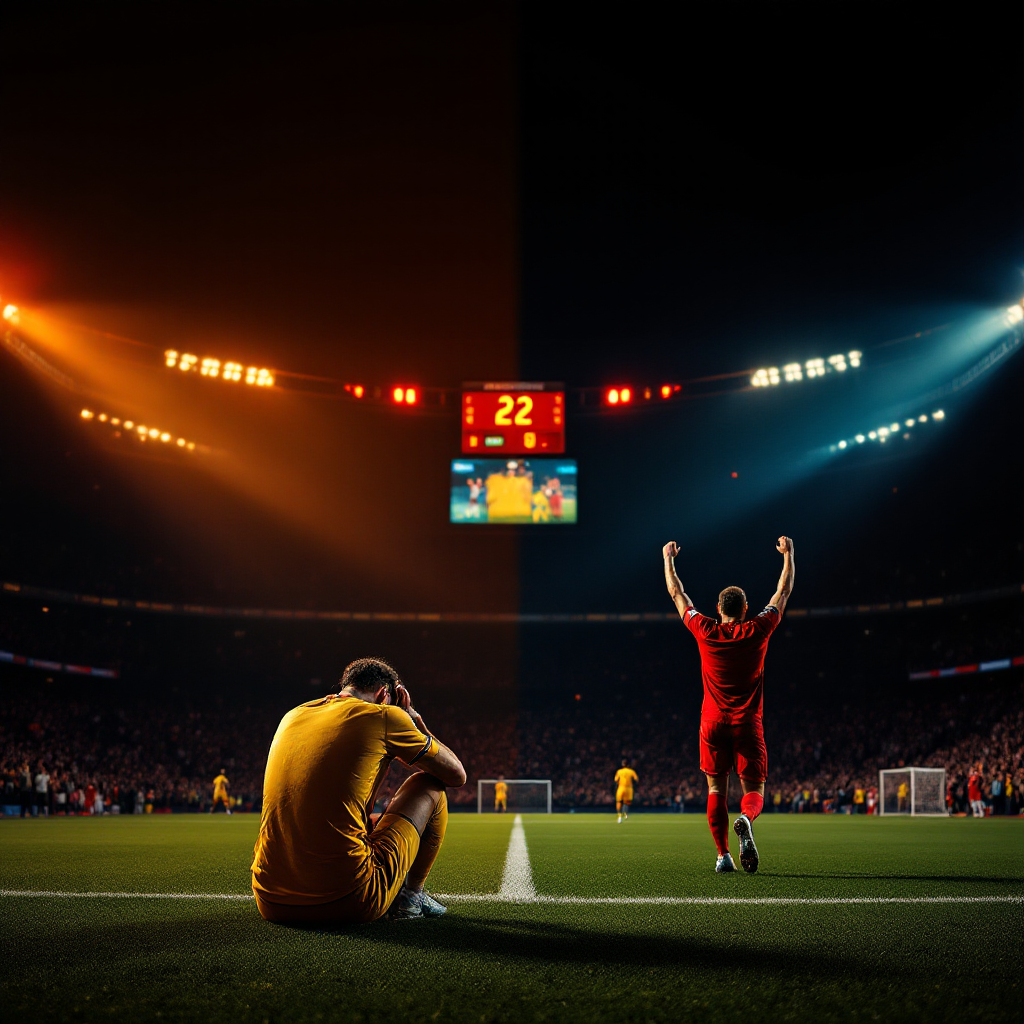
A Match Decided by Own Goals: The Fate of Arsenal and Wolverhampton Wanderers
An astonishing game where both goals were own goals. Arsenal held onto the top of the league, but Wolverhampton slipped once again into the depths of a crushing defeat. How did this fateful encounter unfold?
The Destiny Clash Between Arsenal and Wolves at Emirates Stadium
The 16th round of the 2025-2026 English Premier League witnessed a match between Arsenal and Wolves (Wolverhampton) that went beyond a mere win or loss— it exposed the unforgiving nature of football itself. Held at London’s Emirates Stadium, the game ended 2-1 in Arsenal’s favor, but the drama behind that scoreline was more compelling than any script.
The Arsenal vs. Wolves Match Written by Own Goals
The most shocking feature of this match was that both goals securing Arsenal’s victory were own goals by Wolverhampton Wanderers. In football, few things strike a harder blow to a player’s psyche than an own goal.
The game unfolded as follows:
- First half: An own goal by a Wolverhampton player gave Arsenal the opening lead
- 45th minute of the second half: Mateus Mane’s powerful long-range shot was diverted by Tolu Arokodare’s header, leveling the score
- 4 minutes into injury time: Saka’s cross struck Wolverhampton’s Jerson Mosquera’s head for another own goal, giving Arsenal the late comeback goal
League Leaders Arsenal Cement Their Position with an Imperfect Victory
The outcome of the Arsenal vs. Wolves match worked heavily in Arsenal’s favor. With this victory, Arsenal secured 36 points (11 wins, 3 draws, 2 losses) and solidified their position at the very top of the league.
What makes this intriguing is that Arsenal never truly dominated the game throughout, yet they managed to clinch the win. This is the hallmark of a league leader — seizing every opportunity and ruthlessly capitalizing on opponents’ mistakes. This cold efficiency is Arsenal’s greatest weapon.
Wolverhampton Caught in a Vicious Cycle of Own Goals and Despair
On the other hand, Wolverhampton’s takeaway from the Arsenal match is nothing but despair. The stats show they did manage a goal, yet the final score 1-2 marks yet another heartbreaking defeat.
Worse still is their ongoing downward spiral:
- Nine consecutive losses in the league
- Sixteen games without a win since the season opener (2 draws, 14 losses)
- Sinking to bottom place with just 2 points among 20 teams
These numbers are more than mere statistics; they paint a stark picture of how deep Wolverhampton’s crisis runs. The repeated own goals point beyond simple defensive errors—they reveal a mental collapse within the squad.
The Turning Point: Lessons Left Behind by the Own Goals
A critical moment worthy of spotlight from the Arsenal vs. Wolves game is that second own goal in injury time. Right after Wolverhampton’s equalizer breathed new life into their hopes, the nightmare of a comeback defeat struck within minutes. This moment graphically captures Wolverhampton’s current psychological state.
For the players, this is more than just a loss. It’s the agony of hope rising, only to be shattered in the blink of an eye—a devastating blow to team confidence. If this vicious cycle continues, Wolverhampton’s crisis will only deepen further.
Hwang Hee-chan’s Return to the Starting Lineup and Wolverhampton’s Desperate Struggle
After five matches, Hwang Hee-chan returned to the starting lineup—can his performance turn the team’s crisis around? The Arsenal vs. Wolves match revealed a structural team crisis that individual effort alone could not overcome.
The Significance and Expectations of Hwang Hee-chan’s Starting Opportunity
Wolverhampton’s Hwang Hee-chan was named in the starting lineup for the first time in five games. Having only made substitute appearances or missed matches in the last four games without consistent playing time, his return as a starter symbolized the team’s expectation and trust in him. Especially amid the team’s plunging slump, his starting spot was more than just a choice—it signaled a desperate tactical shift.
A Bright Start, But Fading Hope
In the 27th minute of the first half, Hwang spotted a counterattack opportunity. Charging alone into the opponent’s penalty area, he unleashed a right-footed shot—only to be thwarted by Arsenal’s goalkeeper. This moment was the best scoring chance Wolves could hope for early in the game. If that shot had gone in, the flow of the Arsenal vs. Wolves match would have shifted dramatically.
But sports do not entertain “what ifs.” After Hwang’s shot was saved, the team’s spirit gradually grew heavier.
Individual Effort Amidst Wolverhampton’s Structural Crisis
At the 15th minute of the second half, Hwang received a yellow card for a rough tackle on Arsenal defender Miles Robinson-Skelly. Though VAR review spared him a red card, this scene underscored how desperate the team’s situation had become. The moment when personal mistakes and emotions surfaced was a clear signal of the team’s psychological exhaustion.
In the 35th minute of the second half, with the score trailing 0-1, Hwang was substituted for Jon Arias and retreated to the bench. Despite his tireless efforts over 80 minutes, it did not directly strengthen the team’s offensive threat.
Changes After the Substitution and Their Meaning
Interestingly, shortly after Hwang’s substitution, in the 45th minute of the second half, Wolverhampton scored an equalizer. Matheus Mane’s long-range shot was headed in by Tolu Arokodare, offering the team a glimmer of hope. Yet, that hope was shattered by an own goal four minutes into stoppage time.
Evaluating Hwang Hee-chan’s Performance and the Team’s Core Issues
The Arsenal vs. Wolves match did not highlight problems with Hwang Hee-chan’s individual capabilities. On the contrary, his shot in the 27th minute and the late equalizer showed the team possessed the potential to compete. The real problem was that individual players’ efforts were not translating into a cohesive team system.
A record of 16 consecutive winless games (2 draws, 14 losses) goes beyond how well one or two players perform. It reflects the collapse of the entire team’s defensive organization, build-up play, and—most critically—mental resilience. Hwang’s return to the starting lineup may have been the coach’s last card. However, it once again revealed the harsh reality that one player’s efforts alone cannot overcome the crisis afflicting the whole team.
Remaining Challenges: Rebuilding Individual Talent and Team Systems
Hwang Hee-chan’s determined 80-minute display was undoubtedly a positive sign. Yet, his performance alone cannot solve Wolverhampton’s structural crisis. What the team needs is a systematic tactical overhaul that converts individual effort into a cohesive team system, alongside psychological recovery for the players.
The Arsenal vs. Wolves match reminded us that football is not simply decided by individual skill. And as Hwang’s starting return signaled that the team has not yet lost hope, his role is expected to become even more crucial in the games ahead.
Arsenal's Ruthless Strategy and Composure Under Pressure: The League Leader Overcoming Injuries and Own Goals
How does Arsenal manage to stay top of the league despite injuries, without simply relying on luck? We delve into the power of their unwavering focus until the final moment.
Arsenal vs. Wolves: Showcasing the Qualities of a Strong Team
The most intriguing aspect of the Arsenal vs. Wolves match is that Arsenal secured victory despite relying on an own goal—but this was far from mere luck. Officially a 2-1 scoreline, the underlying story reveals meticulous strategy and cold-blooded game management befitting a league leader.
With multiple key players sidelined by injury, Arsenal competed with a weakened squad. The fact that they held their position at the top is not just down to fortune, but to their unflinching composure and well-organized defense that seized every opportunity.
Precision in Seizing Chances: The Mark of a Top Team
What separates strong teams from weaker ones? Arsenal vs. Wolves delivers a clear answer: capitalizing on opportunities. Arsenal read Wolves’ mistakes perfectly and never let those moments slip away.
The opening goal came not from Arsenal’s proactive attack, but an own goal forced by relentless defensive pressure. Similarly, the decisive goal during injury time was no coincidence. Saka’s cross was the product of precisely timed positioning and attacking finesse.
Maintaining Focus Until the Final Whistle
Another notable factor in the Arsenal vs. Wolves match was their unwavering concentration until the very end. Even after Wolves scored an equalizer in the 90th minute, Arsenal didn’t falter mentally.
A weaker team might have plunged into a psychological slump and lost control of the game. Instead, Arsenal seized control once again and netted the winner in stoppage time—a testament to their mental resilience, not just physical stamina.
Defensive Cohesion and Tactical Supremacy
Arsenal’s hold atop the league also rests on their solid defensive organization. Against Wolves, they effectively shut down attacks from the flanks and maintained dominance in midfield battles.
Despite forced substitutions due to injuries, Arsenal preserved the team’s overall structure. This highlights the coaching staff’s tactical prowess and the players’ deep understanding of their roles. In modern football, sustaining the top spot depends more on such a cohesive system than on individual brilliance.
Sustaining Performance Amid Injuries
The key reason Arsenal remain league leaders despite injuries is the high quality of their backup strength. As seen in the Wolves game, losing first-choice players didn’t significantly disrupt the team’s performance.
This reflects a well-prepared tactical plan and a bench that features capable players ready to step up. Top teams have the luxury of strong reserves who reliably fulfill their responsibilities. Arsenal’s 36 points and room for improvement fuel optimism for their title ambitions.
Conclusion: The Leaderboard Position Is the Product of a System, Not Luck
The Arsenal vs. Wolves match perfectly encapsulates the essence of professional football. While an own goal introduced an element of luck, Arsenal’s hold on first place stems from calculating strategy, sturdy defensive organization, and focus maintained to the final whistle.
Arsenal’s resilience amid injuries represents not just a win in one game, but a demonstration of consistent performance over the entire season. This is the defining difference between strong teams and weak ones—and the reason Arsenal are steadily advancing towards the league title. With injured players returning, their strength is expected to grow even further.
Wolverhampton’s Vicious Cycle: Own Goals and the Limits of Mental Strength
Is Wolverhampton’s string of own goals simply a series of mistakes? We delve into the psychological pressures the players face and their crumbling mental state at the heart of their deepening slump.
Arsenal vs Wolves: The Moment the Own Goal Curse Was Exposed
The recent Arsenal vs Wolves match starkly highlighted the crisis engulfing Wolverhampton. In the dying moments, Saka’s cross glanced off Yerson Mosquera’s head and rippled the net—this was no ordinary own goal. It symbolized the vicious cycle Wolverhampton currently endures and revealed the players’ mental limits in a decisive moment.
Repeated Mistakes: A Signal of Psychological Collapse
The real issue Wolverhampton faces is not just the own goals themselves. The succession of own goals in the Arsenal clash serves as clear evidence of just how fragile the players’ psychological states have become.
With a dreadful streak of 16 games without a win, the players’ confidence is eroding with every passing moment. After Toluwaloluwa Arokodare headed Mateus Mané’s shot to equalize at the 90th minute, hope must have flickered among the Wolves. Yet, an own goal in stoppage time shattered everything.
This is pure mental collapse. Conceding immediately after leveling shows that the players’ focus had already drifted away from the match deep inside their minds.
Manager’s Fears, Now Harsh Reality: Confidence Drained
Wolves’ manager’s concern that “the players are losing confidence” was not mere speculation—it was a desperate plea. The own goals in the Arsenal game proved just how real those fears have become.
With every own goal, the players’ expressions grew darker, dragging down the atmosphere on the pitch. This goes far beyond simple lapses in caution—it edges toward a collective mental breakdown.
The Weight of Bottom Place Bears Down on Players’ Shoulders
Sitting with just 2 points at the bottom, Wolverhampton’s woes veil countless anxieties and frustrations within the squad. Under the constant pressure of defeat, football ceases to be a joy for Wolves’ players.
Even Hwang Hee-chan’s vigorous 80-minute effort without registering an attacking point reflects this collective slump. It’s not an issue of individual skill but the heavy atmosphere stifling the entire team’s performance.
Why Simply Strengthening the Squad Isn’t Enough
News of Wolverhampton rushing to bolster their lineup during the winter transfer window has surfaced. But a critical question remains: can new signings truly change this hopeless mood?
The vicious cycle of own goals, repeated losses, and plummeting confidence is far more than a skills problem. It’s a mental and psychological crisis. No matter how talented the newcomers are, if the current squad’s mental struggles persist, things could worsen.
The Key to Escaping the Bottom: Psychological Recovery
In professional sports, mental strength is as vital as skill and strategy. The Arsenal vs Wolves showdown underscored this truth. Arsenal’s victory stemmed from their unwavering focus and cold precision in seizing every opportunity.
For Wolverhampton to climb out of the relegation mire, restoring the players’ psychological health must come first. The manager, sports psychologists, and coaching staff need to unite in rebuilding the players’ confidence. Own goals will naturally diminish once the squad’s minds return to a stable, healthy state.
A Glimmer of Hope Still Remains
Though the situation looks bleak, it’s far from over. Like Hwang Hee-chan’s determined performance, there are still players within Wolverhampton refusing to give up hope. Breaking the own goal cycle and achieving mental recovery could pave the way out of this crisis.
But the path won’t be easy. Easing the heavy psychological burdens the players carry and helping them rediscover the joy of football—that is absolutely essential if Wolverhampton are to save their season.
5. The Future of Two Teams Seen Through Hope and Despair
What challenges lie ahead for Arsenal, aiming for Champions League qualification, and Wolverhampton, languishing at the bottom of the EPL? Let’s look forward to the next chapter intertwined with skill, strategy, and mental strength.
The Significance of the Arsenal vs. Wolves Result: A Turning Point in the Title Race
The outcome of the Arsenal vs. Wolves match meant more than just earning three points. For Arsenal, who held onto the top spot in the league, this victory provided a strong affirmation of their bid for the championship. It was a game that proved their competitiveness is formidable even as injured players gradually return.
Arsenal’s current record of 11 wins, 3 draws, and 2 losses stands as the best in the league, cementing their status as clear title contenders. Should they manage further reinforcements during the winter transfer window, Arsenal is likely to demonstrate an even stronger presence not only on England’s domestic stage but also in the European Champions League.
Wolves’ Fight Out of Crisis: Mental Recovery as the Priority
On the other hand, Wolverhampton’s situation is gravely serious. A 16-game winless streak reveals more than just a slump—it exposes a structural issue within the team. Despite Hwang Hee-chan’s determined efforts in the Arsenal vs. Wolves match, the team’s overall loss of confidence appears to have reached an almost irreversible level.
For Wolverhampton to escape this crisis, three key factors must be addressed:
First, the psychological rebuilding of the players. In a vicious cycle where own goals keep happening, the squad’s confidence is eroding completely. The own goal just before the final whistle was not merely a mistake but reflected severe psychological pressure.
Second, strategic reinforcements in the winter transfer window. Wolves must focus on bolstering their attack and shoring up defensive stability. With the current lineup, climbing out of the relegation zone seems unlikely.
Third, strong leadership from the manager. In this critical situation, the coach must provide tactics and messages that restore trust and hope within the squad.
Hwang Hee-chan’s Role and Responsibility: The Gap Between Expectation and Reality
Hwang Hee-chan stands as one of the crucial cards Wolverhampton can play to emerge from this bleak scenario. Having earned a starting position after five games, he is seen as a beacon of hope amid the team’s poor performance.
Yet reality falls short of expectations. In the Arsenal vs. Wolves match, Hwang played for 80 minutes but only managed one shot without any attacking contribution. His substitution while trailing 0-1 indicates that his influence was limited.
Going forward, Hwang’s role will become even more vital. Whether his performances can form the lifeline for Wolves’ revival from the bottom of the table is a key question moving ahead.
Winter Transfer Window: Contrasting Strategies of Arsenal and Wolves
The transfer approaches of these teams directly mirror their current standings.
Arsenal is expected to maintain their solid squad while focusing on the return of injured players. Additional signings in midfield or forward roles may be considered if necessary.
Wolverhampton is urgently seeking reinforcements across multiple positions—including striker, midfielder, and full-back. Especially, strengthening the attack is an indispensable task to end their 16-match winless drought.
The Season’s Path Ahead: Coexistence of Hope and Despair
The Arsenal vs. Wolves clash starkly illustrates the current realities of the EPL. League leaders Arsenal will continue their charge toward the title, while bottom-placed Wolverhampton must fight fiercely for survival.
While skill and strategy matter, the power of mental fortitude is even more crucial. Arsenal’s composure and Wolves’ resilience—these two elements will shape the remainder of the season.
How Wolverhampton’s players, including Hwang Hee-chan, overcome this despair, and whether Arsenal can ultimately reach the championship, will be the most captivating storyline to watch for in the months ahead.
Comments
Post a Comment