Shinhan Card Exposes 190,000 Personal Data, Unauthorized Use of Merchant Information by Internal Employee Misconduct
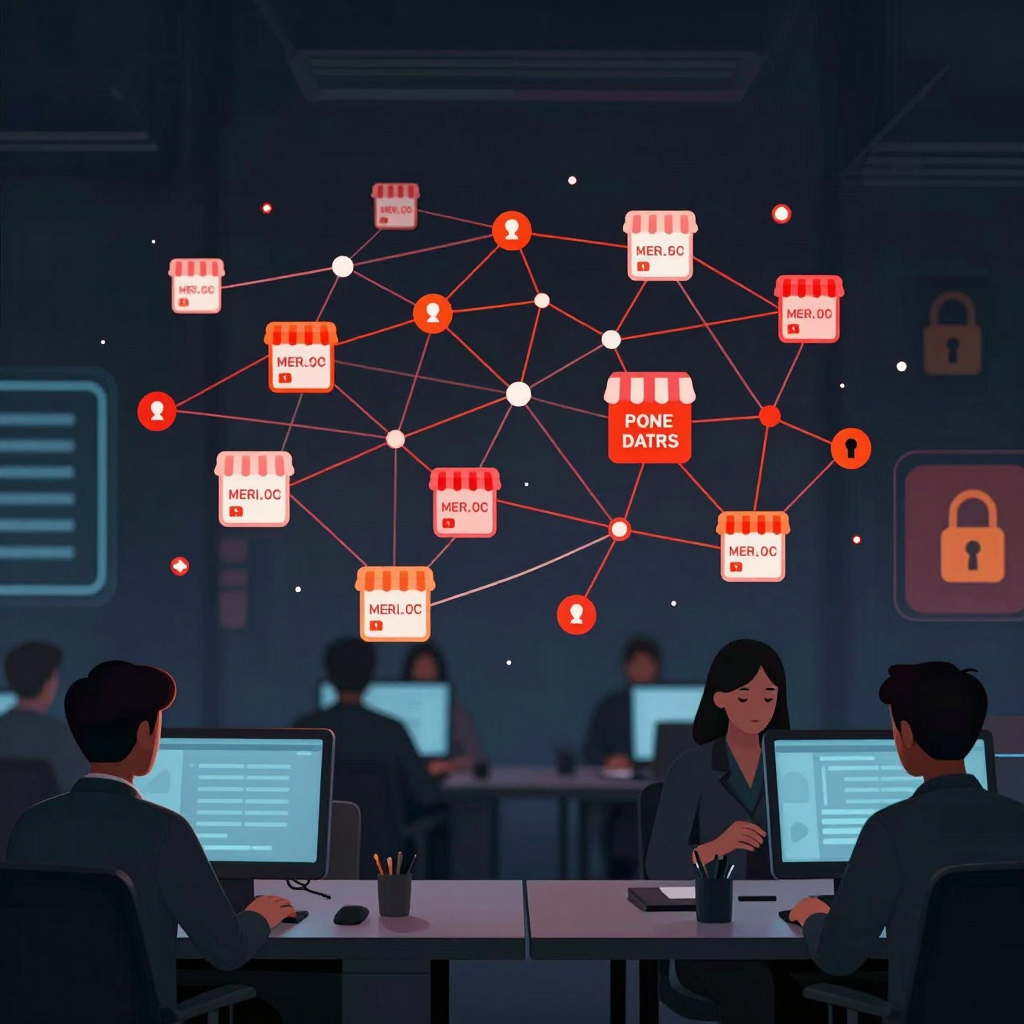
Shinhan Card Personal Information Leak: The Shocking Truth Behind Internal Misconduct
What if the leak of approximately 190,000 merchant representative records wasn't caused by hacking but by the actions of internal employees? What are the background and impact of such an incident? The Shinhan Card data breach from March 2022 to May 2025 raises fundamental questions about security systems in the financial industry.
The Shinhan Card Leak Was More Extensive Than Expected
The scale of the personal information leak at Shinhan Card was substantial. About 190,000 merchant representatives’ personal details were exposed externally, with mobile phone numbers comprising the largest portion—approximately 181,585 cases. Additionally, names, dates of birth, and gender information were also leaked in some cases.
Fortunately, sensitive financial information such as resident registration numbers, card numbers, and bank account details were not leaked, nor were general customer records included. Still, the gravity of the Shinhan Card leak lies more in its cause than in the sensitivity of the information exposed.
A Tragedy Born from Internal Employee Pressure to Boost Sales Performance
The most shocking aspect of the Shinhan Card breach is that it was caused by internal employees’ misconduct rather than external hackers. Investigations revealed that some staff members at Shinhan Card leaked merchant representatives’ information externally for purposes beyond their official duties to increase new card sign-up rates.
Employees collected contact information whenever new merchants joined, targeting representatives as sales prospects. Shockingly, the data included individuals who had not consented to marketing communications. This goes beyond mere carelessness—in fact, it was a deliberate violation of regulations.
A Whistleblower Exposed Holes in Internal Controls
The circumstances that brought this case to light also highlight serious concerns. Shinhan Card itself did not detect the breach; instead, an investigation only began after a whistleblower reported the issue. After a report was filed with the Personal Information Protection Commission on the 12th of last month, Shinhan Card verified the allegations by cross-referencing messenger screenshots submitted by the whistleblower with internal documents.
Industry experts assess the Shinhan Card breach as revealing a serious gap in internal controls due to the failure to identify the leak caused by internal employees. This incident fundamentally undermines the trustworthiness expected of a financial institution.
Shinhan Card’s Response and the Industry’s Vigilance
Shinhan Card has officially reported the incident to the Personal Information Protection Commission and is currently notifying individual merchant representatives. CEO Park Chang-hoon has pledged stern disciplinary actions against involved employees and a comprehensive review and reinforcement of both internal and external security systems. The company also stated it will promptly initiate compensation procedures if any customer harm is confirmed.
The Shinhan Card leak goes beyond a mere failure in personal information management; it exposes how vulnerable internal control systems can be within financial institutions. It urgently calls for the entire financial sector to strengthen security culture, enhance employee training, and improve monitoring mechanisms.
Section 2. Leaked Personal Information: What Was Exposed? – The Exact Scale of the Shinhan Card Data Breach
From mobile phone numbers to names and birthdates… but thankfully, resident registration numbers and card numbers remained secure. Let’s delve into the true scale and details of the leak.
Scale of the Shinhan Card Data Breach: Approximately 190,000 Records
The Shinhan Card personal information breach, occurring between March 2022 and May 2025, involved the external exposure of roughly 190,000 merchant representative records. Surprisingly, Shinhan Card itself failed to detect the incident; it only came to light through a whistleblower’s report. This starkly reveals the significant vulnerabilities within the company’s internal control systems.
Types and Specific Scale of Leaked Information
The most prominently exposed data in the Shinhan Card breach was mobile phone numbers. About 181,585 phone numbers were leaked. When examining cases where personal information was combined, the details break down as follows:
- Phone number and name: 8,120 cases
- Phone number, name, birthdate, and gender: 2,310 cases
- Phone number, name, and birthdate: 73 cases
This detailed breakdown shows the varied combinations of leaked data.
Fortunately, Sensitive Financial Data Was Safeguarded
A fortunate aspect of the Shinhan Card breach is that the most sensitive financial information was not compromised. Resident registration numbers, card numbers, and account numbers—information that could be directly exploited for financial fraud—remained securely protected. Additionally, general customer data was not included; only information of merchant representatives was exposed.
This fact hints that the incident was not a random hacking attack but rather an internal insider’s deliberate misconduct for a specific purpose.
How the Leaked Data Was Abused
The leaked phone numbers and personal details were exploited by Shinhan Card employees aiming to boost new card recruitment performance. These employees intentionally gathered and transmitted the information externally to target new merchant representatives for sales. The data even included individuals who had not consented to marketing outreach, highlighting a blatant violation of using personal information for purposes without explicit customer approval.
Conclusion: Trust Issues Beyond the Scale
The real issue with the Shinhan Card breach is not merely the roughly 190,000 exposed records. The critical concern lies in internal staff involvement and the company’s failure to detect the breach internally. This incident inevitably leads to a severe loss of trust in the company’s commitment to protecting customer data and its internal control capabilities.
3. Shinhan Card Data Leak Incident: Why Did Internal Employees Leak Information?
Are you curious about the secret motives and processes behind internal employees leaking information to boost new card recruitment performance? The crux of the Shinhan Card data leak incident lies not in a simple hack but in the systematic defection by internal employees.
Internal Employees Shaken by Performance Pressure
The reason Shinhan Card employees leaked personal information of merchant representatives stemmed from the intense pressure to meet new card recruitment targets. Each time a new merchant joined, employees automatically classified the representatives as sales targets and collected their contact details to achieve performance goals.
What makes this even more problematic is that information from customers who had not consented to marketing was also collected during this process. This indicates not just poor information management but deliberate disregard for customer consent procedures.
Vulnerabilities in Internal Control Systems
The fact that the Shinhan Card leak was only uncovered through a whistleblower’s report starkly reveals how fragile the company’s internal monitoring system was. Despite around 190,000 pieces of information being misused for unintended purposes from March 2022 to May 2025—about three years—Shinhan Card failed to detect it internally.
This situation implies inadequate monitoring of employees’ information access. Had there been a system to track who accessed what information and when, such a prolonged leak could have been prevented.
Organizational Culture and Lack of Responsibility
Ultimately, the Shinhan Card leak incident exposes the lack of ethical awareness among employees who neglected customer data protection for personal performance gains. It highlights just how lightly information protection was regarded under the goal of new recruitments.
Shinhan Card CEO Changhoon Park’s promise of strict disciplinary measures for implicated employees along with a fundamental review of internal and external security systems demonstrates recognition of these structural issues. Moving forward, beyond merely punishing individuals, there is an urgent need to improve the entire organization’s culture around personal data protection.
The ‘Hidden Incident’ Revealed by a Whistleblower: The Truth Behind the Detection Process
The Shinhan Card data breach exposes a shocking truth: Shinhan Card itself failed to detect the incident. This case only surfaced thanks to a whistleblower, uncovering numerous issues demanding our attention.
Shinhan Card’s Failure to Detect the Breach Internally
The gravest problem in the Shinhan Card breach is that the company remained unaware of the severity of the incident for nearly three years. Lasting from March 2022 to May 2025, the breach stemmed from internal employees’ misconduct yet completely evaded the company’s monitoring and control mechanisms.
This goes beyond mere negligence; it highlights a structural flaw in the internal control system. Basic surveillance mechanisms that track how information leaks occur and through which channels data is transmitted outside the organization were fundamentally nonfunctional.
The Whistleblower’s Report Unveils the Truth
The Shinhan Card breach only came to light through the courageous decision of a whistleblower. By submitting a report to the Personal Information Protection Commission along with messenger screenshots and internal documents, Shinhan Card was confronted for the first time with evidence that an internal employee had leaked merchant representative data for unauthorized purposes.
Without this whistleblower, the incident likely would have remained hidden. Since Shinhan Card failed to detect it internally, affected customers would have remained unaware that their personal information had been compromised.
Serious Flaws in Corporate Internal Controls
Industry experts point out that this incident starkly reveals just how vulnerable Shinhan Card’s internal security system is. Particularly troubling issues include:
- Absence of Employee Behavior Monitoring: No operational system to detect employees leaking personal data externally
- Poor Access Rights Management: Inadequate tracking of who accessed merchant representative information, when, and how
- Weak Internal Whistleblowing Channels: Lack of mechanisms to identify employee misconduct from within the organization
Shinhan Card’s Belated Response
After the breach was exposed, Shinhan Card officially reported the incident to the Personal Information Protection Commission. CEO Park Chang-hoon personally pledged strict disciplinary action against involved staff and a fundamental reassessment of both internal and external security systems. The company also promised swift compensation for affected customers.
However, this response is merely “putting out a fire that has already erupted.” The more fundamental question remains: why was this incident uncovered only because of a whistleblower’s report?
The Long Road to Restoring Trust
The lesson from the Shinhan Card breach is clear: no matter how large a financial institution is, poor internal controls make personal data vulnerable to leaks. The fact that this incident would not have surfaced without a whistleblower painfully underscores the limits of corporate self-monitoring.
For Shinhan Card to truly regain trust, it must go beyond reactive measures, enhancing organizational transparency and building a robust security infrastructure capable of proactively detecting employee misconduct.
5. After the Shinhan Card Data Breach: Responses and Challenges for Shinhan Card and the Industry
Despite harsh disciplinary actions and declarations to reassess security, this incident exposed critical flaws in internal controls. What measures are necessary moving forward to better protect customers?
Shinhan Card’s Immediate Response
Shinhan Card acted swiftly in response to the personal data breach. The company officially reported the incident to the Personal Information Protection Commission and is currently providing individual notifications to the affected merchant representatives. CEO Park Chang-hoon vowed strict accountability for involved staff and promised a fundamental reassessment and reinforcement of both internal and external security systems.
Moreover, Shinhan Card has stated that it will promptly initiate compensation procedures if customer harm is confirmed and is actively working to restore trust by enhancing customer protection.
Serious Gaps in Internal Controls
Experts highlight the biggest issue: the Shinhan Card breach would not have been detected without a whistleblower coming forward. The company itself failed to identify the incident, and only through comparing messenger photos from an external reporter with internal data was the truth uncovered. This signals a failure of the basic internal control systems expected of financial institutions.
Especially troubling is the involvement of an internal employee in the data leak, revealing weaknesses in staff management and monitoring systems. Additionally, an organizational culture prioritizing new card recruitment performance over data privacy must also be addressed as a critical challenge.
The Path Forward for the Industry
This incident offers a vital lesson for the entire financial sector. It is now clear that security must address not only external hacking threats but also the risk of insider data leaks.
Going forward, financial institutions should strengthen measures such as:
- Enhanced Access Control: Restrict employee access to personal data strictly to what is necessary and establish monitoring systems.
- Improved Organizational Culture: Integrate customer data protection as a key performance metric.
- Internal Surveillance Systems: Implement early-detection systems for abnormal data usage patterns.
- Transparent Reporting Channels: Secure protected avenues for employees to report internal misconduct.
The lessons from the Shinhan Card breach should serve not just as a case to handle but as a catalyst to elevate personal data protection standards industry-wide. Customer trust is the most precious asset for financial institutions, demanding persistent effort and investment to safeguard.
Comments
Post a Comment