Spotify's Massive 300TB Music Data Leak: What Happened?
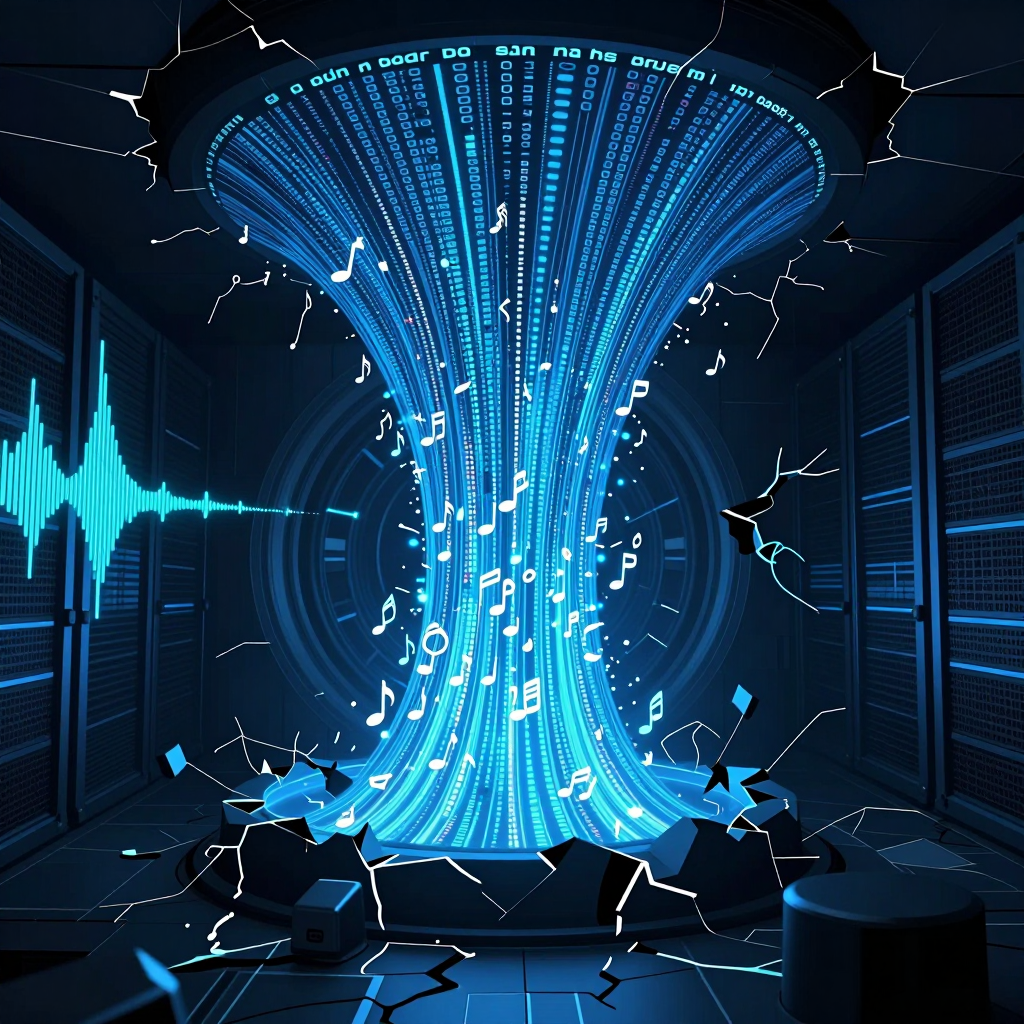
One day, a shocking event rattled the ears of music fans worldwide. A hacker group known as 'Anna's Archive' reportedly stole an astonishing 300TB of Spotify's music data. But what exactly went down?
The Scale of the Spotify Data Breach
This Spotify leak stands as one of the largest data breaches in the music streaming industry. The hackers claim to have extracted an immense amount of information: approximately 86 million audio files and 256 million track metadata entries, all obtained illegally.
What’s even more startling is that this data wasn’t haphazardly collected. The stolen files were systematically organized by popularity on the Spotify platform, making it easy for users to access the music they crave.
How Did the Leak Happen?
Spotify, in an official statement, explained the breach details. The hackers first downloaded publicly available metadata and then used illegal methods to bypass DRM (Digital Rights Management) protections to access the platform’s audio files.
The company insists that only a portion—not the entire content library—was leaked and is actively investigating the incident. This case starkly exposes the security weaknesses in streaming services and highlights the limitations of DRM protection technologies.
Who Are the Hackers and What Do They Claim?
'Anna's Archive' is no stranger to controversy. This hacker group has a history of illegally distributing books and academic papers via torrents. Their recent theft of Spotify’s music library seems to follow the same pattern.
What’s intriguing is how the group justifies their actions. They argue that while popular songs are easily available on other platforms, lesser-known tracks risk permanent disappearance if Spotify shuts down services or cancels licenses. They dub their operation “an archive for music preservation,” framing it as a mission to protect cultural heritage.
Nonetheless, despite this reasoning, the massive extraction and distribution of music files without the consent of copyright owners is a blatant violation of copyright law.
Section 2: The Shocking Scale and Composition of Leaked Music Data
This massive dataset includes 86 million audio files and 256 million track metadata entries. Is it just a simple collection of files? Or is it a meticulously organized world of music curated by someone?
When analyzing the Spotify leak incident, the reality we face is far more systematic and organized than expected. The data obtained by the hacker group "Anna's Archive" is not just randomly gathered music files. Examining the specific scale of the stolen information clearly reveals how massive the security breach truly is.
Unprecedented Scale of Music Data Theft
The approximately 86 million audio files the hackers claim to have secured from Spotify are more than just numbers. This volume condenses the majority of the world's music streaming libraries. On top of that, the inclusion of 256 million track metadata entries means this Spotify leak was a systematic data collection far beyond mere file theft.
Metadata includes details such as song titles, artists, albums, track durations, and genre information. Hackers obtaining this means they possess the entire structural catalog of the platform.
Strategically Organized Data Distribution
What’s even more shocking is that this enormous data wasn’t distributed randomly. The hackers systematically organized Spotify’s music library in order of popularity and publicly released it via torrents. This method was intentionally designed to maximize accessibility.
By hierarchically sorting tracks from the most streamed songs to relatively lesser-known music, they made it easy for users to find the music they wanted. This goes beyond a simple data leak—it’s akin to a deliberate reconstruction of the music library.
Leak of the Streaming Service’s Core Asset
Spotify’s music library is the company’s most vital asset. The leak of this information not only diminishes the service’s competitiveness but also infringes on the rights and profits of copyright holders. The organized distribution of the stolen data from the Spotify leak serves as clear evidence of just how severe the security vulnerabilities of modern streaming services are.
This scale and composition of data leakage pose a new level of challenge to the entire music industry.
The Truth Behind the Spotify Leak: Spotify’s Response and the Hacker Group’s Identity
What stance has Spotify taken regarding this leak? And why did the group 'Anna’s Archive' dare to undertake such a risky act? An even more intriguing question is whether their claim truly revolves around archiving music, or if it’s simply an excuse for blatant copyright infringement?
Spotify’s Official Statement and Technical Analysis
When the Spotify leak surfaced, the company quickly issued an official statement. According to their announcement, a third party downloaded publicly available metadata and then used illegal methods to bypass DRM (Digital Rights Management) protection.
Notably, Spotify claimed that only part of the content, not the entire catalog, was leaked. Although the hacker group asserted possession of approximately 86 million audio files, Spotify hinted that this likely represents only an extremely small fraction of the platform’s entire library. The company emphasized that they are actively investigating the incident and working closely with industry partners to protect creators and uphold rights.
The Identity and Claims of ‘Anna’s Archive’
Anna’s Archive is the key player in this case. Known for previously distributing books and academic papers via torrents, this hacker group has now extended its reach into the music streaming industry.
Their argument is strategically crafted and somewhat compelling. Anna’s Archive put forth the following logic:
- Popular tracks have easy access, but lesser-known music is difficult to find on other platforms.
- If Spotify discontinues service or revokes certain licenses, those songs risk being permanently lost.
- They labeled their mission as an honorable goal of "archiving music" to safeguard cultural heritage.
The Gap Between Justification and Reality
However, from a critical viewpoint, Anna’s Archive’s claims pose several issues. Extracting roughly 86 million audio files on a massive scale and distributing them via torrent—without the consent of copyright owners—is an explicit act of copyright violation that cannot be justified by any rationale.
While the mission of music preservation sounds plausible, in reality, it infringes on the rights of artists and record companies. More troublingly, such illegal distribution may cause revenue losses for streaming services, ultimately reducing the income of music creators. Ironically, the very claim of preserving music is producing a detrimental effect on the music ecosystem.
Security Challenges in the Streaming Era
This incident goes beyond a mere hacking case, revealing fundamental security challenges faced by modern streaming services. The continuous advancement of DRM-bypass technologies and the risk of massive data theft represent challenges the entire industry must confront and resolve together.
The Ripple Effect and Response to the Recent Incident That Shook the Music Industry
What warning does the massive data breach send to the streaming industry? Alongside efforts to protect creators, what exactly do the limitations of DRM technology signify? The Spotify breach goes beyond a simple security violation, raising profound questions and concerns across the entire music industry.
Revealing the Real-World Limitations of DRM Technology
The most critical issue exposed by this incident is the fundamental vulnerability of DRM technology. Despite Spotify’s cutting-edge digital rights management system, hacker groups managed to bypass it and extracted approximately 86 million audio files. This serves as a vivid illustration of how fragile current security technologies can be at decisive moments.
Technology experts highlight the dual-edged nature of DRM protection through the Spotify breach. No matter how robust the encryption is, playing audio through user devices inevitably introduces vulnerabilities. This is a structural problem faced by the entire industry—one that cannot be solved by simple technological improvements alone.
Protecting Creators and Seeking a New Security Paradigm
In the wake of this incident, Spotify has intensified its efforts to safeguard creators. The company has ramped up continuous monitoring of suspicious activities and is pursuing deeper collaboration with industry partners. These moves are seen not just as reactive measures but as part of a broader effort to redesign the future of the music industry.
In particular, streaming services have increased investments in building multi-layered security systems since the Spotify breach. They are adopting measures such as restricted metadata access, network-level threat detection, and AI-driven anomaly detection systems for suspicious transactions.
The Reality Behind the "Music Preservation" Justification
The hacker group's claim of "music preservation" also raises important questions within the industry. Their argument that lesser-known tracks may disappear permanently due to license cancellations or service shutdowns points to structural issues in the music industry. However, solving this problem through unauthorized distribution without copyright holders’ consent is a clear mistake.
This highlights the urgent need for legitimate music archiving systems. Establishing official music repositories at the national cultural heritage level or developing permanent preservation protocols through cooperation between streaming platforms and rights holders seems essential.
Industry Collaboration and the Way Forward
This incident makes it clear that, moving forward, security efforts by individual companies alone will no longer suffice for the streaming industry. Leading music platforms, including Spotify, must now establish industry-wide security standards, share information on hacking attempts, and build integrated systems to protect creators.
Ultimately, the biggest lesson from the Spotify breach is this: security is not just a technological issue but a matter of industry-wide cooperation and willpower. To truly safeguard creators and sustain music culture in the digital age, the music industry needs a far more comprehensive and innovative approach than ever before.
5. Lessons for the Future and the Challenge of Music Preservation
In light of this incident, how should we protect music culture and copyright? Let's explore the lessons learned from the Spotify leak scandal and the direction we should take moving forward.
Finding the Balance Between Technological Security and Ethics
The Spotify leak incident raises questions that go beyond a mere security failure. Strengthening DRM technology is essential, but we must also face the reality that attempts to bypass it will persist. Streaming services need to build more sophisticated encryption techniques and multi-layered security systems, as well as improve user access management protocols.
However, it’s important to note that technology alone cannot offer a fundamental solution. The true answer lies in a combination of technological security and ethical practice.
Preserving Music Culture the Right Way
The call for music preservation put forth by the "Anna’s Archive" group has valid points. It is undeniable that some music may vanish due to license expirations or service shutdowns. However, illegal distribution without the consent of copyright holders can never be justified.
Instead, we should pursue the following approaches:
- Establishment of Public Archives: Governments and cultural institutions collaborating to develop official systems that legally preserve rare and endangered music
- Collaboration with Creators: Creating cooperative frameworks where music platforms and artists work together on preservation strategies
- Transparent Licensing: Developing special licensing models for institutions aiming at long-term preservation
The Spotify Leak and Challenges Facing the Music Industry
This incident has made clear the challenges confronting the entire music industry. While the rise of streaming services has changed how music is consumed, issues around protecting creators’ rights and ensuring the longevity of their works remain unresolved.
Music creators and rights holders should be guaranteed not only protection from unauthorized distribution but also assured access to their works anytime in the future. Consumers, too, have the right to demand an environment where music culture can be preserved while enjoying music through legal means.
A Shared Responsibility
Ultimately, this incident’s lesson is about shared responsibility. Streaming platforms must strengthen security, governments need to establish legal frameworks for cultural preservation, and users should practice lawful consumption of music.
Above all, the crucial insight is recognizing music not just as a product, but as cultural heritage. If the Spotify leak scandal becomes a catalyst for raising this awareness, this crisis could drive positive change in the music industry. Now is the time to create a new paradigm for music preservation and copyright protection.
Comments
Post a Comment