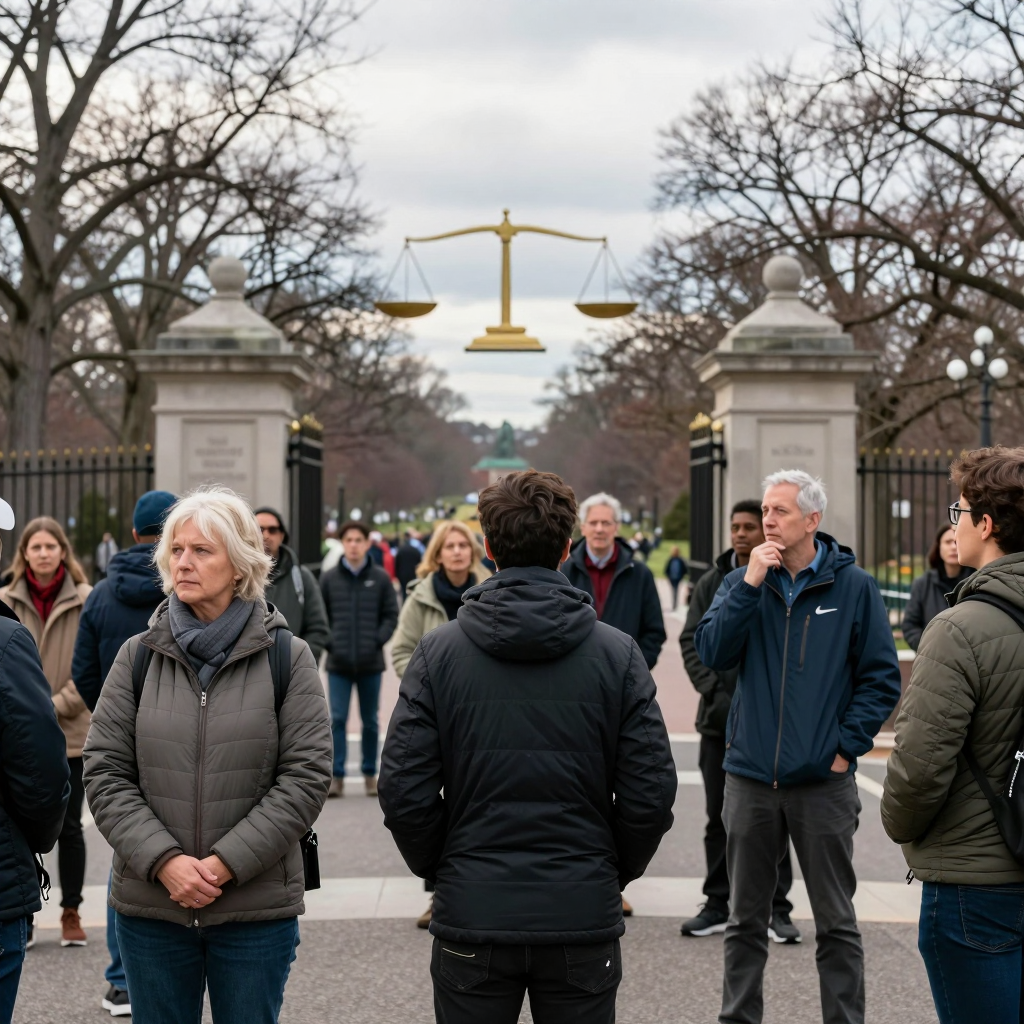
MLK Day: More Than Just a Holiday
Why has the third Monday in January taken on special significance across the United States? Dr. Martin Luther King Jr. Day is far more than a day when government offices and schools close. It is a national moment of reflection honoring one of the most pivotal figures in American history, and an opportunity to explore what Martin Luther King Jr.’s dreams and struggles still teach us today.
The Historical Significance of Dr. Martin Luther King Jr. Day
Established as a federal holiday in 1983 and officially signed into law by President Ronald Reagan in 1986, Dr. Martin Luther King Jr. Day signals America’s formal recognition of the civil rights movement’s profound impact. Beyond mere commemoration, this day also serves as a National Day of Service. Across the country, schools, community groups, and nonprofits organize volunteer projects that strengthen local communities, embodying Dr. King’s spirit of service in tangible ways.
King’s Legacy: From “I Have a Dream” to Today
On August 28, 1963, Martin Luther King Jr. electrified the nation with his historic “I Have a Dream” speech at the Lincoln Memorial—igniting the fight to end racial discrimination. His philosophy of nonviolent resistance and relentless pursuit of equality played a crucial role in the passage of the landmark Civil Rights Act of 1964, one of the most transformative laws in American history.
Today, Dr. Martin Luther King Jr. Day stands not only as a moment to remember history but as a symbol of progress in American democracy and justice. King’s legacy challenges us with powerful questions: Has his dream been fully realized? Are there still battles to be fought? Each year, these questions renew the urgency of the holiday’s meaning.
New Questions of Inclusivity and Equity
The MLK Day in 2026 will carry added significance. The National Park Service (NPS) has decided to remove MLK Day from its 15-year-old tradition of offering free admission, while simultaneously restricting free entry only to U.S. citizens and legal residents.
This policy shift sparks fresh social debates about the values of inclusivity and equity that Dr. King championed. Issues surrounding access to public resources, fair treatment of international visitors, and the boundaries of community identity are now coming to the forefront alongside the holiday’s core message.
This day invites us not only to remember history but to actively wrestle with how Dr. King’s dream can be realized within our lives today.
Dr. Martin Luther King Jr. Day: A National Day of Service Rebuilding Communities
More than just a holiday, Dr. Martin Luther King Jr. Day has become a 'National Day of Service' that invites everyone to participate. Discover how schools and communities come together to create meaningful change.
Beyond a Holiday: A Time for Service
Dr. Martin Luther King Jr. Day goes far beyond merely honoring a historic figure. Observed on the third Monday of January, this federal holiday serves as a true National Day of Service.
The philosophy of nonviolent resistance and community transformation that Dr. King championed throughout his life has evolved into a vibrant volunteer movement across modern America. Since its designation as a national holiday in 1986, Dr. Martin Luther King Jr. Day has shifted from remembrance to a day where citizens actively engage in service.
Schools and Communities Driving Change Together
Each year on this day, schools, community groups, and nonprofits across the United States spring into action. Students step out of the classroom to participate in local service projects, while residents dedicate their time to addressing neighborhood needs.
Public libraries host special programs highlighting Dr. King’s ideals and civil rights history, and schools organize diverse volunteer activities such as park clean-ups, food bank donations, and visits to senior centers. These efforts go beyond charity—they embody the core values of Dr. Martin Luther King Jr. Day: equality for all and the strengthening of community.
Real Impact in Strengthening Communities
The service movement inspired by Dr. Martin Luther King Jr. Day brings real, tangible change to neighborhoods. Areas touched by volunteers see physical improvements, deeper bonds among residents, and stronger communal spirit.
Projects supporting low-income and marginalized groups reflect the social justice Dr. King fought for. From bridging educational gaps to reducing economic inequality and fostering healthy communities, the various volunteer efforts transform his dream into reality.
A Tribute with True Meaning
Millions of Americans don’t just enjoy a day off on Dr. Martin Luther King Jr. Day—they actively help bring about the change he envisioned. The service conducted in classrooms, communities, and nonprofit organizations is the most powerful way to carry forward his legacy.
Celebrated as a National Day of Service, Dr. Martin Luther King Jr. Day renews the core values of American democracy and civic engagement each year. It sends a hopeful message: together, everyone can build a better future.
Section 3: Service Shutdown in 2026: The Pause of Daily Life and Its Links
On Dr. Martin Luther King Jr. Day in 2026, a fascinating phenomenon unfolds across the United States. While government agencies and financial services close their doors, convenience stores and shopping malls remain lively. Amid this unusual mix, how can we maintain our daily routines?
Major Institutions Closing on Dr. Martin Luther King Jr. Day
As a federal holiday, Dr. Martin Luther King Jr. Day sees many essential services halt operations. Government offices, banks, post offices, courts, public libraries, and schools, along with water and garbage collection services, are no exception. This day is designed not just as a break from work but as a time for citizens to honor and reflect on Dr. King’s legacy.
Intelligent Operations of Financial Institutions
An intriguing aspect is how financial institutions respond. Major banks like Bank of America, Chase, Citibank, PNC, U.S. Bank, and Wells Fargo do not provide services at physical branches. However, thanks to advancements in modern banking, customers can continue transactions through online banking, mobile apps, and ATMs. This delicate balance respects the holiday’s significance while ensuring customer convenience.
Limited Operations of Delivery Services
The United States Postal Service (USPS) closes all locations, with regular mail service resuming on January 20th. UPS also suspends routine pickup and delivery services, but some UPS Store locations may operate for limited hours to handle urgent needs.
Consumer Convenience Facilities Remain Open
In contrast, convenience stores, restaurants, pharmacies, shopping malls, and major retail outlets operate as usual or with limited hours. This reflects the reality that while Dr. Martin Luther King Jr. Day is an important national holiday, modern society’s everyday needs cannot come to a complete halt.
Smart Preparation Is Essential
To prepare for Dr. Martin Luther King Jr. Day in 2026, advance planning is crucial. Handle any mail deliveries ahead of time, and plan to use online banking channels if you have financial transactions. If you need medication or essentials, securing them in advance is wise. This preparation goes beyond mere convenience—it’s a thoughtful way to fully honor the significance of this meaningful day.
Section 4: The Shocking Shift in the National Park Free Admission Policy
What if, after 15 years of free admission, it were suddenly reduced within just two years—and now international visitors have to pay? Is this merely a policy tweak, or does it signal a fundamental change in accessibility and equity regarding public assets?
Dr. Martin Luther King Jr. Day and the Historic Break in the National Park Free Admission Policy
Dr. Martin Luther King Jr. Day stands as an iconic American holiday symbolizing equality and inclusivity. Under these values, the National Park Service (NPS) has upheld a policy for 15 years waiving entrance fees for all visitors on certain holidays, including MLK Day. This policy reflected the philosophy that America’s natural heritage is open to all citizens and visitors worldwide.
But in 2026, this long-standing tradition was abruptly altered.
The Core of the 2026 Policy Change: Cutting the List of Free Admission Holidays
The most striking change is that the NPS removed MLK Day from the list of free admission days. Even more surprising is the simultaneous removal of Juneteenth, which had been newly designated as a free admission day in 2024—only to lose that status within two years.
This shift goes beyond a mere update of schedules. Removing Dr. Martin Luther King Jr. Day signals that a holiday symbolizing the legacy of the civil rights movement and the value of equality no longer receives special consideration in national park accessibility policies.
Excluding International Visitors: A New Barrier to Inclusivity
An even more serious change is the narrowing of who qualifies for free admission days. Previously, all visitors—including international tourists—could enter for free on designated holidays. This openness demonstrated a welcoming attitude toward sharing America’s natural heritage with the world.
Starting in 2026, however, free admission is restricted to U.S. citizens and legal residents only. International visitors must now pay standard entrance fees even on free admission days. Adding to that, administrative orders have increased fees for international travelers.
An Unexpected Step Back in Access to Public Assets
This policy shift raises multiple critical issues. First, the concept of public assets is being redefined. National parks are public assets created and maintained through American taxpayers’ money, yet restrictions on access are becoming more stringent about who can enjoy them.
Second, there’s the reduction of educational and cultural exchange opportunities. Allowing international visitors direct access to America’s natural and historical treasures fosters mutual understanding and goodwill. Raising financial barriers limits these vital opportunities.
Third, it is a devaluation of the principles symbolized by Dr. Martin Luther King Jr. Day. Dr. King’s “I Have a Dream” speech emphasized universal equality and borderless inclusivity. In stark contrast, excluding MLK Day from free park admission policy represents a profound symbolic paradox.
The Question Ahead: Public Assets—Whose Are They?
The 2026 changes to national park policies are not just administrative decisions; they pose a fundamental question: how will American society define access to public assets, and how highly will it value equality and inclusivity?
The long-term impact of this shift on U.S. public policy and social values depends on the ongoing national discourse and decisions to come.
The Legacy of Dr. Martin Luther King Jr. Day, and Today’s Challenges
As the spirit of "I Have a Dream" remains as relevant as ever, what questions do the policy changes in 2026 present? Let’s reflect together on how to uphold the values of equality and inclusion.
Dr. King’s Vision and Its Modern Significance
Dr. Martin Luther King Jr.’s "I Have a Dream" speech, reverberating at the Lincoln Memorial on August 28, 1963, is far from just a relic of the past. The speech ignited the movement to abolish racial discrimination and led to the historic passage of the Civil Rights Act in 1964—marking a transformative cornerstone of American democracy. Dr. King’s unwavering commitment to nonviolent resistance and equality continues to serve as a compass guiding us toward true justice, even six decades later.
Commemorating Dr. Martin Luther King Jr. Day each year is more than honoring a great leader—it is a moment to ask whether we are truly progressing toward the better society he envisioned. Designated as a national day of service, this holiday becomes a time when schools, community groups, and nonprofits unite through volunteer projects that strengthen communities and embody the values of equality.
The Questions Raised by Policy Changes in 2026
However, the policy shift affecting national parks in 2026 confronts us with uncomfortable questions. The removal of free federal holiday admission on Dr. Martin Luther King Jr. Day—previously granted for 15 consecutive years—along with restricting the benefit exclusively to U.S. citizens and legal residents, marks a stark change.
This policy alteration cuts directly to the heart of public access to shared resources. National parks belong to everyone, and requiring international visitors to pay admission on a day symbolizing equality and inclusion prompts us to reconsider if this shift aligns with a consistent policy ethos.
Reflecting on Upholding the Value of Inclusion
Dr. King dreamed of a world where universal equality transcended borders and nationalities. So how should we respond to the 2026 policy changes? This challenge goes beyond administrative decisions; it reveals how deeply our society cherishes the values of equality and inclusion.
Truly honoring Dr. Martin Luther King Jr. Day means more than observing a day off—it is an ongoing dialogue on how to manage public assets accessible to all, asking who policies serve and how they reflect our principles. Carrying forward Dr. King’s legacy requires the courage to speak out against injustice and the resolve to champion a more inclusive society.
Only by confronting these policy changes can we realize that the spirit of "I Have a Dream" is not merely a past glory but a living, urgent mission to be fulfilled in the present.
Comments
Post a Comment