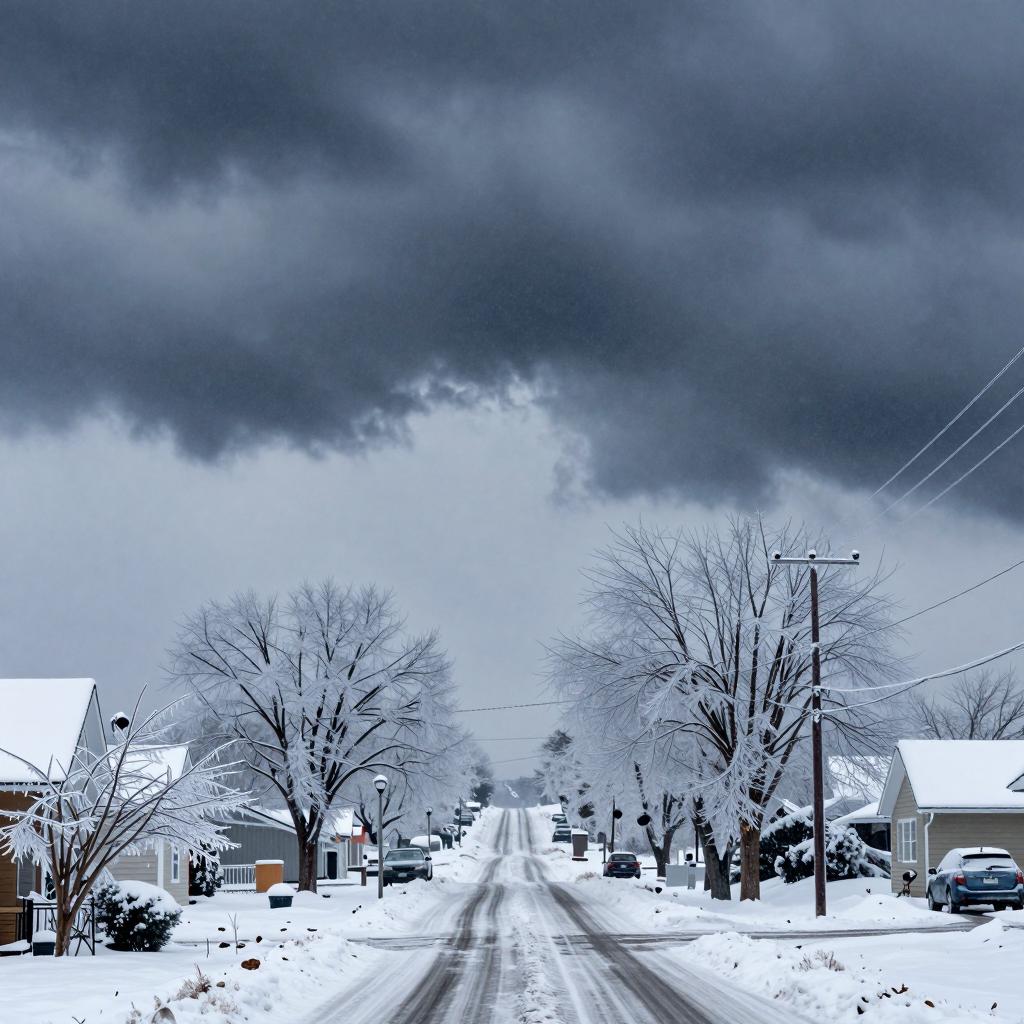
The Approaching Winter Disaster in the U.S. South
From Texas to the Carolinas, the threat posed by an extensive winter storm sweeping across the South this weekend is nothing short of alarming. How severe will the damage be?
As a widespread winter storm watch covers the southern U.S. this weekend, residents are growing increasingly concerned. The National Weather Service has issued warnings of heavy snow, sleet, and dangerous ice accumulating from Texas all the way to the Carolinas from Friday through Sunday.
This winter storm is far from a simple weather event. It is fueled by the collision of Arctic air descending from Canada meeting moist air rising from the Gulf of Mexico, earning it a reputation as “potentially catastrophic.” As the atmospheric river of moisture settles over the weekend, precipitation is expected to stretch from Texas and the Gulf Coast through Georgia and into the Carolinas.
The Catastrophic Impact of Ice Accumulation
Meteorologists are particularly worried about the build-up of ice. When more than half an inch (around 1.3 cm) of ice accumulates, the enormous weight can bring down trees and power lines, triggering widespread outages. Experts warn that ice could build up to an inch (2.5 cm) in some areas, leading to “disastrous” consequences for entire communities.
Risks of Transportation and Daily Life Paralysis
The South is notably ill-equipped compared to northern states to handle winter storms, making it likely that icy roads will remain treacherous and impassable for days after the storm passes. Major cities like Atlanta face temperatures plunging to 22°F (-5.6°C) early Monday, allowing ice to linger even longer.
Furthermore, key national hub airports—including Dallas, Atlanta, Memphis, and Charlotte—are expected to be heavily impacted by the winter storm watch, raising serious concerns over significant disruptions to air travel.
While this weekend’s threat is the most urgent, forecasts predict even harsher cold waves following midweek, far more severe than current chilling conditions in northern states. Experts warn that “extreme” cold—worthy of the peak of winter—will sweep through the region soon.
2. The Moment When Nature's Forces Collide: The Meteorological Origin of the Winter Storm Watch
Let's uncover the fundamental cause of this storm, born from the clash between Canada’s frigid polar air and the humid air of the Gulf of Mexico. What secrets lie hidden in the atmosphere?
The Perfect Storm Created by Extreme Atmospheric Collision
At the heart of this winter storm watch lies an extreme temperature contrast occurring in Earth's atmosphere. The freezing cold air mass descending from Canada and the warm, moist air rising from the Gulf of Mexico collide head-on over Texas skies. This clash is not just a simple weather change; it signifies a massive release of natural energy.
Moisture Inflow Carried by the Atmospheric River
Another key element amplifying this storm is the flow of water vapor carried by the atmospheric river. Much like a river flowing through the air, the atmospheric river transports enormous quantities of moisture, passing through Texas and the Gulf Coast region and continuing to supply precipitation all the way to Georgia and the Carolinas. When this water vapor meets the frigid air mass, it transforms into heavy snow, sleet, and the most dangerous freezing rain.
Accumulation of Freezing Rain: The Beginning of Disaster
The greatest concern in this winter storm watch is precisely the accumulation of freezing rain. Even half an inch (about 1.3 cm) of ice adds tremendous weight to trees and power lines, but when ice builds up over an inch (about 2.5 cm), it can trigger "catastrophic-level" widespread power outages. This isn’t just cold weather — it’s the physical strain caused by the extreme atmospheric collision exerting direct pressure on the Earth’s infrastructure.
Challenges in Forecasting and Atmospheric Dynamics
Meteorologists find it difficult to predict exact precipitation amounts because even millimeter-scale changes in the locations of high- and low-pressure systems can create major differences. The positions of the North Pacific high pressure, the track of Canadian low pressure, and the flow of moist Gulf air all must align in just the right way — resulting in heavy snow for some regions, while others experience freezing rain. This illustrates the complexity of atmospheric dynamics and showcases how delicately nature’s forces operate.
Section 3: The Weight of the 'Disaster' Created by Freezing Rain
As ice accumulates on trees and power lines, adding unbearable weight, witness the shocking reality of how a simple winter rain can cause irreversible damage.
Reevaluating the Danger of Freezing Rain Under a Winter Storm Watch
In the current storm under the National Weather Service’s winter storm watch, the most threatening element is freezing rain. Meteorologists’ greatest concern during these winter storm warnings is the accumulation of freezing rain—this is not just a matter of cold temperatures.
The Weight of Ice: A Sign of Infrastructure Collapse
When ice accumulates to half an inch (about 1.3 centimeters) or more, tremendous weight is placed on trees and power lines. In worsening conditions, ice accumulation can reach 1 inch (about 2.5 centimeters), a level meteorologists describe as “catastrophic.”
This heavy ice layer causes:
- Widespread power outages: The weight of ice breaks power lines and collapses transmission towers, potentially leaving millions without electricity.
- Massive tree damage: Trees crushed by ice break and block roads, causing additional power outages.
- Exacerbation of emergencies: Heating becomes impossible during outages, and medical facilities are affected.
Vulnerability of Southern Regions and the Vicious Cycle of Prolonged Recovery
Southern regions are ill-prepared for winter storms. With far fewer snow and ice removal resources than northern areas, road ice may remain for several days after the storm.
Major cities like Atlanta are expected to see temperatures drop to 22°F (-5.6°C) early Monday, causing ice once formed to persist for a prolonged period. This severely restricts the movement of emergency vehicles, rescue teams, and repair equipment, creating a vicious cycle that prolongs recovery efforts.
Infrastructure Failure and Daily Life Paralysis
The damage caused by freezing rain extends beyond the outdoors. Major hub airports nationwide—including Dallas, Atlanta, Memphis, and Charlotte—are affected, crippling air transportation and causing ripple effects throughout the economy.
Under the current winter storm warning, the difficulty in removing ice means it may take days to resume normal operations, putting countless people at risk of being stranded.
Section 4: Shocking Impacts That Could Bring Daily Life to a Halt
Roads are covered in ice, airports face paralysis. As the relentless cold wave continues, we enter an unpredictable crisis to witness what conditions cities may soon face.
Winter Storm Watch Issued: The Stark Reality Facing the Southern U.S.
The winter storm watch currently issued by the National Weather Service signals a threat far beyond a simple weather advisory. Stretching from Texas to the Carolinas, this storm is likely to cause damage exceeding our worst expectations. The accumulation of freezing rain, in particular, could reach an irreversible level of devastation, heightening tensions across the region.
Complete Breakdown of Transportation Systems
The southern region’s most vulnerable aspect lies in its limited deicing equipment and infrastructure. Once more than half an inch of ice coats the roads, even major cities like Atlanta will inevitably sink into days of gridlock. The expected bone-chilling temperature of 22°F (-5.6°C) early Monday will cause ice to linger much longer on the streets.
Residents must prepare for near-impossible mobility over the coming days—meaning daily activities like commuting, school runs, and grocery shopping could all come to a halt.
Nationwide Paralysis in Air Travel
With major hub airports such as Dallas, Atlanta, Memphis, and Charlotte all simultaneously impacted, this situation goes well beyond mere flight delays. Cancellations will disrupt business schedules, connecting flights, and leave thousands of passengers stranded. The ripple effect is expected to extend beyond the South, affecting the entire national air travel network.
Power Grid Collapse on the Horizon
Experts’ biggest fear is a widespread power outage scenario. Ice accumulation exceeding one inch (about 2.5 cm) exerts tremendous strain on power lines and trees. Should widespread blackouts occur, critical infrastructure—heating, water supply, and communications—could fail entirely. Coupled with plummeting temperatures, such an event could prove nothing short of catastrophic.
Economic and Social Domino Effects
These impacts transcend weather-related inconvenience, triggering economic losses and social chaos. Business closures, shuttered retail stores, and inaccessible medical facilities could cascade across communities. Vulnerable populations, especially the elderly, face dire survival challenges.
The current winter storm watch serves as a stark warning of all these potential threats. Residents in the South must recognize the gravity of this moment and respond with thorough, proactive preparation.
Section 5. Wise Preparation and Response Against the Storm
The winter storm sweeping from Texas to the Carolinas this weekend is more than just a weather report—it poses a serious threat that could disrupt our daily lives. With the National Weather Service issuing a winter storm watch, what is the smartest choice residents can make? Thorough preparation in advance.
Essential Supplies Under a Winter Storm Watch
To brace for widespread power outages and traffic paralysis caused by freezing rain and heavy snow, first stock up on basic necessities.
Water and Food: Prepare at least a three-day supply of water and non-perishable foods. Since power outages may disable refrigerators, focus on canned goods, nuts, cereals, and energy bars.
Medications and First Aid: If you need prescription medicines, have extra on hand, and pack basic emergency supplies like bandages, anti-inflammatory drugs, and a thermometer.
Heating Supplies: Anticipate outages by securing blankets, fuel for heaters, and batteries. If using indoor heaters, ensure proper ventilation to prevent carbon monoxide poisoning.
Traffic and Vehicle Safety Checks
Southern cities often lack adequate snow and ice removal equipment, so roads may remain hazardous for days after the storm. Vehicle inspections are therefore essential.
Battery Check: Cold weather reduces battery performance; verify your battery works properly ahead of time.
Tire Management: Strongly recommend winter tires for driving on snow and ice, and check tire pressure carefully.
Emergency Kit: Keep jumper cables, flashlights with extra batteries, a first aid kit, and blankets in your vehicle at all times.
Home Preparation Against Power Outages
Experts warn that catastrophic ice accumulation could weigh heavily on power lines, causing massive outages. To prepare, make sure you have:
Batteries and Lighting: Stock ample extra batteries and flashlights. Avoid candles due to fire risk, and opt for LED or battery-operated lights instead.
Device Charging: Fully charge smartphones, tablets, laptops, and other essentials before the storm hits.
Hot Water Supply: If you have a gas stove, it’s helpful; otherwise, fill your bathtub with water as a backup for electric heating dependency.
Strengthening Community Connections
Individual preparedness is vital, but so is mutual aid among neighbors. Especially in areas with elderly or isolated residents, checking in after the storm can be a lifeline.
Neighbor Check-Ins: Establish a network to verify the safety of those living alone, particularly seniors, once the storm passes.
Community Information Sharing: Continuously monitor local news and weather updates, and share trustworthy information with neighbors.
Conduct Guidelines Under a Winter Storm Watch
When the storm approaches, residents should follow clear actions.
Limit Driving: Avoid going out during the storm if possible. If travel is unavoidable, drive slowly and seek safe shelter immediately if road conditions deteriorate.
Stay Indoors: Spend the storm inside, enjoying time with family.
Regular Updates: Keep checking weather updates and emergency alerts via radio or smartphone.
Lessons Left by This Storm
This winter storm watch sends a crucial message to residents in the South: in an era of unpredictable, extreme climate changes, individual and community preparedness is paramount.
For Texans accustomed to warm weather, how well they handle sudden freezing temperatures and ice depends on their readiness. This is a moment to review emergency plans at home and strengthen the bonds of trust and cooperation among neighbors—a mark of wise citizenship.
The storm will pass soon enough. But how well we navigate this crisis will shape our capacity to face even greater challenges ahead.
Comments
Post a Comment