Marsala Wine: Embracing the Secrets of Antiquity
Did you know that the secret behind its complex and profound flavor lies within the Solera aging system? Marsala wine is more than just a drink—it is a masterpiece embodying centuries of winemaking craftsmanship.
The Unique Aging Process of Marsala Wine
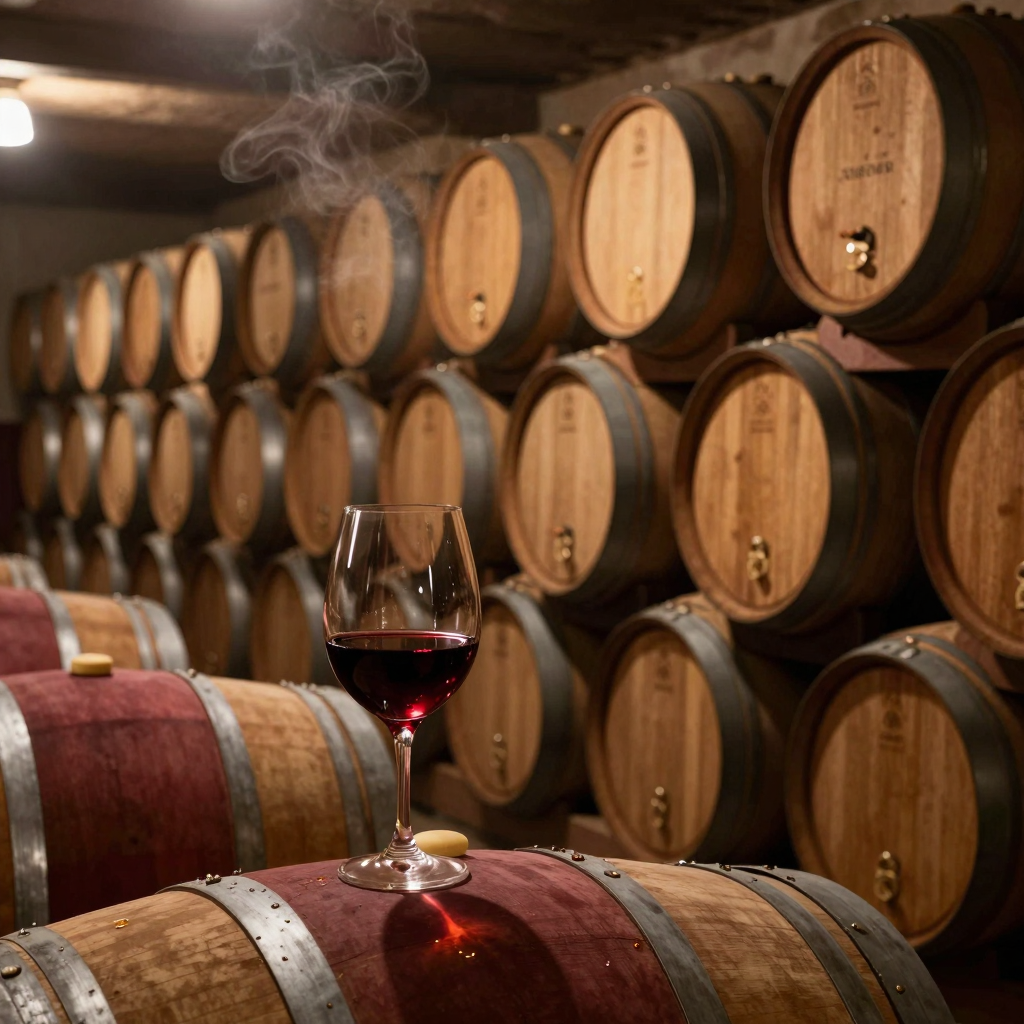
The hallmark of Marsala wine is its Solera aging system. This traditional method imparts an unparalleled complexity and depth to the wine. The Solera system operates by arranging multiple tiers of oak barrels in a cascading fashion, gradually blending aged wine with newer vintages.
Through this distinctive process, Marsala wine accumulates layered flavors passed down through generations. Each barrel holds the essence of wines from previous eras, and with each addition of new wine, intricate flavor dimensions are woven in. This is the secret behind Marsala wine’s uniquely rich flavor profile.
Where Tradition Meets Modernity
Today, Marsala wine is a legally protected product, a testament to global efforts ensuring its quality and authenticity. Produced in Sicily, Italy—a renowned wine region—Marsala wine captivates wine lovers all around the world.
The traditional Solera aging method remains at the heart of Marsala winemaking even today. This system goes beyond mere aging; it embodies a winemaking philosophy handed down through generations. When you savor a glass of Marsala, you are experiencing a beautiful fusion of history and the present within every sip.
2. The Solera Aging System: Crafting the Soul of Marsala
Curious about how a centuries-old unique aging method breathes magical flavor into wine? To truly understand the essence of Marsala wine, you must explore the heart of this Italian legend: the Solera aging system.
The Historical Background and Significance of the Solera System
Solera derives from the Spanish word for 'ground.' This name reflects the concept that wine matures slowly through multiple stages of barrels, much like being absorbed gradually through the earth. Marsala producers have perfected this traditional method over decades, even centuries, and continue to uphold it rigorously today.
How the Solera System Works
The Solera aging system arranges multiple barrels in hierarchical layers. A portion of wine is drawn from the bottom layer containing the oldest wine and bottled, then the space is replenished with wine from the upper barrels. Repeating this process blends vintages and maturation stages, maintaining a consistent flavor profile.
In Marsala’s case, this system transcends mere aging; it defines the wine’s identity. New wine constantly merges with the aged, layering complex flavors and crafting a deep, rich taste profile.
The Chemical Process Creating Complexity and Depth
During Marsala’s Solera aging, diverse chemical transformations occur. Interactions between the barrels and the wine, oxidation, and microbial activity all converge to develop unique flavors. Notes of caramel, nuts, raisins, and dried fruit gradually emerge over time, enriching the wine’s intricate aroma.
Ensuring Quality and Consistency
Today, Marsala is a legally protected product, with its aging through the Solera system enshrined as a standard. This mandates producers to follow this traditional method, allowing consumers to trust the consistent quality and character of Marsala wine.
The Solera aging system is far more than just a method to pass time. It represents the craftsmanship that elevates Marsala into a true work of art, carrying forward centuries of experience and tradition. When you savor a glass of Marsala, you are truly experiencing a complex journey of flavors passed down through generations.
The Current Status of Marsala Wine Under Legal Protection
Why is Marsala wine legally protected? Let’s explore the efforts made to preserve the true value of this wine.
The Legal Protection System of Marsala Wine
Today, Marsala wine is more than just a beverage; it is a precious cultural heritage safeguarded by law. This legal status ensures the quality, production methods, and historical authenticity of the wine. Marsala’s legal protection stems from its unique production process passed down in the Sicilian region of Italy, which results in its distinctive flavor.
The Importance of the Solera Aging System
The most defining feature of Marsala wine is the Solera aging system. This traditional method goes beyond merely aging wine; it is a complex process that blends wines from different years in hierarchical layers during maturation.
Through the Solera system, Marsala wine attains the following characteristics:
- Complexity: The fusion of wines from various years creates a profound flavor
- Depth: Layers of flavor accumulate over time
- Consistency: A technical foundation enabling the production of wine with uniform quality year after year
This aging technique crafts the unique flavor profile exclusive to Marsala wine, and it is precisely why the wine receives legal protection.
Harmony of Tradition and Modernity
The legal protection of Marsala is the result of efforts to preserve traditional production methods even in modern times. This ensures Marsala wine maintains its stature in the global wine market and guarantees consumers an authentic product. Legal regulations are not mere restrictions but practical safeguards designed to pass the matured value of Marsala on to future generations.
Section 4: The Untold Story of an Unknown Market — Marsala Wine Trends in the United States
Production and protection are flawless, but what changes and trends are actually unfolding in the U.S. market? Let’s uncover the secrets behind this surprising gap.
Marsala’s Hidden Position in the U.S. Wine Market
Marsala wine enjoys strict legal protection in Europe and maintains a world-renowned reputation through the solera aging system. Yet, whether this prestige translates to the American market remains a mystery. Concrete data revealing how much U.S. wine consumers care about Marsala and which regions show the greatest popularity is astonishingly hard to find publicly.
The Meaning Behind the Data Void
The current limitations in available information are unmistakable. Up-to-date news on the Marsala market from 2025-2026, sales patterns across the U.S., and especially consumption details by states including San Francisco, are notably scarce. This lack goes beyond mere data gaps—it raises critical questions about the true standing of this protected Italian wine within the American market.
The Need for U.S. Wine Import Data
For a more comprehensive analysis, U.S. wine import statistics, industry reports, and consumer behavior studies are essential. Particularly intriguing is understanding Marsala’s actual consumption volume and market scale in the U.S., where it is often used as a cooking ingredient. This informational void today leaves our grasp of the wine market incomplete.
Directions for Future Exploration
To grasp Marsala’s trajectory in the U.S. market, we need the latest industry news, distribution channel insights, and detailed studies on regional consumer preferences. Only when this information emerges can we truly see what story this European-protected wine is writing in the markets of the New World.
Section 5: Envisioning the Future: The Next Chapter in the Marsala Wine Market
Interest in the future of Marsala wine is steadily growing among industry experts. How this Italian vintage, boasting centuries of tradition, will evolve in the modern market—and how it will adapt to shifting consumer tastes—is a fascinating topic.
The Revival and Potential of Marsala Wine
In recent years, renewed attention to classic wines has opened new doors for Marsala, traditionally crafted using the solera aging system. The revival of cocktail culture and the expansion of premium wine consumers create a favorable environment for Marsala’s resurgence. Wine experts at home and abroad anticipate that Marsala’s complex flavor profile and versatile applications will resonate strongly with the next generation of consumers.
Information Gaps and the Need for Research
However, realistic challenges remain in accurately forecasting Marsala’s market outlook. Current available data lack detailed insights into Marsala’s latest market trends, particularly specific sales figures and consumption patterns in key regions including the United States. Comprehensive data on industry news, production changes, and regional market status after 2025 are critically needed.
Future Research Directions and Expectations
A deeper analysis of the Marsala wine market requires essential additional information. International wine import statistics, up-to-date market reports from major consuming countries, and official data from producers’ associations will clarify Marsala’s current standing and future trajectory. Armed with this information, it will be possible to more precisely predict how Marsala can strengthen its market position by blending tradition with innovation.
Alongside experts’ optimistic forecasts, Marsala wine is poised to enter a new era. In this journey, reliable data and research will serve as the most vital compass guiding the industry’s growth.
Comments
Post a Comment