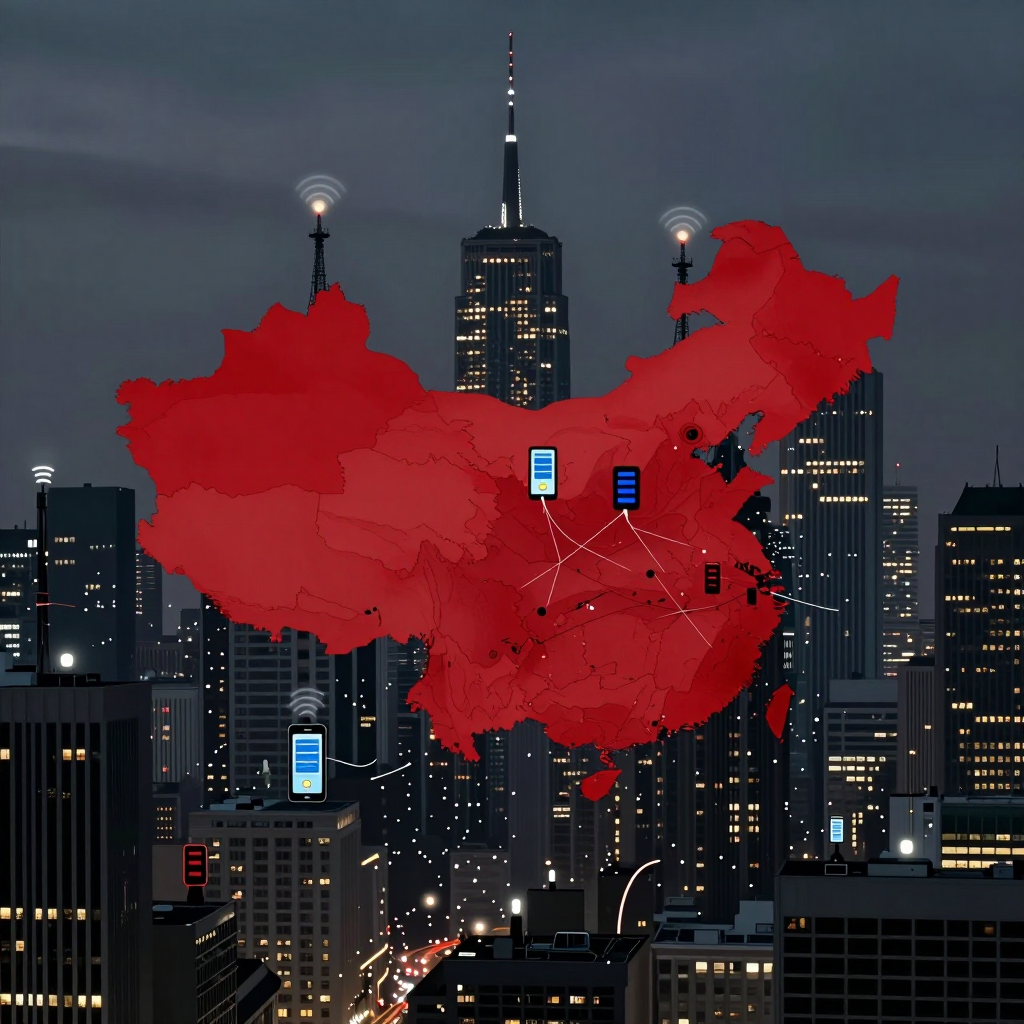
Massive Verizon Network Outage Paralyzes Entire United States
On January 14, 2026, the United States faced a historic communication failure. With over 170,000 reports of service disruptions, this massive Verizon outage struck nationwide, sweeping from the East Coast all the way to the West Coast. But how did such an extensive network collapse occur? And just how severe was the impact on American society? In this article, we dive deep into the scale of the Verizon network outage, its widespread effects, and the vulnerabilities it exposed within modern communication infrastructure.
The Onset and Rapid Spread of the Verizon Outage
Beginning around 9:30 AM local time (Pacific Standard Time) and continuing until approximately 12:30 PM (Eastern Standard Time), this Verizon outage spread at an unprecedented pace across the country. According to tracking data from Downdetector, peak disruption reports exceeded 170,000, later easing to about 120,000. This was no simple local glitch — it was a nationwide, large-scale failure.
Key Affected Areas and Customer Scale
The Verizon network failure impacted major metropolitan hubs including New York, Los Angeles, Chicago, Boston, and Washington D.C., alongside diverse regions such as New Jersey, the Carolinas, Texas, and Florida. Spanning coast to coast, this outage directly affected millions of users, while countless others suffered indirect consequences due to an inability to communicate.
The Critical Severity of Simultaneous Multi-Service Disruptions
The most alarming aspect of the Verizon outage was the simultaneous shutdown of voice, text, and data services. Affected users lost basic communication capabilities — calls failed, texts could not be sent or received, and mobile data connections were unavailable. iPhone users witnessed their usual signal indicators replaced by an “SOS” icon, visually underscoring the gravity of the situation.
Fortunately, users of the iPhone 14 and later models had limited communication options through the satellite-based “Messages via Satellite” service. This demonstrated how cutting-edge technology can play a vital role when conventional networks collapse.
Verizon’s Lack of Transparency and Response
Verizon refrained from disclosing the specific cause of the service outage or offering a timeline for recovery. Company spokespeople repeated the generic statement that "engineering teams are working swiftly to identify and resolve the issue." Several updates were issued around 2:14 PM and 4:12 PM local times, but none provided clear explanations or concrete restoration schedules.
This lack of transparency heightened customer anxiety and significantly undermined trust in the carrier.
Industry Reactions and Implications
Interestingly, T-Mobile confirmed its network remained fully operational, noting that Verizon customers might not be able to reach T-Mobile users during the outage. Minor surges in disruptions were reported by AT&T and T-Mobile, likely reflecting indirect impacts from the Verizon failure.
This event illuminated two critical challenges: the fragility of modern communication infrastructure and the glaring transparency deficit among major carriers. The experience of millions being deprived of basic communication services for over five hours raises fundamental questions about the reliability of national infrastructure beyond mere technical faults.
Ripple Effects of Disruption: Verizon Outage Strikes Nationwide
From New York and Los Angeles to Washington D.C.—the Verizon outage on January 14, 2026, was far more than a technical glitch; it was a massive disaster that paralyzed communication networks across the United States. Let’s explore how this colossal disruption spread coast to coast and the chaos it unleashed in various regions.
Widespread Geographic Spread of the Verizon Outage
Starting around 9:30 AM Pacific Standard Time and extending to about 12:30 PM Eastern Standard Time, the outage spread across the nation at an unpredictable pace. Real-time tracking data from Downdetector revealed over 170,000 disruption reports at peak times—not just a local hiccup, but a nationwide system failure.
Affected areas ranged widely, including New York, New Jersey, North Carolina, Texas, and Florida. Especially striking was the simultaneous impact on major U.S. metropolitan hubs like New York, Los Angeles, Chicago, Boston, and Washington D.C., delivering a severe blow to the national economy and social infrastructure.
The Shock of Simultaneous Service Disruptions
The most alarming aspect of this outage was its simultaneous shutdown of voice, text, and data services. Users were unable to place calls, send messages, or access the internet via mobile data. Such a crisis level threatened even emergency response systems.
iPhone users, in particular, were confronted with the ‘SOS’ icon instead of the usual network signal, starkly highlighting the severity of the network failure and amplifying public anxiety. The one beacon of hope came from the latest iPhone models—iPhone 14 and above—which could maintain limited communication through satellite-based messaging services (Messages via Satellite).
Lack of Transparency in the Recovery Process
As the Verizon outage dragged on, the company’s response was notably inadequate. Verizon did not disclose the cause of the issue nor provide a clear recovery timeline. Statements from company spokespeople were limited to vague assurances like, “Engineering teams are working swiftly to identify and resolve the problem.”
Several updates issued locally at 2:14 PM and 4:12 PM reiterated only that the teams were “actively working” without delivering specific information. This lack of transparency fueled growing distrust among users and exacerbated the overall situation.
Domino Effects Within the Industry
Interestingly, T-Mobile clarified that its network remained fully operational. Yet, the fact that Verizon customers might have been unable to contact T-Mobile users revealed that this outage’s impact went beyond just Verizon’s subscriber base. AT&T and T-Mobile also reported minor spikes in issues, although no direct link to Verizon’s outage was established.
Ultimately, this event exposed the fragility of modern communication infrastructure, leaving millions without basic communication services for over five hours—a truly widespread and sobering impact.
3. Communication Blackout Revealed by the Verizon Outage: Service Shutdown from Voice to Data and the iPhone’s ‘SOS’ Signal
In the midst of failed calls, inability to send or receive texts, and no mobile data access, what survival options did iPhone users find? The Verizon outage on January 14, 2026, exposed more than a mere technical glitch—it starkly revealed just how deeply modern life depends on communication infrastructure.
The Reality of Widespread Service Interruptions During the Verizon Outage
The most severe aspect of this massive outage was that all communication services were simultaneously paralyzed. Voice calls, SMS, and mobile data were all cut off at once, leaving users in complete isolation.
Affected customers couldn’t even call 911 in emergencies, nor could they contact family or friends in any form. Routine activities like checking social media or browsing were impossible, and every facet of digital life—email, location sharing, online banking—was blocked.
The Meaning Behind the ‘SOS’ Icon Experienced by iPhone Users
Amid this extreme situation, iPhone users saw a startling change on their screens. The usual network signal icon transformed into the ‘SOS’ lettering. This was no mere aesthetic tweak but a clear sign that the device had lost all standard network service.
Yet, even in this desperate moment, there was a glimmer of hope. Customers with the latest models, iPhone 14 and above, were able to access a satellite-based messaging service (Messages via Satellite). This technology enables sending and receiving text messages via satellites overhead even without any terrestrial network.
The Upside and Downside of Advanced Features: Who Could Use Satellite Messaging?
The satellite messaging service highlighted both the promise of next-generation smartphone technology and the unequal reality of the digital age. This life-saving function was available only to users who owned high-end models like the iPhone 14 or later.
People with older iPhones or cheaper smartphones from other manufacturers remained completely cut off during the outage. Vulnerable groups such as the low-income and elderly likely suffered the most severe consequences.
Lessons Left by the Verizon Outage
This incident laid bare how fragile our modern communication infrastructure really is, as well as the glaring inadequacies in major carriers’ technological investments and backup systems. It also underscored the uncomfortable reality that cutting-edge technology isn’t equally accessible to everyone, and that disparities in technology can translate directly into disparities in survival during crises.
Lasting over five hours, this widespread outage reminded us how dependent we are on vulnerable communication systems—and reinforced the urgent need for genuine network stability and inclusive technological advancement.
Why Did Verizon Stay Silent? The Mystery of Verizon Outage Response and Lack of Transparency
Verizon’s mysterious response—failing to disclose the cause or recovery timeline—only heightened customer anxiety. But why did the company withhold clear answers?
Verizon’s Consistent Strategy of Silence
The Verizon outage on January 14, 2026, exposed not just a technical failure but a corporate transparency problem. Despite a massive disruption affecting over 170,000 service incidents, Verizon never officially revealed a detailed cause. Instead, they repeatedly issued vague statements such as, “The engineering team is working to identify and resolve the issue.”
Multiple updates were released throughout the afternoon—at 2:14 PM, 4:12 PM local time, and beyond—but all contained nearly identical language. The pressing question on customers’ minds—“When will service be restored?”—went unanswered. This silence didn’t just reflect a lack of information; it spiraled into a full-blown trust crisis.
Lack of Explanation Amid Over Five Hours of Outage
Hours after the Verizon outage unfolded, the company offered no concrete progress updates on identifying the problem’s root cause. Millions of users were cut off from voice, text, and data services, yet Verizon’s response felt formal and insincere rather than genuine.
In the absence of clear answers, speculation ran rampant. Was it a cyberattack? A system failure? Equipment malfunction? Verizon failed to provide transparent information that might have soothed these fears. This raises critical questions about how a modern telecommunications provider should communicate with its customers during crises.
Contrasting Industry Reactions
Interestingly, T-Mobile swiftly announced that their network remained operational and even warned that Verizon customers might experience outages. When small surges were reported on AT&T and T-Mobile networks, both companies made efforts to clarify the situation’s disconnect from Verizon’s issues.
Verizon’s silence sharply contrasted with other carriers’ relative transparency. Even within the same industry, crisis response strategies could not have been more different.
The Trust Crisis Left by Lack of Transparency
The most serious fallout from the Verizon outage is the erosion of customer trust. Technical glitches may eventually be fixed, but without transparent communication, regaining confidence is much harder. Customers moved from asking “Why is there no update?” to the more fundamental doubt: “Can I trust this company?”
In today’s world, telecommunication services aren’t just options; they’re essential infrastructure. Verizon owed its customers not excuses, but facts, regular progress reports, and plans for future prevention. Their choice to remain silent ignored all these duties—and the consequences will linger in customers’ minds for a long time.
Section 5. Questioning the Future of Communication Infrastructure: The Lesson Left by the Recent Outage
The Verizon outage on January 14, 2026, exposed more than just a technical glitch—it revealed fundamental flaws at the core of modern society. When over 170,000 users lost voice, text, and data services simultaneously for more than five hours, we realized just how fragile the communication networks we depend on truly are.
Infrastructure Limits Exposed by the Verizon Outage
The most striking aspect of this incident was not simply the outage itself, but what followed. Verizon neither disclosed the cause of the failure nor provided a timeline for restoration. Instead, they repeatedly issued vague statements that “the engineering team is actively working.” This epitomizes a lack of transparency.
In today’s world, communication services are no longer optional. Emergency calls, medical information access, work coordination, and family connections—all depend on the network. When wide-ranging outages like the Verizon incident occur, users deserve clear information and swift responses.
The Necessity for Change to Secure Reliability
This outage, which affected areas spanning from the US East Coast to the West Coast, highlighted the dangers of centralized network infrastructure. A single point of failure quickly rippling nationwide proved the risks all too clearly.
The future path for the telecom industry is clear:
First, network redundancy and decentralization. Reinforced backup systems and mechanisms that automatically activate alternative routes during failures are essential. To minimize incidents like the Verizon outage, eliminating single points of failure is critical.
Second, transparent communication. Providers must promptly share causes, impact scope, and estimated recovery times during outages. Users have the right to understand and react to unfolding situations.
Third, stronger regulations. Governments should impose stricter reliability standards on major carriers and clearly define accountability when outages occur.
The Promise of Technological Innovation
Fortunately, signs of progress exist. During the Verizon outage, iPhone 14 and newer users could leverage satellite-based messaging services, showcasing ongoing advances in communication technology.
Going forward, hybrid networks comprising diverse communication channels should become the norm. Satellite communications, mesh networks, and emerging 6G technologies will complement conventional cellular networks, forging a more resilient communication ecosystem.
What We Must Do
Users also need to drive change. Pressure must be applied to prevent repeats of outages like Verizon’s—demanding transparency and seeking out more dependable providers.
At the personal level, preparation is crucial. Emergency plans for communication failures, maintaining offline contact lists, and securing alternative communication methods are now essential skills in our era.
Conclusion: Rebuilding Trust
The Verizon outage served as a wake-up call. It clarified that modernizing and strengthening communication infrastructure, operating transparently, and adopting a user-focused service philosophy are no longer optional.
Future communication networks must be not just faster, but stable, predictable, and above all, trustworthy. How the telecom industry addresses the challenge left by this incident is now a matter demanding everyone’s close attention.
Comments
Post a Comment