 \n
\n
The Life-Threatening Danger Behind Sudden Breathlessness: What Is Pulmonary Embolism?
If sudden breathlessness and chest pain are not just simple fatigue but signs of a life-threatening pulmonary embolism, how would you respond? Many people brush it off thinking, “I’ll be fine after a short rest,” but pulmonary embolism (PE) is an emergency where that brief hesitation can turn dangerous.
Pulmonary embolism occurs when a blood clot formed in the leg, pelvis (sometimes the arm) travels through the bloodstream and blocks the pulmonary artery, cutting off blood flow to the lungs. In other words, even if your lungs take in oxygen, without proper blood flow, oxygen cannot reach your entire body. The longer the treatment is delayed, the greater the risk to your life, making “immediate evaluation if suspected” absolutely critical.
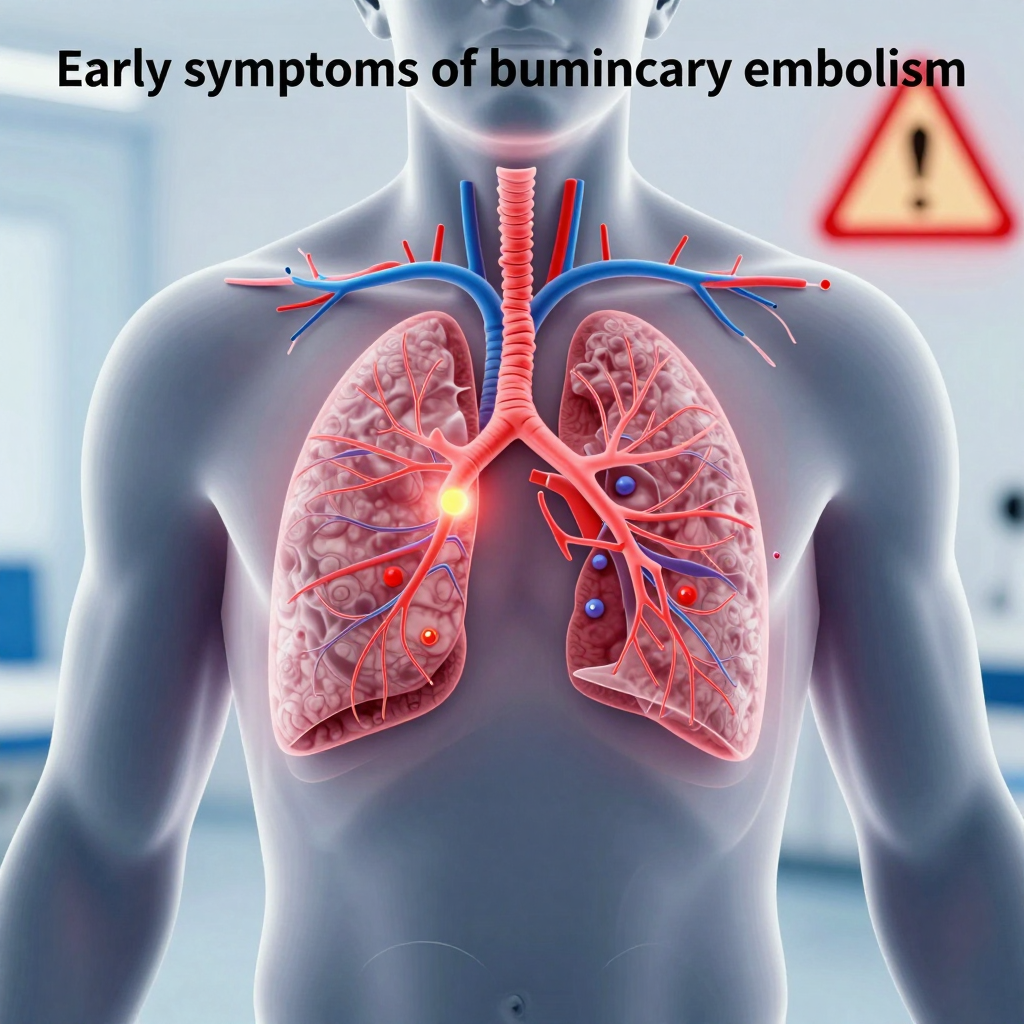
Especially if the following symptoms appear suddenly, it might be more than just a simple condition issue:
- Sudden breathlessness
- Chest pain
- A feeling of a rapidly beating heart (tachycardia)
- Coughing up blood
A crucial point here is that breathlessness, one of the hallmark symptoms of pulmonary embolism, is the most commonly observed sign. On the other hand, some patient groups (like cancer patients) may experience less chest pain, so assuming “no chest pain means it’s nothing serious” could actually be dangerous.
Pulmonary embolism often originates from deep vein thrombosis (DVT). Blood clots form in the leg, and the clumps break off and travel to the lungs; this is the most typical pathway. Therefore, if one leg is unusually swollen or painful, tender, or shows changes in skin color or temperature, don’t overlook it as merely a “leg problem”—it could be the starting point of a pulmonary embolism.
Disaster Starting from the Leg: The Link Between Deep Vein Thrombosis (DVT) and Pulmonary Embolism
Did you know that leg swelling and pain are not just simple muscle aches but can develop into deadly blood clots that threaten the lungs? While many casually shrug it off as “just overexertion,” blood clots quietly grow and can lead to pulmonary embolism. The real danger lies in how quickly this process can happen, often with subtle or ambiguous early signs.
Why DVT Is Dangerous: How ‘Blood Clots in the Leg’ Become a ‘Lung Emergency’
Deep vein thrombosis (DVT) occurs when blood clots form in the deep veins of the legs or pelvis. If these clots break loose and travel through the bloodstream to block the pulmonary artery, it results in pulmonary embolism. In other words, DVT is not just a “leg problem” but the starting point of a life-threatening emergency blocking blood flow in the lungs.
Warning Signs of DVT: Easily Overlooked ‘Unusual Signals from the Leg’
DVT may not begin with clear symptoms like a common cold. But when you notice the following signs together, it’s hard to simply dismiss them as muscle pain.
- Leg swelling (often noticeable in one leg more than the other)
- Pain or tenderness (especially in the calf or thigh)
- Changes in skin temperature (feeling unusually warm to the touch)
- Skin color changes (redness or discoloration)
Each of these signs carries weight alone, but combined, they strongly suggest the possibility of DVT.
From DVT to Pulmonary Embolism: The Body’s ‘Warning Signals’ of a Dangerous Shift
When the clot moves to the lungs causing a pulmonary embolism, the symptoms change dramatically and suddenly. Key signs you should never ignore include:
- Sudden shortness of breath
- Chest pain
- Rapid heartbeat
- Coughing up blood
This is not a time to wait and watch—immediate medical evaluation is critical.
Early Detection Matters: DVT Can Be Spotted Through Ultrasound
DVT can be diagnosed with a relatively simple ultrasound test. The more vague and persistent your leg pain and swelling are, the more important it becomes to get checked early—because time spent confirming can change the outcome more than time spent enduring. Early diagnosis and swift treatment are by far the most practical ways to reduce the risk of developing a life-threatening pulmonary embolism.
The Dangerous Link Between Pulmonary Embolism and Cancer: Why Cancer Patients Need to Be Extra Cautious
Statistics revealing that cancer patients are up to seven times more likely to develop pulmonary embolism (PE) than the general population are far from exaggerated. It’s only natural to wonder, “I’m already struggling with cancer treatment—why do I have to worry about blood clots too?” The crucial point is that both cancer itself and its treatments create an environment that makes blood clots more likely to form.
Why Cancer Heightens the Risk of Pulmonary Embolism
Cancer can disrupt the body’s coagulation system, triggering a hypercoagulable state where blood clots form more easily. When combined with treatment and lifestyle changes, the risk escalates significantly.
- Impact of the cancer itself: Certain cancers, especially gastrointestinal, pancreatic, and lung cancers, are known to carry a higher risk of venous thromboembolism (VTE).
- Effects of treatment: Chemotherapy and hospitalization can increase blood clot risk by causing inflammation, damaging blood vessels, and reducing physical activity.
- How DVT leads to PE: Many pulmonary embolisms result from deep vein thrombosis (DVT)—blood clots formed in the legs or pelvis—that break off and block arteries in the lungs.
The Danger of “Less Typical” Symptoms in Cancer Patients
Classic signs of pulmonary embolism include sudden shortness of breath, chest pain, rapid heartbeat, and coughing up blood. While shortness of breath consistently stands out as a key symptom across patients, studies show that cancer patients report chest pain less frequently (5.7% vs. 14.2%).
This subtle difference means patients might mistakenly think, “No chest pain, so it’s probably nothing,” increasing the risk of delayed diagnosis.
Pulmonary Embolism in Cancer Patients Carries Higher Mortality and Complication Risks
The issue for cancer patients isn't just the higher occurrence of PE—it’s that the outcomes tend to be far more severe.
- In-hospital mortality: Cancer patients show significantly higher death rates than non-cancer patients (17.3% vs. 7.3%).
- Bleeding complications: Although anticoagulant therapy is essential, cancer patients also face a greater risk of bleeding (15.9% vs. 6.8%).
- In some cases, patients undergoing chemotherapy have died directly from PE, underscoring the need for vigilant risk management.
A Subtle Warning Sign: Trousseau Syndrome Could Be a Clue
Trousseau syndrome, characterized by recurring or multi-site blood vessel inflammation and clotting, is linked to cancers such as pancreatic, stomach, and lung cancer. In rare cases, it can surface months to years before the tumor is even detected. If you experience unexplained, repeated clotting problems, it’s critical to consult your healthcare provider for thorough evaluation.
Practical Checkpoints: Act Immediately on These Warning Signs
If you have cancer or a history of cancer treatment, don’t brush off these symptoms as mere “routine discomfort”:
- Sudden shortness of breath, breathing faster and shallower than usual
- Dizziness, severe palpitations, unexplained coughing or coughing up blood
- One-sided leg swelling, pain, warmth, or discoloration (possible DVT warning signs)
If you notice any of these symptoms, consider the possibility of pulmonary embolism and contact a medical facility or seek emergency evaluation without delay. Early diagnosis and prompt treatment can dramatically improve your prognosis.
Preventing Pulmonary Embolism through Early Diagnosis and Treatment: Time and Choices That Determine Survival
Deep vein thrombosis (DVT) can be relatively easily diagnosed with an ultrasound examination. But the problem doesn’t end there. If DVT is missed, the clot can travel and cause a pulmonary embolism (PE). Conversely, even with timely and successful treatment, up to half of patients may suffer from chronic complications, casting a ‘dark shadow’ over recovery.
Why Catching DVT Before It Develops into Pulmonary Embolism Is Crucial
The starting point of pulmonary embolism is usually DVT in the legs or pelvis. From the moment the clot blocks the pulmonary artery, every second counts.
Thus, the strategy is clear:
- Confirm quickly at the suspicion stage: If signs like leg swelling, pain/tenderness, or changes in skin temperature and color appear, don’t just “wait and see”—verify with testing immediately.
- Early diagnosis changes prognosis: Pulmonary embolism is known to significantly improve survival with early diagnosis and prompt treatment.
The Problem That Lingers After Pulmonary Embolism Treatment: Post-Thrombotic Syndrome (PTS)
Even after proper treatment, up to 50% of patients may develop post-thrombotic syndrome (PTS). PTS is more than mere discomfort—it erodes quality of life over the long term.
- Chronic pain
- Persistent swelling
- Heaviness and discomfort in the leg
In other words, surviving the “immediate danger” of pulmonary embolism isn’t the end—long-term management and monitoring after treatment are crucial for patient well-being.
For Those at Risk of Pulmonary Embolism, an Even Earlier Response Is Needed
Especially, cancer patients face up to a 7-fold increased risk of venous thromboembolism (VTE), with higher rates of hospital mortality and bleeding complications. This means that even with the same symptoms, the threshold for testing in high-risk groups must be lower.
If you experience symptoms like shortness of breath, chest pain, rapid heartbeat, or coughing up blood-tinged sputum, don’t dismiss it as just a “minor condition.” Choosing immediate medical evaluation can be the key to survival.
Warning Signs: Pulmonary Embolism and Trousseau Syndrome – The Critical Need for Swift Action
Trousseau syndrome, a warning your body may have been sending for months or even years, holds a secret that could save your life if recognized early. This syndrome is not just a simple sign of “vascular issues”; it can be a clue pointing to a recurring, cancer-related tendency for blood clots. At the darkest end of this path lies the potentially fatal threat of pulmonary embolism.
What Trousseau Syndrome Means: “Recurring Clots” Are Not Just a Coincidence
Trousseau syndrome is characterized by repeated episodes of vascular inflammation and thrombosis occurring in multiple areas, and it is especially linked to cancers such as pancreatic, stomach, and lung cancer. Crucially, these signs can emerge months or even years before the actual tumor is discovered.
In other words, your body is sending an early warning: “An environment prone to blood clots is forming.”
Why You Must Act Quickly: Because DVT Can Lead to Pulmonary Embolism
Pulmonary embolism typically develops when deep vein thrombosis (DVT)—a clot commonly starting in the legs or pelvis—breaks free and travels to the pulmonary artery. Cancer dramatically increases the risk of venous thromboembolism (VTE), and cancer patients face higher rates of in-hospital mortality and bleeding complications compared to those without cancer.
The bottom line: The earlier you detect the “blood clot signals,” the better your chances of stopping pulmonary embolism before it strikes.
Practical Checkpoints You Cannot Ignore: The Answer Is ‘Testing’
If you experience any of the following recurring or new signs, don’t simply attribute them to feeling off—seek medical advice promptly.
- DVT Suspicious Signs: swelling in one leg, pain or tenderness, changes in skin temperature, skin discoloration or redness
- Pulmonary Embolism Suspicious Signs: sudden shortness of breath, chest pain, rapid heartbeat, coughing up blood
DVT can often be confirmed with a simple ultrasound scan. Instead of “wait and see,” remember: the more uncertain you are, the more important it is to get tested.
The Key to Rapid Response: Focus on the ‘Pattern’ More Than the ‘Symptoms’
The message behind Trousseau syndrome lies not in a single incident but in its repetition and multiplicity. If unexplained thrombotic problems persist, don’t settle for basic treatments alone—consider evaluation for underlying causes, including cancer.
Early diagnosis and prompt treatment can change outcomes and, most importantly, prevent emergencies like pulmonary embolism.
Comments
Post a Comment