 \n
\n
Winter Storm and Blizzard Warning in the U.S. Northeast: The Prelude to the Most Powerful Snowfall in History
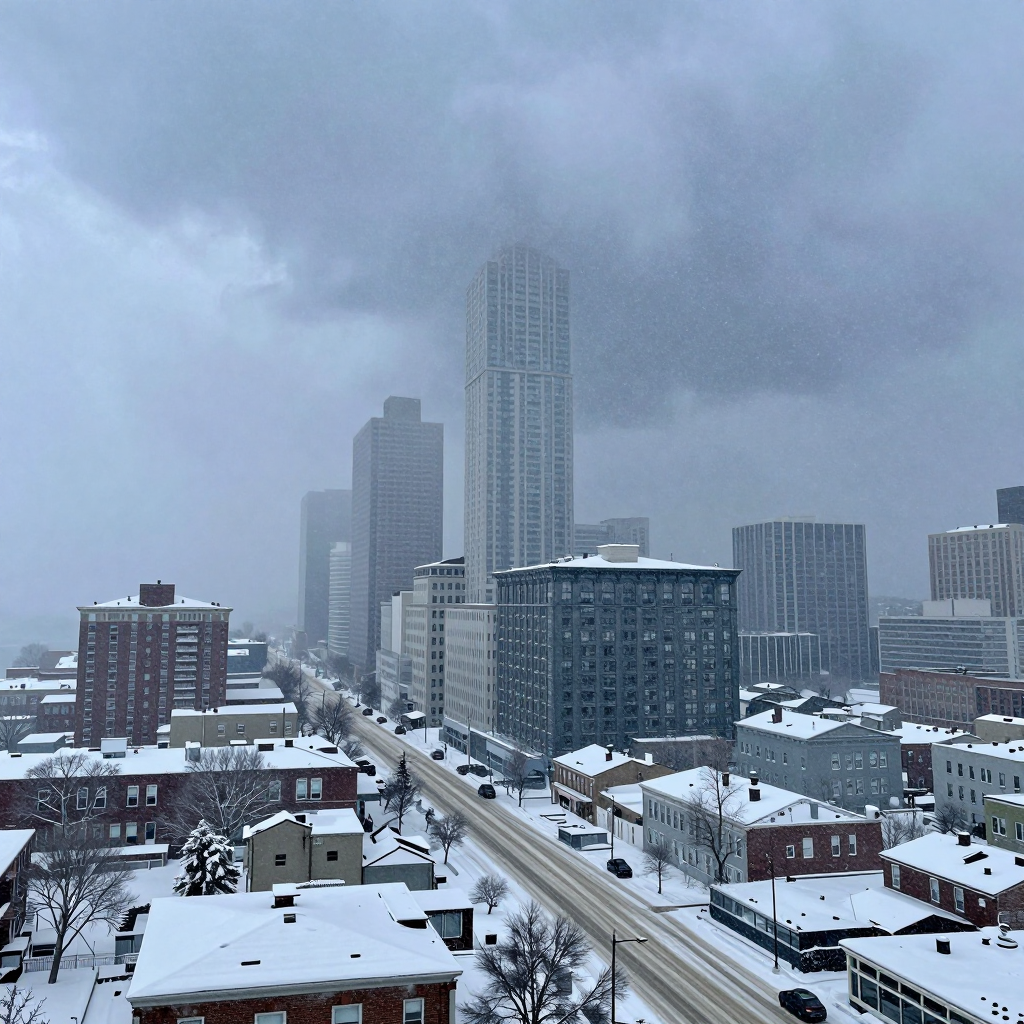
From the major cities of New York to Boston, the snowstorm expected between February 22 and 24 poses an unprecedented threat. Just how strong will this storm be? Currently, a major blizzard warning is in effect across the U.S. Northeast, as a powerful winter storm combining the traits of a nor'easter and a bomb cyclone is set to intensify starting the evening of February 22 through the 23rd and 24th.
What makes this storm especially dangerous is that it’s not just heavy snowfall—it's accompanied by bombogenesis, where the central pressure rapidly drops. When the pressure falls by at least 24 millibars within 24 hours, the storm’s energy explodes, resulting in simultaneous intensification of both snowfall and wind, which can trigger cascading impacts on transportation, power grids, and coastal areas.
The area affected is vast. Regions under Winter Storm Warnings include New York, Long Island, parts of New Jersey, Connecticut, Massachusetts, and Baltimore, with snow accumulations expected to reach 30–45 cm in New York and Boston, 20–30 cm in Philadelphia and Baltimore, and 12–20 cm in Washington D.C. Add to that the powerful winds reaching up to 113 km/h, and the perceived danger could far exceed a typical heavy snow day.
The timeline is tight. The storm begins with a rapidly deepening low-pressure system off the coast of North Carolina on the afternoon of February 22 and is expected to worsen dramatically over New England on February 23. While snowfall should gradually taper off by the morning of February 24, risks such as power outages, coastal erosion (extending to the Outer Banks), and flooding along eastern Massachusetts waterways compound the complexity and scale of potential damage.
Blizzard Warning: Snowfall and Strong Winds Transforming Cities Under Storm
What happens when up to 45cm of snow and 113km/h winds strike simultaneously in New York and Boston? This storm, a nor’easter with characteristics of a bomb cyclone (rapid pressure drop), is likely to bring the daily lives of these cities to a complete “pause.” With a blizzard warning already issued across the northeastern United States, this could become much more than just a “heavy snow day.”
City-Specific Snowfall Scenarios Under Blizzard Warning
- New York & Boston: 30–45cm
Even if snow removal in downtown areas happens quickly, strong winds can blow snow back onto roads, creating snow drifts everywhere. This means the resulting traffic paralysis may feel worse than the actual snowfall suggests. - Philadelphia: 20–30cm / Baltimore: 20–30cm
While moderate snowfall is expected, the intensifying storm will pack snow heavily and whip up winds that reduce visibility, turning driving into a hazardous challenge. - Washington D.C.: 12–20cm
Although snowfall will be lighter here, a mix of ice and wet snow caused by strong winds and temperature shifts can escalate morning and evening commute chaos significantly.
How Blizzard Warning-Level Winds Will Transform the Urban Landscape
Winds reaching up to 113km/h are far more than just chilling gusts.
- Visibility Breakdown: Blowing snow will create near-whiteout conditions, transforming the city into a place where “you simply can’t see ahead.”
- Increased Risk of Power Outages: The powerful winds strain power lines, trees, and infrastructure, raising the chance of widespread blackouts. This threatens both heating and communication systems simultaneously.
- Coastal Damage Accompanies: Beach erosion and localized flooding from storm surge are anticipated, turning this event into a complex, multi-hazard storm far beyond heavy snow alone.
Blizzard Warning Timeline: When Will It Be Most Dangerous?
The storm will intensify starting the evening through night of February 22, likely reaching its peak severity over New England by February 23. Snowfall is expected to taper off across the Northeast by the morning of February 24. In other words, the most dangerous stretch will arrive briefly but with powerful impact.
The Curious Combination of a ‘Bomb Cyclone’ and a Nor’easter, and the Background of the Blizzard Warning
How did the phenomenon of bombogenesis, where the central pressure plummets within 24 hours, combine with the unique nor’easter of the Northeast coast to create this massive storm? This case is a classic example of two mechanisms working “simultaneously,” not “separately,” amplifying the storm’s power so rapidly that a blizzard warning was issued.
First, the essence of a bomb cyclone lies in its rapid intensification. When bombogenesis occurs—defined by the central pressure dropping at least 24 millibars within 24 hours—the low-pressure system deepens quickly, accelerating the surrounding airflows dramatically. This intensifies the pressure gradient, making strong winds more likely. In snowy areas, blowing snow significantly reduces visibility in a flash.
Adding a nor’easter to the mix changes the storm’s “fuel.” A nor’easter is a low-pressure system that develops along the Northeast coast, pulling moisture from the Atlantic Ocean and colliding with the cold, dry inland air, generating heavy precipitation—snow during winter. In other words, the moisture supplied from the Atlantic and the structured wind patterns along the coastline thicken the snow bands and prolong snowfall in specific regions.
In summary, the bombogenesis instantly cranks up the storm’s ‘engine power’, while the nor’easter provides a stable ‘moisture supply and snow production line’, intensifying both snow and strong winds at the same time. The forecasted gusts up to 113 km/h, widespread power outage risks, coastal erosion, and flooding threats are the classic secondary damage scenarios produced by this potent combination.
Power Outages and Coastal Erosion: A Complex Crisis Scenario Triggered by Blizzard Warnings
Widespread blackouts and beach erosion threatening the coast of North Carolina. When a nor’easter merges with a bomb cyclone and overlaps with a blizzard warning like this storm, the crisis doesn’t end with just one issue. The combined risks of snow, wind, and storm surge intensify simultaneously, shaking both “living infrastructure” and “coastal landscapes” together.
Domino Effect of Power Outages Triggered by Strong Winds
With maximum wind speeds reaching up to 113 km/h, the pressure on the power grid escalates sharply. When strong winds and heavy snowfall come together, the following chain reactions are likely to occur:
- Damage to Power Lines and Transformers: Power lines may sway or snap under strong winds, while snow and ice accumulation add weight, increasing the risk of breakage.
- Trees Toppling and Collisions with Facilities: Snow and fierce winds combined can bring down street trees and old trees, directly striking transmission lines.
- Delayed Repairs: Snow-blocked roads make it hard for repair crews to access sites, raising the likelihood of blackouts lasting “long and wide” rather than “short and wide.”
Prolonged outages destabilize essential services such as heating, communication, signaling systems, and water supply, causing urban functions to slow dramatically.
Coastal Erosion and Storm Surge: When a Snowstorm Turns into a ‘Marine Disaster’
The scope of this storm’s threat to beach erosion is so broad that it extends up to the Outer Banks of North Carolina. Strong winds increase wave height, and when combined with a storm surge, sand beaches are cut away, causing rapid coastal retreat. Particularly, eastern Massachusetts faces moderate to high flood risks during high tide, putting coastal infrastructure at direct risk.
- Damage to Roads and Coastal Barriers: Loss of coastal roads or weakening of sea walls blocks access, making recovery even tougher.
- Flooding and Saltwater Damage to Homes: Inflowing seawater can cause flooding of basements and lowlands and accelerate corrosion of equipment due to salt exposure.
- Evacuation Dilemmas: Heavy snowfall impedes movement while flood risks rise, complicating the choice between “staying put vs evacuating.”
Chaos That Ensues When ‘Snowstorm, Blackout, and Erosion’ Strike Simultaneously
The most dangerous aspect of this compound disaster scenario is how each hazard worsens the others. Heating ceases with power outages, intensifying the sense of danger; communication blackouts delay disaster warnings and rescue requests. Add coastal erosion and flooding, and some areas may become completely isolated. A blizzard warning should be read not merely as “heavy snowfall,” but as a forewarning of cascading urban paralysis waiting to unfold.
After the Storm, How Will the Northeast Recover? — The Reality and Hope of Recovery Following a Blizzard Warning
On the morning of February 24th, even if the storm subsides and the skies clear, it isn’t easy for a city to instantly return to normal. Where the blizzard warning has passed, 30 to 45 cm of snow (based on New York and Boston standards), fallen trees and power lines from strong winds, icy roads, and widespread outages remain. Ultimately, “after the storm” is when the real beginning starts.
The First Battle After a Blizzard Warning: The Priority War for Roads and Power
Snowstorm recovery runs not on emotion but on priority. With limited snow removal and rescue resources, most cities and counties follow this sequence:
- Securing lifelines: Clearing routes for hospitals, fire stations, police stations, and ambulances first
- Restoring main roads: Reopening highways and major arteries to minimize impact on logistics and commuting
- Power restoration: Inspecting downed lines and damaged transformers from winds up to 113 km/h → prioritizing power to critical facilities
- Expanding to residential areas and side streets: This final stage takes the longest due to snow piles, parked cars, and ice
It’s common to hear, “Why is our neighborhood last?” during this process, but the system usually operates based on emergency accessibility and mitigating further damage.
The ‘Invisible Damage’ Left Behind by a Blizzard Warning: Ice, Erosion, and Accidents Days Later
The most dangerous moments often come the morning after rather than immediately following the storm. Ice patches form overnight as melting during the day refreezes into black ice, while snow piled at road edges after plowing obstructs visibility, increasing the risk of accidents.
Coastal areas reveal delayed effects like beach erosion and saltwater flooding signs from wind and waves, weakening home foundations and roadbeds, potentially requiring extra repairs.
How Communities Heal: “Individuals Are Weak, but Connections Are Strong”
The resilience of the Northeast after enduring a brutal winter storm ultimately comes from community connection.
Temporary shelters open in blackout zones, providing charging and heating; neighbors share snow removal tools and check on isolated elderly residents. In densely populated areas like New York, New Jersey, and Connecticut, the pace of small acts of kindness can change the scale of damage.
While the storm stops, recovery does not. Even after a blizzard warning is lifted, it’s vital to accept that cities remain “in recovery,” not “normal,” for several days. Through this slow process, the Northeast reaches the same conclusion every time: strong winters repeat, but so does the way we look out for each other—evolving together.
Comments
Post a Comment