 \n
\n
Winter Weather: The Secret of the Season When the Sun Hangs Lowest
Why are winter days short and temperatures plunge so drastically? The answer is surprisingly simple. Winter is the season when the sun’s noontime altitude is at its lowest. When the sun moves low across the sky, the very fundamentals of the weather we feel—light and heat—change simultaneously.
Why Winter Feels Cold: The ‘Weak Sunlight’ Created by a Low Solar Altitude
In winter, sunlight strikes at a low angle near the horizon. As a result,
- The same sunlight spreads its energy over a wider area, heating the ground less effectively.
- The sunlight must travel a longer path through the atmosphere, arriving weakened and diminished.
- Because the ground doesn’t warm up enough, winter becomes the season with the lowest average temperature.
In other words, winter’s cold isn’t because the air suddenly chills; it’s a structural shift where the sun’s efficiency at warming the earth itself drops.
Why Winter Days Are Short: The Rhythm of Short Days and Long Nights
As the sun’s altitude drops, its path across the sky shortens, too. Naturally, winter becomes the season of the shortest days and the longest nights. You sense this as “the sun rises late in the morning and sets quickly in the evening.” This shift not only changes our daily routines but also governs heating needs, activity times, and even the mood—defining the core rhythm of winter weather.
The Atmosphere of Winter Weather: Why Days Are Often Clear and Dry
Winter weather isn’t just cold—it often feels clear and dry. This happens because winter is influenced by the Siberian high pressure and migrating high systems, bringing northwest to west winds and creating stable atmospheric conditions. As a result, rainfall is generally lower compared to other seasons, and with colder air holding less moisture, the dryness becomes pronounced.
The short sunlight and biting cold of winter ultimately boil down to one question: How high and how long does the sun stay? That small difference completely transforms the character of the season—and the weather we experience.
East Asian Winter Weather: The Special Reason Behind Its High Sunlight Hours
Thanks to the dazzling winter sunshine, Seoul transforms winter into a vibrant season rather than a gloomy one. So, what is the secret behind this weather, where unusually clear days prevail even in the dead of winter?
Winter in East Asia is surprisingly a “season of strong sunlight.” In Seoul, the average winter sunshine hours reach 450 to 500 hours, meaning clear and bright days appear frequently. At the heart of this phenomenon lies the pressure patterns governing the atmosphere in winter.
- Influence of the Siberian High: During winter, a powerful high-pressure system develops over the continent, bringing cold and dry air downward. This air contains little moisture, making cloud formation difficult, so the sky easily clears up, increasing sunlight hours.
- Northwest to westerly winds create ‘dry clarity’: When winds blow from the northwest, the supply of moisture needed for rain or snow weakens. As a result, winter weather follows a pattern of lower precipitation and prolonged clear days compared to other seasons.
- The low solar altitude’s perceptual effect: Although the sun stays low in the sky and daylight hours are shorter in winter, sunlight enters at an angle that penetrates deep indoors, creating a strong sense of sunlight presence. Hence, even with the same “clear skies,” winter sunlight feels sharper and more vivid.
These conditions have also left marks on lifestyle and culture. The characteristic winter weather is the very reason why south-facing architectural design and eave structures developed in Korea and China to maximize sunlight intake. In other words, East Asian winter is not just a cold season but a “season of light” shaped by the atmospheric structure.
Winter Weather Crafted by Snow and Wind: The Hidden Rule Behind East Coast Snowstorms and Siberian High Pressure
What pressure systems drive the winter scenes of frequent heavy snow on the east coast and the bone-dry northwesterly winds? Winter weather is never just about being “cold.” Where the air descends (pressure), where it passes through (terrain and sea), and which winds blow (wind direction) separate snowy days from dry ones.
The Weather Mechanism Amplifying Snow on the East Coast: Cold Air + Warm Sea
The heavy snow focusing on the east coast in winter is no mere regional coincidence. The key lies in the process where cold continental air crosses the sea, carrying ‘water vapor.’
- When the Siberian High pressure expands, cold and dry northwest to west winds flow into the Korean Peninsula.
- As this air moves eastward and meets the relatively warm sea surface of the East Sea, its lower layers heat up and absorb moisture, causing rapid cloud development.
- Then, when this moisture-laden air meets mountainous coastal terrain, it rises, strengthening snow clouds and potentially triggering heavy snowfall.
In other words, it’s not just the “cold air” that produces snow, but the moment cold air gathers fuel (water vapor) over the sea that transforms east coast winter weather into a snowstorm mode.
Another Winter Weather Story Shaped by Northwest Winds: Why Skies are Clear and Dry
Meanwhile, inland areas often experience “clear yet unusually dry” winter days. This is linked to descending airflow under high pressure centers.
- Under the influence of high pressure systems (Siberian or mobile highs), air descends, which suppresses cloud formation.
- Northwest winds, originating from the continent, bring little moisture, so dry air dominates.
- That’s why winter precipitation is lower than other seasons, and instead, long stretches of clear, cold weather prevail.
To sum up, the basic framework of winter weather features “cold winds (northwest wind) pushed by high pressure,” and when the East Sea adds moisture — snow falls; when it doesn’t — clear and dry conditions dominate.
A One-Line Formula to Read Winter Weather
Though heavy snow on the east coast and dry cold snaps inland might appear as different events, they stem from the same cause:
Siberian High → Influx of cold northwest wind → (meets East Sea) moisture supply and snow / (little sea influence) clear and dry
Keep this chain in mind, and when you hear terms like “high pressure expansion” or “strengthening northwest winds” in the news, you’ll be able to foresee the next chapter of winter weather far more clearly.
The Rapidly Changing Winter Weather of 2025: The True Face of Climate Instability
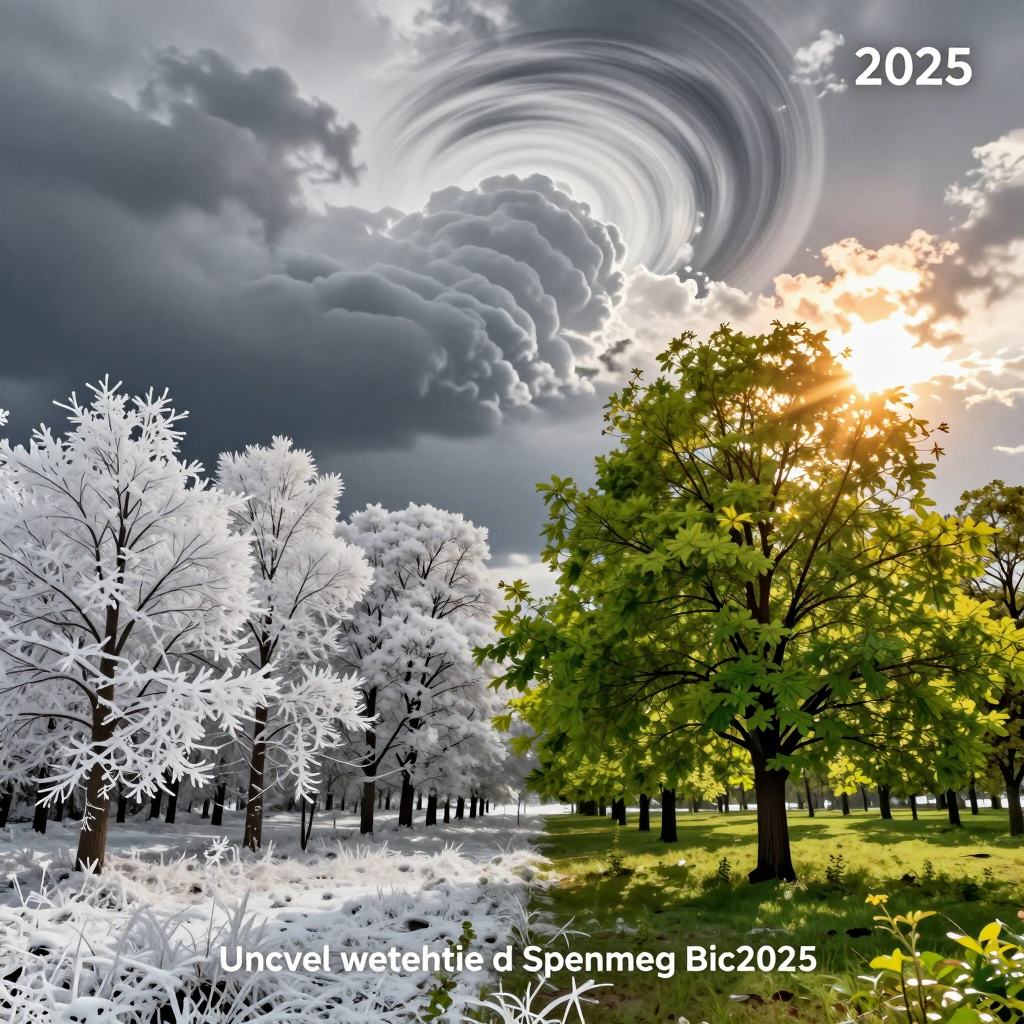
Can you believe experiencing both winter and summer weather within just one week? In 2025, such sudden “shifts” happened repeatedly, shaking the seasonal sense we once took for granted. Especially from January to May, prolonged cold spells were abruptly interrupted by intense heatwaves appearing at different times, creating contrasting weather patterns within the same year. This change wasn’t just about having cold and hot days—it felt as if the very rhythm of the weather was breaking and restarting.
When the Basic Formula of Winter Weather is Disrupted
Winter is traditionally characterized by low solar elevation and the dominance of cold, dry air masses from the Siberian high, resulting in frequent clear and dry days. Precipitation shifts from rain in summer to primarily snow in winter. Yet, in 2025, these typical patterns were often broken. Cold spells lingered long but were quickly followed by steep temperature rises, weakening the “stable” winter feel we expect.
The Reality of ‘Volatility’ Shown by 2025 Weather
The key word for 2025 was volatility. During spring, cold snaps as severe as winter and heat waves as intense as early summer alternated within short intervals, making the seasons feel like they rapidly jumped across time. Later, sudden heat surges at specific times shattered national average temperature records, causing the year’s temperature curve to fluctuate like jagged teeth rather than flow smoothly. This kind of variability disrupts daily life—from dressing choices and heating/cooling needs to health care and travel plans—all at once.
Signs of Life Left Behind by Unstable Weather
As climate becomes more unstable, the weather we experience grows harder to predict. Sudden cold waves lead to icy roads and skyrocketing heating demands, while unexpected heat spikes alter seasonal illness patterns and energy use. The year 2025 prompted the question, “Is this how winter naturally is now?” Seasons still exist, but their boundaries are increasingly blurred—an unmistakable signal of shifting climate reality.
Understanding and Preparing for Weather in an Era of Climate Variability: What Are Our Choices?
How should our society adapt and prepare amidst unpredictable winter weather and extreme climate conditions? The rapid swings between cold snaps and heatwaves, blurring seasonal boundaries as we've recently seen, can no longer be dismissed as mere “weird weather.” It’s time to redesign our daily lives, industries, and urban systems with climate variability as the new norm.
The Growing ‘Variability Risk’ as Weather Becomes Unstable
Winter traditionally brings clear, dry days under the influence of Siberian high pressure, with relatively low precipitation. But lately, sharp temperature fluctuations layered on this pattern have increased risks dramatically. Extreme shifts—such as prolonged cold spells interrupted by nationwide heatwaves like in 2025—create challenges like:
- Rising Health Burdens: Sudden temperature swings escalate risks of respiratory and cardiovascular diseases, heightening vulnerability especially among at-risk groups.
- Pressure on Infrastructure: Rapid spikes or drops in heating and electricity demand strain energy systems, making peak load management harder than ever.
- Widening Regional Impact: Winter precipitation often arrives as snow, so even identical rainfall amounts can impose vastly different burdens on transportation and infrastructure depending on the region.
3 Weather-Ready Habits Individuals Can Adopt
While climate change may seem overwhelming at a personal level, cultivating “damage-limiting habits” truly makes a difference.
Track ‘Temperature Swings’ Instead of Just Highs and Lows
Checking the day-to-day increase or decrease in temperature rather than absolute highs and lows enhances your ability to dress appropriately and adjust heating effectively.Turn Your Home into a ‘Winter-Safe Design’
East Asian winters tend to have ample sunlight, so harnessing natural light and indoor warming during the day (by adjusting curtains and blinds), and focusing on insulation and heating efficiency at night, can save energy significantly.Make Snow and Ice Preparedness a Routine
Sudden snowfalls can happen even in regions where they are rare. Having anti-slip gear, winter car equipment, and alternate commuting routes ready isn’t just “nice to have”—it’s essential risk management.
Weather Adaptation Strategies Society Must Embrace
Individual efforts have limits. As variability grows, social systems need to shift from “average-year” assumptions to plans designed for extremes.
- Enhance Energy and Heating Peak Management: Automating and maintaining around-the-clock support for rapid swings in power demand and heating assistance for vulnerable populations is critical.
- Seasonal Operations Need a Reset: Snow removal, drainage, and road management should move from seasonal-only focus to flexible systems that respond dynamically to fluctuating conditions.
- Refine Risk Communication: Instead of vague warnings like “it’s cold,” messages must drive action—alerts like “sharp drop in perceived temperature tomorrow, icy roads expected” better prepare the public.
Ultimately, Our Choice Is Not Just Prediction but Building Weather Resilience
In an age of climate instability, swift responses and strong resilience outweigh flawless forecasting. The winter fundamentals—short days, snow, dry northwest winds—remain, but volatility on top is rising. The wise choice isn’t simply guessing “how cold this winter will be,” but rather how closely we prepare to maintain our daily lives no matter what weather arrives.
Comments
Post a Comment