The Death of the World's Worst Drug Kingpin El Mencho: Will it Mark a Turning Point in the U.S. Fentanyl Crisis?
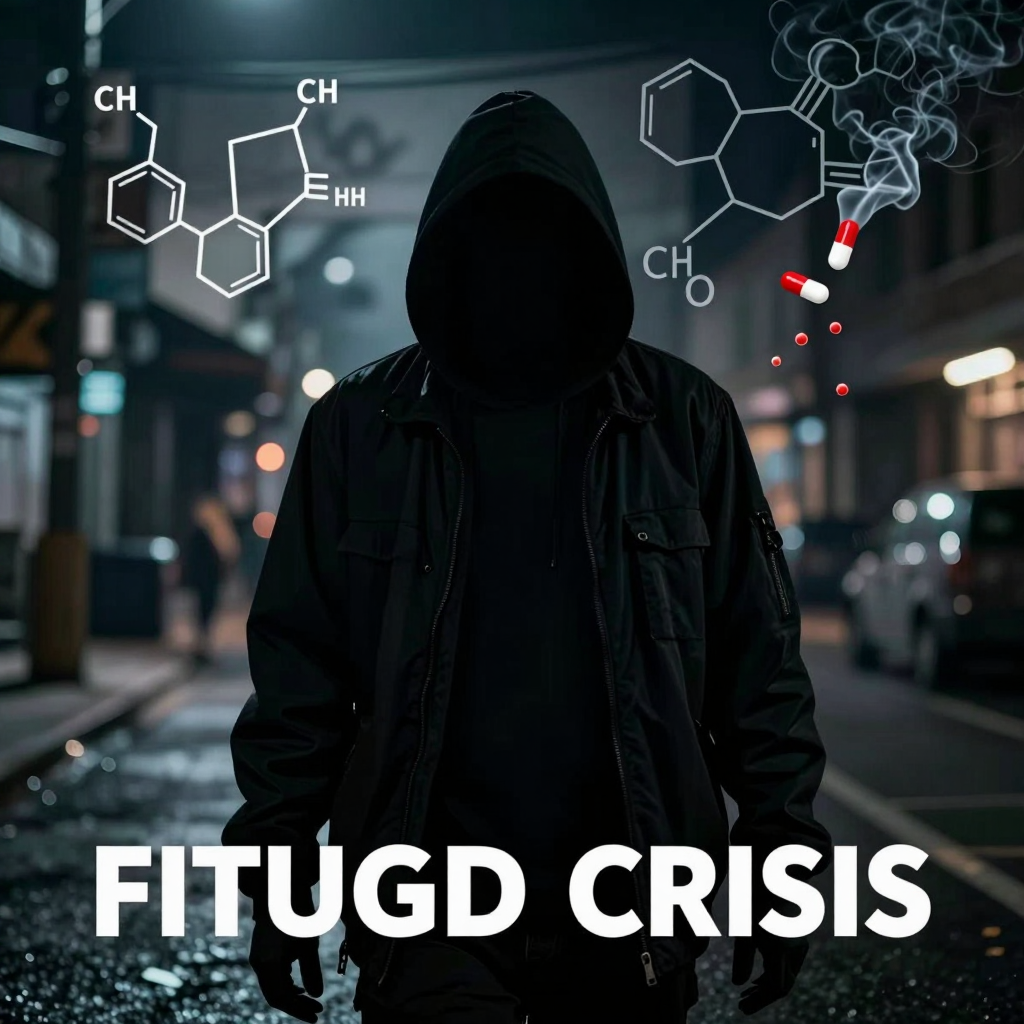 \n
\n
The Dramatic End of the Notorious Drug Lord El Mencho
The news that El Mencho, once considered the world’s most dangerous drug lord, was killed during a military operation in Jalisco, Mexico, is far more than just the “elimination of a big player.” This man had held near-absolute control over the Jalisco New Generation Cartel (CJNG) for nearly 15 years—and now he has suddenly vanished.
Known legally as Nemesio Oseguera Cervantes, El Mencho was not only the founder but the very symbol of the CJNG. This organization is a central force behind the deadly drug supply chains—cocaine, fentanyl, methamphetamine—rampaging across the United States, widely recognized for its deeply rooted distribution networks throughout the country. The fact that the U.S. had placed a $15 million bounty on him and provided intelligence support underlines the grave threat he posed.
But ‘removal’ does not immediately equate to ‘stability.’ On the contrary, right after El Mencho’s death, the risk of simultaneous waves of retaliation and chaos surged dramatically. Indeed, CJNG loyalists launched violent responses in multiple states, including car arsons, road blockades, and attacks on security forces. Some regions even experienced airport disruptions and flight cancellations as fallout. Now, the pivotal question looms large: Will his death lead to the collapse of the CJNG, or ignite an even more brutal battle for power?
CJNG and el Mencho: The Massive Cartel That Dominates the Drug World
CJNG, controlling all 50 states of the U.S., and the mastermind behind it, el Mencho. How did he become the absolute ruler of international drug trafficking? The answer lies not in “one notorious boss,” but in a cartel system that operates like a massive corporation and el Mencho’s long-term dominance over that system.
Why CJNG Expanded on a ‘National Scale’
CJNG (Jalisco New Generation Cartel) built a distribution network across the entire U.S. by focusing on cocaine, fentanyl, and methamphetamine as core revenue sources. Rather than relying on a single city or border crossing, it operates multiple routes and networks simultaneously, creating a shock-resistant supply structure. Because of this, the DEA ranks CJNG on par with the Sinaloa Cartel—CJNG is no longer a “regional gang” but a continent-wide supplier.
el Mencho’s Leadership: ‘Control’ Over ‘Charisma’
The fact that el Mencho has maintained absolute control over CJNG for the past 15 years suggests his leadership goes beyond mere rule by fear. He has held the organization together not as a loose coalition but as a structure with a living command system, swiftly adapting its direction to the rapidly changing international drug market—especially the synthetic drug reshaping underway. This “control” is the real source of his influence, rivaling that of El Chapo or Pablo Escobar.
Not Just Drugs: CJNG’s ‘Diversified Crime Portfolio’
CJNG’s threat does not lie solely in its drug supply capabilities. Through multifaceted criminal activities such as illegal mining, oil smuggling, immigrant trafficking, and extortion, the cartel secures both cash flow and regional dominance simultaneously. Even if drug enforcement intensifies, the organization is more likely to survive by leaning on other crime revenues and re-expanding. This structure is what makes CJNG not a “flash-in-the-pan gang” but a cartel capable of long-term survival.
The Question Left by ‘One Man’s Death’
El Mencho’s death undoubtedly shatters the symbol and central anchor of CJNG. But since the cartel already possesses a vast network and multilayered revenue streams, the crucial question is no longer “Will the organization vanish?” but rather who will fill the power vacuum, and how? The next chapter in the North American drug war may unfold very differently.
The U.S.’s Massive Response and Rising Tensions: The Significance of ‘Nation-Level’ Pressure Surrounding el Mencho
A $15 million bounty, the designation of CJNG as a foreign terrorist organization, and urgent operational support in Jalisco. These three moves are not merely tough messages—they signal a ‘battlefield expansion’ strategy the U.S. has unleashed targeting el Mencho. On the surface, it’s about “eliminating a top priority target,” but beneath lies a clear intention to elevate the drug war from a criminal issue to a national security framework.
The reason behind the staggering bounty is not the volume of intelligence but its quality—a game-changing tip. By shaking internal and adjacent networks that can reach cartel leadership directly, the U.S. aims to weaken organizational cohesion and reduce the cost of pursuit. The Foreign Terrorist Organization (FTO) designation intensifies this impact. It categorizes the “drug cartel” as a “terror threat,” thereby expanding the legal toolkit for cutting financial flows, imposing sanctions, and enhancing border and international cooperation.
Particularly, the intelligence support provided in the Jalisco operation carries significance beyond simple cooperation. Considering the immediate spread of violence and retaliation within Mexico, the U.S. must account for the chaos after the target’s removal (retaliation and power vacuums). That is why swift follow-up measures like evacuation and armor advisories from the State Department, alongside heightened embassy alerts, quickly ensued. In other words, this response goes beyond merely removing el Mencho—it's a comprehensive tension management effort preemptively addressing the impact of CJNG’s succession and drug distribution network reorganization on drug inflow into the U.S.
Aftermath: The Power Vacuum and Fierce Cartel War Unfolding After El Mencho’s Death
The power struggle triggered by El Mencho’s death has already begun. Across Mexico, simultaneous incidents of vehicle arson, road blockades, and attacks on security forces erupted, plunging some areas—including airports—into chaos. The crucial point is that this violence is not a “final desperate lashing out,” but rather a signal flaring up to reshape the entire game.
There is only one truth: a power vacuum will inevitably be filled. And the process is far more gunfire and explosives than negotiation.
The Language of ‘Succession War,’ Not Merely ‘Revenge’
The fierce reaction immediately following El Mencho’s death may seem like retaliation on the surface, but internally, it’s also a contest for loyalty. A display of who reacts fastest and most ruthlessly, who controls operations on the ground—this demonstration solidifies claims to the next leadership. In such circumstances, civilian casualties spike, and violence easily spirals as local gangs and sub-groups mobilize in a chain reaction.
When the CJNG’s Strength – ‘Unified Upper Echelon Survival’ – Begins to Crumble
CJNG grew through intense militarization and a nationwide distribution network, but its key strength lay in a relatively intact and unified upper echelon that spoke with “one voice.” Now, that foundation is shattered. A leader’s absence swiftly cracks the command structure, and those cracks breed factions. These factions collide fiercely over regional control, smuggling routes, and financial streams—whether from drugs, extortion, or trafficking.
The Trajectory of Violence: Toward a ‘Greater War’ or a ‘More Complex Market’
Two major scenarios lie ahead:
- Short-term spike in violence: If internal fights over succession intensify, Mexico’s local security situation could deteriorate further—especially near major ports, tourist hotspots, and logistics hubs, where clashes may become more frequent.
- Long-term restructuring: If the organization fragments or rival groups exploit openings, drug trafficking routes will diversify. This will complicate enforcement efforts and likely shift rather than reduce the flow of narcotics into the United States, allowing traffickers to adapt and survive.
El Mencho’s death is undeniably pivotal, but it does not mark the end of the problem. Instead, the chaos currently engulfing Mexico is the opening chapter of a new war born from a power vacuum. And the outcome of this war will reverberate beyond the Mexican border, shaking the entire North American landscape of drugs and security once again.
Future Predictions After el Mencho: A New Landscape in the North American Drug War
Despite the fall of the biggest drug lord, the drug problem between the U.S. and Mexico is far from over. In fact, this moment marks a crucial turning point. While it might seem that the disappearance of a single leader would halt supply, reality leans toward the power vacuum sparking fresh rivalries, with violence and distribution routes being reshaped. So, what changes await us next?
CJNG’s Power Vacuum and Short-Term Surge in Violence Following el Mencho’s Death
The absence of a leader can weaken an organization, but at the same time, it triggers internal succession battles. Especially in groups like CJNG, which are militarized and deeply rooted in local networks, clashes over “who takes the profits and territory” during leadership reshuffles are likely to intensify.
In the short term, expect a rise in flashy violence such as road blockades, arson, and retaliatory attacks within Mexico, instability in symbolic locations like tourist areas and airports, and potential impacts on U.S. travel advisories and corporate logistics and operations.
Supply Chain Shifts Caused by el Mencho’s Absence: Rerouting of Fentanyl and Methamphetamine Trafficking
In the drug trade, the supply chains tend to outlast any single supplier. Even with el Mencho gone, the distribution networks stretching across the U.S. can adapt and persist—albeit inevitably altered.
- Diversification of routes: As a single cartel’s grip loosens, more middlemen and smaller groups insert themselves, dispersing routes and complicating enforcement efforts.
- Changes in product mix: Synthetic opioids like fentanyl, which yield high profits even in small amounts, could become the dominant “efficient” product as competition heats up.
- Shifts in border pressure: Crackdowns at certain border points often create a balloon effect, pushing trafficking to alternate routes, which makes cracking down on the “last mile” of distribution inside the U.S. increasingly critical.
U.S. and Mexico’s Response Scenarios Post-el Mencho: Expanding the “Terrorist Organization” Frame
The U.S. designation of CJNG as a foreign terrorist organization could transform the nature of enforcement. Moving forward, tracking finances, sanctions, and international collaborative investigations are likely to ramp up aggressively.
However, tough measures don’t always curb demand. Fragmented supply chains might limit the long-term impact of arrests and removals, while there is a real danger that successor leadership may radicalize (employing more extreme tactics and brutality). Ultimately, without balancing “organization elimination” and “addiction and demand management,” the North American drug war risks grinding into a prolonged conflict.
Signals to Watch After el Mencho’s Death
To gauge the evolving landscape, pay close attention to these indicators:
- CJNG’s internal cohesion: Whether a single successor quickly consolidates power or factional splits drag on
- Expansion moves by rival cartels: Power struggles and alliance reshuffling in the vacuum regions
- Changes in overdose rates in the U.S.: Real-world harm metrics may be more telling than enforcement achievements
- Level of militarization in Mexican security: How security policies intensify ahead of major events like the World Cup
In the end, el Mencho’s downfall is not an end but rather the beginning of a reorganization. The next phase of the North American drug war will be shaped not just by “who holds power,” but by “how the market survives and adapts.”
Comments
Post a Comment