 \n
\n
Diamondbacks vs. Dodgers: Dodgers’ Spectacular Return in the 2026 MLB Opening Game
Eyeing a third consecutive World Series title, the LA Dodgers proved from the very first game of the season what it truly means to play "championship baseball." Despite an intense early battle, the Diamondbacks vs. Dodgers opener saw the Dodgers seize full control in the middle to late innings, finishing with a commanding 8-2 victory. So, how did they craft such a solid win right out of the gate?
The first standout was the steadiness of starting pitcher Yoshinobu Yamamoto. Yamamoto calmly handled six innings, allowing only two runs without faltering. Though he gave up a solo home run, his overall game management was composed. With the starter holding strong amid opening-day nerves, the Dodgers’ offense could wait for the perfect moment to explode.
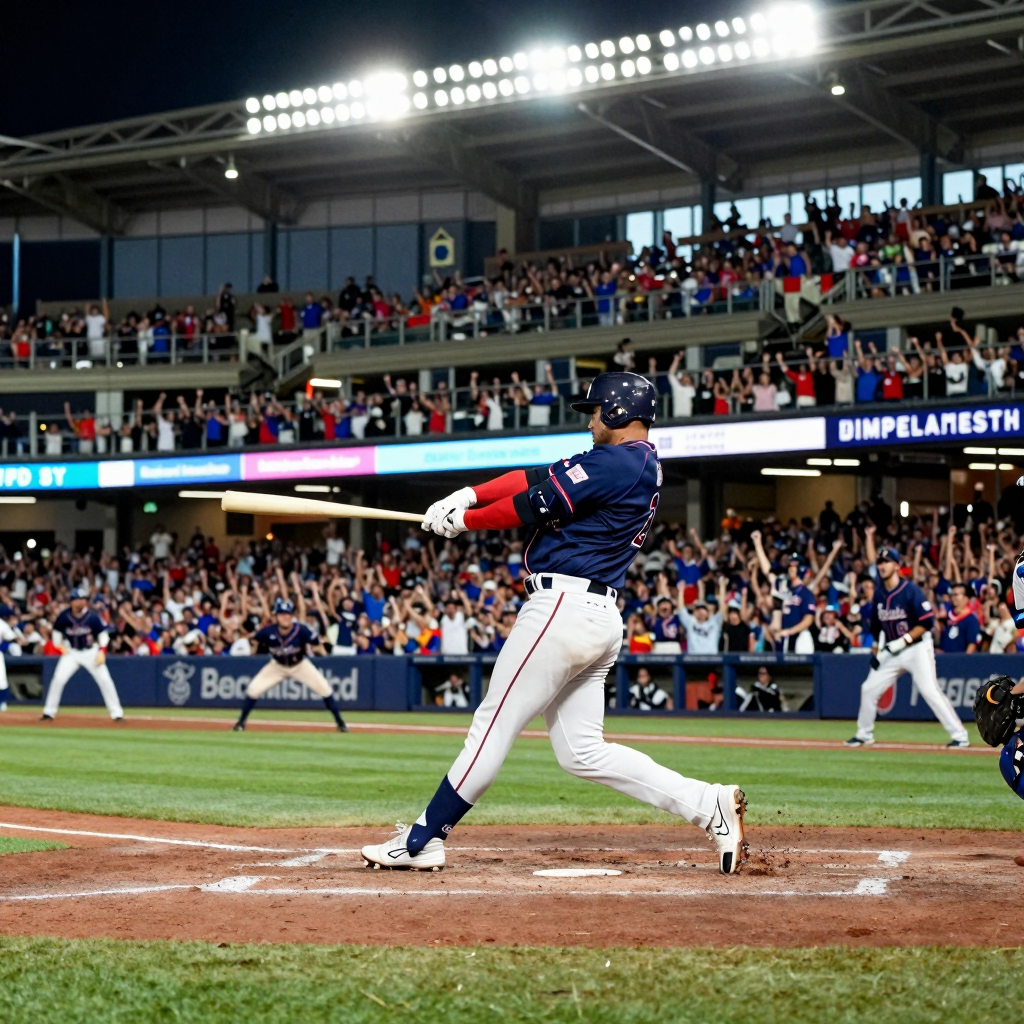
That ‘moment’ came in the bottom of the fifth inning. Shohei Ohtani’s go-ahead three-run homer instantly swung the momentum in the Dodgers’ favor, unleashing a more aggressive attack. In the seventh, fueled by Ohtani reaching base, consecutive hits followed, including Freddie Freeman’s clutch RBI single and a game-sealing home run, stretching the lead to 8-2. In essence, the Dodgers built their victory on the foundation of their starter’s ‘stability’ combined with the middle lineup’s ‘clutch power’—a winning formula right from opening day.
Ultimately, this game was more than just a win. It felt like the Dodgers’ bold statement that their goal of a third straight World Series championship is far from just a slogan. Winning this convincingly from the get-go only adds pressure on opponents, making every matchup against the Dodgers a daunting challenge all season long.
Diamondbacks vs. Dodgers, Yoshinobu Yamamoto: Bearing the Burden of a Starting Pitcher
Last year’s World Series MVP, Yoshinobu Yamamoto, took the mound in the most pressure-filled setting—the opening game—and held the Dodgers firmly at bay with 6 innings and just 2 runs allowed. More than simply “pitching well,” his composure early on transformed not only the atmosphere but the very momentum of the game.
When the Dodgers’ lineup struggles to ignite early, any wobble from the starter can quickly tilt the game’s balance. Yet, Yamamoto shut down that threat by pitching with unwavering tempo, even when runs crossed the plate. He wrapped up innings swiftly, minimizing defensive downtime and allowing his teammates to settle into a steady rhythm. Thanks to this, the Dodgers avoided impatience during scoreless stretches and preserved the luxury to wait for one big inning.
Of course, the lone home run left a tinge of regret, but the essence of a season-opening start lies less in perfection than in the ability to manage and prevent collapse. Yamamoto executed that role flawlessly, laying the groundwork that enabled the Dodgers’ offense to strike back with a go-ahead homer in the bottom of the fifth. While the showdown between the Diamondbacks and Dodgers will be remembered for its dramatic home runs, the foundation of that moment was Yamamoto’s unshakable 6 innings on the mound.
Diamondbacks vs. Dodgers: Shohei Ohtani’s Go-Ahead 3-Run Homer, the Turning Point of the Game
In the bottom of the 5th inning, Shohei Ohtani delivered not just a home run, but a single swing that flipped the entire story of the game. At a moment when it was hard to say the momentum was fully tilted toward the Dodgers, Ohtani stacked a 3-run go-ahead homer on top of a 3-on-base situation, completely shifting the atmosphere. So why did this home run become the key to the Dodgers’ victory?
First, the way the lead changed was crucial. Rather than a tying hit chasing a run, a go-ahead blast instantly put the Dodgers ahead, drastically limiting the opposing bench and battery’s options. For the Diamondbacks, the calculation of “just get through one more inning” fell apart, unsettling both their pitcher management and defensive shifts.
Second, this home run was the spark for the Dodgers’ lineup to erupt in a chain reaction. As the stadium ignited from Ohtani’s blast, the stage was set for continued baserunners and extra-base hits in subsequent at-bats. Indeed, after seizing the momentum, the Dodgers stretched the lead with additional runs in the 7th inning, practically sealing the game.
Third, with starter Yamamoto holding the line over 6 innings with 2 runs allowed, Ohtani’s homer was also a strategic insurance run that eased bullpen pressure. A team in the lead gains a significant edge in timing pitching changes and matchups in crucial situations. Ultimately, the Dodgers could shift into a “defend the lead” game plan, leading to a stable closing scenario for the opener.
In the end, it’s no exaggeration to say that the outcome of the Diamondbacks vs. Dodgers opener hinged on the simultaneous reversal of score, psychology, and strategy sparked by Ohtani’s go-ahead 3-run homer in the bottom of the 5th. This one swing is exactly why the flow of the game was turned completely around.
Offensive Explosion, Consecutive Hits by Freeman and Muncy, and a Home Run: Sealing the Diamondbacks vs. Dodgers Showdown
After Ohtani reached base, the score shifted from a mere “one-time comeback” to a momentum that kept pulling away. What made the Dodgers so fearsome in the Diamondbacks vs. Dodgers opener wasn’t just a single big hit—it was how the next batters immediately kept the fire burning.
The moment Ohtani’s on-base stirred the opposing battery, Freddie Freeman calmly worked the count and extended the opportunity. Instead of chasing risky extra-base hits, his choice to place the ball precisely ensured the rally didn’t lose steam. As the lineup kept piling on consecutive hits, the Diamondbacks’ defense fell behind the pace, and the Dodgers seized every gap without hesitation.
Then came Muncy’s home run—the decisive blow. Coming off the momentum built by the preceding hitters, this powerful shot slammed the door shut, tipping the game decisively toward the Dodgers. In the end, this inning can be summed up as “Ohtani starts it, Freeman connects it, and Muncy finishes it.” This compact sequence perfectly showcased why the Dodgers’ offense is so formidable and why they begin the season suffocating their opponents right from the opener.
A Perfect Start Toward a Third Consecutive World Series Title: The Significance of Diamondbacks vs. Dodgers
With a victory in the opening game, the Dodgers have taken the first step toward a three-peat. Let’s explore what this win could mean for the rest of the season. The 8-2 result in the Diamondbacks vs. Dodgers matchup was not just a single win—it served as a declaration of how the defending champions plan to navigate the season.
What made this game special was that momentum never tilted decisively at once. The Dodgers conceded runs early and faced moments where the opposing team nearly seized control. Yet, anchored by Yamamoto’s six innings of resilience, the Dodgers held firm. Then, Otani’s go-ahead three-run homer ignited the offense, sealing the game. In other words, the classic championship formula—starter holding the line, middle order delivering clutch hits, and late innings putting the game away—was in full effect right from opening day.
More importantly, this victory confirmed the conditions required for a three-peat. Over a long season, fluctuations in form, injuries, and losing streaks are inevitable; what saves the team each time is ‘a different hero every game’ and ‘one pivotal moment that shifts momentum.’ The Dodgers displayed both in the opener, establishing a foundation of confidence that will carry them through fierce divisional battles and into the postseason. Ultimately, the Diamondbacks vs. Dodgers opener delivered a message beyond the scoreboard: “The Dodgers will win this year the way champions do.”
Comments
Post a Comment