 \n
\n
Tragedy at Dawn: Austin, Texas Shooting Incident
How would you react if, in the middle of the night at a popular nightlife district, a shooting suddenly left 3 dead and 14 injured? In the early hours of March 1 (local time), around 2 a.m., West Sixth Street in downtown Austin, Texas, was engulfed not by festive noise but by screams and sirens.
The incident occurred near the bustling entertainment area favored by University of Texas students and locals, specifically near the popular pub Buford's Bar. According to reports, the suspect drove around the block multiple times before first opening fire with a handgun at people on the bar’s outdoor patio. Then, moving to another street, the suspect continued shooting at pedestrians with a rifle, turning the scene into uncontrollable chaos in an instant.
As a result, 3 people including the suspect were killed and 14 injured, with 3 of the wounded suffering serious injuries. Fortunately, the initial response was remarkably swift—with ambulances arriving just 57 seconds after the 911 call—and the Austin mayor praised the rapid action as a life-saving effort. Still, despite the quick response, the grim reality that a “night meant for safety” can instantly become a disaster left the local community deeply shaken.
Traces of the Austin Texas Shooting Suspect: Who Aimed the Gun Here and Why?
53-year-old Ndiaga Diagne from Senegal. And the shirt he reportedly wore during the incident, emblazoned with the phrase ‘Property of Allah’ and featuring the design of the Iranian flag. This combination immediately raises pressing questions: Why the Austin nightlife district? And why brandish a gun while displaying such symbols? This is precisely the starting point behind investigators’ mention of a “possible connection to terrorism” in the recent Austin Texas shooting.
Diagne is known to have entered the U.S. on a tourist visa in 2000, obtained permanent residency through marriage in 2006, and later naturalized in 2013. Taken at face value, his background appears to trace a path typical of many immigrants. Yet the FBI revealed they found “circumstances suggesting possible links to terrorism” in both the suspect and his vehicle, with particular emphasis on the attire and symbols he wore at the time of the attack.
However, an important detail remains: authorities have yet to determine whether this attack is domestic or international terrorism, and no direct ties to any specific Middle Eastern conflict have been established. In other words, it is premature to assume these symbols automatically reveal the motive. What investigators aim to verify is not merely the fact that he wore religiously inscribed clothing, but whether this is intertwined with pre-planning, ideological background, organizational ties, or online activity that could have translated into a tangible motive for the crime.
Another notable angle is the method of attack. Diagne reportedly patrolled the block multiple times before shooting into a pub’s outdoor patio with a handgun. Afterwards, he is said to have moved to another location, where he continued firing with a rifle. This sequence suggests a level of route calculation and target selection rather than a spontaneous outburst. Ultimately, questions remain not only about “who” but also about “why” and “how carefully prepared,” which explains why the FBI is scrutinizing this case broadly—including the possibility of terrorism.
In summary, the traces left by the suspect in this case converge along two lines: the message conveyed by symbols (attire, markings) and the premeditated nature revealed by actions (patrolling, changing locations, switching weapons). Sitting between these is the key question that persists: Do these symbols genuinely hint at motive, or were they deliberately staged to amplify fear? As the investigation advances, the “why” behind the Austin Texas shooting will come closer into view.
Investigation Weighs Possibility of Terrorism in Austin Texas Shooting: Where Does the Truth Lie?
The FBI is refraining from labeling the recent Austin Texas shooting as a simple mass shooting, instead expanding the investigation while keeping open the possibility of terrorism connections. However, at this stage, no clear motive, organized backing, or specific type of terrorist act has been confirmed. So why did the term “terrorism possibility” surface first?
Clues Behind the FBI’s Mention of ‘Terrorism Possibility’
The key lies in what the FBI revealed during the press conference about “several circumstances found with the suspect and the vehicle.” From the disclosed details, three major points stand out:
Symbolic attire and messages
The suspect was reportedly wearing clothing bearing the phrase “Property of Allah” and symbols of certain nations during the incident. This raises serious challenges for investigators to dismiss the ideological motivation angle. However, these clues alone cannot confirm terrorism, so for now, it remains at the level of “possibility.”Unusual method of the attack (mobility and successive shootings)
The suspect’s actions of patrolling the block, firing towards an outdoor patio, then moving to a different location to continue shooting, differ greatly from a spontaneous brawl. Authorities are focusing on whether there was preparation, specific targets, and planning behind the assault.Investigation framework open to both domestic and international terrorism
Officials have yet to determine if this is a domestic or foreign-linked terror attack, and no direct connection to Middle Eastern conflicts has been found. In other words, the FBI’s reference to terrorism is not a “conclusion” but rather a cautionary measure to broaden investigative scope.
Between ‘Suspicion’ and ‘Confirmation’: What Readers Must Distinguish Now
Terror investigations typically proceed broadly from the earliest sign of evidence. Yet so far, what is confirmed are the scale of casualties (3 dead, 14 injured) and some circumstantial details—no evidence pinpointing motive such as declarations, organizational ties, or specific targets has been disclosed.
Ultimately, this Austin Texas shooting hovers between the possibility that “it could be terrorism” and the fact of “confirmed terrorism.” The pivotal turning point will be if the investigation yields a coherent explanation of motive, and whether that motive reflects individual radicalization or organized directives.
Rapid Response: The Untold Heroism of Police and Emergency Responders During the Austin, Texas Shooting
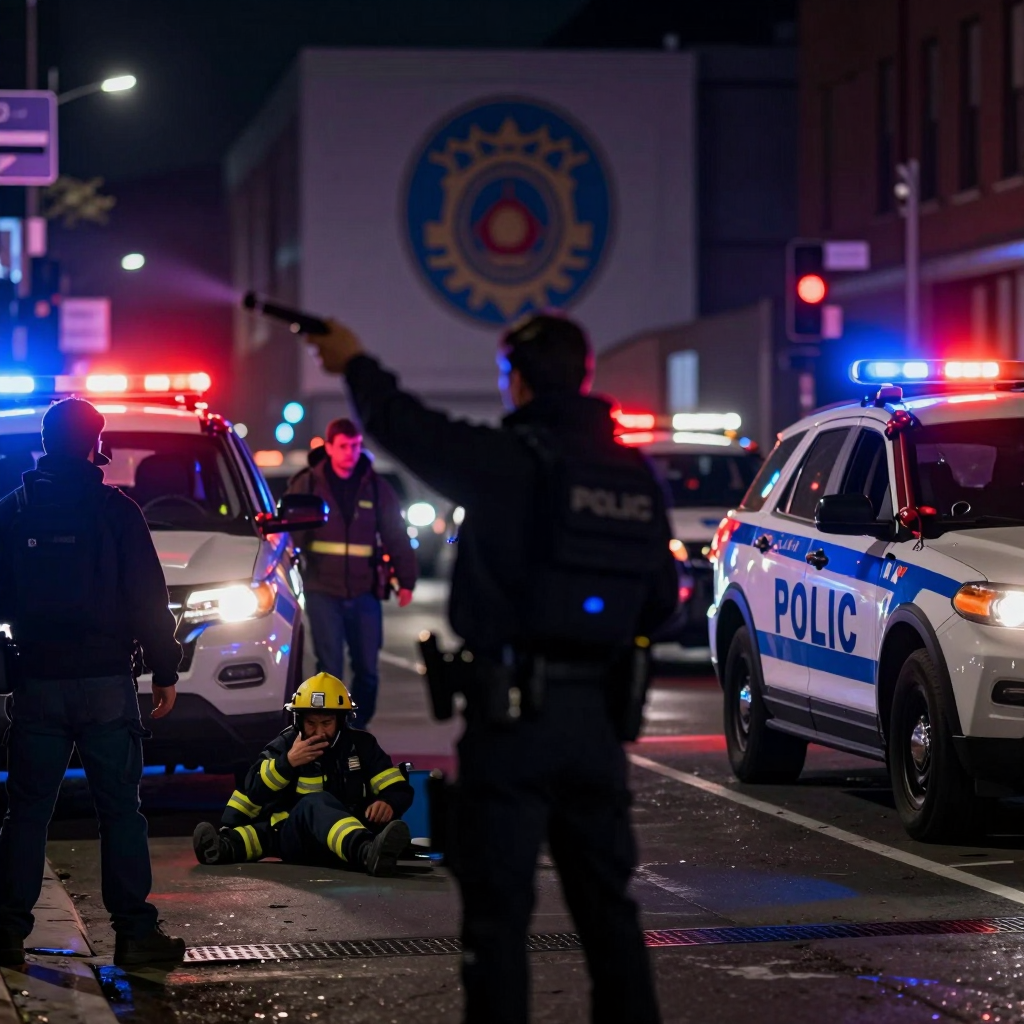
The arrival of an ambulance within 57 seconds after the 911 call, and the police swiftly taking control of the scene, were decisive factors that prevented this incident from escalating into an even greater catastrophe. At 2 a.m., amidst the noise and chaos of the entertainment district, the sound of gunfire instantly transformed the area into a battlefield demanding simultaneous ‘evacuation’ and ‘rescue,’ where every second counted for survival.
The first to act was the speed of the emergency medical system. The record of 57 seconds was no coincidence; it was the result of strategic deployment and response protocols tailored to the urban nightlife district. For gunshot victims, controlling bleeding, securing airways, and rapid triage determine life or death. Particularly in situations involving critically injured individuals, decisions about “who to prioritize, where to take them, and what treatment to administer” can drastically alter the scale of casualties.
The police played a different but equally crucial role. Before ‘treatment’ could even begin, it was imperative to stop the threat. The Austin Police responded swiftly under conditions where additional shootings were possible, blocking the suspect’s movements and suppressing further gunfire to control the situation. This was not merely a matter of pursuing a perpetrator; it was a highly complex operation managing secondary damages (panic, misfires, stampede, etc.) in a crowded street setting simultaneously.
Ultimately, the critical first minutes of the Austin, Texas shooting exemplified the principle that “rescue must begin even before the gunfire stops.” This rapid sequence of deployment, scene control, emergency care, and transport worked in unison, saving more lives in those brief moments.
Community Healing and Vigilance: The Deep Wounds and Lessons Left by the Austin Texas Shooting
The campus and local community were instantly engulfed in profound trauma, prompting immediate safety measures from political leaders. So, what message does this Austin Texas shooting leave us? Beyond the numbers of deaths and injuries lies a chilling fear of "It could have been me next," memories of everyday paths turned into threats, and a long road of recovery that the community must bear.
Trauma Lingers Long After the Incident
The shock felt by the local community, including the University of Texas, goes beyond mere anxiety. Especially since the shooting took place in a nightlife district adjacent to where students and residents live, ordinary activities like night outings, gatherings, and returning home become subjects of psychological vigilance. The perception that “that street itself is dangerous” can shake not only local businesses and nightlife but also the very fabric of community bonds.
Rapid Response Saves Lives, But Cannot Erase Wounds
Swift action and medical aid at the scene likely played a crucial role in reducing casualties. However, no matter how fast the rescue, witnesses and survivors may continue to suffer from recurring flashbacks, insomnia, and hypervigilance—such as being startled by the smallest sound. At times like these, what the community needs is not to "forget," but to build a structure that ensures easy access to counseling and healing resources. It’s vital for schools and local governments to actively guide people to psychological support services, while encouraging a stigma-free environment where symptoms are accepted by those around them.
“Enhanced Security” Is Essential but Must Be More Sophisticated
Measures such as increased weekend patrols can help alleviate public anxiety. Yet, long-term safety requires a more refined security design that includes:
- Hotspot-based patrols and route management: Flexible deployment tailored to crowded times and places, minimizing blind spots in alleys and parking lots
- Cooperation with local businesses: Emergency communication systems, evacuation route guidance, and first aid training fostering coordination between businesses, police, and emergency responders
- Transparency of information: Clearly distinguishing confirmed facts from unverified speculations to prevent the spread of rumors
Strong vigilance is necessary but must not amplify fear or unjustly stereotype specific groups. Community healing can only endure on the foundation of safety, human rights, and trust.
The Greatest Lesson: Resilience Comes From Preparedness
This incident is not just a tragedy for one city but also a question of how cities prepare for and recover from danger. It serves as a wake-up call to individuals that “safety is never guaranteed” and to society that prevention, response, and recovery must be designed as an integrated system.
Ultimately, the message left by the Austin Texas shooting is clear: communities can emerge stronger after tragedy—but that strength does not come from willpower or slogans. It is forged through concrete systems and ongoing care.
Comments
Post a Comment