 \n
\n
The Epic Comeback of Barcelona - Atlético Madrid That Defied the Impossible
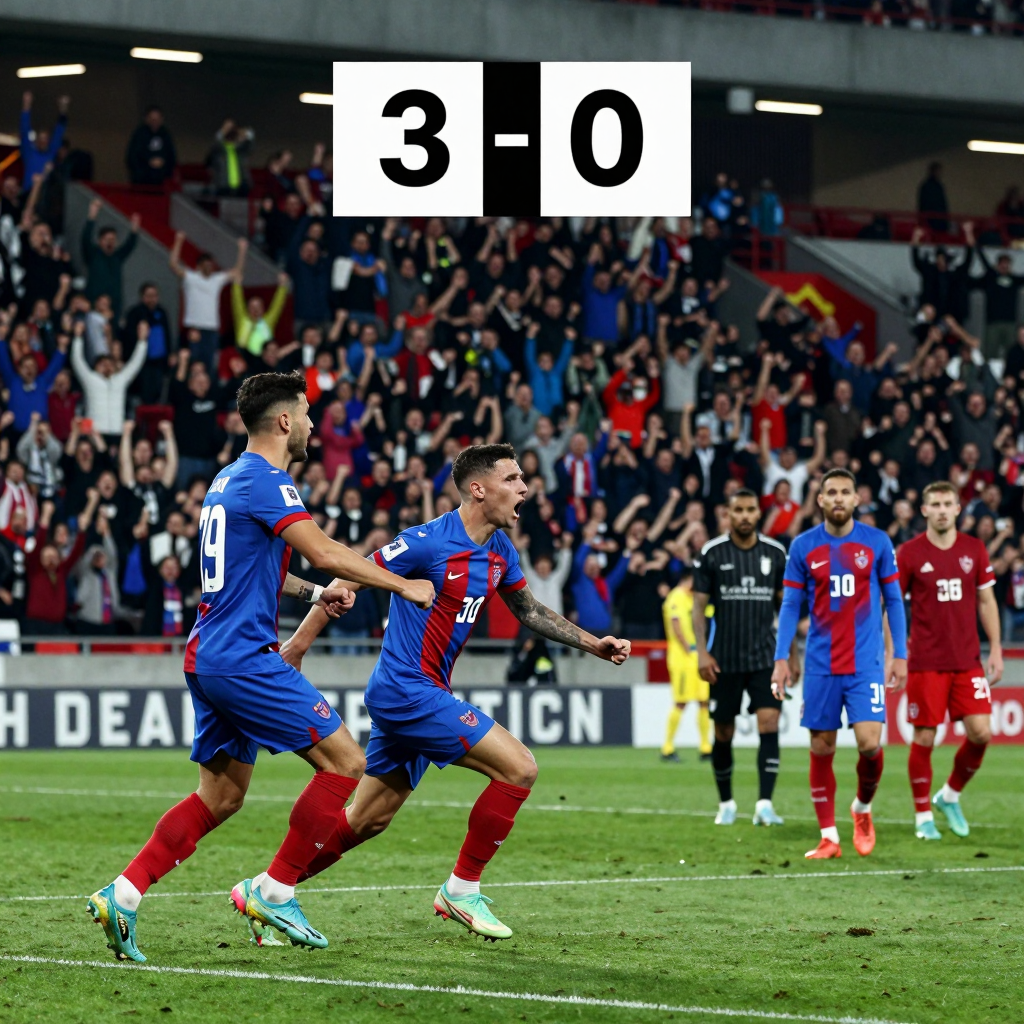
On March 3rd, a stunning 3-0 victory unfolded at Camp Nou. Just looking at the scoreline, it seemed as if Barcelona had turned everything around. But the real question begins here: Could Barcelona really make it to the semifinals? The answer, brutally honest, was “almost.”
In the first leg, Barcelona had collapsed, conceding 4 goals within the first 30 minutes and suffering a devastating 0-4 defeat. That deficit hung over the second match like a giant weight—they needed not just a win, but a miraculous 5-goal spectacle over 180 minutes. Yet from the very start at home, Barcelona charged fiercely. Their relentless pressure and rapid play unsettled Atlético Madrid, and Marc Bernal’s double strike (29th, 72nd minutes) plus Raphinha’s penalty just before halftime ignited a “real momentum” with the score at 3-0.
However, football doesn’t rewrite its story on emotion alone. Atlético Madrid, banking on their 4-goal cushion from the first leg, chose a strategy of resisting discomfort and holding firm in the second match. Barcelona fought relentlessly for that elusive equalizer on aggregate, but the one final goal they desperately needed never came. Compounding their challenge were Koundé’s early injury substitution, Valde’s request to be subbed in, and the notable absence of Lewandowski, making Barcelona’s attacking puzzle increasingly complex as the second half wore on.
In the end, this match wasn’t just about the “3-0 victory” on the scoreboard—it was a stark reminder of how crushing the 0-4 first-leg loss truly was. The battle between Barcelona and Atlético Madrid ended in a dazzling comeback but ultimately closed the tournament door at an aggregate score of 3-4. The drama lingered, but the ticket to the final slipped firmly into Atlético’s hands.
The Shock of the First Barcelona - Atlético Madrid Match: The Heavy Shadow of Conceding Four Goals
When Barcelona suffered a crushing 4-0 defeat in the first match held in Madrid, the Barcelona - Atlético Madrid showdown seemed all but decided. Especially staggering was the fact that all four goals were conceded within the first 30 minutes, a development that delivered a shock far beyond the scoreline. As goals piled up quickly, tactics collapsed, players’ judgment grew frantic, and the focus shifted from “the next goal” to fearing “the next mistake.”
Yet, hope was far from extinguished. The reason was clear: the tournament spans 180 minutes, not just 90, and Barcelona is a team that can change the dynamic once back on home turf. The stark reality, however, was relentless. A four-goal deficit was not just a hole to climb out of—it was a brutal challenge demanding at least five goals in the second leg. A single comeback or a flash of momentum would never suffice; relentless pressure and unwavering concentration throughout the match were the only paths to a viable scenario.
Ultimately, the four goals conceded in the first leg forced Barcelona’s entire second-leg strategy. They had no choice but to attack aggressively, which in turn exposed them to risks of defensive gaps and physical exhaustion. Atlético Madrid knew this better than anyone. The huge lead they carved out in the first match was not merely a score advantage—it became a psychological device that pushed Barcelona into haste, with its heavy shadow stretching all the way to Camp Nou.
An Almost Miraculous Comeback Amid Injuries and Pressure: Barcelona vs Atlético Madrid
Despite injuries to Jules Koundé and Robert Lewandowski, why did Barcelona refuse to stop? The answer lies not simply in “willpower,” but in the team’s psychological challenge to erase the humiliating 0-4 defeat from the first leg, and the tactical necessity to overturn the momentum at home from the very start.
From kickoff, Barcelona pushed their lines up and applied intense pressure on Atlético Madrid. This approach carried risks—gaps at the back could be lethal, and a single mistake could be fatal. Yet they persisted for one clear reason: with the minimum goal tally required (at least 5), playing it safe meant accepting defeat.
The situation grew more complicated as the match unfolded. Koundé’s early injury disrupted the defensive setup, and Lewandowski’s absence removed the focal point to finish decisively inside the box. Still, Barcelona never relented. Instead, they maintained their pressure, repeatedly creating scoring opportunities with increased probabilities—through set pieces, penalties, and late runs from the second line—building the conditions for a miracle, step by step.
However, this 180-minute battle between Barcelona and Atlético Madrid was not undone by a mere 3-0 in the second leg. Sitting on their 4-goal cushion from the first match, Atlético did not break their defensive block at the most critical moments, and Barcelona’s chase ultimately halted just before the word “almost” could be erased.
Barcelona - Atlético Madrid: Atlético’s Determination Returns to the Copa del Rey Final After 13 Years
Even when trailing 3-0, the 180 minutes of battle are far from over. The Barcelona - Atlético Madrid semi-final proved this truth. At Camp Nou, Barcelona played almost flawlessly, yet Atlético held on to the ‘time advantage’ secured by their 4-0 win in the first leg, clinching their spot in the final with a thrilling 4-3 aggregate victory.
The real meaning of this moment lies not in the scoreline, but in two sentences left after the match. What Diego Simeone’s team showcased was not dazzling offense, but a resilience in weathering their most fragile moments.
- Juan Musso’s remark that it was a “180-minute game” reflects an attitude that went beyond simply calculating ‘just one more goal to hold off’ amidst constant pressure and scoring threats in the second leg’s 90 minutes. It meant enduring until the very last whistle. Atlético repeatedly survived waves of Barcelona’s relentless attacks, with this painful endurance itself becoming the ticket to the final.
- Atlético’s identity, forged over years under Simeone, was deeply embodied here. Carrying a commanding lead into hostile territory, their strategy centered on “not breaking” under the opponent’s momentum and atmosphere. Every time Barcelona scored, the tie could have flipped—but Atlético refused to take that final step back.
Ultimately, this path to the final is a record of a team that defied the miracle. Behind the statement of returning to the Copa del Rey final after 13 years since the 2012-13 season lie 90 minutes more about survival than flair. And the true value of that unyielding spirit will face its next trial in the April final against Sevilla. Perhaps what Diego Simeone and Juan Musso emphasize about reaching the final is less about a “great match” and more about a game “held on until the very end.”
Lessons from the Spanish Giants, Barcelona vs. Atlético Madrid: What Matters More Than a Single Big Win
The Copa del Rey showdown that decided the fate of two La Liga powerhouses cannot be simply summed up by the “3-0 second-leg result.” The clash between Barcelona and Atlético Madrid once again proved that “winnable games” and “must-survive battles” are fundamentally different—and it hints at upcoming shifts in the landscape of Spanish football.
The Reality Behind the Aggregate Score: A Perfect 90-Minute Win Shrinks Over 180 Minutes (Barcelona vs. Atlético Madrid)
Barcelona delivered near-perfect performance at home, but the debt left by the 0-4 first leg was just too great. In knockout tournaments, what truly counts is not a single explosive victory but steadfast risk management across two games.
Atlético endured the discomfort and pressure of “defensive football” in the second leg; their sole goal was simple—preserve the aggregate lead—and their calculation paid off.
Beyond Tactics, It’s the Roster That Collapses First: The Heavy Impact of Injuries (Barcelona vs. Atlético Madrid)
This matchup showed that the stability of available personnel defined the outcome as much as tactics did. Barcelona faced a chain of injuries in defense, and with key attacking players missing, they were forced to maintain a “miracle-level scoring pace.”
On the other hand, Atlético’s defense, though enduring painful moments, maintained clear defensive roles and standards agreed upon by the team. In other words, this confirmed the harsh reality that when Plan A fails, what holds the plan together is the depth and condition of the squad.
A Preview of Spanish Football’s Future: The Coexistence of “Pressure and Attack” vs. “Management and Survival” (Barcelona vs. Atlético Madrid)
Barcelona’s aggressive pressing and rapid tempo embodied the flair expected of La Liga’s leaders, while Atlético’s pragmatic approach remains a formidable survival strategy in cup competitions. This clash signals two key trends for the Spanish stage ahead.
- The value of the ‘first 30 minutes’ in top-tier clashes grows: The gap opened early in the first leg ultimately decided the outcome.
- Strategic differentiation between league and cup becomes clearer: Consistency rules the league, while instantaneous perfection dominates cup play.
- Ultimately, champions will be the teams that master both ‘performance’ and ‘management’: Pure attacking or purely defensive football alone won’t carry a team all the way.
In short, this Barcelona vs. Atlético Madrid Copa del Rey duel was not just about which team “performed better,” but which side was “better designed and better endured.” And this question might well be the key to reshaping the competitive dynamics of Spanish football next season.
Comments
Post a Comment