 \n
\n
Weather in 2025: The Year of Unusual Climate Begins
In 2025, unexpected temperature fluctuations swept across Seoul and various parts of the country. The weather, which felt as if the seasons changed overnight, became so common that people found themselves greeting each other with questions like, “How on earth should I dress today?” These extreme temperature swings went beyond mere inconvenience, disrupting our daily rhythms, health, and society as a whole.
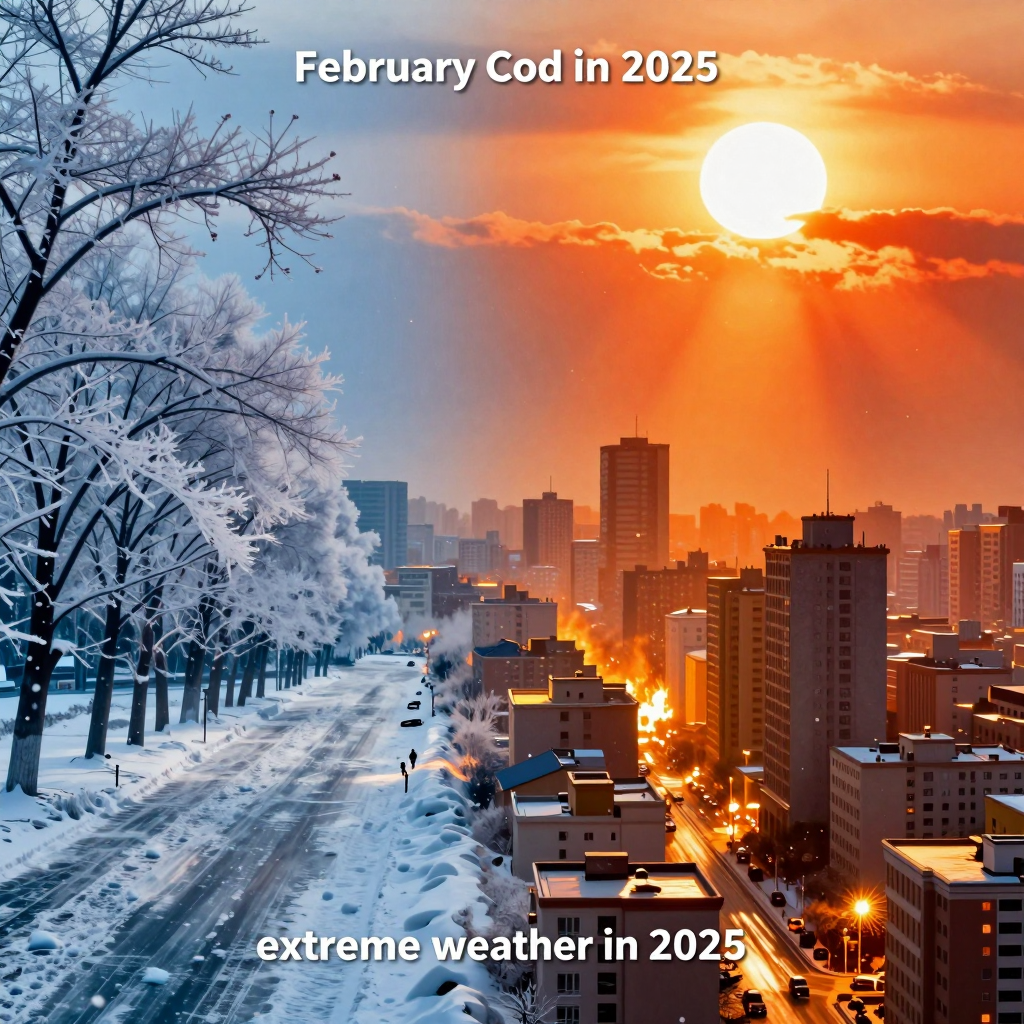
The most striking phenomenon was the alternating appearance of summer and winter within a single year. From January to May, temperatures were generally warmer than average; however, in February, Seoul experienced a sudden cold snap, marking its first negative temperature deviation in 15 months. By late March, mid-summer level heat waves shook our sense of the seasons, followed by an unprecedented snow event in mid-April in Seoul.
This rollercoaster weather was more than just a feeling.
- Health: The wide temperature gaps made it easy for colds, respiratory illnesses, and allergies to worsen, complicating efforts to maintain good health.
- Daily Life and Consumption: Plans for outings and travel were disrupted, while rapid switches between heating and cooling caused significant shifts in energy consumption patterns.
- Seasonal Industries: Unpredictability in spring flower blooming, crop growth, and outdoor event schedules blurred the meaning of “average year” benchmarks.
Ultimately, 2025 made it clear that unusual climate was not just a headline story but a reality actively reshaping our schedules and well-being. Moreover, this volatility signaled a transformation in how future seasons would unfold.
Weather of 2025 That Shattered Records: Climate Phenomena
From early summer-level heat waves in late March to unusual snowfall in April, and record-breaking nationwide average temperatures in June — 2025 was a year when weather norms were turned upside down so many times that people couldn’t help but ask, “Can such things really all happen in a single year?” The key takeaway is that the rhythm of the seasons broke down, and extremes collided within short periods.
Moments When 2025 Weather Became ‘Record-Breaking’
Late March: Early Summer-Level Heat
- Instead of the gentle temperature rise typical of spring, temperatures surged as if a switch was flipped. This sudden heat wave accelerated both the blooming period and the feeling of an early season shift.
Mid-April: A Twist with Snowfall in Seoul
- Only weeks earlier, the air was as warm as early summer, but temperatures plummeted enough to accumulate snow in April — a prime example of how drastically volatile the atmosphere had become. In other words, winter made an unexpected return in spring.
June: Early Monsoon + Nationwide Record High Average Temperatures After June 27
- Following an earlier-than-usual start to the monsoon, intense heat focused on the southern regions and Gangwon East after late June, sending the nationwide average temperature soaring to a record high. When monsoon humidity mixes with heat, the perceived sweltering heat exceeds the actual numbers.
August: Seoul’s Late August Average Temperature at ‘August’s Highest’
- Instead of easing off after the hottest period known as Malbok, the heat intensified late in August. This blurred the summer’s end, delaying the “exit time” of the heat wave.
Why Was This Weather Possible?
The defining theme of 2025 was a series of extremes. Highs and lows alternated rapidly, and the seasons no longer progressed smoothly in one direction, making rapid shifts like “a spring-like day followed by a winter-like day” common. Although the annual average temperature ranked tied for second highest ever at 14.1°C, people’s memories etched the year more as one of “disorienting upheaval” rather than just a “warm year.”
Far from a simple anomaly, 2025’s weather signaled that the very way we understand and read the seasons may soon change forever.
The Hidden Secrets Behind Unusual Cold and Heat in Volatile Weather
In February, Seoul experienced an unusual cold snap unseen for 15 months, followed by record-breaking heat waves in August. The appearance of such opposite extremes within a single year is far from mere “whimsy.” The key lies not in the average temperature, but in the sudden volatility that shakes that average.
Why Weather Is Reaching Extremes: The True Change Masked by ‘Averages’
While 2025 was generally warm, there were moments when temperatures plunged as if it were winter (February), and periods when the heat lingered intensely through midsummer (August). This indicates that seasons no longer transition “gradually,” but instead repeat cycles of rapid acceleration and abrupt braking within short time spans.
- Unusual Cold (February): When a short but strong influx of cold air occurs, it feels like plunging back into midwinter.
- Unusual Heat (August): When hot air lingers, the heat accumulates, even through the night, driving up the average temperature.
Weather’s Warning Signs: When ‘Unusual Cold’ and ‘Unusual Heat’ Appear Together
Experiencing both intense cold and heat within one year doesn’t mean “distinct four seasons” but rather signals that the boundaries between seasons are becoming unstable. Examples like early summer heat in late March or snowfall in mid-April reveal a distortion of seasonal rhythms.
Ultimately, the perspective we need is clear: it’s not about “this year being hot or cold,” but recognizing that wider temperature fluctuations can disrupt daily life, health, crops, and energy consumption patterns.
Weather Observations to Follow in the Next Section
These repeated extremes also seem to speed up spring’s arrival. In fact, flowering times are trending earlier. So, how will these changes reshape the upcoming spring and summer seasons?
Spring Weather and Climate Change in 2026: The Reason Behind the Earlier Cherry Blossom Bloom
Why did Seoul’s cherry blossoms bloom a full six days earlier than last year? When we examine the meaning behind this spring’s weather and climate change, we can read a signal that goes beyond simply “it must have been warmer this year” — it reveals that the very rhythm of the seasons is shifting.
The Key to Early Blooming: The Cumulative Effect of Late Winter and Early Spring Weather
The timing of cherry blossom blooming isn’t determined by the temperature of a single day. What matters is how many warm days accumulate during early spring. March 2026 showed a faster-than-usual progression into spring, naturally causing the cherry blossoms to bloom earlier. Moreover, since cherry blossoms generally have a short period from initial bloom to full bloom, the ongoing warmth creates the impression that they “suddenly bloom and quickly reach full bloom.”
The Dramatic Variability of 2025 Sets the Stage for 2026’s Spring Weather
Last year (2025) was marked by extreme temperature fluctuations. Late March saw summer-like heat, only for mid-April to bring snow to Seoul — a rapid and chaotic seasonal transition. These “rolling weather patterns” can repeat in various forms year after year, and the early blooming of spring in 2026 can be understood as part of this continuity. In other words, the early signals of spring arrive faster as rising average warmth coincides with increased volatility (sudden spikes and drops).
The Message Behind Earlier Cherry Blossoms: Spring Weather Arrives Shorter and Faster
Cherry blossoms are one of the most tangible signs of the seasons we experience. An earlier bloom doesn’t just mean flower news arrives sooner — it also suggests that spring weather may become shorter and more rapid in the future. This shift affects travel plans, festival schedules, and makes timing the bloom increasingly challenging. Ultimately, the phrase “the cherry blossoms bloomed early” is the most straightforward scene illustrating how climate change is transforming everyday life.
How Should We Prepare for the Weather in the Era of Abnormal Climate?
With extreme climate fluctuations becoming the new normal, what changes should we prepare for and respond to in the future? In 2025, early summer-like highs appeared in late March, only to be followed by snowfall in mid-April—shaking the very boundaries of the seasons. The monsoon arrived earlier, and midsummer heatwaves intensified. Now, weather must be understood by its “variability” rather than its “average.”
1) Understanding Changing Weather Signals as ‘Patterns’
- Sudden temperature spikes and drops: Layering clothes lightly and in multiple thin layers, and always carrying a lightweight outer layer helps adapt to indoor and outdoor temperature differences.
- Early seasonal onset (e.g., early spring blooms): Allergies, fatigue from temperature swings, and pest activity all shift earlier, requiring adjustments in daily rhythms.
- Unusual monsoon and heavy rain patterns: Instead of just “if it will rain,” focus on “how intense the rainfall will be when it comes.”
2) A Practical Weather Response Checklist for Everyday Life
- Daily safety
- Check windows and balconies for loose items during strong wind and heavy rain forecasts (to prevent falling or scattering debris)
- Adjust plans using low-lying areas or basements to minimize flood risk
- Health management
- Heatwaves: stay hydrated with water and electrolytes, adjust outdoor activity timing, and manage indoor temperatures to prevent heat-related illnesses
- Sudden cold snaps: people with high blood pressure or respiratory issues need to be extra cautious about outdoor time and warmth
- Travel and mobility
- Before long drives, check road conditions for heavy rain or ice, and plan alternative routes and timing
- In spring, don’t rely on just the warmth—pack according to morning and night temperatures
3) Weather Adaptation Strategies Changing Families, Homes, and Consumption Habits
- Home (housing)
- Regularly inspect drains and gutters; manage condensation and mold to control humidity
- Improve energy efficiency with insulation and heat-reflective measures such as curtains and upgraded windows
- Family (caregiving)
- Children and the elderly struggle with temperature regulation; adjust schedules ahead of heatwaves or cold spells starting from forecast alerts
- Consumption (preparedness)
- Keep year-round waterproof jackets, portable raincoats, and waterproof shoes ready as “emergency gear”
- Season-specific appliances should be used flexibly, adjusting to abnormal heat or cold rather than swapping all at once
4) The Bottom Line: ‘Information + Habits’—Turning Weather into Action
In the era of abnormal climate, simply checking forecasts isn’t enough. You need the habit of automatically acting on the forecast.
- Every morning: check temperature range (low/high), rainfall intensity, and perceived temperature
- Once a week: routine inspection of emergency supplies and home condition
- Seasonal shifts: health check-ups, exercise, and sleep management to build resilience
As weather grows more unpredictable, preparation doesn’t start with grand plans but with the accumulation of small routines. From today, update the baseline of your daily life by embracing “variability” as your new standard.
Comments
Post a Comment