Suwon Samsung Dominates Jeonnam 2-0 with Goals from Jung Ho-yeon and Hayes! K League 2 Opens with Three Consecutive Wins
 \n
\n
Suwon vs Jeonnam: A Perfect Start, Suwon Samsung's Mythical 3rd Straight Win
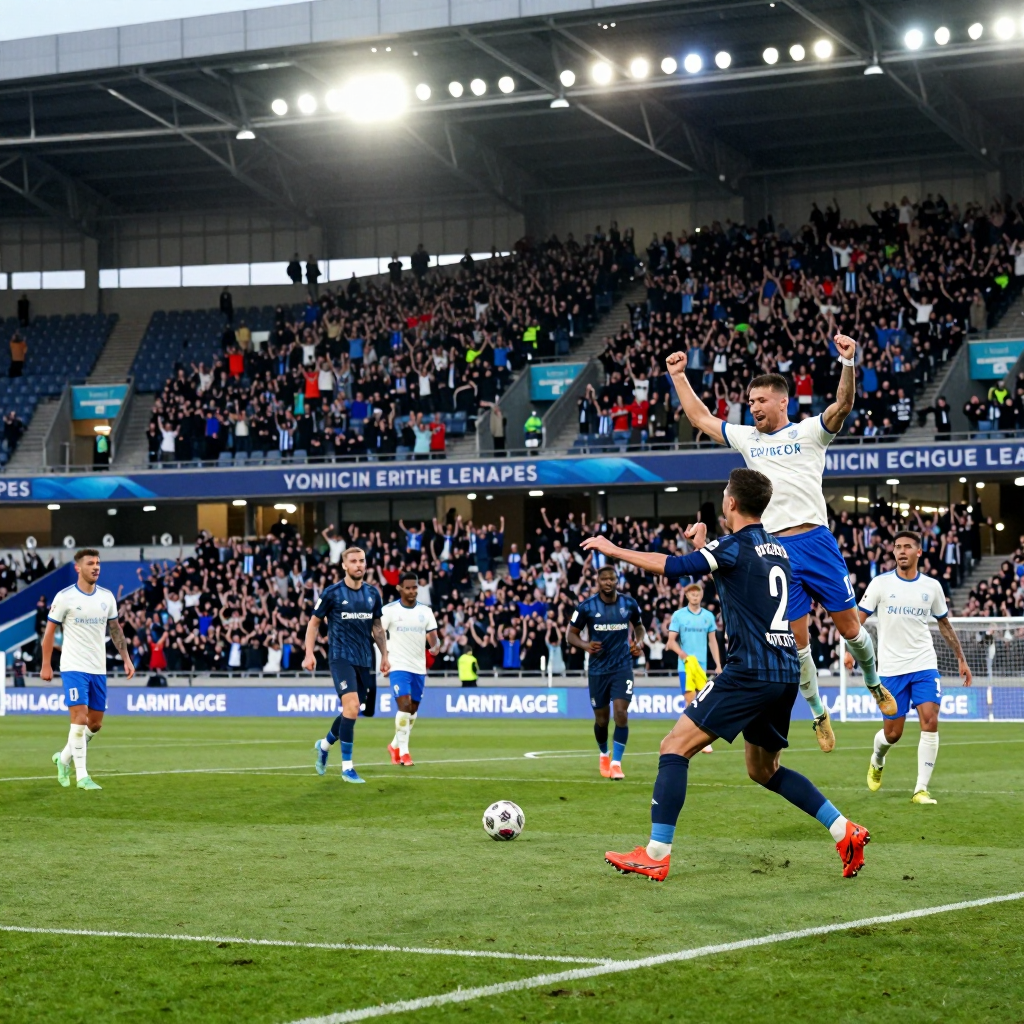
From the opening match, Suwon Samsung drew fans’ expectations with overwhelming performance and showed no signs of wavering in the Suwon vs Jeonnam clash. On the 14th, at Suwon World Cup Stadium in the K League 2 Round 3, Suwon decisively crushed Jeonnam Dragons 2-0 and raced to an impressive three consecutive wins to start the season. The premonition that “this season is different” is steadily turning into confidence.
Suwon’s victory was not just a stroke of luck but stemmed from a structural advantage. Based on a 4-3-3 formation, the front-line pressure and attacking flow led by Bruno Silva, Kim Ji-hyun, and Heyes constantly disrupted Jeonnam. Ultimately, in the 35th minute of the first half, Jung Ho-yeon’s powerful low-range shot broke the deadlock and shattered the balance. Even after taking the lead, Suwon maintained their tempo, and in the 26th minute of the second half, Heyes sealed the deal with a header off a corner kick, closing the door on the match.
What was particularly impressive was their game management. Despite holding early control in the first half, they didn’t rush, and in the second half, they stabilized the momentum with substitution tactics, maintaining their dominance. Although Jeonnam tried to counterattack, the tide completely turned in Suwon’s favor, especially after Jeonnam’s Nodong-geon was sent off in added time. Ultimately, Suwon settled at the top of the standings (2nd place) with 9 points, while Jeonnam stumbled with 1 win and 2 losses.
Suwon Samsung’s three consecutive wins are more than just a winning streak—they signal a shake-up in the early season landscape. With the solid performance and finishing touch shown in the Suwon vs Jeonnam match, it’s truly exciting to see how far this “perfect start” can take them.
The Hidden Tactical Power in Suwon vs. Jeonnam: The Secret of the 4-3-3 Formation
The dynamic movements of the Bruno Silva-Kim Ji-hyun-Hayes attacking trio cannot be explained by “individual skill” alone. Suwon’s decision to deploy the 4-3-3 in the match against Jeonnam was not merely to increase the number of attackers, but to create a structure that stretched Jeonnam’s defensive organization horizontally (width) and pierced that gap vertically (penetration). As a result, Jung Ho-yeon’s opening goal and Hayes’ additional score felt like an inevitable outcome of this tactical setup.
The Core of the 4-3-3 Was the ‘Role Distribution among the Three Forwards’
Suwon’s front three didn’t just move in unison along the same line; instead, they shook Jeonnam’s defensive line by swapping roles based on the situation.
- Bruno Silva: He took the width all the way to the flank to pull defenders outward, then during transitions he quickly cut into the half-space, increasing attacking options.
- Kim Ji-hyun: Acting as the ‘anchor point’ in the center, he held up play with his back to defense, effectively tying up defenders and opening penetration lanes for the second line.
- Hayes: By drifting between wide and central positions, he distracted defenders’ focus, and in the second half, he capitalized on set-piece situations with lethal heading finishes.
With this division of labor as width-anchor-flexibility, Jeonnam found it difficult to mark any one player decisively. Suwon, in turn, didn’t rely on ‘one-off decisive plays’ but crafted a pattern of repeated threats that kept Jeonnam under constant pressure.
The ‘Jung Ho-yeon Shooting Angle’ Created by the 4-3-3 Midfield
The key to the opening goal was not just Jung Ho-yeon’s shooting ability, but how the 4-3-3 midfield created space and angle for his shot. Rather than confronting Jeonnam’s pressure head-on, the formation circulated the ball, gradually shifting their defensive block. This produced a momentary gap right in front of the penalty arc. At that precise moment, Jung Ho-yeon boldly chose a low shot that connected for a goal.
Set-Pieces as the Tactical ‘Full Stop’: Hayes’ Additional Goal
Hayes’ headed goal from a corner kick in the 71st minute was no coincidence; it was the product of Suwon’s persistent pressure and control throughout the game. The 4-3-3 is a tactic that forces the opposition backward, increasing the frequency of set-piece opportunities. The longer Jeonnam held a defensive posture, the more weight a single chance like a corner kick carried—and Suwon never lost concentration at that crucial moment.
In the Suwon vs. Jeonnam match, Suwon used the 4-3-3 not just as an “offensively flashy formation,” but as a mechanism to repeatedly create high-probability scoring opportunities. That tactical choice was the greatest factor behind their commanding 2-0 victory.
The Thrill of Scoring in Suwon vs. Jeonnam: The Goal Stories of Jeong Ho-yeon and Hayes
From Jeong Ho-yeon’s powerful ground shot at the 35th minute of the first half to Hayes’ header at the 26th minute of the second half, how were these two goals born, and how did they seal Suwon’s victory? The flow of the Suwon vs. Jeonnam match hinged entirely on “when” and “how” the decisive strike came.
The first to break the deadlock was Jeong Ho-yeon. In the early stages of the first half, despite Suwon’s dominance, the finishing line was blocked—until Jeong boldly struck a ground shot from the center of the penalty arc, opening the goal. It wasn’t a flashy combination or complex pattern, but a split-second reading of space and a fearless strike. This opener pushed Jeonnam’s defensive line backward and gave Suwon the foothold to manage the rest of the match more comfortably.
What sealed the outcome was Hayes’ header at the 26th minute of the second half. From a corner kick, he expertly finished the aerial ball to add another goal, and this score wasn’t just a simple 2-0—it was a decisive blow that crushed Jeonnam’s will to fight back. If the first goal opened the door of the game, this header locked it shut.
Ultimately, Suwon’s two goals were completed in different ways but shared something in common. The first goal was a single bold move that broke the frustration, and the second was a period that cemented the dominant momentum into the scoreline. That’s why the Suwon vs. Jeonnam match remains vividly remembered not just for “how the goals were scored” but even more for “when they were scored.”
The Moment That Decided the Suwon vs. Jeonnam Match: The Impact of Nodong-geon's Red Card
In the added time of the second half, there was a moment that completely shifted the atmosphere just as much as the scoreline itself. Jeonnam’s Nodong-geon was sent off for a rough tackle, leaving a shockwave far beyond just being a man down—it crushed Jeonnam’s last shred of fighting spirit for a comeback.
Even trailing 0-2, Jeonnam pushed their line forward in the final moments, hoping to snag a consolation goal. But once the red card confirmed their numerical disadvantage, their tactical options rapidly dwindled. Rather than committing more players to attack, the priority inevitably became preventing further goals and closing out the match. At the crucial moment when they needed a momentum change, risk management took precedence instead.
Conversely, Suwon’s game management became remarkably simpler from that point on. Instead of recklessly chasing another goal, they focused on maintaining possession and safely advancing the ball to kill the clock and protect their lead. Ultimately, the Suwon vs. Jeonnam match was sealed by this red card variable before Jeonnam’s comeback drama could even begin. The sending off didn’t alter the final score—but it was the decisive moment that transformed the remaining minutes from a battle on the field into a mere formality.
Current Rankings and Future Prospects: Suwon’s Leap and Jeonnam’s Challenges After the Suwon vs. Jeonnam Match
Is Suwon’s future bright after climbing to 2nd place with three consecutive wins? The recent Suwon vs. Jeonnam game revealed more than just a 2-0 victory. Suwon firmly entered the top-tier race with three straight wins from the season opener (9 points), while Jeonnam’s momentum stalled with one win and two losses (3 points), highlighting the urgent need for a ‘blueprint for turnaround.’
Suwon: Transforming Into a Team That “Knows How to Win”
Suwon’s biggest takeaway is the stability in managing the game after taking the lead. After Jeong Ho-yeon opened the scoring with a low-range shot from outside the box, Hayes sealed the deal with a goal from a corner kick in the second half, proving their set-piece execution to perfection. This means they’ve developed the ability to create scoring opportunities even when the game flow isn’t smooth.
The key point to watch moving forward is clear: Can they maintain the current level of pressure and finishing ability against other top-tier competitors? If the attacking line (Bruno Silva–Kim Ji-hyun–Hayes) continues to dominate upfront as they do now, Suwon won’t just stay in 2nd place—they could realistically challenge for the top spot.
Jeonnam: Prioritizing a “Recovery Routine” Over Identifying Causes of Two Consecutive Losses
Jeonnam’s atmosphere cooled down after winning the opener, suffering back-to-back defeats against Daegu and Suwon. Especially in the Suwon vs. Jeonnam match, an added complication of a late red card in stoppage time left a lasting impression of a collapse in game closure. In the short term, these two priorities outweigh major tactical overhauls:
- Limiting goals conceded and managing risks: The more urgent Jeonnam gets after conceding first, the wider their defensive gaps and higher the chance of fouls become. Reducing unpredictable factors like red cards will buy them more time to mount a comeback.
- Optimizing attacking patterns to increase scoring expectancy: Rather than relying on sporadic counterattacks, securing repeatable patterns such as wing play, second-ball recovery, and coordinated pressing is essential to break the losing streak.
Season Outlook: Suwon Aims to “Maintain Momentum,” Jeonnam Focuses on “Stopping Losing Streaks”
Considering the current trends, Suwon appears highly likely to cement their place in the top ranks, while Jeonnam’s immediate priority is to halt their losing streak before slipping further into mid-table. The season is long, but early points widen future options. Whether Suwon can turn their current form into a consistent habit, and whether Jeonnam can quickly restore their shaken mentality and game management—the answers will soon be fully reflected in the standings.
Comments
Post a Comment