Tottenham's Shocking EPL 5-Game Losing Streak: Team in Danger Just One Point Above Relegation Without Son Heung-min
 \n
\n
Tottenham’s Crisis Exposed Against Crystal Palace: Sliding Into the Relegation Zone
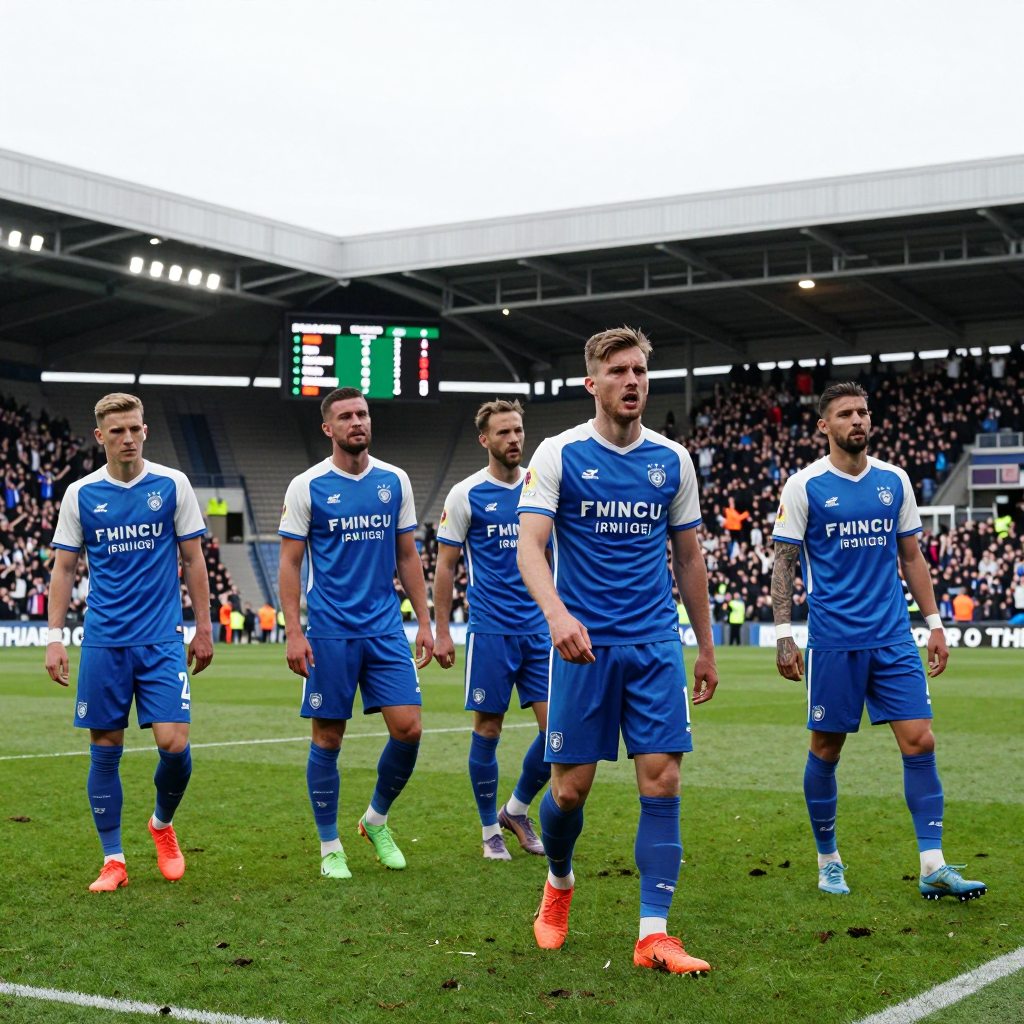
Tottenham Hotspur suffered a shocking 3-1 home defeat to Crystal Palace, marking their fifth consecutive loss in the league. The question on everyone’s lips was, “Why is Tottenham falling apart like this?” It wasn’t just the painful result; the way they lost brutally laid bare the current state of the team.
The Tottenham vs. Crystal Palace match can be summed up in one sentence: “A lead completely shattered by one fatal mistake.” Although Solanke’s goal in the 34th minute seemed to set the tone, less than five minutes later, Van der Ben’s sending off and a penalty goal destroyed the balance. Being a man down wasn’t just a tactical issue—it became a variable that shook the entire team’s judgment and focus to the core.
The real problem came next. Tottenham, needing to hold on after equalizing, collapsed again during added time in the first half, conceding consecutive goals that effectively sealed their fate. This pattern reveals a team that can’t easily bounce back once broken, glaringly missing the backbone to reorganize their line and disrupt the opponent’s rhythm when under pressure.
With this defeat, Tottenham is now trapped in their worst slump yet—11 league games without a win—and the gap to the relegation zone has shrunk to just one point with 29 points on the board. It’s too soon to dismiss this as a “temporary dip for a strong team” when there are only nine games left. On top of that, the Champions League schedule and an away trip to Liverpool mean there’s no breathing room left in the league campaign.
Ultimately, this crisis isn’t just about one lost game—it’s the cumulative collapse of game management and crisis response. For Tottenham to escape the relegation threat, they need to fix not just their ‘best’ version, but more importantly, the ‘broken’ version of themselves first.
A Four-Minute Twist of Fate: The Moment Tottenham Collapsed Against Crystal Palace
When the opening goal went in, the momentum of the Tottenham vs. Crystal Palace match seemed to tip in Tottenham’s favor. In the 34th minute of the first half, Ache Gray’s breakthrough and cutback, followed by Solanke’s finish, sparked hopes that “today could be the day to change the tide.” The problem? That hope lasted less than four minutes.
Relief After the Opening Goal—and the Lapse of Concentration That Followed
In football, scoring first often simplifies tactics. Teams can drop their lines slightly and look to counterattack as the opponents become desperate. But before Tottenham could settle into the ‘stability’ that comes with leading, they faced their most dangerous moment. Right after scoring, concentration tends to slip, while the opposition receives a signal that the real fight “starts now.”
One Red Card to Van der Veen, and the Defense Collapses Instantly
In the 38th minute, captain Van der Veen’s holding foul inside the penalty box wasn’t just a simple foul. It resulted in a red card plus a penalty kick, flipping the match’s entire logic on its head instantly. The reasons this moment was so devastating are clear:
- Numerical disadvantage: Ten players can’t maintain the same pressure and coverage that eleven do.
- Leadership vacuum: The loss of the captain breaks the team’s mental backbone even before tactical adjustments.
- Forced tactical reshuffle: Abandoning Plan A and scrambling to reorganize leaves pockets of space open.
As Sar converted the penalty to level 1-1, Tottenham fell in just four minutes from “the leading team” to “the team on the ropes.”
The Equalizer Was Just the Beginning: A Domino Effect of Conceded Goals in Added Time
The real problem came next. After the red card, Tottenham tried to reorganize and close out the half, but instead, they conceded consecutive goals in added time, virtually surrendering the match. First Strand Larsen scored the go-ahead goal, then Sar added another, pushing the score to 1-3.
This sequence was more than just being a man down—it was a classic pattern of post-red card chaos (marking breakdown) → failure to control distance (losing second balls) → conceded goals. From that critical four-minute stretch, Tottenham vs. Crystal Palace transformed from a contest into a desperate fight for survival.
The Season’s Worst Slump and the Shadow of Relegation: The Reality Revealed After Tottenham vs. Crystal Palace
Since the launch of the EPL in 1992, Tottenham has recorded an unprecedented 11-game winless streak and sits at only 29 points. Just looking at the numbers, calling it “slump” falls short. What’s even more shocking is that Tottenham is now just one point away from the relegation zone. The defeat against Crystal Palace wasn’t simply a single loss but a glaring snapshot of where the true crisis lies.
The Crisis Told by the Records, but What’s Scarier Is the ‘Momentum’
An 11-game winless streak isn’t just a matter of bad luck piling up. It signals that it’s not merely inconsistency in performance, but that their ability to manage the game itself has collapsed. Tottenham scores the opening goal but fails to maintain control, cannot structurally hold their ground when down a player, and falls into a repetitive pattern of conceding consecutive goals. Once shaken, their “brake” to steady the team simply doesn’t work.
The Terror of Being One Point Above Relegation Explodes in the ‘Remaining Games’
With 29 points, the critical factor isn’t the total points but the limited window of the remaining 9 matches. In this phase where gaining 1 to 3 points can entirely flip standings, Tottenham cannot afford to gain distance from their rivals. Especially with tough fixtures against strong teams mixed into their schedule, a single slip-up means the mindset of “making up for it next time” becomes invalid. The relegation battle is not just about skill but a fight of mental strength and management, and recent momentum shows uncertainty in both.
The Core of the Crisis Is Not Tactics, But a Collapse of ‘Control’
The most critical moment in the Tottenham vs. Crystal Palace match was not the red card itself but the response afterward. While conceding a penalty after the dismissal might seem unlucky, the real issue came next. Multiple goals conceded in a short time ended the match early, signaling that the team failed to reorganize lines, spacing, and role assignments during the crisis. Beyond tactical correctness, the fundamental capacity to “hold firm under pressure” has vanished.
Ultimately, this relegation threat can’t be explained by a single mistake or the absence of specific players. Behind the season’s worst slump revealed by the records lies a collapse of the team’s game control in managing leads and matches. And as the number of remaining games diminishes, this collapse drags their ranking down faster and faster.
Tottenham vs Crystal Palace: A Coach Who Can't Win, Tactics That Fall Apart
Since Igor Tudor took charge, the team has suffered three consecutive league defeats. What stings even more is the faint trace of anything that feels “different despite the loss.” The Tottenham vs Crystal Palace match distilled these limitations perfectly. A lead from an opening goal crumbled after a red card, and the coach’s response failed to turn the game around.
The Vanishing ‘Plan B’ Exposed in Tottenham vs Crystal Palace
The opening goal in the 34th minute was a well-prepared sequence. The pattern of a wing breakthrough–cutback–finish was clean, and for a brief moment, Tottenham set the tempo they desired.
But the problem began after Van der Vaart’s red card. Playing a man down isn’t a variable; it’s a scenario you must be ready for—and Tottenham immediately lost their operational bearings.
- The gap between defense and midfield widened, leaving the center vulnerable
- Even when in possession, there was no ‘escape route’ from pressure, leading to rushed clearances repeatedly
- Transitioning into a deeper defense, but slow reactions to second balls around the box led directly to successive goals conceded
Ultimately, it wasn’t just the red card itself, but the lack of a plan to survive the critical 5–10 minutes after the dismissal that proved fatal.
Why the Substitutions Were More ‘Band-Aids’ Than Solutions
Tudor tried to inject change through substitutions, but their impact was limited. At that stage, Tottenham’s changes were less about “turning the game around” and more about “delaying collapse.” The reasons are straightforward.
1) Redefining clear roles came too late
Once down to 10 men, the first priority should be deciding ‘who covers what,’ yet Tottenham’s positional reshuffling was awkward.
2) Attack-minded substitutions didn’t ease defensive burdens
Even with fresh attacking players, pushing forward posed greater risk on defense. Tottenham’s decreased front-line pressure failed to disrupt the opponent’s buildup, leaving them defending more.
3) Player decisions cracked before tactics could take hold
Repeated bad passes, needless fouls, and failed line control turned substitutions from structural fixes into mere noise. The consecutive goals conceded in added time of the first half reflected both tactical failure and psychological collapse.
Internal Issues Run Deeper Than the Coach’s Limits
Putting Tudor’s tactical abilities aside, Tottenham is far from a stage where a coaching change alone is a quick fix. The stat of 11 winless league games signals problems far beyond just tactical mistakes.
- The team fails to operate under agreed principles during unpredictable in-game moments
- Lack of game management skills to protect leads and control details on the pitch
- No thorough backup plans for key player absences (e.g., Son Heung-min’s injury)
In short, Tudor’s three straight losses are a symptom—behind them lies a team whose tactics, mentality, and structure are all unraveling simultaneously. For Tottenham to turn things around, before worrying about wins and losses, they must first rebuild clear rules of engagement that operate effectively in crisis moments like red cards, conceding goals, and intense pressure.
Matches Remaining After Tottenham vs Crystal Palace and an Uncertain Future
The remaining nine matches against Atlético Madrid, Liverpool, and relegation rivals present yet another fierce battle for Tottenham. If the loss to Tottenham vs Crystal Palace is not just a single game result, the upcoming schedule is more likely to be “a war for survival” rather than “a story of rebound.”
The Reality Told by the Schedule: A ‘Psychological Debt’ Heavier Than Physical Fatigue
Tottenham must juggle not only the league but also the grand stage of the Champions League round of 16. The problem lies less in the number of games and more in the wounds recent performances have left on the team. Matches collapsed by red cards and first halves ruined by consecutive goals instill a fear among players that “we could fall apart again.” Facing strong teams one after another in this state turns every small mistake into panic.
The Turning Point Is Not Against ‘Strong Teams’ But Against ‘Direct Rivals’
Ironically, the decisive matches are not the away game at Liverpool, but the clashes with teams near the relegation zone, separated by just 1–2 points. Especially, home games like the match against Nottingham Forest are worth six points.
- Win: It instantly breathes life into the team and justifies a shift in momentum.
- Draw: Only shortens the time remaining and increases anxiety.
- Lose: Relegation shifts from a mere possibility to a realistic scenario.
Three Variables That Will Decide a Dramatic Ending
The outcome of the final nine matches can hardly be explained by one tactical approach alone. The following three factors must act simultaneously.
1) Recovery of Defensive Mentality and Managing Red Card Risks
As seen in the Tottenham vs Crystal Palace match, a single misjudgment can overturn the entire game. In the fight against relegation, it is not the “best team” but the “team that doesn’t collapse” that survives.
2) Game Management After Taking the Lead
If the pattern of shaking after scoring first repeats, the same outcomes will recur in the remaining matches. There needs to be a clear agreement on how far to drop the line and where to ease the press once the lead is secured.
3) Moments When the Manager’s Decisions Send a Message
Substitution timing and positional adjustments are not only tactical moves but declarations. It must be clear whether the message is “We will defend” or “We will push for more goals,” so the players remain composed.
Tottenham’s Future: Hope Lies Not in ‘Winning Streaks’ but in ‘Breaking the Losing Cycle’
What Tottenham needs now is not a flashy turnaround but the minimum point management to break the cycle of defeats. The perseverance to earn one point against strong teams and the focus to secure three points against direct rivals—once these two balance, the remaining nine matches can turn from a record of decline into a survival story.
Comments
Post a Comment