April 4 Nationwide Spring Rain Forecast: Heavy Rain Warning for Jeju and South Coast with up to 150mm Expected
 \n
\n
On the Upcoming April 4th, The Entire Nation Will Be Covered by Clouds and Rain: Key Weather Outlook
Heavy rain is forecasted across most regions of the country, with potential impacts on our daily lives. Just how intense will this rain be? To get right to the point, April 4th (Saturday) will see cloudy skies and rain over most of the nation, with a high chance of heavy downpours focused on the southern coast and Jeju Island. If you have plans to go out or travel, be sure to check the rainfall intensity and timing for your area.
Rainfall by Region: Where Will the Heaviest Rainfall Occur?
The rain will start spreading nationwide from early morning, and although it will mostly clear up during the day, some areas may experience rain persisting until late afternoon. The southern coast and Jeju Island, in particular, should be cautious as heavy rainfall might pour in a short time.
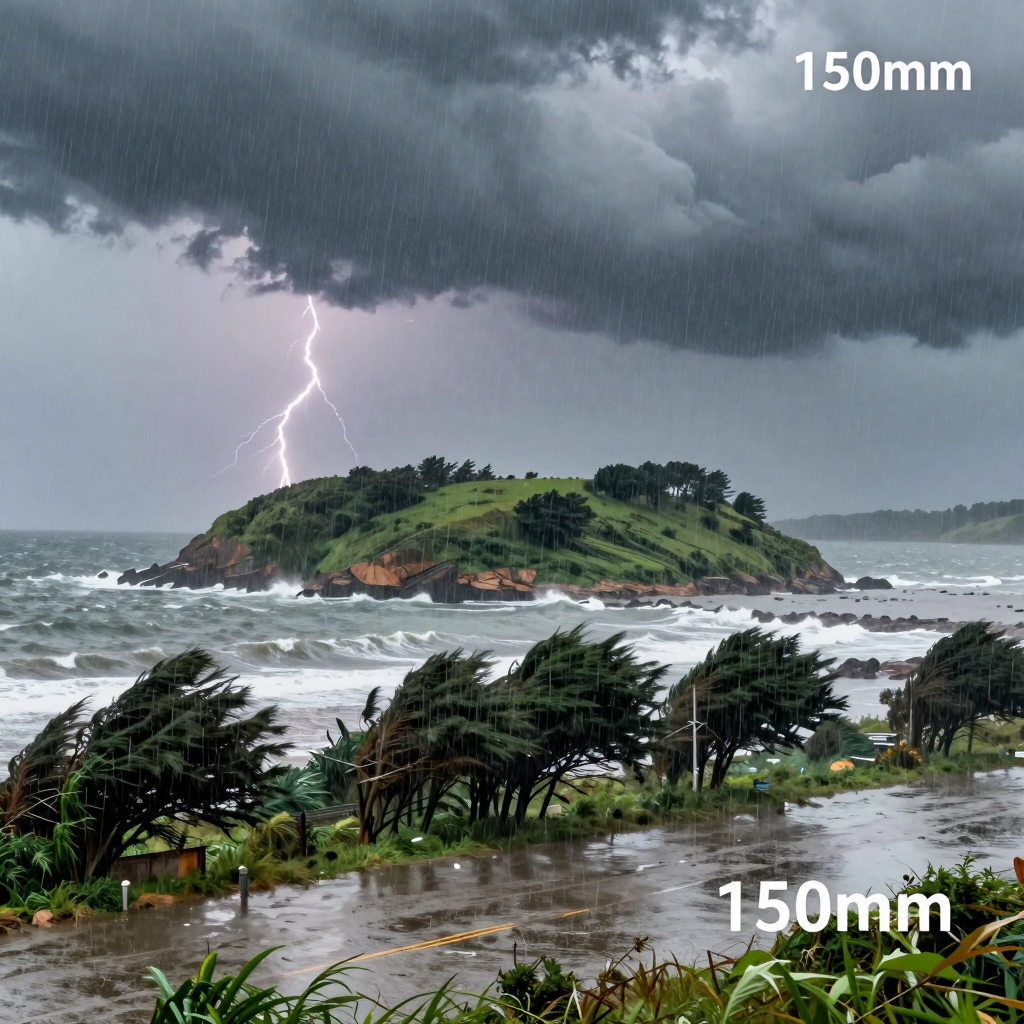
- Jeju Island: 30~100mm (Mountainous areas could receive over 150mm)
- Busan, Ulsan, Southern Coastal Gyeongnam, Southeastern Coastal Jeonnam: 30~80mm
- Gwangju, Jeonnam, Eastern Coastal Gyeongbuk: 20~60mm
- Capital area and Chungcheong region: 10~40mm
- Seoul, Incheon, Northern Gyeonggi: 5~20mm
Between early morning and morning hours, the southern coast and Jeju Island are expected to be hit with strong rain at a rate of 20~30mm per hour, and a heavy rain warning may be issued for Jeju Island. For commuters and travelers during peak movement times, it’s safer to prepare for more than just an umbrella—consider the potential for flooding and reduced visibility.
Temperature and Wind: Additional Weather Factors at Play
Temperatures will range from 8 to 13 degrees Celsius in the morning and 13 to 21 degrees Celsius during the day, similar to or slightly warmer than average. However, the rain may make it feel cooler than the thermometer suggests. Air quality is expected to be generally between ‘Moderate’ and ‘Good’.
Along with rain, very strong gusts exceeding 20 meters per second are predicted, especially along the coastal areas of Jeonnam, which could lead to umbrella damage or shaking of buildings and structures. If you’re near the coast or in high-rise buildings, be particularly cautious of falling objects and strong winds.
Heavy Rain Warning and Weather: The Danger Approaching the Southern Coast and Jeju Island
Jeju’s mountainous areas are expected to receive over 150mm of heavy rainfall, and it’s far too risky to dismiss this as just a “particularly rainy day.” This level of precipitation can overwhelm drainage systems and roads in a short time, increasing the likelihood of sequential damage, especially in mountainous and coastal zones. The southern coast and Jeju Island face an even higher perceived risk with forecasts of intense rain at 20-30mm per hour from dawn through morning.
Key Damage Scenarios Triggered by Torrential Rain
- Landslides and Soil Erosion: Steep areas like Jeju’s mountains are extremely vulnerable; once the soil saturates, even small additional rainfall can cause sudden collapses. Hiking trails, valley entrances, and roads adjacent to slopes are particularly at risk.
- Flooding and Overflow: Blocked drains by leaves and debris can cause rapid water accumulation in low-lying residential areas, underpasses, and underground parking lots.
- Strong Winds Causing Damage: Along the Jeonnam coast, gusts exceeding 20 m/s are forecasted, raising the threat of falling signs and structures, seawater surges over breakwaters, and power outages.
- Disruptions to Traffic and Transport: Flooded roads and reduced visibility heighten accident risks, while worsening marine weather increases chances of delays or cancellations of ferries and flights.
Practical Checklist to Prepare for Heavy Rain
- Check drainage around your home first: Clear gutters and storm drains, and prepare sandbags or flood barriers for low-lying and basement areas.
- Avoid mountainous and valley plans: Instead of assuming “it’ll be fine once the rain stops,” steer clear during peak rainfall hours (dawn to morning), and absolutely avoid valleys, rivers, and steep hiking paths.
- Move vehicles to higher ground: Avoid parking in flood-prone zones and riverbanks; secure alternate parking options and be especially cautious of water pooling at underground garage entrances.
- Secure against strong winds: Bring potted plants, drying racks, and banners inside, and double-check that windows and doors are locked firmly.
- Stay alert to warnings and evacuation info: With heavy rain warnings likely for Jeju, promptly follow weather alerts and local emergency texts to decide on timely relocation or evacuation.
On days forecasted for heavy rain, what matters more than “expected rainfall amounts” is your surrounding terrain (mountainous, coastal, lowland) and your moving routes. Since the southern coast and Jeju are facing a combination of heavy rain and strong winds, the safest strategy today is to adopt the most cautious approach in planning your schedule and travel.
Hourly Rainfall of 20-30mm and the Dawn Downpour Scenario
How will the staggering rainfall hitting Jeonnam, Busan, Ulsan, and the southern coast of Gyeongnam from dawn until morning transform our day? The key is the “intense rain pouring down in a short time.” Rainfall of 20-30mm per hour goes beyond just heavy rain—it’s strong enough to completely alter your commuting routes and safety decisions.
Changing the Commute: The Morning Trip Becomes a Race Against Time
At this intensity, water rapidly accumulates on roads, blurring lane markings and drastically reducing visibility. The risk feels even greater in coastal areas like the southern coast where many coastal roads, bridges, and tunnel entrances exist.
- Public Transit: Delays and longer intervals between buses or trains are common, so it’s best to allow extra time for your journey.
- Driving: Sudden brakes or lane changes become accident triggers, so maintaining safe distance over speed is crucial.
The Critical Focus Zones: It’s Not Over After Just One Downpour
While this rain will expand nationwide, especially heavy rain will concentrate on the southern coast and Jeju Island. The eastern southern coast of Jeonnam, Busan, Ulsan, and Gyeongnam’s southern coast are predicted hotspots between dawn and morning. Here, problems like sewer backflows and lowland flooding happen “in an instant,” requiring you to change your routes, not just use an umbrella.
- Avoid parking in low-lying areas, riverfront walking paths, or near underground roads—even briefly—to stay safe.
- For children commuting to school, anticipate possible waterlogged sections and plan alternate routes in advance.
One More Weather Factor: Strong Winds Amplify the Danger
Along with rain, there’s a possibility of strong winds hitting 20 meters per second or more along the Jeonnam coast. When wind joins the rain, it lashes sideways, making umbrellas flip inside out and increasing the danger of falling signs and debris.
- Avoid building exteriors, construction sites, and tree-lined streets where possible.
- On the coast, waves and storm winds could intensify simultaneously, so it’s wise to reduce unnecessary travel.
Dawn downpours demand more than just the knowledge that “it’s raining.” The timing, location, and intensity of the rain are what truly shape your day. For the southern coast, the most practical strategy is to rearrange your morning schedule around safety first.
Weather: Changes Arising from Temperature, Wind, and Rain
Cold winds accompanied by rain and gusts exceeding 20 meters per second—how much do these affect our daily lives? The key point in this weather is “rain + wind + drop in perceived temperature.” Even if the actual temperature is around normal or slightly higher, strong rain combined with wind drastically lowers how cold or warm we feel.
When it rains, “perceived temperature” changes before the actual “temperature” does
With morning lows between 8 and 13°C and daytime highs ranging from 13 to 21°C, the numbers alone might not seem particularly cold. However, rain soaking your clothes and shoes, combined with the wind rapidly stealing body heat, makes going outside feel noticeably chillier.
- Wearing only a thin jacket can leave you feeling uncomfortably cold quickly after getting wet.
- The temperature difference between indoors and outdoors widens, so adjusting air conditioning and ventilation settings differently than usual may be necessary.
Gusts of 20m/s bring unpredictable changes to daily life
Very strong winds exceeding 20 meters per second are predicted mainly along the coast of Jeollanam-do. Winds of this magnitude go beyond mere inconvenience and can directly impact safety.
- Umbrella damage & rain gear recommended: Umbrellas are likely to flip inside out or their handles may break. Raincoats are a safer choice whenever possible.
- Increased risk for pedestrians, cyclists, and motorcyclists: The sideways push of gusty winds on slippery roads can make maintaining balance difficult.
- Watch out for falling objects such as signs, banners, and flower pots: Walking near buildings is particularly dangerous on windy days.
- Avoid coastal areas and breakwaters: Strong winds combined with high waves can quickly create hazardous conditions.
The stronger the wind and rain, the more you need to adjust your travel plans
Because rainfall and wind intensity may vary by region, checking conditions before heading out is crucial. In areas experiencing heavy rain, such as the southern coast and Jeju Island, it’s best to allow extra time for travel.
- Visibility can drop sharply while driving, so slowing down and keeping a safe distance from other vehicles is essential.
- Wet roads coupled with strong winds can cause significant shaking on elevated roads and bridges.
Rain will eventually stop, but strong winds can disrupt your daily rhythm in a short time. Today, plan your outfit and travel based on the changes in perceived temperature caused by rain and wind, rather than just the temperature numbers.
Preparing Wisely and Finishing Safely on Rainy Days
What preparations do you need to spend a safe and comfortable day amid the forecasted heavy rain and strong winds? With intense rain (20-30mm per hour) centered around the southern coast and Jeju, and strong winds (gusts over 20 m/s) possible along the Jeonnam coast, today’s best defense is making “no-risk choices.”
Quick and Sure Checklist Before You Go Out
- Raincoat over Umbrella: Strong winds can flip umbrellas or block your view, so a raincoat is safer.
- Non-Slip Shoes: Slipping on wet roads is the most common accident. Choose shoes with slip-resistant soles.
- Battery, Cash, Emergency Contacts: Prepare your phone battery and some cash in case of traffic delays or detours.
- Set Real-Time Weather Alerts: It’s wise to keep weather alerts on, especially if you’re in areas prone to heavy rain warnings like Jeju.
Safety Rules for Moving and Driving
- Avoid Flood-Prone Roads: Low-lying areas, riversides, and underpasses can flood suddenly—detours are your best option.
- Slow Down and Keep Distance: Wet roads extend braking distance. Avoid sudden acceleration or harsh braking.
- Allow Extra Time for Public Transport: Rain is expected to ease during the day but may last into late afternoon in some areas, so plan for a time buffer.
Simple Home Preparations to Minimize Damage
- Check Drains and Balcony Water Outlets: Leaves and dirt can block them, making water seep indoors.
- Secure Windows and Outdoor Items: Strong winds may arise; bring in flowerpots, drying racks, and other loose items.
- Prepare for Power Outages: Keep flashlights, backup batteries, drinking water, and easy meals in one place to calm your mind.
The Real Preparation Is Finishing Up After the Rain Stops
- Dry Wet Shoes and Rain Gear Immediately: This reduces mold and odors, keeping your next outing comfortable.
- Check Surroundings Safely: Don’t touch electrical equipment near puddles (like power strips or outdoor outlets).
- Reorganize Tomorrow’s Schedule: Sorting out delays and changes caused by today’s weather will make your weekend smoother.
On days like today, the best strategy is to “move only as much as necessary and avoid risky areas.” Prioritize safety until the rain and wind calm down, and calmly wrap up your day.
Comments
Post a Comment