 \n
\n
Portland Timbers vs. LAFC: The First Defeat of Western Conference Leaders LAFC—What Changed?
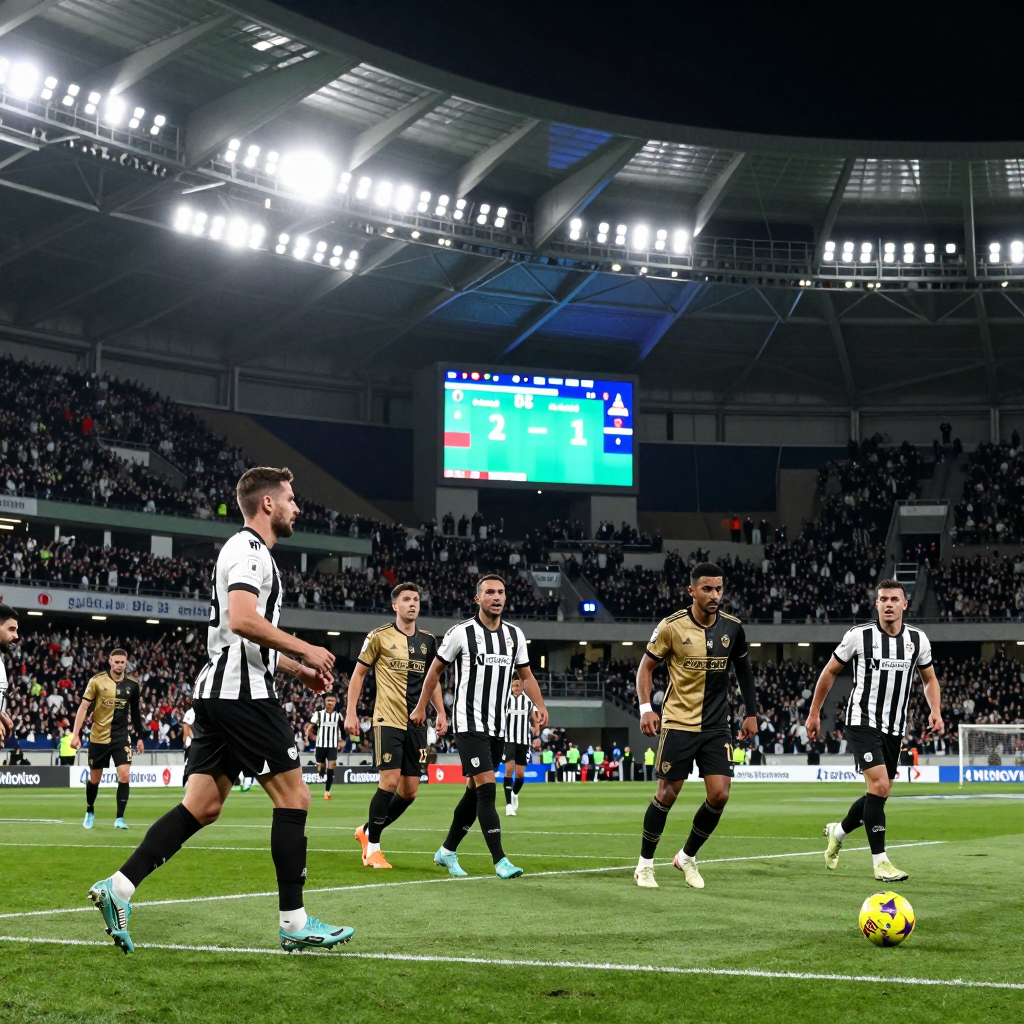
LAFC, undefeated so far this season, was suddenly shaken. In the 2026 MLS Round 7 match against Portland Timbers, LAFC conceded the winning goal in the 96th minute of stoppage time in the second half, succumbing 1-2. There are three main reasons why their “always-winning formula” failed this time.
First, the difference in concentration during the “decisive moments” that flipped the game’s momentum decided the outcome. After conceding in the 32nd minute of the first half, LAFC leveled the score early in the second half at the 49th minute, but a shaky defensive response at the very end led directly to their defeat. In tense, last-minute scenarios that strong teams frequently face, LAFC simply couldn’t hold on this time.
Second, the impact of rotation is hard to ignore. This match was the first time Son Heung-min sat out for rest since joining LAFC, which weakened both their attacking firepower and finishing options. Especially in high-pressure away games like Portland, when an experienced game-changer is absent, closing out matches after scoring becomes more difficult.
Third, their opponent was a team desperate to bounce back. Despite recent struggles, Portland had enough motivation and energy to land a decisive blow against a strong opponent, pressing their attack aggressively until the final moments. Ultimately, LAFC remains atop the standings with 16 points (5 wins, 1 draw, 1 loss), but the end of their unbeaten streak left a small crack in what once seemed like “perfect stability”—a far more significant message moving forward.
Key Moments of the Intense Match: Portland Timbers vs. LAFC
At the 32nd minute of the first half, it was not LAFC but Portland who seized momentum with Christopher Belde’s powerful strike. Yet, the outcome was far from decided. In the 96th minute of stoppage time, Kevin Kelsy’s dramatic goal embodied the cruel truth of soccer: “The last second can be the most merciless.”
32nd minute, first half | Belde’s opener (Portland 1-0)
Portland broke the deadlock first in a tightly contested game. Though LAFC led the Western Conference and was expected to control the match steadily, Portland boldly took the initiative and led at halftime.4th minute, second half | Terry’s equalizer (1-1)
LAFC responded swiftly right after the break. With the score quickly leveled, the momentum seemed to swing back in LAFC’s favor. This was the phase when it looked like LAFC could aim beyond a single point on the road and push for all three.96th minute, stoppage time | Kelsy’s dramatic winner (Portland 2-1)
Tension exploded in the final moments. What appeared to be heading for a draw turned on its head when Portland netted the winning goal deep into stoppage time. For LAFC, this marked their first loss of the season in the harshest possible manner.
In the end, the match was decided less by tactics and more by a decisive burst of focus and seizing the very last moment. Despite a slump, Portland secured a win against a top team on home turf, while LAFC bowed their heads, failing to convert their control of the game into results.
Portland Timbers vs LAFC: How Son Heung-min’s First Rest Impacted the Match Outcome
LAFC’s key striker Son Heung-min chose to take his first rest in this match. His absence caused ripples far beyond a mere “missing player.” In the showdown between Portland Timbers and LAFC, instead of dominating throughout, LAFC faltered at crucial moments, falling just short when it mattered most.
The biggest change was in the decisiveness of the attack. When Son Heung-min plays, LAFC has the option to end the game with “just one perfect run and one shot,” whether on a counterattack or controlled possession. But in this match, even after leveling the score (Terry’s goal in the 49th minute), they failed to clinch the win with a follow-up goal. Eventually, in the 96th minute of stoppage time, they conceded a dramatic winner to Kevin Kelsy. When a lethal strike is missing upfront, the defense must hold on longer, increasing the likelihood of conceding.
Tactically, the ‘distraction effect’ that ties down the opponent’s defense was noticeably weakened. With Son on the field, opponents struggle to close the gaps between lines and have to allocate more resources to cover behind. Without him, Portland was able to maintain a comparatively stable defensive line while becoming aggressive in pressing and counterattacking at key moments. Portland seized control by scoring first and ultimately sealed the game in stoppage time.
Of course, Son Heung-min’s rest had a clear purpose: to prepare for the CONCACAF Champions Cup quarterfinal second leg. However, this result demonstrated that even with LAFC leading the league, the absence of one core player can simultaneously shake both a team’s “finishing power” and “psychological stability.”
Shaky at the Top: LAFC’s Crisis and Response Strategy – A Warning from Portland Timbers vs. LAFC
With 5 wins, 1 draw, and 1 loss, and 16 points, LAFC still holds the top spot. But standing on uncertain ground, what path lies ahead? The Portland Timbers vs. LAFC match sent a clear warning: being “number one on the table” doesn’t necessarily mean having “stable performance.” The defeat caused by conceding in the 96th minute is more than just a single loss—it’s a signal to simultaneously reassess the schedule, rotation, and closing ability of the team.
Why the Leader is Shaking: Gaps in Rotation and Finishing Issues
Resting Son Heung-min was a reasonable choice considering the CONCACAF Champions Cup. However, with key attacking players absent, both the pace and decisiveness of the offense dropped, giving opponents the confidence they could hold on. Even after equalizing in the second half, the team couldn’t fully regain control of the game’s rhythm, and a single defensive lapse right before the final whistle proved fatal.
The core issues boil down to two:
- Monotonous attacking patterns when substitute players are deployed
- Failure to manage the game’s end effectively in leading or tied situations
LAFC’s Response Strategy: How to Win Both the Cup and the League Leader Title
To maintain their position, LAFC needs more than just “win the next game.” Structural measures are required.
- Clarify rotation criteria: Distinguish players who need rest from those who must play at least 60 minutes. Tactical contingencies must be prepared in advance for any positional gaps.
- Detail second-half management scenarios: Pressure intensity after equalizing, substitutions timing, and defensive line adjustments should be driven by plans, not instincts. The 96th-minute goal conceded isn’t luck—it’s a failure of management.
- Diversify attacking development: The higher the dependence on a particular player, the greater the performance drop if they are absent. Elevating wing-to-center transitions, second-line runs, and set-piece precision will build the stamina to compete in both the league and tournaments.
The Ultimate Question: Can an Unstable Leader Remain the ‘Real Leader’?
With 16 points, the top spot is still strong. But the message left by Portland Timbers vs. LAFC is clear: a strong team isn’t just one that wins, but one that eliminates the causes of mistakes before the next match. Whether LAFC’s next move results in a “temporary rebound” or “long-term stability” is where the real test begins.
Portland Timbers vs. LAFC: An Upset Fueled by Grit—Is This the Signal of a Comeback?
Despite a brutal stretch of four losses in their last five matches, Portland managed to pull off a 2-1 victory against LAFC in the Portland Timbers vs. LAFC showdown. What makes this result even more significant is that it handed the Western Conference leaders their first defeat of the season, meaning this win carries far more weight than just a simple victory. Will it be dismissed as a “one-time upset,” or will it mark the “start of a turnaround”? The real story lies in the quality of performance behind this win.
Victory Crafted Through Unyielding Game Management
Portland took the lead early and controlled the momentum, but conceding an equalizer early in the second half could have easily broken their rhythm. Yet, they remained focused until the very end, sealing the victory with Kevin Kelsy’s decisive goal in the 96th minute of stoppage time. Unlike many teams trapped in losing streaks, who often crumble at crucial moments, Portland showed relentless determination and execution when it mattered most, which is a highly promising sign.
Proving Themselves Beyond Their Opponent’s Weaknesses
LAFC rotated their squad, resting Son Heung-min, which might be seen as a variable affecting the outcome. However, Portland’s triumph goes beyond just facing a less-than-full-strength opponent. Crucially, rather than falling apart after conceding the equalizer, Portland kept pressing for the win and earned all three points on their own merit. The resilience they demonstrated can’t be simply chalked up to their opponent’s absence; it was a true display of enduring strength.
The One Key Step Needed to Build on This Momentum
Taking this victory as the signal of a comeback depends on a surprisingly straightforward challenge for Portland: turning a single miraculous game into a repeatable routine. Specifically, this means consistently delivering:
- The ability to control the game tempo once holding a lead
- Maintaining tight defensive structure without faltering after conceding an equalizer
- Sustaining attacking efforts to create scoring chances late in the game
If these three elements resurface in upcoming matches, this win won’t be remembered as a mere upset—but rather as the beginning of a fundamental transformation.
Portland has already shown the formula. Now the remaining question is clear: Can the Portland Timbers replicate the grit they displayed against LAFC in their next game?
Comments
Post a Comment