 \n
\n
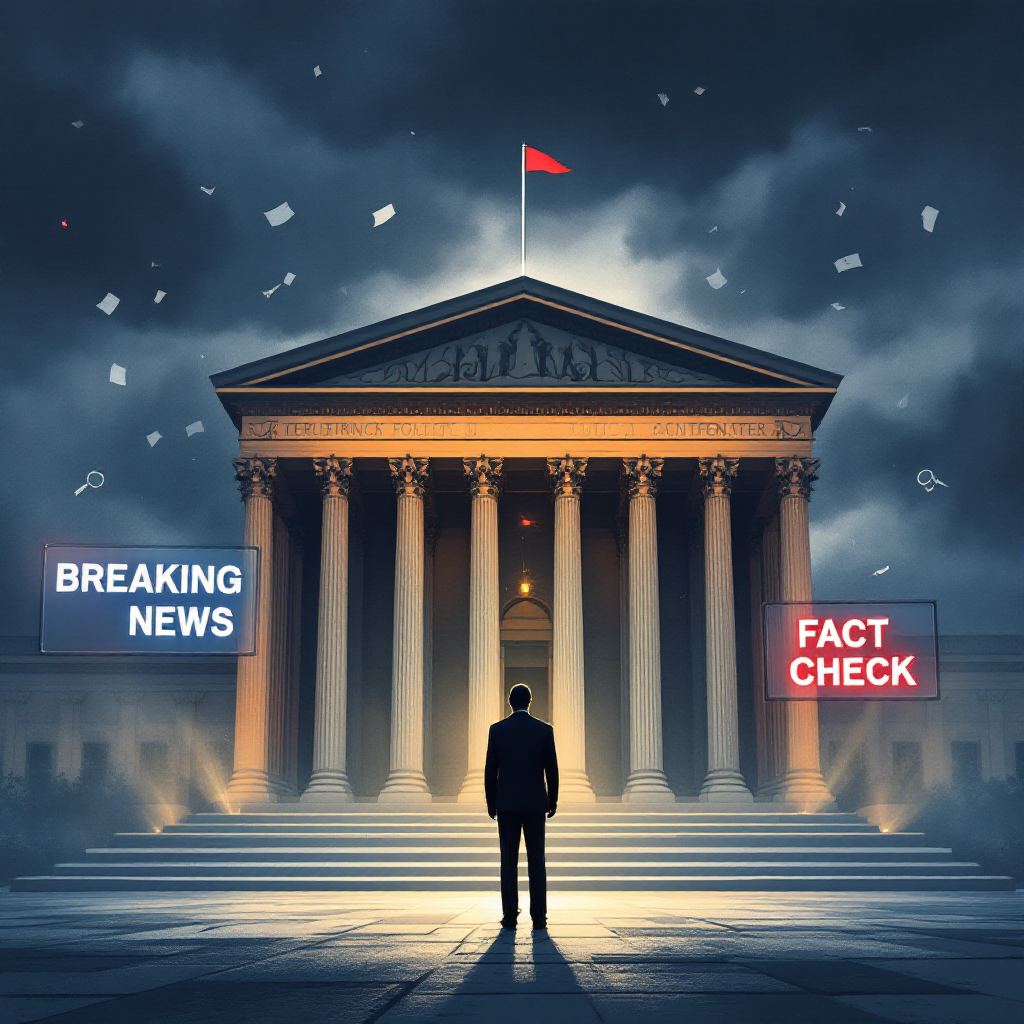
The Truth Behind “Breaking News” from the White House?
White House shootings, Trump’s grand peace deal with Iran, and diplomatic news shaking the world… Are all these really true? Sensational headlines always seem like “just happened” breaking news, but often they are a mix of reuploads of old footage, clips taken out of context, and exaggeration or misinformation aiming for clicks. Especially when the keyword white house is involved, trust seems to be automatically assumed, making it even more dangerous.
3 Typical Patterns That Make White House News ‘Look Real’
1) “White House Lockdown and Gunshots” Sounds Plausible, But the Key Is Whether It’s ‘Today’
There have been past cases of temporary lockdowns around the White House due to suspected gunfire, intrusion attempts, or escalating protests. So, such news is a realistic format, not a completely random story.
The problem is that many videos reuse and recirculate old incidents with new edits. Even if it looks like “breaking news just now,” the meaning changes completely if the date is different.
2) Claims Like “Trump-Iran Deal Ends War and Reopens Hormuz Strait” Are on a Different Level
Keywords like the Strait of Hormuz, Iran’s nuclear issue, and war/ceasefire naturally shake markets and diplomacy. But if a declaration as big as “ending the war and reopening the strait” were true, it wouldn’t be just a single YouTube video floating around.
Events of this magnitude usually break simultaneously through major agencies like AP/Reuters + top broadcasters/newspapers + official White House/State Department announcements. Conversely, if there’s no cross-reporting and an overly big story is claimed solo, trust plummets.
3) When Titles or Phrases Sound Awkward, It Might Be ‘Content’ Not News
For example, if an impossible government title is used (e.g., “War Secretary”) or if overly simplistic and dramatic sentences rarely seen in real diplomatic documents (like “Nuclear talks delayed for 30 days”) are repeated as key messages, beware.
Actual White House statements and diplomatic agreements are usually much more complex and cautious in wording.
2 Things to Immediately Check When You See White House Breaking News
- Date and Original Source: Check if upload dates, broadcast dates, and original article links match.
- Simultaneous Coverage (Cross-check): For “world-class events,” verify if major media and official announcements appear at the same time.
Sensational breaking news makes you wonder “should I believe it or not,” but usually the outline is clear if you check when/who/where first. In the next section, we’ll dive into a concrete checklist to safely verify such White House issues.
Suspicious White House News: What’s Strange About It?
From “White House lockdown” to “Reopening of the Strait of Hormuz.” On the surface, these all look like “breaking news,” but if you pay close attention to the expressions in the videos, signs like timing confusion and exaggerated phrasing become apparent. Especially for content prominently featuring the White House, keywords that attract clicks often run ahead of fact-checking.
1) “White House Lockdown” Sounds Plausible, But Dates Are Everything
Suspected gunfire near the White House → temporary lockdown. This sequence has actually happened before, so it sounds realistic.
The real issue isn’t the event’s authenticity but rather when it happened.
- Re-edited and re-uploaded old clips can appear like “just happened now” due to algorithms.
- If it’s truly a current event, simultaneous reports usually appear from news agencies like AP/Reuters, Washington area media, and major broadcasters.
- Without cross-reporting, even if the story seems plausible, declaring it “breaking news” is risky.
2) The Bigger the Claim About “Reopening the Strait of Hormuz,” the More You Should Be Skeptical
Statements like “War ended, Strait of Hormuz reopened” are massive events that would shake international oil prices and security dynamics if true.
Yet, if such a huge announcement circulates strongly only in a single YouTube video without headlines from major international news outlets, its credibility drops steeply.
- The narrative that the Strait of Hormuz was actually “closed and then reopened” is an issue to which markets and governments would respond instantly.
- Therefore, this kind of claim needs immediate scrutiny for possible exaggeration or fabrication as a “political drama” style headline designed to attract clicks.
3) Titles Like “President Trump” May Signal a Mixed-Up Timeline
One of the most common errors in political videos is timeline collapse.
For example, phrasing like “President Trump announces a deal related to Iran” can easily mislead viewers into thinking it’s current White House news.
- It might be a past statement from when he was in office, edited to look like current news.
- It might be an analysis or discussion clip repackaged as “breaking news.”
- Or it could be a fictionalized piece from a channel with unclear sources.
The key is, if the title and timing don’t match, the content might look accurate but it’s not actually “current news.”
4) Simple Diplomatic Phrases Like “30-Day Grace Period” Are Warning Signs
Diplomatic and security negotiations usually involve lengthy statements, many conditions, and ambiguous language. But if the video description says:
- “Nuclear talks postponed by 30 days”
- “War ends immediately”
The shorter and more dramatic the phrasing, the more it likely deviates from the nuance of real diplomatic documents.
Such phrases are easy to understand but may be simplified or dramatized just to get clicks.
5) Non-Existent Titles Like “War Secretary” Are Almost Definitive Red Flags
Sometimes, content linking the White House and military uses “plausible-sounding words” that don’t exist officially.
If you see job titles not recognized by the US government (e.g., “War Secretary”), it’s highly likely a parody, satire, or fake setting.
In such cases, before even analyzing the content, treat it as a warning that the “format itself may not be news.”
In summary, suspicious news mostly shares these traits: (1) unclear timing, (2) exaggerated wording, (3) mismatched titles, and (4) lack of cross-reporting. The stronger the keyword like White House, the more important it is to first check the “context” before the “event.”
White House: Fact-Checking Methods Based on Facts and Context Up to 2024
How can understanding U.S. political and diplomatic situations along with White House security issues help distinguish false or exaggerated news from reality? The key isn’t the “sensational headlines” but rather reverse-checking what must inevitably accompany the news for it to be true in reality. Even using only verified context up to 2024, you can filter out a large portion of suspicious content.
3 Essential Signals That Always Accompany ‘Real’ White House News
1) Simultaneous Reports (Cross-Verification)
- Major impactful issues—like gunfire near the White House, lockdowns, or high-level diplomatic agreements—are almost always reported nearly simultaneously by wire services such as AP/Reuters plus major broadcasters/newspapers.
- If only a specific YouTube channel or a single outlet is talking while others remain silent, it’s likely not breaking news but a repost, remix, or exaggeration.
2) Presence of Official Entities’ ‘Format’
- Large White House announcements typically leave traces in the form of official briefings, statements, transcripts, or comments from related departments (State, Defense, Secret Service).
- Conversely, if it is an event “worthy of history books” but there are no official documents or briefing traces from official channels, credibility drops sharply.
3) Market and Ally Reactions
- For example, claims like “Hormuz Strait reopening” or “war-ending agreements” should trigger immediate responses in oil prices, financial markets, and allied nations’ statements if true.
- If these ‘secondary reactions’ are completely absent, chances are the story is exaggerated.
How to Judge White House Security News (Gunfire, Lockdown)
The White House area has seen real incidents such as intrusion attempts, suspicious activities, and protests that temporarily triggered lockdowns before. Thus, “gunfire suspected → lockdown” is not a completely unrealistic scenario.
However, a common trap here is the use of “old clips made to look like today’s incident.”
- Check the ‘event date,’ not just the upload date. Remix videos often have only recent upload dates.
- Confirm simultaneous reports from Washington local media + wire services. White House area incidents usually spread with responses from local authorities and the Secret Service.
- Also verify whether the on-screen captions/anchor tense and government figures shown match the current timing.
Filtering Big Diplomatic ‘Deals’ on Iran from the White House
Looking at the flow up to 2024, U.S.-Iran relations have fluctuated between tension and easing, but expressions like “war termination declaration + Hormuz Strait reopening” carry conditions too big to be true lightly. Fact-checking is faster when approached like this:
- Question 1: If this were true, could the world really stay quiet?
If not, suspect why it’s currently quiet (fake, exaggeration, or old footage). - Question 2: Agreements leave texts behind
Diplomatic deals usually come with joint statements, phased implementation clauses, and reactions from involved countries—documents and follow-up reports. If only oversimplified phrases like “30-day postponement” are repeated, it’s far from genuine negotiation language. - Question 3: Who can announce this?
Start by confirming the President’s name, title, and current administration setup. If the person or title is wrong, chances the content is accurate drop dramatically.
4 Especially Risky ‘Fake Signals’ in White House-Related Content
- Odd official titles: Terms that don’t institutionally exist (e.g., “War Secretary”)
- Overly dramatic conclusions: Statements like “immediately,” “war over,” or “full reopening” that erase political ambiguity
- Single-source dependence: Big events confined to only one channel’s coverage
- Timeline confusion: Old clips repackaged as current events (e.g., Trump-era comments pushed as fresh news)
White House Fact-Check in One Line
Don’t focus on the event’s ‘sensationalism’; instead, verify the official evidence that inevitably follows a real event (simultaneous reporting, briefings, documents, market reactions).
Using context up to 2024 alone, false or exaggerated content can be surprisingly easy to screen out.
White House Media Literacy: How to Properly Read ‘White House News’
Headlines like “The White House is locked down” or “White House announces end of war” are easy clickbait. But especially with such news, you should first ask: When, where, and by whom was this reported? And are other outlets reporting the same story? Simply making the checklist below a habit will make the line between real and fake news much clearer.
1) Check the Date and Context First: Is it ‘Live’ or a ‘Reupload’?
On YouTube and social media, old news clips are often re-edited to appear like current events. Things to check first:
- Do the upload date and the original broadcast date (shown in subtitles or at the bottom of the screen) match?
- Are the statements tied to a specific event (e.g., election, international dispute, the tenure of a certain figure)?
- Does the title say “BREAKING,” but the description lacks specific date, location, and source information?
Even with a ‘White House’ video, knowing which White House and when completely changes the meaning.
2) Cross-check: The “If It’s Big, Everyone Should Be Reporting It” Rule
White House-related issues often have wide-reaching impact. For example, shootings or lockdowns near the White House, major diplomatic agreements, or declarations ending a war rarely get quietly reported by only one outlet. Here’s how to check:
- Are at least 2–3 major news agencies or media outlets reporting the same fact?
- Examples: AP, Reuters
- Examples: CNN, BBC, NYT, Washington Post, etc.
- Are the core details of the reports (location, time, official announcements) largely consistent?
It’s important to distinguish between events where exclusive reports are plausible (e.g., particular interview content) and events that warrant simultaneous widespread reporting (e.g., White House lockdown, major news about the Strait of Hormuz).
3) Verify Official Announcements: Check Primary Sources from the White House and Federal Agencies First
If it’s truly a national-level event, an official record will exist. Confirming the following reduces the chance of falsehood:
- Is there an official White House announcement (briefing, statement, official website post)?
- Has a related agency confirmed it?
- For White House security/incidents: statements from the Secret Service, D.C. Police
- For diplomacy or security matters: statements from the State Department or Department of Defense (DoD)
- For “major agreements,” are there official responses from the counterpart or involved countries?
If there’s no official source at all and only videos or brief clips are circulating, the likelihood of it being accurate news is low.
4) Spot Fake Signals in Expression: Watch for Overstatement, Oversimplification, and Dramatic Phrasing
Political and diplomatic news is complex. Be cautious if the content speaks too conclusively:
- Conclusions like “The war is over,” “Reopening immediately,” or “Only a 30-day delay needed” that are too simple
- Conspiracy framing like “Mainstream media is hiding this,” “Nobody is talking about it”
- Abnormal use of titles or agency names (e.g., fictitious titles or unfamiliar organization names)
Especially diplomatic negotiations usually involve stepwise conditions and documents. If the entire process is skipped and claimed to be “solved in one go,” it’s likely clickbait.
5) Practical 30-Second Checklist
Finally, when you encounter breaking news about the White House, spend just 30 seconds doing these simple steps:
- Date: Is this a current event or a reused old video?
- Source: Where does it originate from (broadcaster/reporter/agency)?
- Cross-reporting: Are AP, Reuters, or major outlets covering it too?
- Official Confirmation: Is there an announcement from the White House or federal agencies?
- Details: Are core facts like time, place, and who did what clearly specified?
If 2 or 3 of these points are shaky, it’s safer to treat that news not as “confirmed fact” but as ‘information pending verification.’
Conclusion: The ‘Secret’ Behind White House’s Hot Headlines and What We Must Do
Isn’t media literacy—the ability to analyze situations coolly without being swayed by extreme news—what we need most today? Especially when it comes to “breaking” headlines surrounding the White House, words that spark clicks like shooting, lockdown, war, peace treaty, or epidemic are often bundled to stir emotions first. The problem is, when emotion precedes fact-checking, we end up consuming not “news” but “narratives.”
The core is simple. If it truly is a world-shaking event, traces of that shake will appear simultaneously in multiple places. Issues like shootings or lockdowns around the White House, or sudden shifts in U.S.-Iran diplomacy, cannot be established by a single YouTube video or sensational editing from a specific outlet alone. If the headline fails to meet basic criteria—such as date, original source, concurrent coverage by other major media, and official announcements (briefings, statements, agency accounts)—it’s more likely to be “yesterday’s rerun” or “intentional exaggeration” rather than “today’s truth.”
So what we must do is not grand political analysis, but adopt the following small habits:
- Check the time first: If the upload date, event date, and speech timing differ, the conclusion changes completely.
- Cross-verify: Confirm whether the same event appears in wire services like AP/Reuters and multiple major media outlets.
- Finish with official channels: Finally, compare with official announcements from the White House and related agencies.
- Question the tone: Beware of overly simple and dramatic phrases like “immediate end of war” or “only 30 days’ grace period.”
In the end, the ‘secret’ isn’t some grand conspiracy—it’s how unchecked certainty spreads. The hotter the headline, the cooler we must remain. That one step is the starting point to transform rumors into information, and agitation into understanding.
Comments
Post a Comment