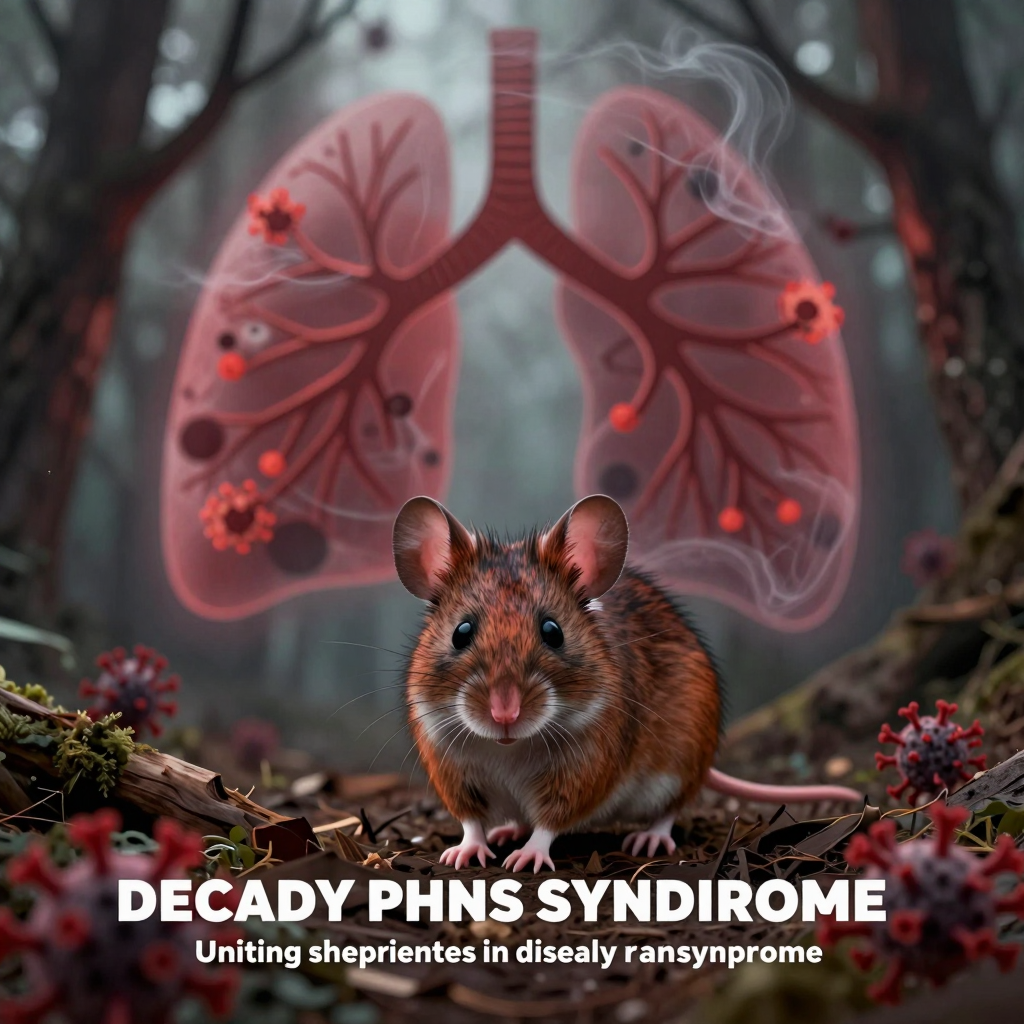
Alert: Hantavirus in the U.S. Has a 38% Mortality Rate, Associated with Deadly Hantavirus Pulmonary Syndrome (HPS) Carried by Deer Mice
 \n
\n
Hantavirus: A Potential Threat Lurking in Our Daily Lives
Did you know just how close hantavirus is to us, spreading simply through contact with rodents? Hantavirus is a disease transmitted to humans through contact with infected rodents. In the United States, deer mice are known as the primary carriers of Hantavirus Pulmonary Syndrome (HPS).
The most alarming fact is that this isn’t a “rare situation.” Hantavirus can spread through contact with environments contaminated by urine, droppings, and saliva of infected rodents. In other words, everyday activities like cleaning or organizing places where rodents can easily enter—such as warehouses, garages, or outdoor workspaces—pose real risks. Meanwhile, bites or scratches are reported as rare transmission routes.
Symptoms may initially be subtle, emerging fully within 4 to 10 days as the disease progresses. When it advances to HPS, respiratory symptoms like coughing, shortness of breath, and chest tightness become prominent. These signs reflect fluid building up in the lungs, causing potentially rapid deterioration.
Most importantly, HPS is not a disease to be taken lightly. Reports show that about 38% of affected patients with respiratory symptoms die, making it a deadly risk lurking nearby—unknown yet dangerously close, demanding our vigilant attention.
The Hidden Transmission Routes and Terrifying Symptoms Unveiled: The Moment Hantavirus Enters Your Body
Hantavirus spreads through contact with urine, droppings, and saliva. The problem? You don’t clearly feel the moment of infection. Traces left by rodents dry into dust, dispersing into the air, and as we inhale it or transfer it from our hands to our mouth or nose, the virus quietly sneaks into our bodies. While bites or scratches can transmit it, these are relatively rare routes, making everyday cleaning and tidying potentially more dangerous.
Why Hantavirus Transmission Is Especially Dangerous: The ‘Invisible Contact’
- The core sources of infection are urine, droppings, and saliva from infected rodents.
- As these traces dry and turn into dust, sweeping or shaking can release contaminated particles into the air.
- Contaminated particles on the hands can unknowingly transfer to the eyes, nose, or mouth, making infection highly likely.
Timing of Hantavirus (HPS) Symptoms: Quiet Start, Rapid Decline
Hantavirus Pulmonary Syndrome (HPS) may not show clear warning signs at the beginning. However, symptoms progress within 4 to 10 days after onset, and particularly in the later stages, can worsen suddenly and severely.
- Late-stage symptoms (critical warning signs):
Coughing, shortness of breath, chest tightness
These relate to fluid building up in the lungs, leading to respiratory distress that can feel like suffocation.
The Terrifying Outcome of Hantavirus: High Fatality Rate
HPS is not a mild illness like a simple cold or flu. According to reported data, about 38% of patients with respiratory symptoms die, making it a deadly disease. In other words, waiting to respond until symptoms fully develop could mean entering a life-threatening situation.
Since latest outbreak statuses and regional warnings can change frequently, it’s safest to check official CDC information whenever necessary.
Fatal Lung Disease HPS and Hantavirus: How Much Do You Really Know?
Hantavirus Pulmonary Syndrome (HPS) leads to severe lung infections, with a terrifying 38% mortality rate—what is the truth behind this alarming statistic? The key point is that this is not just a simple “cold-like virus.” Once infected, your lungs can fill with fluid, causing a rapid and dangerous decline in breathing. In the United States, the most concerning form is known as Hantavirus Pulmonary Syndrome (HPS), primarily transmitted by deer mice.
How Hantavirus Transmits and Leads to HPS
Hantavirus rarely spreads from person to person; instead, it primarily transmits through contact with urine, droppings, or saliva of infected rodents. The risk spikes when you clean or disturb areas where mice have been living, stirring up contaminated dust that you might unknowingly inhale. Bites or scratches are considered rare transmission routes.
Symptoms of Hantavirus HPS: Why “Sudden Shortness of Breath” Is a Red Flag
After initial symptoms, respiratory problems can develop dramatically within 4 to 10 days. The danger lies in the late-stage symptoms that go beyond mild discomfort—they can escalate into a medical emergency:
- Persistent cough
- Shortness of breath
- Chest tightness or a squeezing sensation
These symptoms occur as your lungs fill with fluid, making the mindset of “I’ll just rest and get better” extremely risky.
The Deadly Reality of Hantavirus HPS: What a 38% Fatality Rate Means
About 38% of diagnosed HPS patients die from this infection. The real threat isn’t just catching the virus, but how rapidly and severely respiratory symptoms progress afterward. If you’ve been exposed to an environment where mice might reside and your breathing worsens quickly, do not hesitate—seek immediate medical attention.
Limits of Up-to-Date Information and How We Must Protect Ourselves: Hantavirus Response Checklist
Although up-to-the-minute data for 2026 is scarce, what exactly is the CDC asking of us? The key isn’t “how many confirmed cases are there right now,” but rather the consistent practice of daily rules to reduce exposure itself. In particular, hantavirus is primarily transmitted through contact with dust or contaminants left by the urine, droppings, or saliva of infected rodents, making prevention ultimately about managing the environment and work habits.
When latest hantavirus information is limited, what should guide our judgment?
- It’s difficult to precisely grasp the “current outbreak level” by region solely from search results. Cases may be sporadic, and updates vary by media and institutions.
- Therefore, official health agency (e.g., CDC) prevention guidelines should be your baseline, and a practical approach is to assess risk based on the presence of rodent signs in your environment (warehouse, basement, campsite, mountain hut, etc.).
Everyday principles to minimize hantavirus exposure—apply now
- Block rodent entry: Seal even small gaps like door cracks, pipe holes, and vents to prevent entry—this is your first line of defense.
- Remove food and shelter sources: Store food airtight and eliminate environments that rodents find attractive, such as piles of garbage, feed, or cardboard boxes.
- Cleaning methods matter: Sweeping or vacuuming areas with rodent droppings or nests can stir up contaminated particles. The safest method is to dampen the area first to avoid dust before wiping it clean.
- Ventilate before working: For spaces closed for long periods (warehouses, cabins, containers), get fresh air circulating before cleaning or organizing.
- Watch for respiratory symptoms: Hantavirus Pulmonary Syndrome (HPS) can produce cough, shortness of breath, and chest tightness, and can be fatal. If there’s been possible rodent exposure, don’t dismiss symptoms as “just a cold”—be sure to inform your healthcare provider about the exposure history.
The most realistic takeaway: hantavirus is prevented more by ‘habits’ than by ‘headlines’
In times when the latest statistics are lacking, we must cling to actionable guidelines instead of numbers. Checking for rodent signs in your space and consistently practicing basic cleaning, organizing, storing, and sealing routines—that is what the CDC’s advice practically demands from us.
Hantavirus: Can We Finally Keep It at Bay?
Let’s explore expert advice on how to effectively prevent this deadly virus in everyday life. Hantavirus risk increases when you come into contact with infected rodents’ urine, droppings, or saliva, or by inhaling contaminated dust. In other words, the key isn’t just “avoiding rats” but safely handling the traces they leave behind.
The Key to Preventing Hantavirus: First, Block Rodents from Entering
- Seal Gaps: Even small holes around doors, pipes, or storage walls can be rodent passageways. Seal them with silicone, wire mesh, or weatherstripping.
- Remove Food Sources: Store feed, grains, and snacks in airtight containers and dispose of food waste promptly.
- Declutter and Organize: Regularly inspect areas where dust collects—like storage rooms, attics, and camping gear boxes—to reduce “hiding spots.”
Cleaning Principles to Reduce Hantavirus Exposure: ‘Don’t Sweep, Wipe Wet’
Using a dry broom on rodent droppings can spread contaminants into the air. Remember these rules:
- Ventilate First: Open windows and doors to circulate fresh air before starting.
- Wet Cleaning: Soak droppings and dust thoroughly with disinfectant (or diluted bleach) before wiping them up.
- Protective Gear: Wear gloves and consider masks when dealing with dusty environments.
- Hygiene Finish: After cleaning, remove gloves and wash your hands thoroughly with soap.
Suspected Symptoms of Hantavirus: Spot Them Early and Act Immediately
Hantavirus Pulmonary Syndrome (HPS) can worsen with respiratory symptoms like coughing, shortness of breath, and chest tightness, with a high fatality rate.
- If you’ve recently cleaned rodent droppings, organized storage, or stayed at campsites or mountain lodges, don’t dismiss early flu-like symptoms—consult a healthcare provider promptly.
- Especially if breathing difficulties occur, seek medical attention without delay.
Avoiding hantavirus “completely” in daily life is challenging, but by turning the 3-step routine—blocking entry → safe cleaning → symptom awareness—into a habit, you can dramatically reduce your risk in reality.
Comments
Post a Comment