 \n
\n
Seoul Botanical Garden: A Secret Garden Within Seoul, The First Encounter with Seoul Botanical Garden
Located in Magok, Gangseo-gu, Seoul, the Seoul Botanical Garden is more than just a park. Can you believe that in the heart of the city, you can experience plants from all around the world and urban garden culture? Right here, with just a brief stroll amidst your busy daily life, you can encounter the air of the tropics and the sunshine of the Mediterranean as if you’re on a leisurely walk.
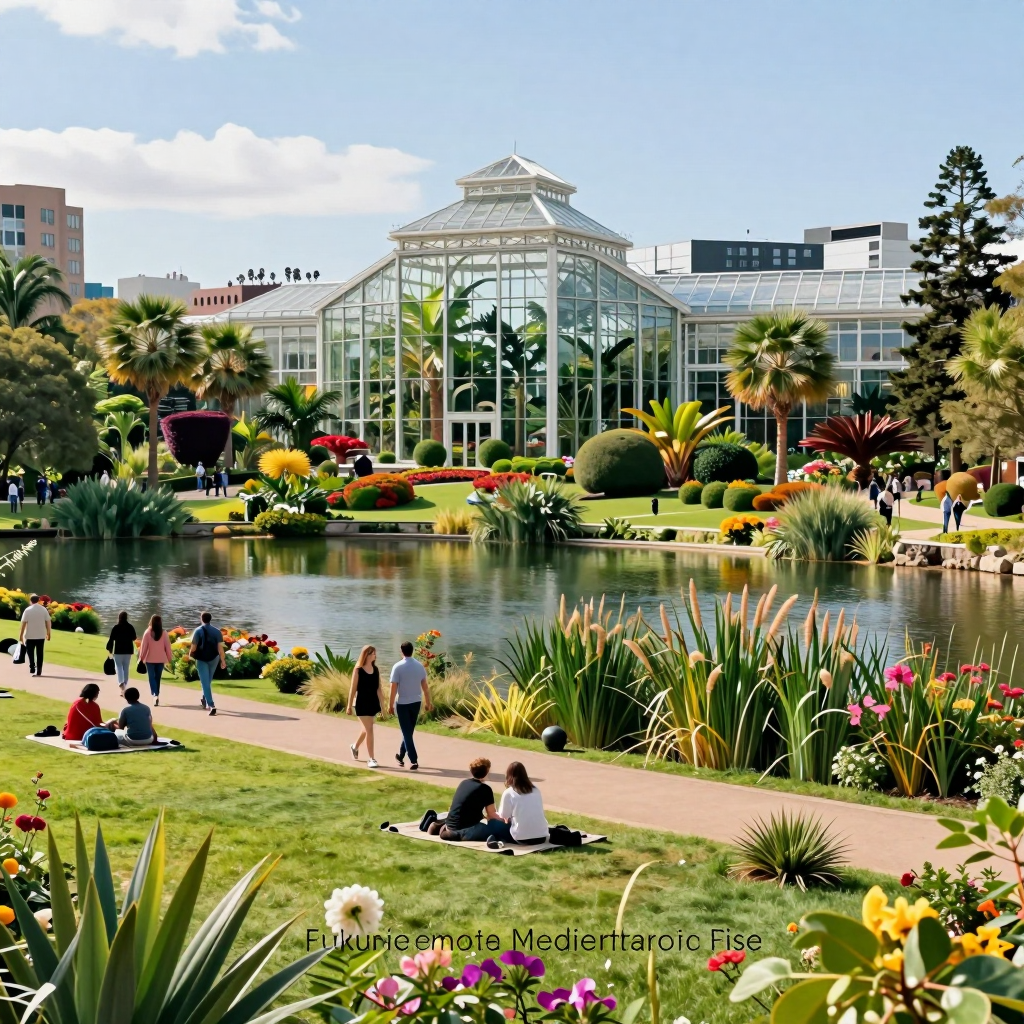
Seoul Botanical Garden is an urban botanic park that combines a botanical garden and a park, offering a seamless journey where each area presents a completely different atmosphere. You can enjoy a picnic on the spacious lawns, stroll along the lakeside deck paths, observe ecology in the natural wetlands, and then meet plant species from global climate zones inside the massive glass greenhouse—all in one smooth flow.
If it’s your first visit, remember it like this:
- Light like a park: Walk freely through the open forest, lake, and wetlands without any pressure
- Deep like a botanical garden: Immerse yourself densely in exhibitions in the greenhouses and themed gardens
- Different by season: Enjoy the outdoors especially in spring and autumn, and the greenhouse shines particularly in winter
Above all, the charm of Seoul Botanical Garden lies in its blurred boundaries—where the park ends and the botanical garden begins is indistinct. This makes it a place where you can enjoy your own way, whether you’re alone, with a partner, or with children. From the next section onward, we will unfold the unique features and recommended routes of each zone so you can enjoy this space to its fullest.
Seoul Botanic Park: The Reason for Building a Botanical Garden in Magok – Harmony Between City and Nature
Why was a massive botanic park created right in the heart of Seoul, specifically in Magok? The answer goes beyond simply “needing a park.” It’s grounded in Seoul city’s long-term green recovery strategy aimed at connecting Magok’s past and future while cooling down the city’s heat and pace.
A City That Needs Seoul Botanic Park, and the Challenge Magok Faces
Magok was long seen as a land ripe for development, and as its urban functions began to take shape, a structure focused on high-density development centered on apartments and office facilities became inevitable. Problems become clear when such an area grows without parks.
- Intensified urban heat island effect in summer
- A green void with few breathing spaces within living zones
- An ecologically disconnected urban structure (walkable and livable but lacking living nature)
In short, Magok carried the typical risk of “new cities growing as nature disappears.” Seoul aimed to fill this gap with a major green hub called Seoul Botanic Park.
Seoul Botanic Park Is Not Just a ‘Park,’ It’s Urban Ecological Infrastructure
What makes Seoul Botanic Park special is its very form. It’s not just a simple strolling park but a city-style botanic park that combines a botanical garden and a park. This combination brings significant functional differences.
- Green spaces that lower city temperatures (shade, waterside, microclimates in forests)
- A hub of ecological corridors linking lakes, wetlands, and forests
- Everyday public spaces for citizens to picnic, walk, learn, and experience exhibitions
In other words, Seoul Botanic Park goes beyond being a “pretty garden”; it acts as essential infrastructure for the city to breathe normally.
Seoul Botanic Park’s Concept: “A Plant Journey Without an Airplane”
Another core aspect is experience design. Seoul Botanic Park isn’t just a space showcasing ‘plants of Seoul’ but was planned to bring global vegetation and garden cultures right into the city’s heart.
- Gardens inspired by various cities around the world
- Climate zone-themed greenhouses (tropical, Mediterranean, etc.)
- A design approach that transforms garden exhibitions into part of daily life
Thus, it’s not merely a weekend outing spot but evolves into a cultural platform where Seoul’s landscaping and plant culture accumulate and spread.
Balancing Past and Future of Magok: The Role of Seoul Botanic Park
If Magok symbolizes the ‘future of development,’ Seoul Botanic Park serves as a counterbalance to prevent that future from becoming too dry. Having lakes, wetlands, and greenhouses amid a rapidly growing new town–scale office and residential area is rare.
Ultimately, Seoul Botanic Park is a space that speaks these words:
“The city can grow bigger, but nature must recover along with the pace.”
In-Depth Exploration of the Four Key Zones at Seoul Botanical Garden: From Open Forest to Wetland—Spots You’ll Regret Missing
From the Open Forest to the Wetland, Seoul Botanical Garden is not just “a big park” but a distinctly urban botanic park where each zone has its own unique character. Even if you visit on the same day, which area you stroll through first completely changes the vibe, your photos, and how long you linger. Let’s quickly break down the charm and secret spots of each zone—from leisurely walks to picture-perfect moments.
Open Forest at Seoul Botanical Garden: The Most Relaxed Start and the Ultimate Picnic Spot
The Open Forest is the gateway to Seoul Botanical Garden. Its easy access from the station and gentle pathways make it perfect for days when “just walking is a win.”
- Highlights
- Wide grassy fields and spacious trails: just a mat and you’re picnic-ready
- Close to the visitor center and amenities—ideal for easing into the day
- Must-Not-Miss Spots
- Edges of the lawn area: less crowded, so photos come out clean and crisp
- Cityscape + lawn composition: capture the Magok building silhouettes in the background for that ultimate “urban escape” vibe
- Pro Tip
- Tent rules may vary seasonally, so sticking to a picnic mat is the safest bet.
Lake Garden at Seoul Botanical Garden: The Highlight Walk and Glasshouse Photo Op
Lake Garden is the pace-setter of the botanical garden. It’s a delightful stroll with serene waterside spaces, offering steady photo opportunities.
- Highlights
- Waterside decks and benches perfect for dates, runs, or solo walks
- Dramatic seasonal changes that give you reasons to revisit
- Photo Gems You Can’t Skip
- Framing the glasshouse within the lake view: one of the most shared shots from Seoul Botanical Garden
- Sunset reflections on the water: colors pour onto the surface, instantly leveling up your photos
- Pro Tip
- Windy days can distort reflections; early morning or dusk offers the most stable shots.
Wetland at Seoul Botanical Garden: A Quiet Corner Where Urban Nature Still Lives
Wetland’s appeal lies more in nature observation than flashy gardens. Visitors are more dispersed here, making it perfect for those seeking the quietest stroll in the garden.
- Highlights
- Landscapes dominated by reeds, silvergrass, and aquatic plants
- Changing bird and insect sightings depending on the season
- Don’t Miss Spots
- Deck trails near the water: urban noise fades, and the scenery deepens
- Autumn silvergrass and reed lines: a seasonal photo hotspot where you can even capture the wind’s dance
- Family-Friendly Tip
- Hold hands near the water’s edge. Using info boards can turn this into a great ecological learning stroll.
Botanical Garden Zone (Greenhouse + Theme Gardens): The Most Concentrated ‘Travel’ Experience
This zone most strongly embodies Seoul Botanical Garden’s identity. Weather impacts are minimal, and it’s perfect for creating a “feel of a far-off trip” in a short time. (Note: This area is mostly paid entry and subject to operating hours and closures—check ahead!)
- Glasshouse Highlights
- Tropical Zone: Dense, humid forests with a crucial overhead view path
- Mediterranean Zone: Dry, bright spaces with plant arrangements that photograph beautifully
- Picture Tip: From the skywalk, capture layers of green cascading downward for that wow shot.
- Theme Garden Highlights
- Divided into city, artist, and education concepts, so scenes change quickly even on a short walk
- Flower and plantings shift with the seasons, showing a “different face every visit.”
- Pro Tip
- On rainy or cold days, start with the greenhouse; when the weather clears, take a brief walk through the theme gardens for maximum satisfaction.
How to Mix the Four Key Zones of Seoul Botanical Garden for a ‘No Regrets’ Day
- If photos are your goal: Lake Garden (sunset) → Glasshouse (skywalk) → Theme Gardens (detailed shots)
- If picnicking is your goal: Open Forest (mat) → Lake Garden (stroll) → Wetland if time allows
- If quiet healing is your goal: Wetland → Lake Garden → Greenhouse (warm finish)
Seoul Botanical Garden isn’t about “which zone is the main event”—it’s about which mood you want to embrace today. Is your day a walk, a photo shoot, or a mini getaway?
The Alluring Seasonal Transformations of Seoul Botanic Park: When Is the Best Time to Visit?
From the vibrant blooms of spring to the cozy warmth of the winter greenhouse, Seoul Botanic Park changes so dramatically with each season, you might wonder if it’s really the same place. This is exactly why one visit just isn’t enough. Below is a guide highlighting the best seasonal features and the ideal timing for your visit to make the most of this botanical wonder.
Spring at Seoul Botanic Park: Cherry Blossoms, Tulips, and Fresh Greenery All in One Frame
- Recommended period: March to May
- Key appeal: The outdoors burst with color, and the comfortable weather invites long walks.
- Ideal route: Stroll through the Open Forest → Enjoy cherry blossoms and spring flowers at the Lakeside Garden → Wrap up with a greenhouse visit
Spring at Seoul Botanic Park is a “photo magnet” season. Walking along the Lakeside Garden, cherry blossoms, spring flowers, and fresh new leaves blend in rich layers of color. The park tends to be busy, so aiming for early morning or sunset hours will make your route much more pleasant.
Summer at Seoul Botanic Park: Aquatic Plants and a Refreshing Greenhouse Escape
- Recommended period: June to August
- Key appeal: The outdoors are lush and deep green but can be hot. The aquatic plants at the lake and wetland peaks in beauty.
- Ideal route: Morning outdoors (Lakeside Garden/Wetland) → Beat the midday heat inside the greenhouse → Relax at the café or indoor resting areas
In summer, rather than a long outdoor trek, a rhythm of short outdoor encounters followed by greenhouse refuge offers more satisfaction. The Lakeside Garden and Wetland come alive with seasonal energy, and if you love aquatic plants like lotus and water lilies, this is a must-see moment.
Autumn at Seoul Botanic Park: An Emotional Walk Through Autumn Leaves, Pampas Grass, and Reeds
- Recommended period: September to November
- Key appeal: The Lakeside Garden and Wetland become the ultimate scenic spots.
- Ideal route: Appreciate the details in the Thematic Garden → Catch the sunset at the Lakeside Garden → Wander along the reed path in the Wetland
Autumn at Seoul Botanic Park is rich in color and the air feels light, making it the type of season where the longer you walk, the better it gets. Especially near the Wetland, the views of pampas grass and reeds swaying in the wind are breathtaking — creating a memorable stroll even without snapping a photo.
Winter at Seoul Botanic Park: Warm Tropical Journeys Inside the Greenhouse
- Recommended period: December to February
- Key appeal: The outdoors become tranquil, but the greenhouse becomes the strongest highlight.
- Ideal route: Focus on greenhouse exploration (Tropical Zone/Mediterranean Zone) → Take a short winter walk by the Lakeside Garden
Step into the Seoul Botanic Park greenhouse in winter and you’ll feel the air change instantly. During cold seasons, the key experience shifts from “outdoor scenery” to “indoor climate transformation,” making it highly rewarding even on rainy days, cold snaps, or heavy fine dust alerts. Plus, with fewer crowds, it’s easier to capture great photos.
Quick Visit Timing Recommendations for Seoul Botanic Park
- First-time visitor? Spring (perfect balance of outdoors and greenhouse)
- Want to capture stunning photos? Autumn (best emotional vibes at Lakeside Garden and Wetland)
- Seeking the most comfortable experience? Winter (complete your “indoor journey” centered around the greenhouse)
- Visiting with kids? Summer/Winter (easy to regulate comfort inside the greenhouse)
Once you pick your season, the next step is figuring out the best route to ensure no regrets. (Next up: connecting with recommended routes for an effortlessly smooth adventure.)
The Ultimate Route and Insider Tips for a Perfect Visit to Seoul Botanic Park
When you visit for the first time, the space feels larger than expected, making you wonder, “Where should I start?” Just remember these three key courses, and you’ll enjoy Seoul Botanic Park like a local with ultimate efficiency. (The secret is to mix indoor (glasshouse) and outdoor (lake/gardens) depending on the weather!)
Seoul Botanic Park 3-Hour Basic Course (For First-Timers, A Foolproof Route)
1) Magoknaru Station → Enter the Open Forest
- The wide and easy pathways right at the entrance are perfect to warm up your body.
- Check the visitor center for maps and guides first to save time.
2) Conquer the Seoul Botanic Park Glasshouse First (1–1.5 hours)
- Follow the natural route: Tropical Garden → Mediterranean Garden → Skywalk.
- This is where you’ll get the best photos, especially on the Skywalk.
3) Stroll through the Themed Gardens for 30–40 Minutes
- Seamlessly continue your “overseas travel vibe” from indoors to outdoors.
- Zoom in on small details (benches, signs, plantings) for atmospheric photos.
4) Take a Lap Around the Lakeside Deck
- Frame the glasshouse slightly overlapping with the lake for a popular shot composition.
- If you have some extra time, stroll another 10–15 minutes toward the wetland area to boost your satisfaction.
Seoul Botanic Park Half-Day (4–5 Hour) Leisure Course (Recommended for Picnics, Photos, and Families)
- This version adds extra leisure time to the basic 3-hour course, distributed across the Open Forest / Lakeside / Wetlands.
Recommended Plan
- Enjoy a mat picnic in the Open Forest (tents may have restrictions, so mats are the safe bet).
- Wait at the Lakeside for the golden hour sunset photo shoot.
- Walk all the way through the Wetlands Deck for urban ecology observation with migratory bird and aquatic plant info boards.
Family Visit Pro Tips
- For higher satisfaction, visit the glasshouse first before kids get tired.
- Hold hands when walking near waterside deck areas for safety.
Seoul Botanic Park on Rainy Days/Winter Course (Glasshouse-Centered, Ideal for Cozy Indoor Dates)
- Open Forest → Direct to Glasshouse → Take a Leisurely 2nd Round Inside → Short Walk Around Lakeside (if rain subsides)
Why This Route Works
- The Seoul Botanic Park glasshouse is less affected by seasons, maintaining a “travel-like feel” even in rain or cold.
- Avoiding peak hours makes photography much easier.
6 ‘Secret’ Insider Tips to Enjoy Seoul Botanic Park Like a Local
- Always start with the glasshouse: Walking outdoors first can wear you out, leaving you rushed inside.
- Best photo times are early morning and sunset: That’s when the lakeside colors truly glow.
- Break your walk into sections: Open Forest (beginning) → Glasshouse (middle) → Lakeside (end) creates a rhythm that prevents fatigue.
- Comfortable shoes are a must: It’s “park + botanic garden,” so you’ll walk more than expected.
- Weekend parking is unpredictable: Using public transit (Magoknaru Station) is usually stress-free.
- Double check glasshouse and garden operations (closures/hours/fees) before visiting: To avoid schedule disruptions, verify official info as it can change.
Comments
Post a Comment