PSG Triumphs Over Arsenal to Achieve Back-to-Back Champions League Titles! The Drama Behind the Penalty Shootout
 \n
\n
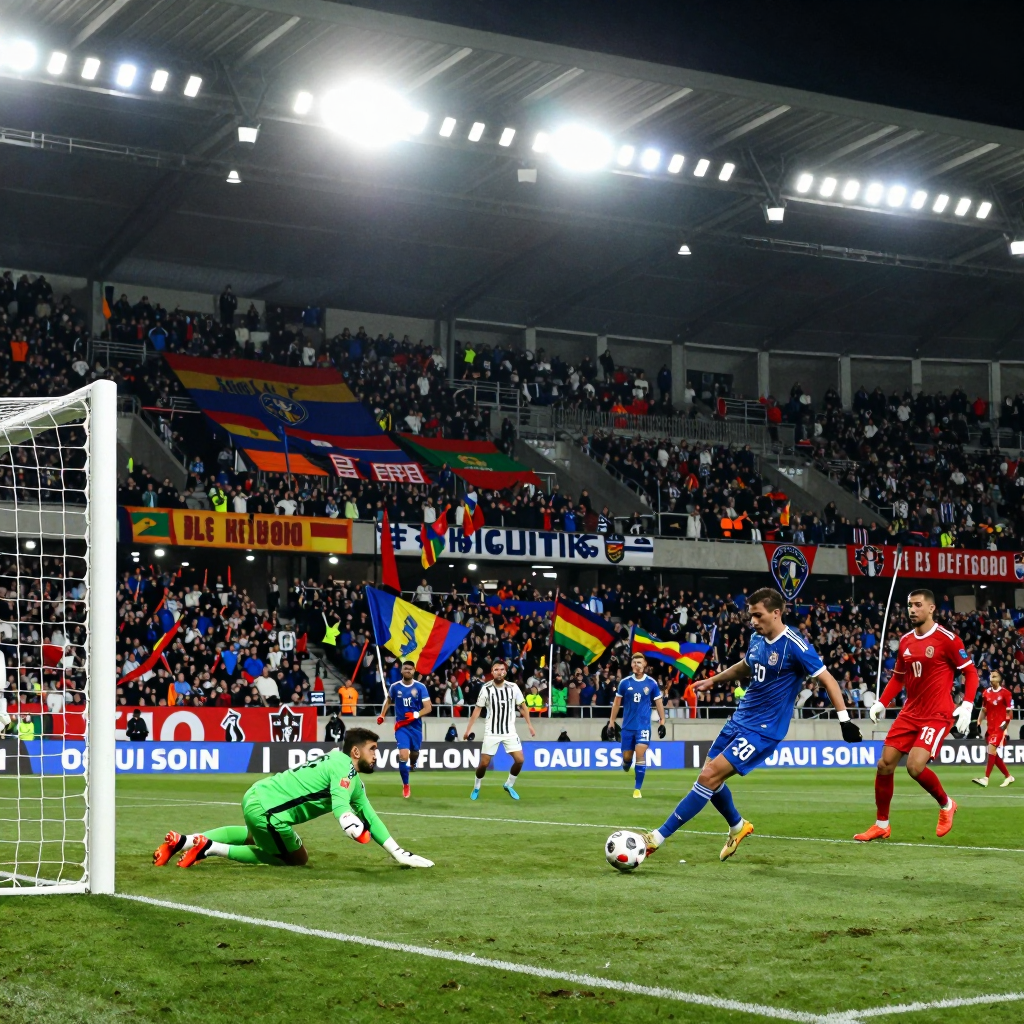
PSG vs Arsenal: A Dramatic Champions League Final—PSG Secures Back-to-Back Titles
In the final moment of the penalty shootout, Arsenal defender Gabriel’s kick soared over the bar, sealing everything. After a breath-catching silence, an eruption of cheers followed—this single missed shot crowned PSG once again at the summit of European football, completing the iconic feat of back-to-back Champions League titles.
From start to finish, the match lived up to its final billing, fiercely contested. The regular time ended 1–1, with neither side yielding easily, tension thick as a single mistake could instantly turn into a goal. Both teams confronted each other’s strengths head-on. Ultimately, the outcome was decided in a penalty shootout, where the calmer side lifted the trophy. The final score in penalties: PSG 4–3 victory.
What made this PSG-Arsenal final truly special wasn’t just the scoreline. Arsenal pushed PSG to the limit with their organization, pressing, and solid defense—their strongest suits—right until the end. PSG, meanwhile, withstood the pressure and never lost focus in those crucial final moments. This final can be summed up in one line: 90 minutes of balance, and a battle of nerve in the shootout—that razor-thin detail that secured PSG’s historic back-to-back triumph.
PSG vs Arsenal: Arsenal Tripped Up by Their Own ‘Greatest Strength’
When a British media outlet described this final as "Arsenal undone by their greatest strength," it sounded like praise wrapped in a cruel paradox. The very weapon that made Arteta’s Arsenal elite—organization, build-up play, high pressing—turned into the seed of their defeat at the biggest stage and most decisive moment.
When Strength Becomes a ‘Risk’: The Pressing Continues, but Legs Grow Heavy
Arsenal’s high press excels at unsettling opponents and grabbing control of the game. However, in a final where tension remains sky-high throughout, this strength soon comes with the cost of stamina and focus.
- The harder the press is maintained, the more recovery moments shrink, and
- As the match wears on, the odds grow that small errors in positioning and touch quality will creep in.
In the end, PSG vs Arsenal was a battle beyond “who played better football,” it was about “who could repeat the same quality again and again until the very last minute.”
Small Cracks Born from Confidence in the Structure
Arsenal’s advantage lies less in individual flair and more in their structural approach. This gives players confidence—even in crises—that “we just need to do it our way.” But such conviction proved double-edged in a final.
- When their usual patterns started to get blocked, they tended to cling to the original plan rather than shifting quickly to a Plan B,
- Leading to a buildup of choices that prioritized structure and small risk-taking over bold adjustments.
This is why PSG’s resilience and ability to “dig deep” was critical. The stronger Arsenal’s strength was, the more PSG could endure it head-on and drag the contest out—pushing the outcome to the area with the greatest margins for error.
Penalty Shootout: Where ‘Organization’ Isn’t the Answer
After a 1–1 draw in regular time, the game moved into a penalty shootout—a moment where Arsenal’s core strength ceased to provide a direct solution. Penalties are dominated less by tactics and structure, and more by individual routines, breathing, and mental toughness. And at the very end, Gabriel’s miss sealed the paradoxical ending where their “strength became their weakness.”
Arsenal didn’t collapse; they fought to the very end using the methods that made them top-tier—and for that reason—paid the heaviest price in that final 1% of the battle.
PSG - Arsenal: PSG Shakes Off the ‘Collapses Every Spring’ Label and Emerges as a Dynasty
How exactly did PSG join the elite club of ‘Back-to-Back Champions’? The PSG - Arsenal final offered a crystal-clear answer. A tense 1–1 draw in regular time followed by a 4–3 victory in the penalty shootout—it was a winning formula that couldn’t simply be chalked up to “good luck,” but rather the triumph of a team perfected both in system and mentality.
From a ‘Star Team’ to a ‘System Team’: The Core of PSG’s Transformation
PSG’s former reputation was straightforward: they faltered in crucial moments and struggled to recover once momentum was lost. Yet, in this final, PSG showed the exact opposite.
- Mature game management: Instead of being dragged by the opponent’s pressure and tempo, PSG made timely decisions at every moment. Rather than pushing recklessly or taking unnecessary risks, they resembled a team that waits for the winning windows.
- Seamless pressing, build-up, and transition: PSG was not merely a possession team; even when possession was lost, they quickly recovered and regained control. This wasn’t about individual brilliance but about dominating the game through repeatable patterns.
- Upgraded resilience: Arsenal pushed relentlessly, forcing PSG to “dig deep,” yet PSG never broke. This difference defined the final as a true championship battle.
What the Penalty Shootout Proved: The Shift in PSG’s ‘Mental Narrative’
Ultimately, the trophy was decided on penalties, ending with Arsenal’s Gabriel missing a shot. But the key takeaway is not “the opponent’s mistake”—it’s that PSG stayed calmer under extreme pressure.
Penalty shootouts weigh psychological strength more than tactics. PSG held firm at this moment, overturning the long-held story that “PSG collapses on the big stage.” Being a back-to-back champion is the sum of skill and the exclusive qualification of a team that can withstand clutch pressure.
The Condition of a ‘Dynasty’: Consecutive Titles Are No Accident but a Structure
Winning the Champions League twice in a row is a feat reserved for the ultra-elite. PSG’s entry into this league means we must now view this team not as a short-term project but as a long-term program.
- When trophies pile up consecutively rather than just once, the team starts being spoken of in the language of a ‘dynasty’.
- And the PSG - Arsenal final was the symbolic stage proving PSG is no longer a team that “survives on name alone” but one that wins by structure.
PSG - Arsenal: Arsenal’s Bitter Pain and a New Beginning: Rising as True Elites
Penalty shootout defeats are brutal. A match’s 120 minutes of effort and strategy all come down to a single kick. When Gabriel’s final shot soared over the goal in the PSG - Arsenal final, it seemed Arsenal was being dragged into yet another old narrative of “another heartbreak.” But paradoxically, this loss signals that the Arteta project has entered the ‘elite tier.’
Why a Penalty Shootout Loss Does Not Mean a ‘Project Failure’
The very fact that Arsenal reached this stage proves they have taken a seat at Europe’s top table. Finals are often decided by luck and fine margins, but the journey to the final is defined by structure and skill. In this match, Arsenal maintained the benchmarks of organization, pressing, and buildup right until the end against PSG, forcing their opponents to “dig deep” for every inch.
In other words, while the trophy slipped away, they proved a game model that works against anyone.
The Irony of “Strength Overpowered by Strength”
The defining theme of this final is that “Arsenal was undone by their own greatest strengths.” Arsenal’s strengths usually take this form:
- Commanding the game through a high line and relentless forward pressing
- Advancing steadily and securely, honoring rules of buildup and transition
- Suffocating the opposition defensively without major gaps
Yet on the extreme stage of a final, those very strengths can transform into accumulated fatigue and risk. The need to keep intensities high demands more running, more pressing, and more resilience, ultimately creating tiny cracks in execution—especially in the mental battleground of penalty shootouts.
Gabriel’s Miss Is Not the End, But a Moment of Team Maturity
Gabriel’s miss is undoubtedly a cruel moment for the individual, but from a team perspective, it raises critical questions:
- How will the team protect the player and rebuild confidence after moments like this?
- Can the squad reproduce calmness under pressure in similar situations next season?
- Will this final experience leave behind leadership and routine within the squad?
Elite teams are defined not by “absence of mistakes” but by a recovery system after mistakes. For Arteta, this final was likely less a tactical test and more a checklist indicating the team’s mental strength, leadership, and operations need to level up.
A New Narrative: From “Lost but Gallant” to “Time to Learn to Win”
The PSG - Arsenal final places Arsenal between two narratives. One is the old story of “breaking down in crucial moments,” and the other—the emerging one—is “already on par with Europe’s elite, now it’s time to learn how to win.” Though they lost the final, the manner of that defeat was a moment that made Arsenal speak the true language of a genuine title contender.
PSG - Arsenal: A Soccer Story for American Fans and eSports Viewers
The PSG vs Arsenal final was not just “another European soccer match.” From an American viewer’s perspective, this clash represented a Legacy Club vs Modern Superbrand showdown, while simultaneously offering eSports fans one of the best entry points to truly understand soccer.
PSG - Arsenal: Legacy Club vs Modern Superbrand, Why Fandom Divides
In the U.S. market, Arsenal is consumed as a team of ‘tradition’ and ‘narrative.’ With a rich history, a strong American fanbase rooted in the Premier League, and a long-running story of “Can they rise to the top again?” PSG, on the other hand, is far more modern. It is a Modern Superbrand combining star power, global branding, and fashion and lifestyle imagery, expanding beyond sports into a cultural product.
So, the PSG vs Arsenal match was not just about “who’s stronger” but about how fans choose to love a team (tradition and time vs brand and immediacy).
Why American Viewers Can’t Afford to Miss PSG - Arsenal: UCL is the Game 7 of Soccer
For those familiar with American sports culture, the Champions League final’s penalty shootout can be best described as the soccer equivalent of an NBA or NHL Game 7. After 90 minutes of tactical battle, everything boils down to clutch moments where mental strength decides the winner. This final was decided by a single last kick, and it’s precisely this merciless drama that makes the UCL the world’s premier sporting event.
Explaining PSG - Arsenal to VALORANT Fans: The Story of a Team Dominating at Home and Winning Back-to-Back International Titles
If you’re a fan of eSports, especially VALORANT, here’s one way to understand this match:
- PSG: A team with a perfected roster, tactics, and operations that, based on domestic dominance, claims back-to-back international titles.
- Arsenal: A squad with structured operation and teamwork that has climbed into the elite ranks and showed the potential to win in the finals but wavered slightly in the most extreme moments of mental fortitude and execution.
In other words, even without deep soccer knowledge, PSG vs Arsenal vividly showcases “how a team system builds victory and why mental toughness ultimately changes the outcome.”
Post PSG - Arsenal: Viewing Points That Boost Excitement for American Fans
- With this championship, PSG shed the long-held narrative that they “collapse under pressure” and now stand at the dawn of a dynasty. Next season’s key question is: “Can they truly sustain this dominance?”
- Although Arsenal finished as runner-up, from a bigger-picture viewpoint, this is closer to a proof of “ascending into elite tier.” It’s worth watching if this loss will fuel their comeback narrative next season.
Comments
Post a Comment