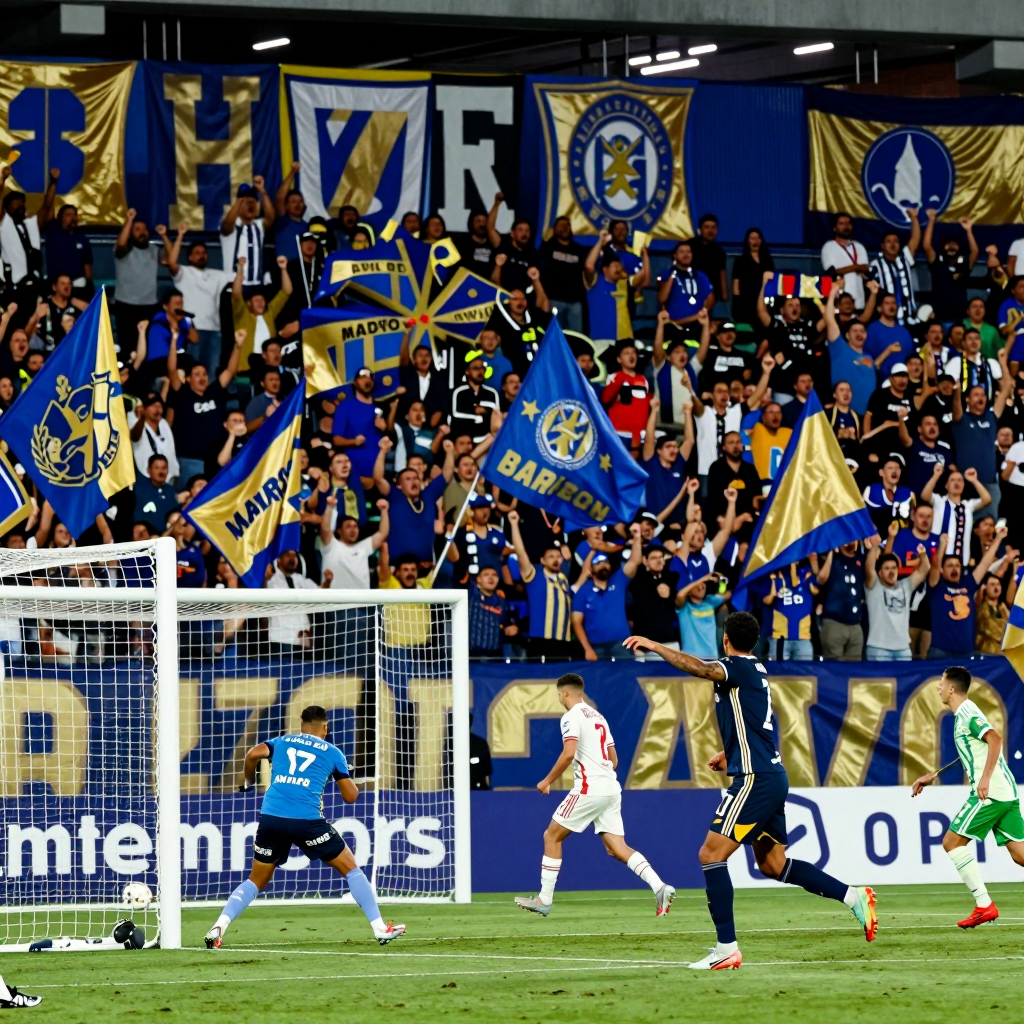
 \n
\n
Dramatic Turnaround: Pumas vs. Pachuca — Why Pumas Surpassed Pachuca to Reach the Final
Fifteen years without a trophy. In the history of a club, this number is more than just a statistic—it's a jinx that weighs heavily on the hearts of both players and fans alike. That’s why the Pumas vs. Pachuca semifinal second leg was not merely a “one-goal victory” but rather a psychological and tactical battle in which Pumas turned their last challenge into reality. How did Pumas reverse the momentum against Pachuca, who held the favorable position, and unlock the door to the grand final?
The Starting Point of the Pumas-Pachuca Turnaround: Pumas Began with ‘Control’—Not ‘Anxiety’
The second leg often sees haste ruin the game. But from the very start, Pumas did not recklessly push forward. Instead, they managed the timing of their pressing, cutting off Pachuca’s first build-up passes and focusing on transforming the crowd’s energy into the game’s tempo.
On the other hand, Pachuca, relying on their advantage from the first leg and regular-season performance, opted for a risk-averse, conservative approach aimed at minimizing danger. The problem was that as time passed, that choice hardened into not “stability” but a “defensive posture.”
The Defining Moment of Pumas vs. Pachuca: Carrillo’s Golazo Was No Coincidence
The atmosphere changed completely in the second half. Pumas continually unsettled Pachuca with a high defensive line and selective high pressing, and as that pressure mounted, gaps began to open in Pachuca’s defense.
Seizing that split second was Jordan Carrillo’s powerful right-foot strike. At the moment Pachuca momentarily lost compactness in front of the box, Carrillo’s precise positioning and first touch created his chance, and his shot rattled the inner post before going in, effectively sealing the game’s outcome. Though it looked like “one magnificent goal,” it was actually the result of consistent second-line penetrations and sustained pressure throughout the half.
The Final Drama of Pumas vs. Pachuca: Crossbar Clangs and Injury-Time Misses Paved the Way to the Final
What makes this match memorable as a ‘drama’ is that it didn’t end with just one goal scene. Amidst Pachuca’s resilient defense, Morales’ header striking the crossbar sparked anxiety—“Is today another unlucky day?”—and just before the final whistle, Rondón’s crucial chance went begging, saving Pumas instead.
To summarize, the Pumas vs. Pachuca clash unfolded like this:
- Pachuca’s ‘defend’ strategy gradually eliminated their attacking options,
- Pumas’ ‘controlled pressing’ ultimately created a critical crack, and
- Carrillo’s golazo transformed that crack into a ticket to the final.
Now, Pumas walk onto the stage where they can end a 15-year drought. What matters most is not just “making it to the final” but the fact that this team never lost their way of playing—even under the greatest pressure.
pumas - pachuca: A Heart-Stopping Match Flow – The Drama Behind a Single Decisive Goal
From a shot that thundered off the crossbar to Carrillo’s clutch winner, this match held far more emotion and turning points than the 1–0 scoreline suggests. The pumas - pachuca second leg semifinal was a classic drama filled with the unique tension of a “no mistakes allowed” knockout game, where decisive moments cascaded to flip the momentum again and again.
pumas - pachuca First Half: The Mental Battle Between the ‘Defensive’ and the ‘Aggressive’ Team
The first half didn’t erupt with spectacular events, but the atmosphere was heavy with tension. Pachuca minimized risk, relying on their first-leg advantage and regular season standing as a safety net, while Pumas focused on controlling tempo by timing their presses carefully to intercept Pachuca’s first passes instead of blindly charging forward.
- Pachuca: A conservative approach, dropping their line to seek counterattack opportunities
- Pumas: Selective pressing—raising intensity only in certain zones, fueled by the crowd’s energy
In short, the first half was not a contest of “who dares more,” but rather “who breaks the other’s mental resolve first” by creating a crack in their concentration.
pumas - pachuca Second Half: The Crossbar’s Tease and Carrillo’s Clutch Winner
With the second half underway, the match came alive, delivering some of the most defining moments.
First Heart-Stopping Moment: Robert Morales’ Header Smashes the Crossbar
When Pumas’ attack finally neared fruition, Morales’ header smashed against the upper crossbar. This wasn’t just a missed chance—it was the first sign of a crack in Pachuca’s defensive concentration. Had it gone in, the match’s intensity would have dramatically escalated, increasing the pressure on Pachuca.
The Killer Blow: Jordan Carrillo’s Golazo Turns Momentum Into Results
Ultimately, the narrative of Pumas’ relentless pressing was distilled into one perfect shot. Jordan Carrillo exploited a gap as Pachuca’s defensive line momentarily lost compactness, finishing cleanly with his right foot just outside the box.
Why was this goal a ‘clutch’ moment?
- It precisely struck the moment Pachuca’s defensive compactness faltered
- It turned Pumas’ persistent second-line runs and second-ball pressure into a score
- It proved, in a single instant, a championship-final-level focus: “when the chance comes, you finish it”
Though it was just one goal, that strike was no accident—it was the product of sustained pressure and structural superiority throughout the half.
pumas - pachuca Injury Time: Rondón’s Unbelievable Miss Seals the Fate
In the dying moments, Pachuca found a last chance. Salomón Rondón got a clear shooting opportunity inside the box, a moment that could have turned the series upside down. However, his shot did not find the net, and that miss instantly became a “season-saving moment” for Pumas.
In the end, the match can be summed up like this:
- The crossbar struck once, delaying Pumas’ dream
- Carrillo’s decisive strike pulled that dream within reach
- Rondón’s injury-time miss slammed the final door shut
The pumas - pachuca match ended 1–0, but it was a 90(+)-minute experience more like a three-act drama.
Tactical Showdown: Why the Strong Pachuca Fell into Pumas’ Trap
Pumas applied pressure with a high defensive line and a selective high press, but how did Pachuca end up falling into their own defensive trap? This match wasn’t about the better team losing, but a perfect example of how a previously successful approach becomes a poison in the context of the second leg.
Pumas vs. Pachuca: The Psychological Trap of Pumas’ ‘High Line’
Pumas’ key wasn’t just pushing their line up, but raising it to a height that shattered Pachuca’s illusion of safe build-up.
- With a high defensive line, Pumas tightly blocked Pachuca’s connection between the first and second lines, narrowing the angles for forward passes.
- As a result, Pachuca felt the pressure of “one slight mistake means immediate counterattack,” causing their attacking play to become increasingly conservative.
- In front of the box, the midfield line maintained a horizontal block, cutting off central pass routes to Rondón and naturally forcing Pachuca to rely more heavily on their flanks.
In other words, Pumas didn’t push their line up to attack aggressively, but rather to limit Pachuca’s options.
Pumas vs. Pachuca: How the ‘Selective High Press’ Broke Pachuca’s Plan
Pumas didn’t press blindly throughout the 90 minutes—instead, they flipped the switch only in specific moments. This selective high press was Pachuca’s biggest tormentor.
- The press was triggered the moment the ball went to certain center-backs or full-backs, making their first pass anything but comfortable.
- Rather than a constant full-front press, they repeatedly struck at “this spot is never safe,” shattering Pachuca’s build-up rhythm.
- It also conserved energy. The reason Pumas could sustain intense pressure into the second half was this very intermittent pressing design.
In the end, Pachuca’s passing tempo slowed by a beat right when they needed to speed up—this single beat broke down their battles for second balls in midfield and their response to second-line infiltrations.
Pumas vs. Pachuca: Why Pachuca’s ‘Risk Minimization’ Became Poison
Pachuca’s choice is understandable. With a first-leg advantage and their strong regular-season standing as a buffer, they entered score preservation mode from the start. But from that very moment, they increasingly relied on luck rather than controlling the game.
- Dropping their line should have created more counterattack opportunities, but Pumas quickly cut transitions, limiting any threatening counters.
- With the center blocked, reliance on long balls and crosses increased, isolating Rondón in the box more and more.
- Above all, their Plan B was vague. The moment Pumas gained numerical superiority in midfield, Pachuca lacked the cards to turn the tide.
In summary, Pachuca chose to “defend safely and strike once,” but Pumas erased the very conditions to create that one chance, ultimately trapping Pachuca inside their own defensive framework.
Pumas vs. Pachuca: Next-Gen Star Jordan Carrillo and Why U.S. Fans Should Be Watching
Though the second leg of the Pumas vs. Pachuca semifinal ended with a 1–0 scoreline, the match’s true “defining moment” was crafted by Jordan Carrillo. What makes it even more intriguing is that this moment wasn’t just a highlight reel play—it served as a showcase of tactical savvy and energy levels that MLS scouts would absolutely love. So, what changes might Carrillo’s performance foreshadow for the future?
Three ‘MLS-Style’ Strengths Revealed by Carrillo in Pumas vs. Pachuca
1) Perfect Timing in Penetrating the Half-Space (The Movement That Creates the Decisive Moment)
Carrillo’s winning goal was far more than just a well-placed shot. At the very moment when Pachuca’s defense lost compactness just outside the box, Carrillo made a subtle positional adjustment into the half-space, opening up the shooting angle. This kind of movement is especially prized in the MLS, where frequent transitions and momentary defensive lapses create golden opportunities.
2) Energy to Contribute Defensively as Well (A 90-Minute ‘Two-Way’ Asset)
In the Pumas vs. Pachuca clash, Pumas adopted a high defensive line with selective high pressing—and Carrillo operated like a crucial cog in that machine. His pattern of launching pressure triggers as an attacking midfielder and then appearing for second-line runs during offensive phases aligns perfectly with the “plug-and-play” profile praised by MLS scouts. This confirms both his tactical understanding and a relentless work rate.
3) Clutch Performance in Big Games (A Player Whose Highlights Speak for Themselves)
The second leg of the semifinal was fraught with home-side pressure and the looming threat that a single mistake meant elimination. Carrillo’s stunning ’golazo’ under such conditions becomes a powerful reference point in player evaluation. One of the key traits MLS clubs seek in Latin American talents is “decision-making and bravery on the big stage”, and Carrillo answered that test in a single moment.
Big Changes Carrillo Signals After Pumas vs. Pachuca
- Shift in Pumas’ Tactical Core: This series proved that Pumas can win not only through pressing and transitions but also by exploiting second-line runs and finishing in front of goal. If Carrillo continues to produce moments like this, he’ll be a key card to disrupt Cruz Azul’s possession-based build-up in the final.
- Closing the Gap to the U.S. Market (MLS): Players like Carrillo—who understand intense pressing, arrive quickly on the transitions, and can unleash a potent mid-range shot—are consistently in demand in MLS. The Pumas–Pachuca clash elevated him from a prospect on the radar to a clear priority.
Carrillo’s goal sent Pumas to the final and, at the same time, marked a signal flare in his career. The only remaining question now is whether this performance will remain a one-off highlight or become a turning point leading to MLS and even bigger stages—the final showdown is poised to offer a clearer answer.
After Pumas - Pachuca: The Pumas vs Cruz Azul Capital Derby Final and Its Significance in the U.S.: The Dawn of a New Soccer Narrative
Pumas vs Cruz Azul. The fiery showdown of ‘underdog vs powerhouse’ set to ignite Mexico City has finally come to life. What makes this final even more special is that the just-concluded Pumas - Pachuca semifinal was more than a mere contest—it sent a clear signal that “this team has truly changed.” Now, the question boils down to one: Can Pumas break their 15-year title drought on the cruelest stage of all, the Capital Derby?
The Premise of the Final Set by Pumas - Pachuca: Not a ‘Must-Win Team’ but a ‘Team That Knows How to Endure’
Though the second leg of Pumas - Pachuca ended 1-0 on the scoreboard, the match was in reality about pressure intensity, line control, and that clutch moment that changed the flow. Especially with the decisive goal in the second half and the nail-biting moments during injury time, Pumas revealed themselves as not just a “skillful team” but a “team that survives until the end.”
This narrative becomes a powerful weapon in the final. Cruz Azul traditionally dominates games relying on squad depth and stable build-up play, but derby finals often hinge less on tactics and more on emotion, less on structure and more on the moment. Pumas have already proven they can withstand that moment.
Why the Pumas vs Cruz Azul Derby Is Even More Captivating for U.S. Fans: The Perfect Construction of a ‘Sports Narrative’
From an American fan’s perspective, this final fits perfectly within a familiar winning formula:
- Underdog’s Quest for the Crown: Limited resources, a 15-year title drought, and a current surge in form—the storytelling grammar beloved by U.S. sports media featuring the “team that pulls off the impossible.”
- Legacy vs Rebellion: Cruz Azul’s ‘big club’ identity clashes head-on with Pumas’ energetic, aggressive soccer, sharpening the storyline.
- Highlight-Friendly Matchup: As already seen in Pumas - Pachuca, moments like thunderous mid-range strikes, second balls, and stoppage-time drama are exactly the kind of content that spreads fastest on U.S. social media.
Ultimately, the final is likely to turn not just on “who plays better” but on “who withstands the greater pressure.” That’s why this derby can be consumed by U.S. audiences not simply as an overseas league final but as the season finale of a new soccer saga.
Impact on the U.S. Market: A Multi-Front Event Shaking Broadcast, Bar Culture, and Dual Fandom
This final perfectly aligns with Liga MX consumption patterns across the U.S.:
- Broadcast Accessibility: Platforms like TUDN, Univision, and ViX are structured to package the final as a major ‘event.’
- Public Viewing (Watch Party) Culture: Bars and restaurants in cities like LA, Houston, and Chicago turn derby finals into more than just viewings—they become community events.
- Expansion of Dual Fandom: For fans who watch both MLS and keep up with Liga MX, Pumas vs Cruz Azul easily becomes “the must-watch match this weekend.”
If Pumas - Pachuca was the ‘trailer for the drama,’ the Capital Derby final is the feature-length explosion of that drama. At the intersection of Mexico City’s passion and U.S. fandom’s consuming power, this final will serve as a stage reaffirming why Liga MX remains such a compelling force beyond the boundaries of its league.
Comments
Post a Comment