 \n
\n
Typhoon Jangmi: The Beginning of a Typhoon Story Inspired by the Flower Name ‘Jangmi’
Why was the beautiful name ‘Jangmi’ given to a typhoon? And why has a typhoon with the same name appeared four times? At first glance, ‘Typhoon Jangmi’ evokes a soft and romantic image, but in reality, it refers to different typhoons each year with entirely distinct characteristics and paths.
To understand easily, let’s start with the name itself. Jangmi is a typhoon name submitted by South Korea to the World Meteorological Organization (WMO) Typhoon Committee, meaning exactly as it sounds: a rose. Typhoons arising in the Northwest Pacific and the South China Sea receive their names by going sequentially through a list of names submitted by member countries, and ‘Jangmi’ is one of those official names.
So why has ‘Typhoon Jangmi’ appeared four times? The reason is simple:
- Typhoon names are not used only once, but the list is recycled repeatedly.
- However, typhoon names that have caused severe damage can be retired (replaced) under international standards. Yet, ‘Jangmi’ was used in 2002, 2008, 2014, and 2020 and still remains on the list.
In other words, what we call ‘Typhoon Jangmi’ isn’t a single recurring storm but a record of different typhoons over the years sharing the same name tag. This article will explore how these four ‘Jangmi’ typhoons appeared, why some years were quiet while others saw powerful storms—and unravel this fascinating contrast step by step.
The Four Faces of Typhoon Jangmi: A Spectrum of Strength and Impact
From 2002 to 2020, Typhoon Jangmi has appeared sometimes with the power of a super typhoon, and other times as a tropical storm so weak you might wonder, “Is this really a typhoon?” Why such differences under the same name? The key is simple: a typhoon’s name is just a label based on sequence, not ‘character,’ and each time it is a completely different system born under entirely distinct oceanic and atmospheric conditions.
A Quick Look at the Strength Spectrum of Typhoon Jangmi (2002–2020)
- 2002 Jangmi: Moderate strong typhoon → centered over Japanese waters, mostly indirect effects on Korea
- 2008 Jangmi: The strongest among the four (super typhoon level) → struck Taiwan directly and was structurally very powerful
- 2014 Jangmi: Relatively weak, at tropical storm level → limited impact, an example of “weak but still named”
- 2020 Jangmi: On the weaker side but brought rain to Korea → combined with monsoon fronts to amplify perceived effects
Even under the same name Typhoon Jangmi, the combinations of “strength” and “impact” varied each time. Comparing 2008 and 2020 especially reveals what’s missed if you judge a typhoon by maximum wind speed alone.
Why Jangmi Was ‘Different Every Time’: It’s the Environment, Not the Name
The power of a typhoon mainly depends on the following factors:
- Sea surface temperature and heat energy: The longer a typhoon stays over warm waters, the more it can intensify rapidly (as in 2008).
- Vertical wind shear (changes in winds with altitude): Significant shifts in wind direction and speed at different altitudes can tear a typhoon’s structure apart, weakening it (2014 and 2020 cases).
- Path and interactions: Passing over islands or land, nearby high-pressure systems, and whether it merges with fronts—all affect intensity and rainfall patterns.
- ‘Damage’ depends on more than strength: Even with equal intensity, factors like speed (slow-moving means heavier rain), terrain (mountains), and prior rainfall (saturated ground) can escalate harm.
In other words, the “varying strength” of Typhoon Jangmi is not about its name but about the stage it played on—the atmospheric and oceanic conditions—being different each time.
What Typhoon Jangmi Highlights: “Strong Typhoon” vs. “Dangerous Typhoon”
- The 2008 Jangmi was textbook for a “strong typhoon.” Its sheer power was overwhelming, directly hitting Taiwan and causing major damage.
- On the other hand, the 2020 Jangmi appeared weak in intensity but, by meeting already wet conditions with extra moisture and cloud bands, it became a typhoon whose perceived danger actually increased.
In conclusion, the lesson from Typhoon Jangmi’s cases is clear:
A typhoon should not only be remembered for its “strength” but understood fully by considering what weather conditions it overlapped with.
Typhoon Jangmi: The Remarkable ‘2008 Jangmi’ – The Might and Legacy of a Super Typhoon
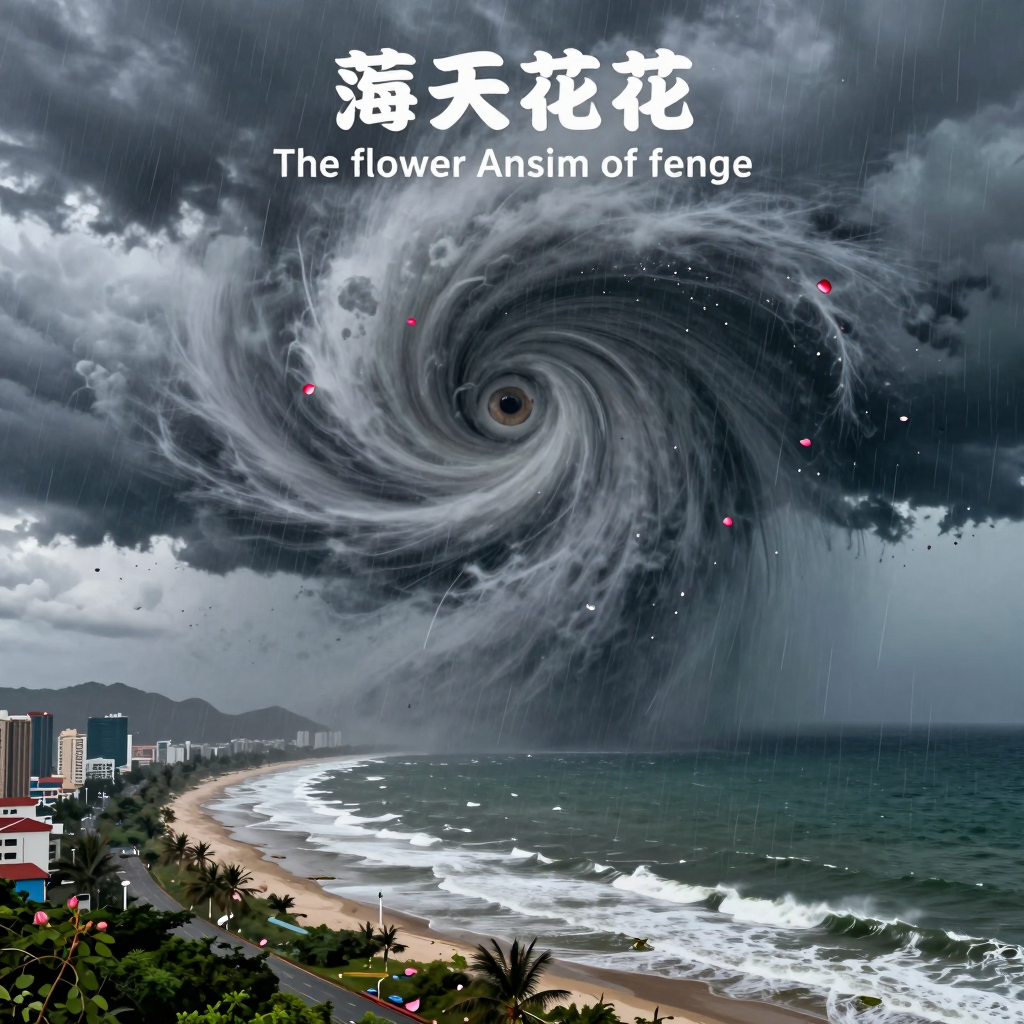
When satellite images reveal a perfectly clear ‘eye’, that typhoon is usually close to a “fully formed” stage. The 2008 Typhoon Jangmi was precisely that. Though its name resembled a flower, its structure was textbook-perfect, and its power soared to super typhoon levels. So what damages did this immense force leave behind, and what lessons should we learn?
What the ‘Perfect Eye’ of Typhoon Jangmi Signifies
The eye of a typhoon is not just a shape; it signals a balanced state of the atmosphere. A distinct eye generally means:
- Strong rotation and low central pressure: Air rapidly converges at the center, organizing the storm
- Powerful eyewall: The ring of intense rain and gusts around the eye becomes sharply defined
- Sustained energy supply: A combination of warm sea surfaces and favorable upper-level conditions likely exists
In other words, the “perfect eye” seen on satellite images may look strikingly beautiful, but in reality, it is a sign that the potential for damage is maximized.
The Damage Left by 2008 Typhoon Jangmi
Typhoon Jangmi in 2008 intensified greatly during its development phase and struck right through Taiwan, amplifying damages. The destruction was not merely due to “strong winds,” but resulted from a combination of fierce winds, terrain, and heavy rainfall.
- Heavy rain and landslides: Intense rainfall over a short period drastically increased slope collapse risks in mountainous areas
- Flooding and infrastructure damage: Flooded rivers, submerged lowlands, and a chain reaction of issues with roads, power, and communication
- Agricultural and forest devastation: Strong winds caused physical harm to crops and structures, accelerating soil erosion
This case shows that a powerful typhoon is not “just one disaster,” but can trigger multiple disasters simultaneously.
Even Without a Direct Hit to Korea, Impacts Remain
Though Typhoon Jangmi did not directly land on the Korean Peninsula, Korea was far from safe. Even at a distance, the following indirect impacts occurred:
- High waves and swells at sea: Coastal accidents, disruptions to passenger and fishing vessels
- Rain bands on the edges: Localized rainfall and gusty winds centered on Jeju and the southern coast
- Increased risks for all maritime activities: The perception that the storm is “far away” can lead to dangerous complacency
Here lies the key point: For a typhoon as powerful as Jangmi, the damage depends not only on its path but also on its radius of influence and sea conditions.
The Lesson from 2008 Jangmi: ‘Intensity’ Is Only Part of the Forecast
While Jangmi’s intensity was certainly fierce, the more critical message is this:
- The clearer the eye in satellite images, the higher the alert level must be
- Assessing risk by direct landfall alone is too late
- Wind, rain, and waves cause damage in very different ways
In the end, the 2008 Typhoon Jangmi urges us:
“Don’t judge a typhoon by a single category; read it through its structure, path, and—most importantly—the ‘risk where you are.’”
Typhoon Jangmi: Why Even Weak Typhoons Demand Caution – Lessons from Jangmi in 2014 and 2020
Thinking “It’s just a weak typhoon, how bad could it be?” is the most dangerous misconception. The name Typhoon Jangmi directly challenges that notion. Especially in 2020, although Jangmi was relatively weak in intensity, it added heavy rain and landslide risks on top of already saturated ground in Korea, amplifying the potential for complex disasters.
The Core Lesson from Typhoon Jangmi: ‘Context’ Matters More Than ‘Intensity’
Typhoon damage isn’t simply determined by maximum wind speed or central pressure. Even a weak typhoon can become highly dangerous when combined with the following factors:
- Ground saturated with water due to accumulated rainfall (like monsoons and stationary fronts)
- Supply of moisture and inflow of raincloud bands pushed by the typhoon
- Urban and terrain conditions such as rising river levels and poor drainage capacity
- Concentrated rainfall caused by slow movement or interaction with other pressure systems
In other words, the key isn’t “weak typhoon = safe,” but rather “on what background is the weak typhoon riding?”
Typhoon Jangmi in 2014: A Case Showing Why Even Weak Storms Receive Names
The 2014 Typhoon Jangmi was relatively mild, more like a tropical storm, and had minimal impact on Korea. Yet the message from this case is clear:
- Typhoon names are labels to identify tropical cyclone systems, not risk grades
- Even weak storms can have drastically different impacts depending on their path and meteorological context
- So instead of thinking, “It has a name but it’s weak,” a safer mindset is, “It’s weak for now, but variables remain.”
Typhoon Jangmi in 2020: A Characteristic ‘Complex Disaster’ — It Was Rain, Not the Wind, That Was Dangerous
The warning from the 2020 Typhoon Jangmi is significant because a typhoon doesn’t need to be strong to intensify existing hazards. That year, prolonged monsoon rains and frequent downpours had already accumulated damage, and Jangmi added to this by:
- Strengthening the environment for raincloud bands to push into the southern coast and Yeongnam region
- Adding extra heavy rainfall on top of saturated ground and swollen rivers, increasing risks of flooding and landslides
- Ultimately, it wasn’t the typhoon’s strength itself but how it triggered preexisting disaster conditions that made the risks grow
In summary, Jangmi 2020 tells us:
The real danger lies not in the typhoon’s ‘category’ but in the ‘on-site conditions’ at its arrival.
More Effective Checkpoints When Facing ‘Weak Typhoons’ Like Jangmi
When a weak typhoon forecast is issued, it’s smarter to worry about water-related dangers (rain, flooding, inundation) before focusing on wind:
- If there’s been heavy rain recently: prioritize checking landslide-prone and steep slope areas
- For lowlands and river-adjacent zones: proactively monitor rising water levels and evacuation alerts
- In cities: prepare vulnerable drainage spots such as underground parking lots and semi-basements
- Along coasts: even if winds are weak, beware of strong surge waves and avoid approaching the shore
Calling a typhoon ‘weak’ does not mean ‘safe.’ It means “risk can grow dramatically if conditions change.” The lesson from Typhoon Jangmi is clear: look beyond the storm’s numbers—always consider the timing and accumulated conditions when the typhoon arrives.
The Message of Typhoon Jangmi in the Climate Crisis Era and How We Can Prepare
The name ‘Jangmi’ is very likely to appear again in the future. The reason Typhoon Jangmi is frequently discussed isn’t because the name sounds pretty, but because it serves as a perfect example to understand the “new combinations of risks” created by climate change. In this section, we summarize why the name ‘Jangmi’ will continue to be used, how the climate crisis is changing the future of typhoons, and practical tips you can apply right away.
Why the Name “Typhoon Jangmi” Will Keep Being Used: It Has Not Yet Met the “Retirement” Criteria
Northwest Pacific typhoon names are managed by the WMO (World Meteorological Organization) Typhoon Committee, and names causing massive casualties and property damage are internationally “retired” through agreement. Conversely, if a name appears multiple times but does not reach the retirement threshold, it stays on the list and is reused.
- Typhoon Jangmi was used in 2002, 2008, 2014, and 2020,
but it was never deemed to have caused decisive damage warranting a name change internationally, so it remains on the official list. - Therefore, after a certain cycle, typhoons named Jangmi may appear again.
The key point: “Even if the name is the same, each typhoon is a completely different, unique system.”
The Climate Crisis Signals Revealed by Typhoon Jangmi: Intensity Alone Can’t Judge the Danger
In the era of the climate crisis, the key issue isn’t just that “typhoons get stronger,” but that the conditions that amplify damage occur more frequently. When we look at Typhoon Jangmi’s cases, two points stand out clearly.
- Same name, different characteristics
The 2008 Jangmi was extremely strong, whereas the 2014 and 2020 versions were relatively weaker.
→ The name repeats, but the types of risks vary each time. - Weak typhoons can still cause great damage (compound disasters)
Even if the intensity isn’t high, like in 2020’s Jangmi,- when the region is already saturated from the rainy season and a stationary front causing heavy accumulated rainfall,
- the typhoon’s supply of water vapor and changes in the wind field can suddenly heighten
localized heavy rain, river flooding, and landslide risks.
→ This breaks the simple formula of “strong typhoon = danger.”
How Climate Change Is Altering the Future of Typhoon Jangmi: Season, Path, and Rainfall Patterns Are Changing
The variables we’ll face with future typhoons extend beyond ‘maximum wind speed.’
- Typhoon seasons may lengthen
Some typhoons have already appeared in late December and early January, an unusual phenomenon often linked to changes in ocean heat (energy) distribution. - Paths may change
Changes in atmospheric circulation like high-pressure system shifts in the Northwest Pacific can push typhoons further north or cause unexpected curves. - “Non-typhoon” rainfall risks increase
Warmer air holds more moisture, so even if the typhoon doesn’t make direct landfall,
damage from rain clouds alone can rise.
In other words, the next Typhoon Jangmi might “look weak” but still carry severe flooding-type threats.
Typhoon Jangmi Preparedness Checklist for Daily Life: “Letting Your Guard Down When It Seems Weak” Is the Riskiest
Even if the weather alert says “weak typhoon,” it’s safest to immediately check the following items.
- Check flood-prone spots first
- Inspect water inflow routes (drains) in underground parking lots, semi-basements, low-lying shops, and storage areas.
- When moving vehicles, strictly avoid roads with water pooling.
- Preemptively evacuate from landslide- and soil-disaster-prone areas
- After heavy cumulative rainfall, rapid changes can happen even during light rain.
- Residents near cut slopes and steep areas should prioritize local government notices (shelter info, restricted zones).
- Beware of swell waves along coasts and breakwaters
- Waves can grow even if the typhoon center is far away, so “watching” from the shore is the most dangerous.
- Avoid fishing, walking, or photography regardless of control advisories.
- Cross-check information once more
- Typhoon paths often change unpredictably.
- Checking both meteorological announcements (typhoon info, heavy rain and wind advisories) and local disaster alerts speeds up response.
If Typhoon Jangmi returns, that ‘Jangmi’ may be entirely different from previous ones. More important than the name is current weather conditions (accumulated rainfall, ground status, coastal wave height) and your local area’s vulnerabilities. The more you hear “this one will be weak,” the more urgently you should prepare.
Comments
Post a Comment