 \n
\n
What Is a Super Typhoon? Unraveling the Monster’s Power
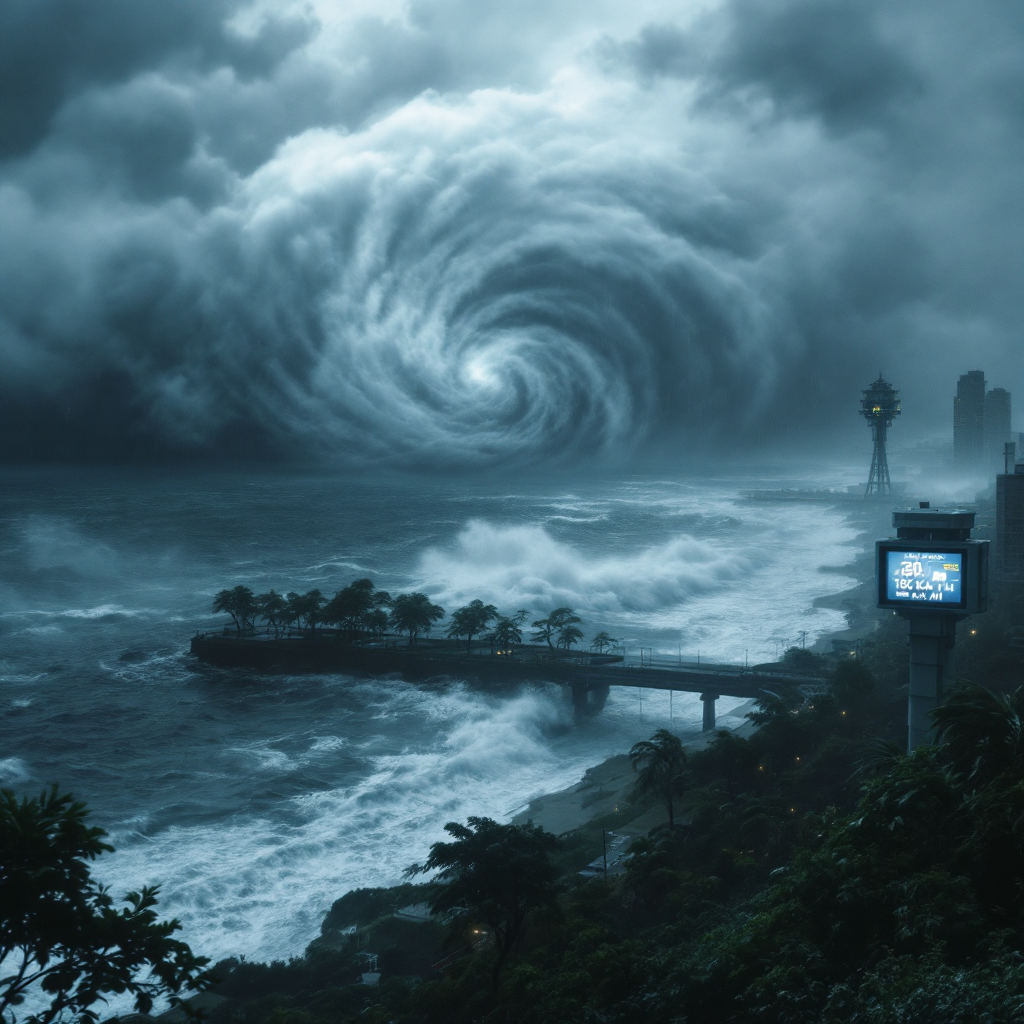
What kind of phenomenon is a monster-level typhoon with winds exceeding 240 km/h, vastly different from any typhoon you've ever experienced? While the name might sound exaggerated, a super typhoon is actually a classification indicating the highest-tier tropical cyclone—a disaster-level force that can shake the very daily systems of a city if it strikes full force.
Defining a Super Typhoon: Not Just a ‘Strong Typhoon’ but the Top Tier
One of the most widely cited international standards comes from the U.S. Joint Typhoon Warning Center (JTWC). The JTWC classifies a western Pacific typhoon as a Super Typhoon when its 1-minute average maximum sustained wind reaches 130 knots (about 241 km/h) or higher.
In other words, a super typhoon isn’t just “a bit stronger” — it ranks among the most intense tropical cyclones globally.
- Key Criterion (International, JTWC): 1-minute average maximum sustained wind roughly 241 km/h or higher
- Meaning: Equivalent mostly to Category 4 to 5 on the Saffir–Simpson Scale
Super Typhoon vs. South Korea: Official Term Versus Common Usage
Here’s an important point: South Korea’s Meteorological Administration (KMA) does not use the official term ‘super typhoon.’ Instead, it classifies typhoons based on 10-minute average wind speeds with categories such as ‘strong,’ ‘very strong,’ and ‘extremely strong.’
Still, the media and the public use “super typhoon” for a clear reason: it’s the most powerful phrase to intuitively describe typhoons so intense that devastating damage is feared, or that have already reached top strength over the ocean.
Summarizing:
- International ‘Super Typhoon’: a classification with specific wind speed criteria
- ‘Super Typhoon’ in South Korea: often an informal phrase referring to a ‘monster typhoon’
The Destructive Power of a Super Typhoon: What Changes the Game?
The threat from a super typhoon goes far beyond just strong winds. The combination of fierce winds, heavy rains, storm surges, and power outages can multiply the scale of damage exponentially.
- Strong Winds: widespread damage to building exteriors, signs, utility poles, and other structures
- Heavy Rain: intense downpours can cause river flooding and urban inundation
- Storm Surge: low pressure and strong winds push seawater inland, threatening coastal areas
- Widespread Blackouts/Communication Failures: simultaneous hits on power and telecom infrastructure can disrupt the very foundation of daily life
Ultimately, a super typhoon is not “just a heavy rain passing by”—it is a supercharged system that pushes a city’s entire disaster response capacity to the limit. In the next section, we will explore the conditions that spawn these monster typhoons, and why they have been mentioned more frequently in recent times.
The Secret Conditions for the Birth of a Super Typhoon: Why Does ‘Rapid Intensification’ Occur?
Why do some typhoons suddenly grow from looking like an ordinary storm to a disaster-level monster in just one day? The key isn’t simply how warm the ocean is, but the moment when a hot sea (energy) and the atmosphere (wind structure) perfectly align simultaneously. At this point, the typhoon enters a rapid intensification phase, like an engine with a supercharger, propelling it into a super typhoon.
The Four Essential Combos That Boost a Super Typhoon
1) The ocean surface is hot (but this alone is not enough)
Typhoons feed on water vapor and latent heat rising from warm seas. Typically, a sea surface temperature above 26.5°C is the baseline condition.
However, shallow warmth at the surface has limits. When a strong typhoon stirs the sea, cold deep water rises and weakens the storm itself.
2) The ocean is hot all the way down: High Ocean Heat Content (OHC)
To reach super typhoon strength, the ocean’s stamina must be different. Warm water extending tens of meters deep (high ocean heat content) prevents rapid cooling even as the typhoon churns the water.
In other words, the typhoon can maintain a high-powered state for a long time without running out of fuel, setting the stage for explosive strengthening.
3) Vertical wind shear is weak
Think of a typhoon as a ‘rotating chimney.’ If winds at different altitudes blow in different directions and speeds, the chimney bends. This is vertical wind shear, and the stronger it is, the more convection inside the typhoon tears apart, preventing development.
Conversely, when vertical shear is very weak, the convective core stays upright and energy condenses all at once, making rapid intensification into a super typhoon much easier.
4) Both inflow and outflow are smooth
A typhoon constantly sucks in hot, moist air from below (inflow) and pushes air out at upper levels (outflow) to keep spinning.
If the upper-level outflow isn’t blocked and the ‘exhaust’ runs smoothly, the central pressure drops much faster, winds grow stronger, and the trigger for rapid intensification is pulled.
The Switch of a Super Typhoon: The Moment ‘Rapid Intensification (RI)’ Flips On
When these conditions align perfectly, a typhoon grows explosively in a short time. A common pattern shows large increases in wind speed within 24 hours, creating jumps that are hard for forecasts to catch up with.
That’s why some typhoons can suddenly become super typhoon-level threats before anyone realizes they’re close or strong yet.
One Sentence to Remember
Super typhoons aren’t born by chance — they form when hot ocean fuel + stable wind structure + efficient atmospheric circulation all come together perfectly. As these “perfect combos” become more frequent, rapid intensification will surprise us more often than ever.
Super Typhoons and Climate Change: El Niño as the Switch for ‘Powerful Typhoons’
The El Niño phenomenon, powerful typhoons, and the climate crisis are not separate events—they form a connected system that alters each other’s conditions and amplifies outcomes. In today’s world, it’s no longer just about “another typhoon has arrived,” but about understanding why they become stronger and why they persist farther north for longer. At the heart of this lies the key term: super typhoon.
Climate Change’s ‘Fuel Tank’ for Super Typhoons: Warming Oceans
Typhoons are massive heat engines fueled by the ocean. As climate change raises sea surface temperatures (SST) and thickens the warm layer of the ocean (increasing ocean heat content), typhoons transform in these ways:
- The ceiling for their strength rises: More water vapor and latent heat become available, making it easier to reach extreme intensities.
- They maintain strength longer without weakening: When typhoons churn the sea but cold water doesn’t easily surface, their intensity endures.
- Rain danger shifts from quantity to intensity: Warm air holds more moisture, intensifying heavy rainfall moments.
This means the climate crisis is more likely to increase the proportion of very strong typhoons rather than just the total number, potentially boosting both the frequency and threat level of super typhoons.
Super Typhoons and El Niño: Large-Scale Changes Shaping ‘Paths and Power’
El Niño alters sea surface temperatures and atmospheric circulation across the Pacific, repositioning the very environment in which typhoons form and move. Typically, this brings about:
- A tendency for typhoon genesis and tracks to shift eastward
- A heightened possibility of stronger typhoons under certain conditions
- Changes in atmospheric flows that may produce unusual northward paths compared to normal years
The key takeaway is that El Niño does not automatically “create super typhoons.” Rather, it is a powerful player that reconfigures the stage—sea, wind, and pressure patterns—where typhoons can intensify, and when joined by climate change–warmed oceans, the risk can escalate dramatically.
Super Typhoon Scenarios Becoming Reality for the Korean Peninsula: Stronger and Later Than Ever
While it has been widely believed that typhoons weaken as they travel northward over the Korean Peninsula, warming nearby seas are challenging that assumption. The changes we must especially watch for are:
- Maintenance of typhoon intensity in late summer to early autumn: If ocean temperatures remain high through September and October, typhoons can stay strong right up to landfall.
- Increased risk of compound disasters: When strong winds, heavy rains, and storm surges strike simultaneously, both coastal and inland flooding (including overwhelmed urban drainage) can worsen together.
- Widespread infrastructure damage: Typhoons with large wind radii expand power outages, communication failures, and transportation paralysis from isolated points to extensive areas.
Ultimately, large-scale fluctuations like El Niño shake up the “board” each year, while the climate crisis pushes that board toward a “hotter, wetter” side—expanding the pathways through which super typhoon-level threats become a direct risk to the Korean Peninsula.
How Super Typhoons Will Transform Our Daily Lives: Storm Surges, Torrential Rain, and Blackouts Striking Cities ‘Simultaneously’
Storm surges, intense downpours, and widespread blackouts—all at once. When a super typhoon approaches the Korean Peninsula, familiar urban functions like transportation, electricity, communication, and logistics can come to a sudden halt in a chain reaction within the same timeframe. The real issue isn’t just a “rainy day,” but rather a day when coastal, riverine, and urban infrastructures face simultaneous stress tests.
How Super Typhoons Transform Coastal Cities: Storm Surges Sever Everyday Routes
The storm surge brought by a super typhoon goes beyond mere flooding—it actually reshapes the city’s boundaries themselves.
- Decline in coastal roads, breakwaters, and port functions: When seawater floods roads, commutes and school routes are instantly cut off, port operations stall, and logistics timelines delay.
- The triple blow of high tide, strong winds, and low pressure: Powerful winds push seawater inland while falling atmospheric pressure raises sea levels, making low-lying coastal areas especially vulnerable.
- “Seawater barricades drainage”: Even with heavy rain, water must drain into the sea, but rising sea levels block this outflow, causing rapid urban flooding to spread.
In short, the closer you are to the coast, the sooner you face not just flooding but a halt in urban functions—control points closing, detours activating, and areas becoming isolated.
How Super Typhoons Transform Inland Cities: Torrential Rain Is Neither Brief Nor Light
The deluges left by a super typhoon go far beyond “heavy rain”—they push urban drainage systems to their absolute limits.
- Soaring risks in underground spaces: Underpasses, underground shopping areas, and subway entrances quickly become danger zones once heavy rain begins.
- Rapid river overflows: Rain pouring into upstream areas can cause sudden flash flooding downstream in city centers, creating an overwhelming risk.
- Secondary disasters in mountainous and steep terrains: Landslides and soil erosion can block roads and delay evacuations, adding dangerous complications.
Especially as ocean temperatures rise, even if a typhoon moves northward, it can keep a steady supply of moisture, making the volume and intensity of rainfall increasingly threatening.
How Super Typhoons Transform Urban Infrastructure: Widespread Blackouts Become a ‘Crisis’, Not Just an ‘Inconvenience’
Strong winds don’t just topple power lines and trees. Typhoon-force gales shake the very links of power, communication, and transportation—turning blackouts into life-threatening crises.
- Blackouts → Communication breakdown: Damage to cell towers and relay equipment degrades phone and internet service, delaying critical disaster information.
- Blackouts → Water supply and drainage failure: Pumping stations and water treatment plants rely on electricity; power loss disrupts both water delivery and sewage removal.
- Blackouts → Citywide ‘simultaneous stoppage’: Traffic lights, elevators, hospital equipment, and even card payment systems all cascade into dysfunction.
In essence, blackouts from a super typhoon aren’t just “temporary darkness”—they mark an event where urban services progressively shut down.
Real Cases from Super Typhoons Signal One Thing: The Korean Peninsula Is No Exception
While there was once a belief that typhoons weaken before arrival, recent powerful storms tell a different story.
- Maemi (2003): Strong winds just before landfall caused major damage to ports and industrial facilities, proving that wind alone can directly strike economic systems.
- Hinnamnor (2022): Maintaining strength during approach, this typhoon’s combined flooding and blackouts exposed clear vulnerabilities in urban infrastructure.
The core message from these examples is clear: Super typhoons are not just ‘weather events’ but critical risk scenarios threatening city operations.
In the Era of Super Typhoons, What Should Redesign Our Daily Lives?
From now on, typhoon forecasts must shift from mere “wind speeds” to questions that connect directly to daily life.
- How much rain is expected? → Can drainage systems, rivers, and underground spaces withstand it?
- How strong will the winds be? → How far might blackouts spread?
- How high will seawater rise? → Is coastal and estuarine urban isolation possible?
If we only think of super typhoons as “record-breaking” storms, our preparedness falls short. But imagining the simultaneity of storm surges, torrential rain, and blackouts sharpens priorities—from individual readiness to strategic city infrastructure investment.
How to Handle Super Typhoons: Seeing Them Not as “Something That Always Happened” but as “Disasters That Can Strike Anytime”
It’s no longer valid to say, “Typhoons always weaken before arrival” based on past experience. As the oceans warm (increased sea heat content) and typhoons maintain their intensity more often, the threat of super typhoon-level power has become a realistic scenario for the Korean Peninsula and surrounding seas. The key is clear: Shift from the usual typhoon response to one based on assuming the worst-case scenario.
Super Typhoon Preparedness Checklist: The Critical 24-48 Hours Before Arrival
Below is a practical, action-focused list grounded in the principle that “preparation directly reduces damage.”
- Don’t rely on a single source of information
- Turn on weather alerts from the Korea Meteorological Administration (typhoon, heavy rain, strong wind), disaster texts from local governments, and apartment or village broadcasts simultaneously.
- Don’t trust battery saver mode alone—secure backup batteries and a radio (or radio app) as well.
- Assume flooding and power outages as the default
- Stock at least 3 days’ worth of water and emergency food, ideally enough for a week.
- Prepare flashlights, extra batteries, portable gas stoves, and essential medicines (especially prescribed drugs) in advance.
- Secure or remove anything that could fly inside the house
- Move balcony flowerpots, laundry racks, camping chairs, and items near the entrance indoors.
- Reinforce windows and sashes against strong winds if they are old (check for gaps and locking mechanisms).
- Eliminate drainage bottlenecks
- Remove leaves and debris from gutters, drains, and sewers—one of the most effective preventive measures.
- Park vehicles according to ‘flood risk maps’
- Avoid underground parking lots, riverbanks, and low-lying roads; move vehicles to higher ground above street level.
- Complete relocations the night before the typhoon if possible—the day of is often too late due to road closures and congestion.
Super Typhoon Action Guide: ‘The Briefest Step Outside’ Is the Most Dangerous Moment
In super typhoon situations, accidents often begin with the thought of “just stepping out for a moment.”
- Minimize going outside (especially avoid rivers, bridges, coastal roads, and breakwaters)
- Strong winds + heavy rain + waves and storm surges can become uncontrollable in an instant.
- Switch electricity and gas to ‘accident prevention mode’
- Cut off power in areas at risk of leaks or flooding; remove moisture around power strips and outlets.
- Lock gas valves if shaking intensifies.
- Take evacuation orders not as suggestions but as immediate commands
- Evacuate as quickly as possible. Hesitation only increases damage.
Super Typhoon Recovery Strategy: “Safe Return” to Prevent Secondary Accidents Is Key
The period right after a typhoon passes can actually be more dangerous.
- Avoid approaching flooded areas and damaged structures
- Risks like ground subsidence, collapses, and electrocution may remain.
- Do not use electrical appliances until they are completely dry and inspected
- Flooded outlets and appliances can look dry on the outside but still pose internal hazards.
- Document damage as the first step to recovery
- Secure photos and videos—they are crucial for insurance claims and disaster relief applications.
Future Strategies for Super Typhoon Response: Individual Preparedness Alone Is Not Enough
Super typhoons are not events that can be managed by a single household’s preparation. They often become complex disasters shaking entire urban systems—power outages, communication failures, flooded roads and underground spaces. Therefore, societal priorities must include:
- Upgrading urban disaster prevention infrastructure
- Redesign pumps, drainage, and river embankments based on ‘extreme scenarios,’ not past averages.
- Improve floodgates, backflow prevention, and drainage paths in underground roads, shopping areas, and subway stations.
- Realistic revision of building and facility standards
- Strengthen design codes for coastal areas to withstand both strong winds and storm surges.
- Mandate management of wind-vulnerable elements such as rooftop structures, large signboards, and glass façades.
- Enhance power and communication system resilience
- Check multi-power sources, waterproofing, and emergency fuel systems at critical facilities like hospitals, water treatment plants, and data centers.
- Prepare communication base stations for flooding and blackouts with batteries, generators, and revised locations.
- Refine disaster information delivery
- Rather than issuing “same warnings across all areas,” establish a system to quickly provide flooding, blackout, and control info by neighborhood level.
Conclusion in the Super Typhoon Era: Reduce Damage Not by ‘Luck’ but by ‘Systems’
In the age of climate crisis, super typhoons are no longer exceptions. The decisive factor in minimizing damage is not “whether you can avoid it,” but how early and systematically you prepare. Individuals increase their chances of survival by following checklists, while society must upgrade infrastructure, standards, and information systems. When these two operate together, the next super typhoon will not be a “disaster” but a “manageable crisis.”
Comments
Post a Comment