 \n
\n
Today’s Soldiers: What Has Changed from the Past? The Transformation of Soldier Identity
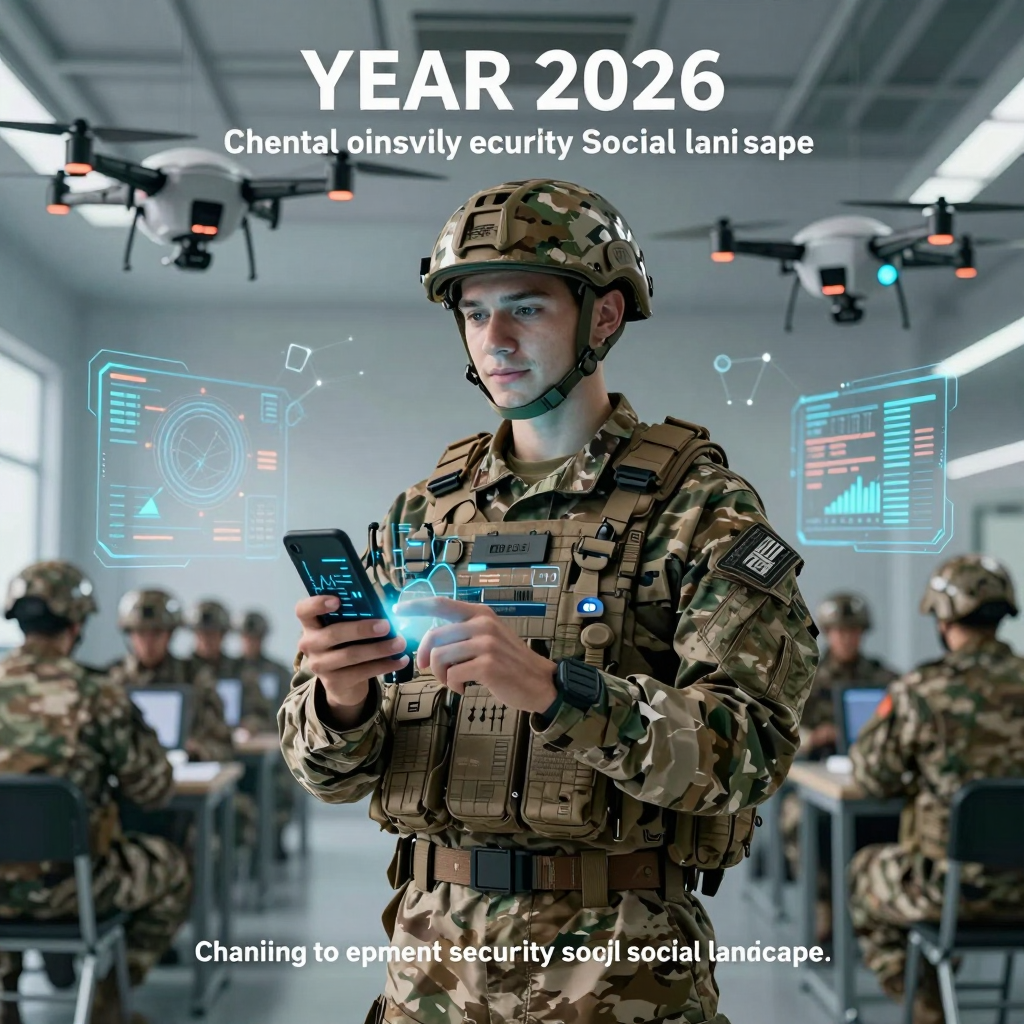
At one time, a soldier was seen as “someone who temporarily sets aside their individuality for the nation.” But in South Korea today, soldiers are no longer just simple military personnel. They have transformed into young MZ-generation workers, consumers, and learners, and this shift is quietly but powerfully shaking our society and military culture.
Soldiers: From ‘Nation’s Soldiers’ to ‘Youth Agents’
Where military discourse used to focus on discipline, obedience, and collectivity, the current keywords are rights, environment, and personal narratives. Soldiers are no longer anonymous members of a group but are increasingly recognized as individual youths with unique health conditions and future plans.
As a result, society’s questions about military service have also changed. The focus has shifted from “how long can you endure?” to “under what conditions do you serve?”
After the Pay Raise: Soldiers as ‘Economic Agents’
The pay increase has turned soldiers into agents of consumption and choice. While a higher salary has improved their quality of life, it also brings new risks.
With smartphones making financial apps, shopping, and content consumption part of everyday life, some soldiers find themselves more vulnerable to dangers like overspending, small loans, and illegal gambling. Soldier-related issues can no longer be seen as merely internal military matters but must be understood as an extension of youth finance and consumption culture.
Soldiers in the Smartphone Era: From Closed Barracks to ‘Constantly Connected Daily Life’
Today’s soldiers stay connected to society in near real-time outside training hours. This makes the military more transparent but also means that external temptations and stimuli flow directly into the barracks.
At the same time, this change brings positive aspects. More soldiers are turning military service into a period of focused learning rather than a ‘career gap’ by engaging in online courses, certifications, and language study. This is why a soldier’s day can no longer be explained merely by a ‘controlled schedule.’
Soldier Human Rights and Mental Health: Shifting from ‘Management’ to ‘Care’
Standards for military culture have also evolved. Whereas human rights were once discussed mainly around incidents and accidents, now issues such as sleep, medical access, mental health, and recovery are included in evaluating the service environment.
This shift is not just about expanding welfare but reflects a broader perspective that sees soldiers not merely as functional manpower but as individuals in need of care. The larger this perspective grows, the harder it becomes to maintain the past status quo in military life.
Today’s soldiers wear uniforms yet embody the social currents brought by the MZ generation youth. Understanding soldiers means reading how Korean society is redefining youth, labor, rights, and safety in this new era.
The Shadow of Financial Risks Hidden Behind the Soldier’s Pay Raise
It is true that soldiers feel their military life has “improved a little” as their pay goes up. However, at the same time, issues like loans and illegal gambling are surging. While higher salaries mean more choices, are there enough financial safety nets to support those choices? Today, military personnel are inevitably becoming prime targets in a new financial market.
A New Target Market Created by Soldiers’ ‘Fixed Income’
The pay raise has transformed soldiers from mere pocket money consumers into customers with a guaranteed monthly cash flow. This is where non-institutional finance and illegal platforms clearly see an opportunity.
- Predictable monthly salary: Even small but steady pay is seen by lending and payment services as a ‘safe chance of repayment.’
- Closed living environment: The more restricted outside information is, the faster risky products spread via specific communities, ads, and recommendations from acquaintances.
- Lack of financial experience in early twenties: Compressed experiences of consumption, borrowing, and investment happen in a short period, increasing the cost of trial and error.
Ultimately, wrapped in appealing terms like “for soldiers only” or “military benefits,” soldiers risk entering cycles of high-interest, short-term, repetitive loans.
Smartphones Create ‘Ultra-Low Resistance’ Paths to Loans and Gambling
Smartphone-based digital barracks offer convenience but simultaneously lower the barriers for risky financial behaviors. Actions that used to require leaving base can now be done in a few taps from the bunk bed.
- Instant microloans: Exploiting the ‘urgent need’ mindset with quick approvals and easy sign-ups.
- Constant illegal gambling: Boredom and stress during breaks or nighttime lead to repeated ‘just one quick game.’
- Normalization of overspending: Delivery, shopping, and subscription payments break spending into small portions, making the total expense feel real only after a month.
The problem is that combined with soldiers’ pay raises, this can create the illusion: “I can cover losses again with my salary.” If losses accumulate, it triggers a chain reaction affecting credit, job preparation, and social adjustment after discharge.
What Soldiers Need Is Not ‘More Money’ But ‘Risk Management’
The key now isn’t the size of the paycheck but assessing whether the risk is manageable for soldiers. Watch for these warning signs spreading rapidly:
- Rolling over loans to bridge other loans
- The addiction to “just one more time” fueled by gambling loss recovery psychology
- Borrowing future income based on repayment after discharge
While pay raises can improve soldiers’ lives, the market interprets this as a new source of profit. Now that soldiers have become economic agents, one question remains: “Will this salary become an asset that grows my life, or fuel for financial risk?”
A Soldier’s Day Transformed by Smartphones: The Bright and Dark Sides of Digital Military Life
The moment soldiers step into their barracks after training, their day instantly shifts from “offline” to “online.” The smartphone in their hands connects them simultaneously to social media, OTT platforms, games, shopping, finance, and learning, turning the barracks into a space no longer isolated from the outside world. This always-connected digital lifestyle clearly brings great benefits—but it also ushers in risks that previous generations never faced.
The Bright Side of Digital Military Life: Connection, Recovery, Growth
Restoring Relationships and Emotional Stability
Constant communication with family, loved ones, and friends alleviates feelings of isolation and expands the soldier’s psychological safety net. Smartphones transform “times to endure” into “times to manage.”Enhancing Quality of Short Breaks through Content
Watching a drama on OTT or browsing YouTube videos tailored to personal interests makes limited rest periods more satisfying. Personalized ways to “reset” fatigue in the barracks now become possible.Smartphones and AI as Learning Tools
Increasingly, soldiers use online courses, language apps, certification classes, and AI-powered tools for summarizing, memorizing, and planning. This shifts the perception of military service from a career gap to an intensive learning period.Shared Experiences and Narrowing Information Gaps
User-generated content—covering barracks life tips, self-development advice, and reviews on PX and supplies—lowers pre-enlistment anxiety and reduces trial-and-error during service.
The Shadows of the Smartphone Era in the Military: Everyday Risks of Finance, Gambling, and Overconsumption
The more convenient smartphones become, the closer danger lurks—just “one app away.” Especially with recent pay raises making soldiers independent economic actors, the darker side of digital barracks life has become more pronounced.
Easy Access to High-Interest Loans and Small Borrowings
Phrases like “3-minute approval when in a pinch” become temptations within the isolated military environment. Temporary cash shortages turning into habitual borrowing can leave burdens lingering even after discharge.Rapid Infiltration of Illegal Gambling and Chance-Based Spending
Sports betting, illicit sites, and addictive in-game purchases sneak into “spare moments” amid routine smartphone use. Small curiosities escalate swiftly into debt and addiction.Comparison Stress and Consumer Pressure Fueled by SNS
Society moves in real-time, but others’ lives appear filtered and polished. The more connected soldiers are externally, the more frequently they face emotional drain through relative deprivation, worries about looks, romance, and employment.
How to Maximize Benefits in Digital Military Life
Digital technology can make soldiers stronger or more vulnerable. The key is not blockades but design. In the barracks, smartphones can be tools for rest and learning but also shortcuts to borrowing, gambling, and overspending. Ultimately, success in a digital military environment hinges not on “how long” you use it but what defaults you choose when you use it.
Soldiers' Human Rights and Mental Health: The Military Evolves from ‘Control’ to ‘Care’
At one time, the core keywords of soldiers' human rights were harsh treatment, physical abuse, and accidents. However, the focus of discussion has undeniably shifted. The perspective that viewed soldiers merely as a group to be controlled and managed is being replaced by a growing trend to see them as subjects of care who need physical and mental restoration. The military has now entered an era that demands a welfare system that saves lives, moving beyond merely a system to reduce incidents.
Shifting the Frame of Soldiers' Human Rights: From ‘Post-Incident’ Responses to Everyday Welfare
Recent debates about military life no longer judge the military solely by the presence or absence of extreme incidents. Instead, everyday conditions such as sleep, diet, access to medical care, rest, and counseling are being recognized as human rights standards.
This shift is not simply about “being kind,” but reflects the practical reality that for soldiers living long-term in a closed environment, health is combat power, and safety is a human right.
The Reality of Soldiers’ Mental Health: Pain is Not an ‘Exception’ but the ‘Face of a Comrade’
Some reports describe scenes like a hospital filled with sick soldiers and narratives of wounded soldiers who have lost both legs yet still speak of hope. These stories are powerful because they elevate soldiers’ suffering beyond mere statistics or incidents to issues of recovery and dignity.
Mental health in the military is no longer a problem to be solved by individual will alone. Stress, anxiety, depression, and trauma can affect anyone, and what is needed is not “be stronger,” but rather a support system that detects and connects early.
The Next Step in Soldier Care: ‘Integrated Health Management’ and Care Continuing Beyond Discharge
For military welfare to evolve, the core requirement is continuity. During service, the military must further integrate medical systems and counseling resources and enhance cooperation with civilian healthcare when necessary. The more crucial challenge lies after discharge. Because injury rehabilitation, post-traumatic stress, and adjustment issues do not end upon leaving the military, soldiers need Post-service Care that continues beyond their discharge.
Ultimately, military ‘care’ must become a modern human rights infrastructure that helps soldiers serve safely and reintegrate into society—not a special favor, but a fundamental right.
Redefining the Role of Soldiers: How AI, Drones, and the International Security Landscape Are Transforming the Battlefield
With North Korean troops being deployed abroad and unmanned drones alongside AI autonomous combat systems reshaping the battlefield, we are entering a new era. This shift not only shatters the notion that "war is far away" but also redefines the mission and identity of Korean soldiers. Soldiers are no longer merely “troops” but become key components of combat systems operating within technology, information, and coalition environments.
Overseas Deployments Bring New Questions: Are Soldiers Confined Within National Borders?
Reports that the U.S. government has confirmed North Korean soldiers’ deployment to the Russian front reveal that soldiers can serve not only national defense but also as combat personnel in foreign wars. From Korea’s perspective, separate from direct discussions about troop deployments, this signals a transformation of the security environment from a “fixed battlefield” to an expanded and interconnected battlefield.
Consequently, the skills demanded of soldiers are changing. Faster situation awareness, adherence to more complex rules of engagement and international norms, and tighter information security become core competencies.
Soldiers in the Age of AI and Drones: From ‘Shooters’ to ‘Operators and Integrators’
As unmanned drones and AI autonomous flight/mission software become widespread, machines will perform part of the combat, shifting soldiers’ roles to operating, supervising, and integrating these systems. There are three key changes:
- Soldiers as Operators: It’s no longer just about launching drones; soldiers must understand and make decisions based on mission planning, flight data, sensor information, and communication systems.
- Human-Machine Collaboration: Soldiers don’t blindly follow AI-recommended targets, routes, or threat analyses—they hold the ultimate responsibility and make final judgments.
- Electronic and Cyber Threat Countermeasures: Drones can fall prey to hacking and jamming before bullets. Soldiers’ fundamental skills now include communication security, equipment checks, and data management.
In short, soldiers are evolving from “enduring bodies” to “system managers.” As battlefield technology advances, individual roles become not lighter but more sophisticated.
Technology Reshapes Identity: Soldiers Expanding into ‘Young Technical Talent’
When AI and drones become the basic language of the battlefield, soldiers’ experiences start resembling technical job experience rather than isolated military service. Fields like drone operation, reconnaissance data processing, situational sharing systems, and equipment maintenance connect directly to the civilian tech ecosystem after discharge.
However, challenges arise. Because technical units’ expertise cannot be left to “individual adaptation,” the military must enhance standardized education, certification, and training systems for soldiers.
What to Watch Going Forward: The Future of Soldiers Is Determined by ‘Design,’ Not Just ‘Equipment’
Introducing AI and unmanned systems isn’t only about buying new gear. Combat effectiveness and military culture will depend on how the soldier’s role is designed.
- What tasks are assigned to soldiers, and what is automated?
- How far does soldiers’ responsibility and control over decisions extend?
- With growing technical duties, how will education, compensation, and career pathways be structured?
As the international security environment shifts and warfare technology rapidly evolves, the future of soldiers will be shaped not by creating “stronger soldiers” but by designing soldiers capable of performing new, complex roles.
Comments
Post a Comment