 \n
\n
Tragedy at Dawn: The Final Moments of Busker Glen Hansard
The dawn on the outskirts of Dublin was quiet, but that silence did not last long. In the early hours of July 29, Irish singer-songwriter Glen Hansard passed away following a solo motorcycle accident near Lucan, on the outskirts of Dublin, around the Strawberry Beds area. He was 56 years old. The news could be summed up in a single line, yet that line has sent shockwaves through the hearts of music fans worldwide.
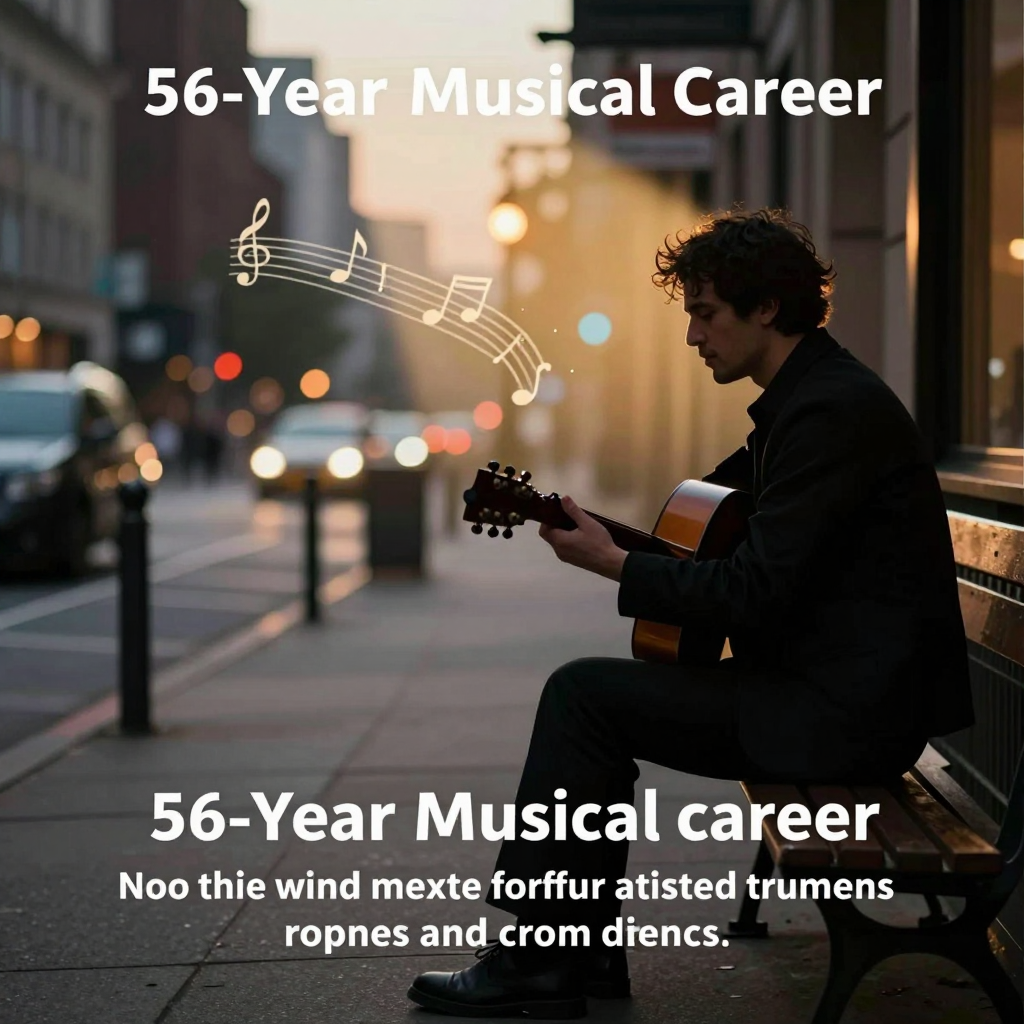
Why is this? Because the stage he once stood on was not one of dazzling lights, but the cold air of the streets, and his career was defined less as "a star destined for fame" and more as "a man who persevered while singing." The story of him leaving school at 13 and starting his music journey busking in the streets of Dublin is not just a simple anecdote—it was the starting point that explained his identity. The hours spent on the streets soon led to The Frames and further to the film Once and the song “Falling Slowly,” which touched the emotions of audiences around the globe.
The American media reporting this sad news nails this point precisely. While remembering him as the "Oscar-winning singer-songwriter" thanks to Once and “Falling Slowly,” they repeatedly highlight the narrative of his journey from busker to stages, film, and Broadway. In the end, as people bid farewell to one musician, they also mourn the possibility he embodied—the undeniable truth that even the smallest voice can move the world.
The facts left behind are heavy as well. Reports say he leaves behind a three-year-old son. As with any music, tragedy ultimately returns us to the human life behind the art. This heartbreak reaches us not through charts or awards, but first as a family’s loss. The coldness of this dawn’s news ring especially chilling because, just like his music always did, it began from “the lowest places of life” and carried a quiet yet unmistakable power to lift people up.
From Glen Hansard’s Streets to the Oscars: The Journey of an Artist
There was a man who, having overcome a childhood stained with alcohol and violence, stepped from the busking streets of Dublin onto the world’s grandest stages. When Glen Hansard’s name comes to mind, many immediately think of the film Once and the song “Falling Slowly,” but the success of that one song was no accident—it was the result of years of time spent on old streets.
A Voice Shaped by Dublin’s Alleys: School of Busking
Raised in a working-class family in Ballymun, a suburb of Dublin, he endured a difficult childhood shadowed by his father’s alcoholism and violent behavior. Yet music was not an escape but a way to survive. At thirteen, he dropped out of school and took to the streets of Dublin to busk, honing his music over about five years—not as a ‘skill’ but as a ‘language.’
A demo tape from this period eventually reached Island Records, pushing the street music closer to the doors of the music industry.
Glen Hansard and The Frames: Proving the Story Through a Band
Around 1990, he formed the Irish rock band The Frames as lead singer, transforming his background as a busker from a mere “story” into “talent.” In 1992, their debut album Another Love Song was released under Island Records, establishing their presence in the UK and Irish indie rock scenes. Many albums that followed secured top spots on the Irish album charts, building consistent success for the band.
Hansard’s strength during this time was clear: a raw, emotionally scraped tone paired with literary songwriting—vocals that never lost the ‘authentic street sound’ even as the stages grew larger.
Once and “Falling Slowly”: How a Street Song Became a Global Standard
The turning point came in 2007 with the film Once. Hansard played a nameless “busker,” a character closely mirroring his own life. At the heart of it all was “Falling Slowly.”
In 2008, alongside Markéta Irglová, he won the Academy Award for Best Original Song with this piece, bringing the narrative of “from the street to the Oscars” to life. Since then, this song has been embraced as an indie-folk standard through countless covers and performances. As Once expanded into a Broadway musical, Hansard’s music proved it could thrive not just in cinemas but also on the theatrical stage.
A Journey Captured in One Sentence
Glen Hansard’s story isn’t a myth of innate talent but a testament to how the humblest stage—busking—can become a language understood worldwide. The song that began on Dublin’s streets traveled through his band The Frames, reached the symbolic pinnacle of Once and the Oscars, and throughout it all, forged his music into something stronger.
Glen Hansard: ‘Once,’ Indie Musical, and His Legend in America
How did a low-budget music film transform into a Broadway musical phenomenon? The answer lies in Once convincing American audiences anew that songs can drive the narrative beyond just “a movie.” At the heart of this transformation was Glen Hansard’s voice and one timeless song—“Falling Slowly.”
Glen Hansard and Once: Translating the Busker’s Reality onto the Screen
Once (2007) captivates not with flashy gimmicks, but with the atmosphere of the streets and the texture of live performance. Hansard plays the film’s “nameless busker,” a character closely mirroring his own real-life experience busking in Dublin. This is precisely why American media frequently sum up his journey as “from busker to Oscar winner.”
What made the film deeply resonate in the U.S. was clear: audiences don’t just “watch” the story, but “hear” moments where the music authentically proves the emotion. Here, music spoke truth before the dialogue ever did.
Glen Hansard’s “Falling Slowly”: Becoming an Icon of American Indie Folk
“Falling Slowly” earned its unique status in America not merely because of its Oscar win. This song embodies the core language of indie folk — simple chord progressions, breath-caught vocals, and honest lyrics chronicling fractured relationships — all at once.
Consequently, it became less a fleeting radio hit and more a long-lived success in the U.S., covered repeatedly and firmly established as a standard repertoire in live performances. Even as the story transitioned from film to Broadway, the song stayed at the core, anchoring the piece’s identity.
Glen Hansard and Broadway’s Once: Why the Low-Budget Aesthetic Became a Commercial Model
The journey of Once from a film into a long-running Broadway musical was not just about expanding an intellectual property—it was an export of form. By replacing large orchestras with a band setup, and grandiose show numbers with actors playing instruments themselves, it signaled that a “pop/rock-based small-scale musical” could succeed commercially.
In other words, Once proved that a “small story” doesn’t need grand packaging to draw theatergoers in, and Hansard’s songs acted as the driving engine of that structure.
Glen Hansard’s American Narrative: The Busker’s Song that Moved Carnegie Hall
One frequently cited moment in American media that captures his impact is his performance at Carnegie Hall. It symbolizes a street-honed voice ascending to New York’s iconic concert stage—a quintessentially American narrative moment.
However, the “hidden secret” lies elsewhere. Hansard’s songs resonated there not because of scale, but density. Instead of spectacle, there was amplitude; instead of technical prowess, there was warmth. Audiences found themselves moved not by grand setups but by the rich texture of a life lived one song at a time. That is why he remains remembered not just as a character in a film, but ultimately as a “musician first.”
Glen Hansard: Music, Humanity, and His Multilayered Identity
What truths lie behind the label ‘musician first’? The stronger the image imprinted by the film Once and the song “Falling Slowly,” the more we tend to remember a person’s life by just one scene. Yet, when we read the tributes from various American media together, Glen Hansard emerges as a multi-layered artist who cannot be reduced to a single line of introduction.
Different Lenses on Glen Hansard: Billboard vs. Rolling Stone vs. EW
Billboard’s Glen Hansard: The Narrative of ‘From the Streets to the Oscars’
Billboard calls him an “Oscar-Winning Singer,” putting the spotlight on Once, The Frames, and his story of quitting school at 13 to start busking. Here, Hansard is the hero of a ‘rags-to-riches’ success story. Passionate vocals, literary songwriting, from the streets to the stage—these clear-cut keywords summarize his identity.Rolling Stone’s Glen Hansard: A Man Too Complex for One Genre
Conversely, Rolling Stone lists Hansard as “rock star, busker, and poet,” highlighting his many faces. The core of this perspective is simple: the ‘melancholic busker’ image crafted by Once isn’t all there is to him. His music embraces darker, more complex themes and even on symbolic stages like Carnegie Hall, he has expanded without losing his street sensibility.EW’s Glen Hansard: An Artist Read Through the Warmth of Relationships and Life
Entertainment Weekly places as much emphasis on family and relationships as on his musical career. Through his long collaboration and personal story with Markéta Irglová, EW restores Hansard not as mere ‘content’ but as a ‘person.’ The same achievements sound different depending on who’s speaking; EW makes us remember him not as the sum of his career, but as an artist whose essence lingers in the texture of life itself.
Where Does Glen Hansard’s ‘Multilayeredness’ Stem From?
One common thread runs through all these perspectives. Hansard existed first and foremost as a ‘singing person’ rather than any specific title (actor, star, Oscar winner). His busking experience in Dublin wasn’t just a feel-good anecdote but the very fabric of his creative process. Songs polished through immediate audience feedback on small stages enabled the realism of Once and survived evolving forms through The Frames, The Swell Season, and his solo work.
Ultimately, ‘musician first’ isn’t just a label—it’s the most accurate coordinate for understanding Glen Hansard. What he left behind isn’t just one famous song, but a way of life that crosses genres and media yet always returns to singing.
Songs Left Behind by Glen Hansard, and Their Meaning for Us
On Christmas Eve, the busking echoing through the streets of Dublin was far more than just a “year-end performance.” Glen Hansard transforms public urban spaces into intimate venues every year, consistently raising funds to help the homeless right there on the spot. In the moment when music most directly saves lives—he knew how to turn the star’s reputation into the “warmth of community.”
When Street Songs Become a Community
What made his melodies special was that the heartfelt message connected not to grand slogans but to action. The Christmas Eve busking wasn’t a “one-time event” but an annual promise reminding the city how to care for one another. The audience became participants, not consumers, and the square turned into a concert hall, a donation box, and a meeting place all at once. Here, music was not background noise but a social language that moved people in the same direction.
Changing the Indie Musical Sensibility: ‘Small, Realistic Stories’
When talking about Hansard’s legacy, Once cannot be overlooked. Instead of flashy sets or exaggerated drama, Once showcased how songs propel characters’ lives forward, revolutionizing the grammar of indie musicals. The format—musicians starring themselves and songs driving the narrative—left a lasting mark on music films and stage work, laying the foundation where today’s small-scale, authentic musicals gain their persuasive power.
Ongoing Inspiration in the Folk Scene
His music borrows folk’s sensibility but refuses to end with neat consolation. It carries the breath of those who’ve weathered hardship, the emotion of striving to rise again, and compassion toward others. That’s why his songs serve as “a voice that acknowledges reality” rather than simply “comfort” for many. Even now, countless singer-songwriters learn from him not a specific chord progression but an attitude toward how songs can connect life and community.
The Meaning Left Behind: Music That Makes Us Better People
Ultimately, the way we remember him comes together in one idea: songs are more than tools to express emotion—they hold the power to lead people toward betterment. From the streets on Christmas Eve, fundraising for the homeless, new currents in indie musicals, to the enduring resonance in the folk scene—what Glen Hansard left behind was not just hit songs but a whole new way for music to engage with the world.
Comments
Post a Comment