 \n
\n
Jeon Won-ju: Beyond the ‘Comedy Grandma’ to a Senior Icon
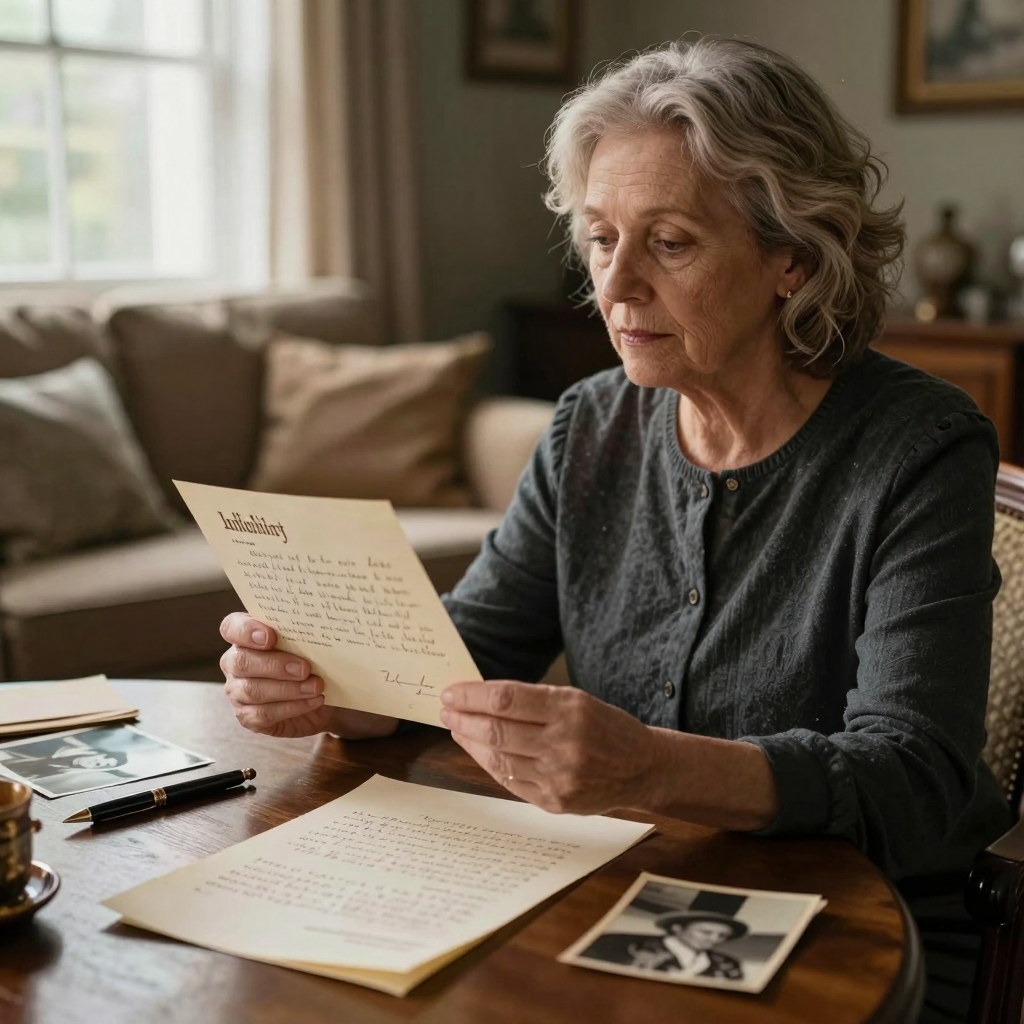
Jeon Won-ju was once familiar to audiences as the sharp-tongued “strong auntie” in dramas and variety shows, or the laughter-bringing “comedy grandma.” But one day, she unveiled a letter about her husband’s affair and a will she wrote before hip surgery on YouTube. These stories go far beyond lighthearted talk. So, is this reveal merely a simple exposé—or rather, a deliberate way for Jeon Won-ju to share an important message?
What makes Jeon Won-ju’s recent actions so striking is that she tackles subjects usually hidden or sugar-coated—such as marriage, sex, death, and family—through her own firsthand narrative: “I lived through it.” In the letter about infidelity, she chose to write because she “didn’t want to argue.” Instead of exploding with emotion, she opted for processing the relationship through writing and setting her own boundaries. This reflects a realistic view of marriage that separates “physical desires” from “emotional connection and respect.”
On the other hand, the will’s disclosure resonates from an entirely different angle. The fear she felt when told “no one can predict the outcome” before surgery, the confession of writing the will crying in the ICU, and the heartfelt words directed at her family. Jeon Won-ju doesn’t exploit death sensationally; instead, she shows the anxieties of old age and the emotions of family as they truly are. She brings the taboo of “death” into content, centering not fear but a language of love and closure.
Ultimately, Jeon Won-ju’s transformation is not merely an image makeover, but an expansion of narrative. The depth of life hidden behind the comedic persona, and her willingness to openly share it herself. The reason people look at Jeon Won-ju anew today is not just because she is a trending figure, but because she is becoming a senior icon who voices the lives of aging women from their own perspective.
Jeon Won-joo’s Husband’s Affair Letter: The Evolution of a Marriage View Separating Body and Heart
“I understand physical desires, but please leave your heart with me.”
The ‘affair letter’ Jeon Won-joo revealed on YouTube was not a sensational exposure but rather a record showing how she had organized desire, respect, and priorities within a marriage.
Her described situation was simple. On the day she heard from a friend about her husband’s affair, she recalls writing a letter because “I thought we might fight if he came home that evening.” The key point wasn’t a sense of numbness but choosing writing over fighting. Instead of an emotional outburst, she calmly expressed herself in words—a choice that clearly set her boundaries without breaking the relationship.
The Core of Jeon Won-joo’s Letter: Emphasizing ‘Respect’ Over ‘Fidelity’
The tone at the letter’s end is unmistakable:
- She acknowledges physical betrayal as a human desire,
- But asks to keep the emotional space (heart) and control of the relationship (respect) for herself.
Translated into today’s language, this isn’t about “tolerating whatever the other does,” but precisely identifying “where the safety of a relationship breaks down.” In other words, Jeon Won-joo’s letter is not a confession that glorifies infidelity but a message redefining the conditions of marriage as an ‘emotional contract’ rather than a ‘norm.’
Why Did So Many People Find It ‘Cool’?
Considering Jeon Won-joo’s public image as a strong character, there are three main reasons this response was so large:
Courage to Face Reality
She didn’t just sweep it under the rug as if it never happened but acknowledged what truly occurred within the relationship. This recognition actually reduces excessive emotion and clarifies judgment.Presenting Conditions Instead of Resentment
Rather than tearing down the other, she proposed minimal rules (heart and respect) necessary to maintain the relationship. So this letter aims for ‘consent’ rather than ‘revenge.’Speaking about Sex and Marriage in the Language of Her Generation
For older generations, sex was often a hidden or denied topic. Yet, Jeon Won-joo addressed it head-on, while shifting the relationship’s focus to ‘emotional connection.’ This gap creates both freshness and empathy.
Ultimately, Jeon Won-joo’s husband affair letter is not just one woman’s personal story but a text that makes us rethink what sustains a marriage. The sentence separating body and heart remains, not cold, but as an expression of self-respect fought to be preserved without ending the relationship.
Jeon Won-ju's Last Will Before Hip Surgery: A Candid Confession About Death in Old Age and Family
How immense must the fear have been to compel her to write a will? Facing hip surgery, Jeon Won-ju revealed that after hearing the medical team say “We don’t know what will happen,” she wrote her will in the intensive care unit before entering the operating room. Her words, “I ended up writing it while in pain. I was crying as I wrote,” instantly convey how suddenly death can become real, breaking a person down and making their emotions unbearably urgent.
What makes this moment extraordinary is that she transformed death into a language of confession. Wills are usually private records reserved for family, yet Jeon Won-ju took hers out and read it in front of the camera. Not for sensationalism, but because she did not hide the emotions left after the fear had passed—love, regret, and the haunting question, “What if this is where it ends for me?” The very first line of her will, starting with “To the ones I have loved my whole life…,” lets us know this was not about property or tidying up, but rather a final farewell to relationships.
Especially poignant is her admission that while writing the will, “I thought most about my son.” This confession touches on a familiar yet piercing truth in Korean family culture: a parent’s deepest final concern often centers on their children, with some individuals—sons, daughters, spouses—standing out more heavily in the heart. The scene in the video where even her daughter-in-law sheds tears transforms the will from a personal document into an emotional moment for the entire family.
The reason Jeon Won-ju’s portrayal of death resonates is simple. She does not package death as a distant tragedy, but draws it close as a fear and preparation anyone might face before surgery. The will is not a taboo word but a realistic question lingering in all of us: “Maybe I should write one someday, too.” And at the end of that question lies the ultimate reflection—not whether we have lived well but whether we have loved well.
Jeon Won-ju’s Appearances at Political Rallies and the Controversy Over Alignments: The Survival and Exposure Strategy of a ‘Senior Star’
From Democratic Party campaigns to conservative gatherings, Jeon Won-ju has appeared on diverse political stages. This instantly raises the question, “What is her political stance?” However, taking a step back, her actions read less as a declaration of ideology and more as a survival strategy for an elderly entertainer to avoid missing out on any stage (places where people gather).
The Logic of ‘Being Invited’ Over ‘Political Consistency’
Political events are prime offline stages that capture the public’s attention. While they serve as platforms to support someone, they also quickly reveal “what people are passionate about now.” Jeon Won-ju’s presence in different camps inevitably clashes with expectations of a clear political narrative, sparking controversy.
The reason such choices are repeated is fairly simple:
- Maintaining relevance: A signal of “I’m still someone worth inviting.”
- The economics of exposure: Standing on stage triggers simultaneous media coverage, conversations, and reappearances.
- The politics of relationships: Networks built on ‘people’ and ‘invitations’ likely outweigh specific ideological ties.
In other words, what may look like wavering in political terms can be interpreted, through the lens of the entertainment industry, as a deliberate strategy to keep appearing on stage.
In an Era of Political Polarization, Simply ‘Appearing’ Sends a Message
Today’s Korean political communities tend to immediately label individuals as either "one of us" or "the opposition." In this climate, just being present at a certain event is over-interpreted. When a well-known figure like Jeon Won-ju shows up, it easily ignites ownership debates within political camps.
- One side embraces her as “an actor supporting our event,”
- While the other crafts a betrayal narrative with “Why did she go over there too?”
The key here is that the controversy stems not from what is said, but from the event of her appearance itself. Jeon Won-ju has become a figure interpreted more through her presence than through her words.
Conclusion: Seeing Her Not as ‘Political Participation’ but as a ‘Return to the Stage’
If Jeon Won-ju’s recent moves are judged solely as right or wrong political beliefs, all that remains is conflict. On the other hand, understanding them as a way for a senior star to secure exposure and prove ongoing relevance offers a more convincing perspective. Sharing private stories on YouTube and standing in front of people offline, instantly turning into news again—ultimately, Jeon Won-ju is currently renewing her method of ‘staying visible’ on her own terms.
The Intersection of Generations and Culture Reflected in the Jeon Won-ju Phenomenon
The four keywords—‘letters, wills, rallies, and house cleaning’—reveal more than simple daily routines. They represent the emotions of the era, the rules of relationships, and survival strategies expressed in the language of the elderly generation. The recent buzz surrounding Jeon Won-ju ultimately leads to the pressing question: "What kind of change are we witnessing now?"
Jeon Won-ju’s ‘Letter’: The Changing Emotional Rules Around Marriage
Instead of exploding with anger over infidelity, the memory of writing a letter to avoid conflict itself sends a powerful message about how relationships are handled. Crucially, it’s not about the scandal, but about the mature language that separates desire (physical) from respect (emotional) resonating anew with the public. This attitude toward marriage—not as a ‘correct answer’ but as a ‘realistic agreement’—strangely intersects with younger generations’ calls for emotional safety.
Jeon Won-ju’s ‘Will’: Unveiling Death Creates Empathy
Writing a will before hip surgery and reading it in front of the camera is not sensationalism but a moment where the anxieties of old age and family emotions move into public discourse. Medical risks no longer remain personal fears but spark the viewer’s silent question: "Should I prepare too?" Notably, the words left to family don’t just signify an end but function as a language that tends to the relationships left behind.
Jeon Won-ju’s ‘Rally’: The Grammar of Exposure and Survival Over Political Consistency
Her appearances at both campaign sites and conservative rallies naturally fuel controversy in a fandom-driven political landscape. Yet, this reveals another reality chosen by elderly entertainers. Rather than strong political activism, these are better understood as survival routes marked by invitations, relationships, and stages to go to. At this juncture, Jeon Won-ju shows a ‘language of active presence’ over ‘camp language,’ splitting public interpretation sharply.
Jeon Won-ju’s ‘House Cleaning’: The Bedroom Drawer Becomes a Platform for Generational Narratives
House cleaning is not mere tidying but a way memories burst forth. Letters and wills found in the bedroom gain strong reactions because these objects are tangible archives proving “that time and era.” Family and marital histories, once only spoken of, become vividly present through these items on screen, turning the process itself into content. Ultimately, house cleaning is not cleaning but a device through which an individual’s time expands into social stories.
What the Jeon Won-ju Phenomenon Reveals: ‘Senior Candor’ Is Changing Popular Narratives
When combined, these four keywords point to a clear conclusion. Jeon Won-ju no longer remains a single image of a ‘funny grandmother’ but moves into the role of a senior storyteller who speaks openly about marriage, sex, death, family, and political stages. The change we are witnessing is simple yet profound:
Old age is no longer a generation quietly stepping aside but one that edits and distributes its own narrative. And their candidness has ironically begun to hold the most powerful sway with today’s audience.
Comments
Post a Comment