 \n
\n
Brighton vs Liverpool: Brighton Claims Dramatic Victory Over Liverpool!
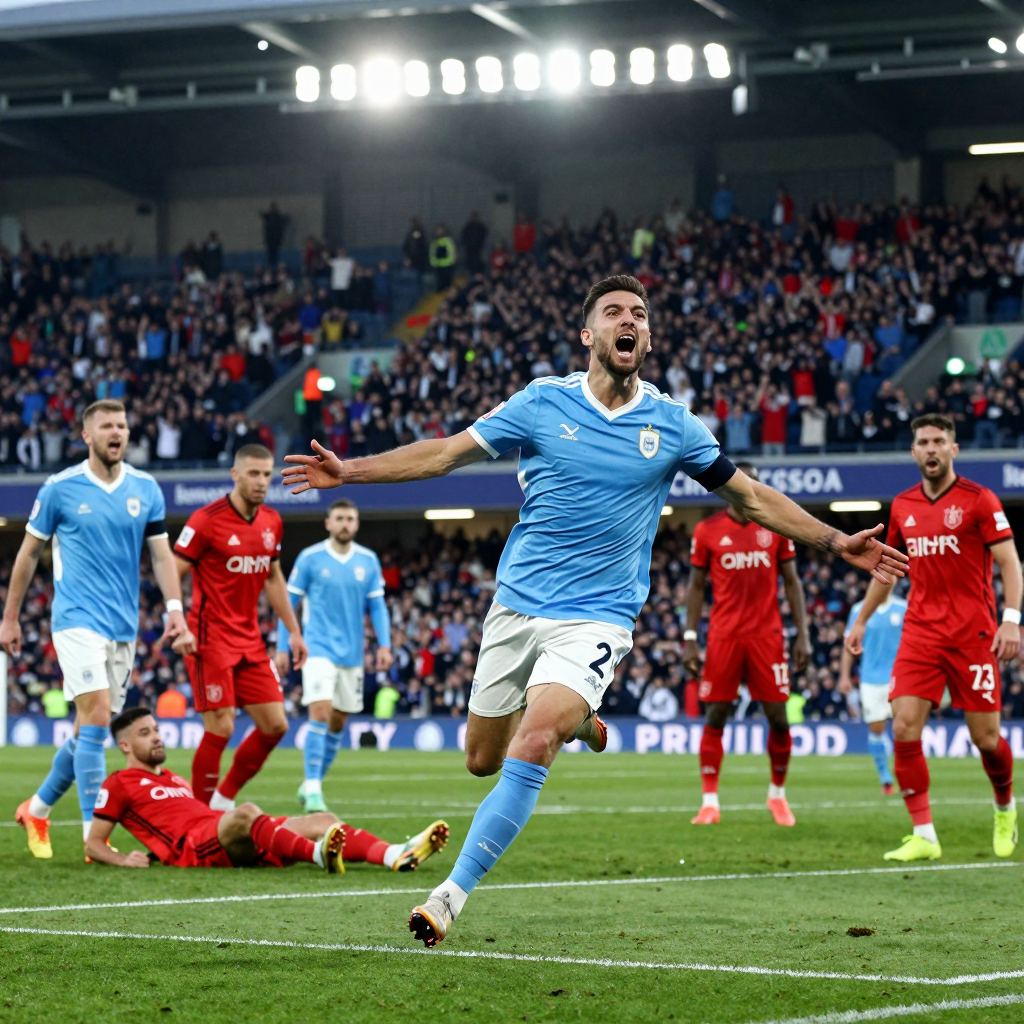
Brighton shook up the Premier League 31st round by stunning Liverpool 2-1. What moments made this incredible turnaround possible? The answer lies in a rapid opening goal, clinical finishing in the second half, and injury setbacks that hit Liverpool hard.
The thrilling Brighton vs Liverpool clash took place on March 21, 2026, at Brighton’s Amex Stadium, where Brighton set the pace early and seized control. At the 14th minute, Welbeck’s opening goal instantly swung momentum in favor of the home team. As Liverpool pushed up to catch up, Brighton relentlessly exploited the spaces, keeping the pressure high.
The defining moment arrived in the second half. Welbeck scored his second goal at the 56th minute, breaking down Liverpool’s defense once again and showcasing Brighton’s ruthless precision in front of goal despite limited chances. Liverpool managed to pull one back, but time ran out for a full comeback.
Adding to Liverpool’s troubles were key absences. The sidelining of Salah and Alisson weakened their strength, and especially devastating was the injury to forward Hugo Ekitike, who had to be substituted just 8 minutes into the match, unsettling Liverpool’s tactical plan. Brighton capitalized on the opportunity, intensifying their pressing and transitions to deepen Liverpool’s cracks.
What’s fascinating is that Liverpool historically held the upper hand in their rivalry (12 wins in 19 matches since 2011). Yet, this Brighton vs Liverpool showdown proved that “the flow of the day matters more than records,” leaving an unforgettable match in the books.
Brighton vs Liverpool: Welbeck’s Performance Unleashes a Goal Storm
At the 14th minute in the first half and the 56th minute in the second, Welbeck’s two finishes were more than just goals—they served as a signal for Brighton’s attacking line to “step up the pace from now on.” The flow of the Brighton vs Liverpool match distinctly shifted around these two moments.
The first goal at the 14th minute saw Brighton aggressively pushing forward near the box from the start, shaking Liverpool’s defensive line without hesitation. When Welbeck sealed that effort, the energy from the home crowd spread throughout the pitch, allowing Brighton to elevate their attacking tempo to the next level. More than the goal itself, it was the “control” established by the opening score that was crucial.
The second goal in the 56th minute was even more decisive. With Liverpool threatening to restore balance by pulling one back, Welbeck’s additional strike firmly swung the momentum back to Brighton. Coming at a moment when the match could have wavered, this goal disrupted Liverpool’s chase rhythm and gave Brighton a more stable range of tactical options moving forward.
Ultimately, Welbeck’s two goals carried a meaning beyond the scoreboard. They acted as the ignition that unleashed Brighton’s attack and, capitalizing on Liverpool’s fragile lineup due to injury troubles, delivered the decisive edge that sealed the contest.
Brighton vs Liverpool: Liverpool Shaken by Consecutive Injuries to Key Players
When Mohamed Salah and Alisson were already sidelined by injuries, and Hugo Ekitiké was forced off with an injury just 8 minutes into the game, where exactly does a team begin to fall apart? The recent Brighton vs Liverpool match unfolded that very question right on the pitch.
Salah’s absence wasn’t simply the loss of a single goal scorer; it meant the disappearance of the cornerstone of their attacking build-up. With opposing defenders no longer drawn to Salah, the spaces that used to open up vanished, drastically reducing Liverpool’s options for breakthroughs and finishing moves down the flanks. On top of that, Alisson’s absence made it difficult for the defensive line to push forward confidently, naturally slowing down the entire team’s pace and press intensity.
The knockout blow came with Ekitiké’s early substitution. The first 8 minutes is a critical window before tactical rhythms solidify, and when a frontline option changes forcibly at that stage, it disrupts everything — the timing of high pressing, the target for long balls, and the structure of second-ball battles all crumble simultaneously. Ultimately, Liverpool lost the rhythm of their attack and were dragged into a ‘desperate game’ dictated by Brighton’s tempo.
In short, this defeat was not the result of a single moment but an accumulated fracture caused by the chain reaction of losing key players. With Brighton capitalizing on that gap, Liverpool’s injury woes inflicted a blow far greater than the 2-1 scoreline suggests.
Brighton vs Liverpool: A Challenge That Overturned Historical Records
In 19 previous encounters, Liverpool overwhelmingly dominated with 12 wins, but that dynamic clearly shifted in this match. While there was always a psychological edge rooted in “past records,” Brighton treated those statistics merely as background information and wrote a new story at the Amex Stadium.
The secret behind Brighton's historic breakthrough wasn’t a spectacular single moment but the uninterrupted ‘continuity’ in controlling the flow of the game. They shook things up early with Welbeck’s opener in the 14th minute, then raised the intensity further before Liverpool could regroup with Cucurella’s second goal at the 30-minute mark. Brighton erased the familiar narrative that “Liverpool will inevitably catch up” first.
Brighton didn’t settle for just defending their lead in the second half. Welbeck struck again in the 56th minute (scoring a brace), decisively tipping the balance, and despite Liverpool pulling one back, Brighton maintained masterful control of the game’s momentum to secure a 2-1 victory. Ultimately, this Brighton vs Liverpool clash proved most convincingly—through goals and game rhythm—that past records don’t guarantee dominance.
Another twist came from Liverpool’s injury setbacks. With Salah and Alisson absent, and Ekpitike subbed off just eight minutes into the game due to injury, Liverpool’s plans faltered. Seizing the moment, Brighton accelerated from the outset, locking the match into their rhythm. This challenge beyond the records was sealed by Brighton’s unwavering execution—the readiness to act decisively when opportunity strikes.
The Meaning of Victory and Future Prospects: Brighton vs. Liverpool
The recent 2-1 victory of Brighton over Liverpool is far from a mere ‘upset’; it stands as a declaration that Brighton can shake up the competitive landscape in the closing stages of the season. Considering Liverpool’s recent dominance in their head-to-head matchups, this result significantly boosts Brighton’s confidence while also raising the alertness of rival teams in upcoming rounds.
For Brighton, Danny Welbeck’s multi-goal performance is particularly significant. Scoring at critical moments signals that the team’s tactics are solidifying and they are advancing into a phase of ‘game management that knows how to win.’ Securing points at their home ground, the Amex Stadium, also provides a psychological anchor for the remaining fixtures.
On the other hand, Liverpool faces a bigger challenge than just the defeat itself: the accumulating injury crisis. The absences of Salah and Alisson left key pillars missing, and with Ekitike forced off early in the game, their Plan A collapsed. Such matches cannot be sustained by ‘organizational strength’ alone. However, Liverpool’s reputation as a strong team comes from their resilience in crisis. If the return of key players aligns with the form of substitute options, there is ample room to reverse momentum within a short period.
When looking at the Premier League outlook, this outcome sends ripples through both the top tier and the upper mid-table. Brighton’s point gain simplifies their calculations in the target zone (European competition spots or top-tier chase), while Liverpool faces a visibly increased ‘risk of point loss’ in the remaining games if injuries are not managed effectively. Ultimately, the key viewing points become clear: Can Brighton extend this momentum into a winning streak? And can Liverpool minimize the impact of injuries and regain their rhythm? These two questions will serve as the decisive variables shaping the final phase of the season.
Comments
Post a Comment