A Father's Tears Raising His Daughter Alone: The Story of Overcoming Loss to Achieve Two University Entrance Exam Victories
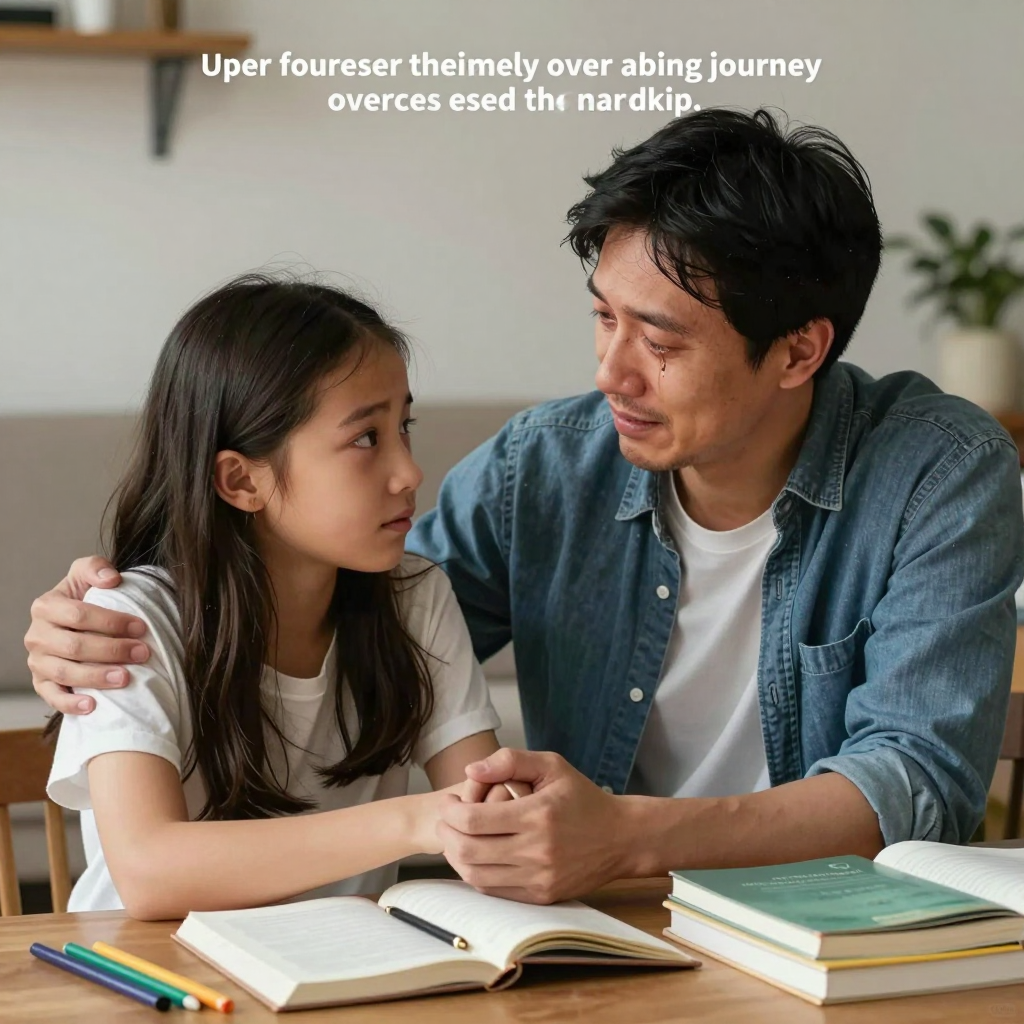 \n
\n
Kim Sung-soo: The Beginning of a Father’s Love Raising His Daughter Alone
Kim Sung-soo of the group Cool went through an unexpected turning point in his life before becoming synonymous with the term “solo parenting.” Once living an ordinary family life, fate led him in a completely different direction.
Kim Sung-soo married in 2004 and had a daughter, but experienced divorce in 2010. After the divorce, his ex-wife took on the responsibility of raising their daughter. However, in 2012, tragedy struck when his ex-wife passed away unexpectedly, turning the situation upside down. From that moment on, Kim Sung-soo alone had to bear the full responsibility for his daughter’s daily life and emotional well-being.
Raising a child alone means far more than just managing day-to-day life. It means sharing the child’s sorrow, loss, and enduring the challenges of life ahead together. Faced with this sudden reality, Kim Sung-soo chose not to run away, but to embrace his role as a father. This choice later became a moving story of paternal love that touched the hearts of many.
The Tragedy of Kim Sung-Soo’s Family and a Father’s Choice
Amid the painful realities of divorce and the sudden death of his ex-wife, what resolve led Kim Sung-Soo to hold his daughter in his arms?
Married in 2004 and blessed with a daughter, Kim Sung-Soo went through a divorce in 2010. From then on, his ex-wife continued to care for their daughter, and it seemed as if their family time had quietly come to an end. But in 2012, tragedy struck when his ex-wife died in a stabbing incident, shattering every norm of their everyday life. The wounds he once believed would “heal eventually” suddenly became a daunting reality he had to face immediately.
At that moment, Kim Sung-Soo’s choice was not hesitation—it was a life decision to take full responsibility for and protect his daughter. There was likely no time to fully process grief or slowly come to terms with the situation. What his child needed more than explanation was the certainty of, “From now on, I will be here by your side.” While adults are often the first to falter in the face of tragedy, Kim Sung-Soo put aside his own breaking point to step back into the role of father before his daughter.
This choice was more than a shift in parenting—it was a profound life pivot that held a child’s world from collapsing. What followed cannot be simply labeled as “single parenthood.” It was a complex journey of tending to a child’s heart burdened by loss, managing adult grief, and restructuring the days left behind. Kim Sung-Soo’s story lingers because its starting point lies at the very intersection of tragedy and resolve.
Kim Sung-soo: A Daughter’s Dream Blooming from Wounds
Losing a mother is a loss beyond any words. Yet, Kim Sung-soo’s daughter chose not to bury her grief at the bottom of life, but to rise again on her own. She endured times so tough she felt she might “die,” but the fact that she hid her pain, worrying her father might be concerned, leaves an even deeper impression.
The result of that endured time was astonishing. Her double victory in the college entrance exam isn’t just a boast of grades; it sounds like a miracle of a person who protected herself in a life on the verge of collapse. Now, she stands at the threshold of turning her dream from mere ‘possibility’ into ‘reality,’ preparing to enter art school.
What’s even more striking is her attitude. Reportedly, she’s working part-time to help cover her art school tuition — a choice to take responsibility for the future she wants rather than waiting for someone’s protection. To Kim Sung-soo, his daughter is both a child to be protected and the strongest adult learning life’s lessons.
Wounds leave marks, but those marks do not become surrender. Even amid the sorrow of losing her mother, the daughter’s unwavering dream quietly proves how much stronger tomorrow can become.
Kim Sung-soo: The Hidden Pain and Truth of the Heart
The confession that his daughter, who seemed brave on the outside, suddenly admitted she “felt like she was dying” reveals at once how deeply she had been hiding her pain all along. The trauma after losing her mother was a wound too difficult to express, and the daughter, fearing her father might break down, tied herself even tighter. That one phrase was not a simple complaint but a signal that the heart holding on had finally reached its limit.
Kim Sung-soo’s words on the broadcast, “Daughter, please say when you’re hurting,” sound like a regret realized too late and now a promise to face it together without hiding. This sentence precisely captures the truth that what a child pretending to be fine really needs is not a lecture but a safe space to confess. Love is not the ability to offer an instant solution, but an attitude that allows one to speak of pain while standing by their side.
Ultimately, the core of this story is not just the endurance of “solo parenting.” It is the moment relationships begin to heal when unspoken pain is recognized and someone says, “Don’t hold it in.” The fact that the daughter’s tears finally surfaced, and Kim Sung-soo’s genuine heart didn’t hold back but let them flow—that is why this scene lingers long after.
The Beautiful Conclusion Forged by Kim Sung-soo's Fatherly Love
“Daughter, please just tell me when you’re in pain.” This simple phrase from Kim Sung-soo resonates deeply, needing no elaborate flourish. It reveals that love isn’t about pushing someone to be stronger, but about being there to let them say ‘I’m hurting’ when they need to.
Even after their loss, Kim Sung-soo and his daughter have protected each other, rewriting their days together. Her confession of bearing trauma in silence is heart-wrenching, yet it marks a moment where their bond grows even stronger. No longer bottling up emotions with “I’m fine,” she can now admit, “I’m struggling,” and this transformation becomes the beginning of healing.
What makes this conclusion even warmer is that this story doesn’t linger as a tale of past tragedy. The daughter, raised single-handedly by her father, is about to enter art school and is determined to contribute to her own tuition—quietly demonstrating how far someone’s love can lift another person’s life. Kim Sung-soo’s fatherhood cannot be summed up by the word ‘sacrifice’ alone. It was a continuing choice to stand by her side until she could dare to dream again.
Ultimately, these words sound like a new promise between them: a relationship where pain need not be hidden, where they face wounds together with courage, and where a hopeful future can be spoken again. The conclusion that Kim Sung-soo and his daughter craft together transcends “enduring”—it becomes a record of love that gave life to each other.
Comments
Post a Comment