 \n
\n
The Historic 1000th World Cup Match: Tunisia vs Japan
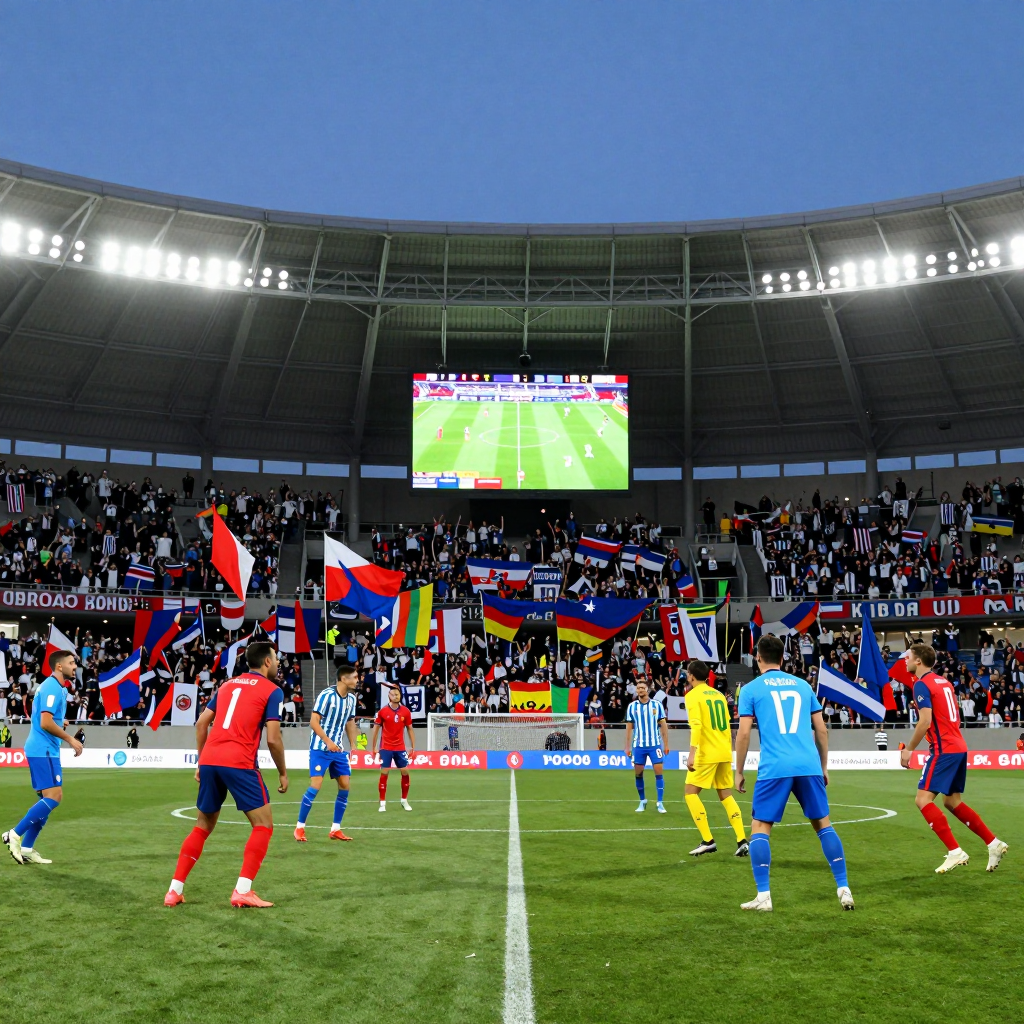
Do you know why this 2026 World Cup Group F match is more than just another game? Tunisia vs Japan transcends the label of a “group stage match” to carry the symbolism of being the 1000th match in World Cup history, already imbuing the clash with a unique narrative before kickoff. It’s no surprise that U.S. media is giving this game major attention. On the night the record is set (kickoff at midnight ET), the World Cup often demands fresh, unforgettable moments like this.
The intrigue of this match goes beyond just the numbers. The matchup itself is a striking contrast. Japan, despite being outplayed in their opener against the Netherlands, managed to secure a 1–1 draw as a ‘mentally resilient team,’ extending an 8-match unbeaten streak and bolstering their “Asian dark horse” narrative. Meanwhile, Tunisia suffered a crushing 1–5 defeat to Sweden, following a previous friendly where they also conceded 5 goals, exposing a collapsed defense and an attack with a mere xG of 0.28, barely threatening. After changing coaches, Tunisia is now literally in reset mode.
In short, this game isn’t just about fighting for three points.
- For Japan, it’s a test to transform their “impressive draw” into the “certainty of their first win.”
- For Tunisia, it’s a battle to turn “chaos from heavy defeats” back into “restored order.”
- And for the World Cup as a whole, it’s a stage set to create memorable moments under the historic frame of the 1000th match.
That’s why Tunisia vs Japan is brimming with storylines before the whistle even blows. This blend of record-setting significance and clashing momentum and turmoil is exactly what makes this match a true ‘big match.’
Tunisia vs Japan: A Stark Contrast Between Two Teams
With Japan riding an eight-match unbeaten streak and Tunisia facing a coaching change after conceding five goals in back-to-back games, the Tunisia vs Japan clash is more than just a big match—it’s a showdown of two completely opposite trajectories. Both teams stand on the World Cup group stage, but one is soaring in confidence while the other is desperately rebuilding its system.
Japan: A Resilient ‘Tournament Team’ That Endures Adversity and Climbs Back
Japan faced a tough battle in their opening match against the Netherlands. Despite being outmatched in possession and stats, they held firm with great organization and managed to salvage a 1–1 draw with a late equalizer in the second half. This moment perfectly encapsulates Japan’s current state.
- Although their winning streak was snapped, their momentum remains intact. Their impressive record of eight unbeaten games speaks to their solid baseline as a team.
- Japan isn’t just strong when everything goes their way—they know how to survive even when under pressure. In the World Cup, that resilience significantly boosts their chances beyond the group stage.
Tunisia: Defensive Collapse Sparks a ‘Reset Mode’ and a Coaching Change
Tunisia’s story, on the other hand, is far harsher. They suffered a heavy 1–5 defeat to Sweden in their opener and had conceded five goals in their previous friendly as well. Such back-to-back defensive lapses signify not just a slump but a structural breakdown.
- What’s more alarming is the lack of offensive spark to turn things around. Tunisia’s expected goals (xG) of 0.28 against Sweden shows they barely created any real scoring chances.
- This led to a dramatic shakeup, with the former coach stepping down and Hervé Renard stepping in. Tunisia is now in a reset phase, reestablishing not only tactics but also team morale and standards.
Clash of Contrasts: ‘Confidence on the Rise’ vs ‘Urgent Crisis Management’
Against this backdrop, Tunisia vs Japan is not just an international matchup—it’s a collision of two vastly different narratives.
- Japan is a team capable of imposing their game plan through pressure, organization, and mental strength.
- Tunisia, meanwhile, urgently needs defensive stabilization—tightening their lines, improving cover and concentration—as emergency treatment to stop the damage.
Ultimately, the key question is clear: Will Japan maintain their rhythm to prove their expected strength, or will Tunisia pull off an unexpected turnaround from their reset mode? This striking contrast is exactly what makes this match impossible to look away from until the final whistle.
Tunisia vs Japan Tournament Decider: Tactical Analysis and Strategic Showdown
The heart of Tunisia vs Japan is far more than a mere possession battle—it’s a clash often described as ‘Control vs Chaos.’ Japan aims to “control” the match with meticulous high pressing and rapid transitions, while Tunisia, adjusting in a ‘reset mode’ after a coaching change, strives to first establish order to stop conceding goals, then disrupt the flow with a single, decisive counterattack to “spread chaos.” The outcome hinges on these four tactical focal points.
Tunisia vs Japan Key Point 1: Japan’s High Press Forces the Opponent’s ‘First Mistake’
Against teams with shaky defensive organization, Japan excels at ramping up pressure from the very first pass in buildup, forcing turnovers and swiftly converting them into shots. Teams like Tunisia, who have recently conceded multiple goals, become notably more conservative not only in their defensive line but also in their initial buildup decisions between center backs and defensive midfielders. It is at this moment that Japan’s pressing becomes even more lethal.
- If Tunisia tries to play out short: Japan clogs passing lanes upfront to force errors
- If Tunisia opts for long clearances: It turns into a battle for second balls, giving Japan more pressing opportunities
In essence, Japan’s goal isn’t sheer possession but to provoke one critical early mistake—and that single slip can completely shift the game’s rhythm.
Tunisia vs Japan Key Point 2: Transition Speed—Japan ‘Steals and Strikes Within 3 Seconds’
Japan’s attack in this match will likely be more dangerous through the speed of transitions rather than static patterns. When Tunisia’s defense falters, the common thread is a widening between defensive lines and delayed coverage. Japan aims to exploit this gap quickly with half-space penetrations and cutbacks or timely second-line surges.
- Pressure → Ball recovery → Immediate forward pass
- Widen play to the flanks, then re-enter half-spaces (creating penetration angles)
- Second line aggressively secures second balls to sustain attacks
If Tunisia regroups swiftly, their defense solidifies. But once the transitions pile up, the momentum swings heavily toward Japan.
Tunisia vs Japan Key Point 3: Tunisia’s ‘Reset Mode’ Is a Battle of Defensive Block Spacing
Following the coaching switch, Tunisia is compelled to prioritize defensive compactness over dazzling offense. The key lies in reducing the space between their two defensive lines (midfield and defense) by compressing line spacing to prevent Japan’s second-line playmakers from comfortably receiving the ball.
- Instead of dropping the defensive line blindly, the midfield drops together to keep the block tight
- When shaken on the flanks, fullbacks don’t endure 1v1 duels alone but rely on quick cover support
- Reducing unnecessary fouls and conceding fewer set pieces to restore basic defensive stability
In summary, Tunisia’s focus is playing not to lose first, then to strike back; without this foundation, any counterattack plan falls apart.
Tunisia vs Japan Key Point 4: Tunisia’s Realistic Arsenal—Set Pieces and Efficient Counters
If dominating open play proves tough, Tunisia’s hope lies in maximizing set pieces and counterattacks. When Japan presses aggressively, a single successful clearance opens opportunities for Tunisia to immediately launch forward passes.
- Instead of prolonging buildup, Tunisia opts for short, sharp counterattack routes to finish quickly
- Betting on a single header or second ball from corners and free kicks to decide moments
- By holding firm early and forcing “an unsettling rhythm,” Tunisia can push Japan into risk-control mode
Ultimately, the tactical duel in Tunisia vs Japan comes down to: “Can Japan command the game through pressing and transitions?” versus “Can Tunisia restore defensive gaps, neutralize chaos, and land a decisive blow?” The moment this balance breaks, the match’s complexion swings sharply toward one side—often before the scoreboard even reflects it.
Tunisia vs Japan: The Ultimate Viewing Guide and Betting Outlook for U.S. Fans
Wondering when and how to watch this match on FS1 and Telemundo? Curious about what the betting markets are signaling? Here’s a concise guide tailored for American viewers and bettors to get straight to the point.
Tunisia vs Japan Match Time (U.S. Time Zones) & Broadcast Channels
- Kickoff (ET): June 21, 12:00 a.m. (early Sunday morning)
- Kickoff (PT): June 20, 9:00 p.m. (Saturday night)
- English Broadcast: FS1
- Spanish Broadcast: Telemundo
With the match kicking off late at night/early morning, setting an alarm is your best bet to avoid missing the action. Especially notable, Tunisia vs Japan marks the 1000th game in World Cup history, adding an extra layer of significance that’s capturing attention across the U.S.
Tunisia vs Japan Streaming Options in the U.S.
No cable? No problem.
- FOX Sports App / FOX Sports Website: The go-to way to stream FS1 live
- Major OTT Platforms (e.g., Peacock, etc.): Availability varies by platform, so it’s safest to check the live schedule or streaming tab on game day.
Betting Market Expectations: Decoding the Odds on Tunisia vs Japan
The American betting market is leaning heavily toward a Japan victory in this encounter (according to FOX Sports).
Moneyline (Win/Draw/Lose)
- Japan: -190
- Tunisia: +550
- Draw: +300
Put simply, the market is backing “Japan to win” with the highest probability while clearly labeling Tunisia as the underdog.
Spread (Handicap)
- Japan -0.5: -190
- Tunisia +0.5: +155
This means the emphasis is on Japan winning by at least one goal.
Over/Under (Total Goals 2.5)
- Over 2.5: +108
- Under 2.5: -132
There’s a slight edge on the Under (fewer than 3 goals), but given Tunisia’s recent trend of conceding multiple goals, the game could swing either way depending on how things unfold.
Note: Odds reflect market expectations and are not investment advice. Bet responsibly.
Tunisia vs Japan Live Golden Moments: What Japan’s 2–0 Lead Reveals
Early in the match, Daichi Kamada and Ayase Ueda scored back-to-back goals, putting Japan in the lead. This lead means far more than just the scoreline. The Tunisia vs Japan clash perfectly mirrors the pre-match narrative of “an ascending Japan vs a Tunisia in reset mode” unfolding live on the pitch.
3 Insights from Japan’s Opening Goal
- Success in pressing and transition: When Japan applies forward pressure, regains possession, and swiftly finishes the attack, the opponent loses crucial time to reorganize their lines. This is deadly against teams whose defensive structure is already vulnerable.
- A signal that the game plan clicked early: Strong teams don’t just score “when it’s convenient,” but “exactly when they intend to.” Japan seized the tempo from the start and reaped the reward on the scoreboard.
- Tunisia’s mental test begins: For a team that recently suffered heavy consecutive defeats, conceding early only adds to the pressure. The battle now becomes about whether they can stop the collapse with time running out.
Key Points That Will Decide the Second Half
- Tunisia’s choice: push the line up or drop back?
Pushing up to chase an equalizer opens up space for Japan’s counterattacks. Conversely, dropping deeper may stabilize the flow but over-rely on set pieces as their main scoring route. - Japan’s second plan: tempo control and risk management
Leading 2–0 is advantageous, yet if Japan insists on relentless pressing, endurance and vulnerability in the space behind can become issues. Watch for the moment Japan shifts to “safe control” by managing possession and catching their breath. - The variable of a set-piece strike
The more Tunisia struggles in open play, the more corners and free-kicks become their most realistic avenue for a comeback. One goal here could completely swing the momentum and alter the sense of time.
The Most Crucial Question Now
The remaining moments in this Tunisia vs Japan match boil down to a single point: Can Japan close out the game rather than just holding the lead? And can Tunisia prove on the pitch that they can ‘regroup’? The scoreline says 2–0, but the tension from here on only promises to intensify.
Comments
Post a Comment