 \n
A Fiery Night in Toronto: Germany vs Ivory Coast World Cup Showdown
In the opening match of Group E at the 2026 World Cup, an unexpected tension and dramatic twists captivated football fans worldwide. Why did this game seize the global spotlight? The answer is simple. The “classic powerhouse” collided head-on with the “underdog’s resistance” right in the heart of Toronto’s BMO Field, and the story that emerged was far hotter than the scoreboard.
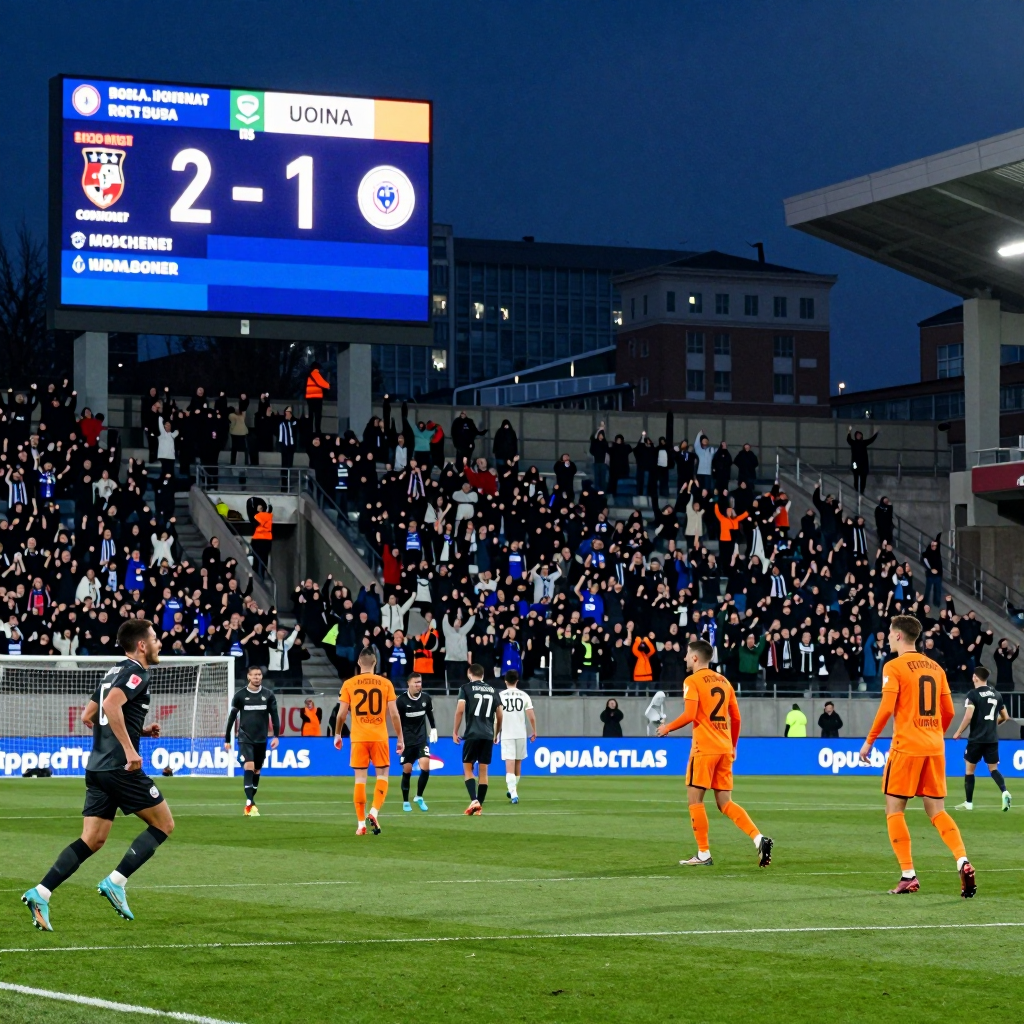
That night, Germany clinched 3 points with a 2–1 victory over Ivory Coast, but it was anything but an “easy win as expected.” Despite many predictions favoring Germany, even suggesting a two-goal margin, Ivory Coast disrupted Germany’s rhythm with physicality and relentless pressure, maintaining a flow where a single goal could have flipped the match at any moment.
The turning point came with Undav’s two goals off the bench in the second half. This “super sub” effect showcased why Germany remains so formidable in tournaments—capable of changing the game quickly and decisively. On the flip side, Ivory Coast’s Diomande’s goal sent a clear message: “We are no mere spectators here.” That moment quickly went viral in highlight reels, sparking vibrant conversations among fans worldwide.
Tactically, the match was a spectacle in itself. Germany raised their attacking intensity in the second half through possession and build-up play, demonstrating masterful game management. Ivory Coast countered by compressing lines to block central attacks, then launching swift transitions and exploiting the flanks. The nail-biting 1-on-1 duels on the wings elevated the match’s tension and revealed that Ivory Coast possessed a solid “playbook” capable of threatening even elite teams.
In the end, this Germany vs Ivory Coast clash not only shaped the early trajectory of Group E but also reaffirmed the World Cup’s timeless truth in the vibrant atmosphere unique to a North American host city: the tournament rarely unfolds as predicted. Germany showcased the strength of a deep squad and impactful substitutes, while Ivory Coast proved the reality behind being a “dark horse,” leaving fans eagerly anticipating the next chapter.
Germany vs Ivory Coast: The Clash of Strengths? A Breath-Taking Battle Decided by Just One Goal Against All Expectations
Pre-match predictions were clear. Most experts favored Germany, led by Bundesliga stars, to secure a victory by “more than two goals.” Yet, the Germany vs Ivory Coast showdown at Toronto’s BMO Field completely defied those forecasts. The final score was 2–1. On paper, a routine win—but the reality was a relentless battle filled with tight pressure and fierce resistance every single moment. So how did Ivory Coast manage to push the powerhouse Germany all the way to the limit?
Why Ivory Coast Was No “Easy Opponent”
Disrupted the Pace with Physicality and Intense Man-Marking
Ivory Coast refused to let Germany build up comfortably, using physical clashes and aggressive pressure to unsettle the European champions. Even when Germany dominated possession, they closed down passing lanes forward and provoked collisions in the secondary lines to break the rhythm of German attacks.Closed the Gaps, Locked Down the Center, and Escaped Through Wing Transitions
Defensively, Ivory Coast packed the center to block Germany’s direct breakthroughs. They then seized opportunities to win the ball or relieve pressure, quickly switching play to the flanks. This tactic targeted the space behind Germany’s defense, turning 1-on-1 duels on the wings into a pivotal battleground.Diomande’s Goal Turned an “Endurance Game” into a “Winnable Battle”
Diomande’s strike transformed Ivory Coast’s mindset from simply holding on to genuinely contending for victory. One decisive moment against such a top-tier opponent carries enormous psychological weight. Germany’s increasingly aggressive second-half approach was fueled by the pressure Ivory Coast’s crucial goal created.
The Outcome: Germany Wins, But the Narrative Is a Razor-Thin Contest
Germany eventually overturned the score by intensifying their offense through second-half substitutions, yet the process was far from comfortable. The true takeaway isn’t just “Germany performed well,” but rather that Ivory Coast stood firm far beyond expectations, keeping the door open until the very end. Thus, the 2–1 scoreline is more than just numbers—it symbolizes how much the gap between the giants and underdogs has narrowed.
Germany vs Ivory Coast: Second-Half Hero Undav—The Substitute Who Crafted a Dramatic Comeback
Undav’s arrival, netting two goals in a short span to completely turn the game around—how did he become the “super sub” who led Germany to victory? Although the match ended 2–1 in favor of Germany, the balance of the contest shifted dramatically in a single moment during the second half. And at the heart of that shift was the forward Undav, who started the game on the bench.
Undav’s impact goes far beyond simply “scoring goals.” As the tightly contested second half unfolded, Germany injected more attacking options to intensify pressure around the box, and Undav played the crucial role of putting the finishing touch on that transformation. Delivering two decisive moments in limited time, he proved the true power of Germany’s squad depth and strategic substitutions.
What stood out in this match was Germany’s approach—close to the archetype of a “team that grows stronger after halftime.” They gradually increased pressure through possession and build-up play, then raised the tempo with bold substitutions at the decisive moments. Even with Ivory Coast’s physicality and compressed defense locking down the center, Germany shifted into attack in the second half, carving open spaces where Undav’s clinical finishing struck.
In the end, Undav emerged as the quintessential “super sub” in this clash. The fact that he wasn’t a starter didn’t matter. What mattered most was making the sharpest impact exactly when it counted the most. If Germany vs Ivory Coast left us with one message, it’s that Germany isn’t just a strong team—they’re a team that can turn the game around with a single substitution.
Germany vs Ivory Coast: A Physical Battle and Tactical Duel – Ivory Coast’s Fierce Resistance Meets Germany’s Game Management
With Ivory Coast compressing their lines tightly and aiming for quick counterattacks, and Germany steadily increasing possession to fuel a concentrated second-half offensive, Germany vs Ivory Coast was essentially a battle of “who could stick to their plan longer.” The clash of these strategies sustained the match’s tension until the very end.
Ivory Coast: Locking Down the Center Through Compressed Lines and Physical Pressure
Defensively, Ivory Coast narrowed their line gaps to shut down the central corridors, engaging in constant physical duels to prevent Germany’s buildup from progressing smoothly. Their approach hinged on two key factors:
- Central Blockade: They disrupted Germany’s traditional short passing and second-line runs by effectively blocking the “spaces themselves,” breaking their rhythm.
- Pressure Release and Swift Transitions: The moment they won possession, Ivory Coast didn’t hesitate to exploit the flanks and launch rapid counterattacks targeting Germany’s vulnerable spaces behind.
This approach was exemplified by Diomande’s goal, delivering the message that “a single transition can shake the game,” and it was reflected in the close 2–1 scoreline, which didn’t come as easily for Germany as expected.
Germany: Raising the Pressure with Possession and Sealing Victory Through Second-Half Substitutions
Germany adopted a gradual, possession-based pressure strategy, intensifying their attacking density as the match progressed. Especially in the second half, they introduced more aggressive options to accelerate transitions and increase finishing touches near the box, culminating in two crucial goals by late substitute Undav.
- Possession Used for Attrition Rather Than Domination: While Ivory Coast endured physically, Germany held the ball longer, amplifying the opponents’ mental strain and the cost of maintaining defensive compactness.
- Second Half as the Decisive Phase: In a tightly balanced tactical battle, a coach’s substitution decisions and squad depth become decisive — and Germany converted these advantages into results late in the game.
Game-Changing Details: Wing 1v1 Battles and High-Intensity Duels
This match went beyond a mere possession contest because relentless 1-on-1 duels on the wings continuously challenged attacking outlets. Moments like the confrontations between Konan and Leveling—where a single dribble or tackle signaled a transition—created high-intensity duels around the box that shaped the game’s rhythm.
In the end, Ivory Coast demonstrated that underdog resistance can be a tactical reality, while Germany overcame that resistance through superior second-half game management and squad depth. The 2–1 scoreline only tells part of the story—the intensity and tactical nuance ran far deeper.
More Than Just a Victory: How Germany vs Ivory Coast Rewrote the World Cup Narrative on North American Soil and What to Watch Next
Germany’s 2–1 win was far more than just a scoreline—it delivered a clear message that will ripple through the group stage dynamics of the 2026 North American World Cup. The Germany vs Ivory Coast clash at Toronto’s BMO Field proved once again that the World Cup rarely unfolds as expected, serving as a thrilling preview of the drama these two teams are poised to create from here on out.
A Message to Group E: A Strong Start Beyond ‘3 Points’
Germany took the early initiative by securing three points and asserting control over Group E. Yet, the true significance lies in how they achieved it. Even when faced with tough resistance, Germany’s use of second-half substitutions turned the tide, capturing a quintessential trait of a team that grows stronger as the tournament progresses. Starting the group stage with such a hard-fought victory gives Germany solid footing to withstand the mounting pressure ahead.
On the flip side, Ivory Coast may have fallen short but shattered the “underdog” label themselves. Dioussé’s goal and their physical, relentless pressing will linger as daunting data points for every other team in the group. This transforms Group E from a predictable collection of favorites into a hotbed of potential surprises, where variables could explode in any match.
The Significance of the North American Venue: A World Cup Story Beyond the Pitch
That this match took place in Toronto carries symbolic weight regardless of the result. The North American World Cup blends “immediate on-site access” with rapid content dissemination, enabling moments from a single game to instantly loop through highlights and short clips. Key sequences—like Dioussé’s goal or electrifying 1-on-1 wing battles—have been repeatedly shared among fans, sharply elevating the match’s excitement. In an era where the World Cup experience extends far beyond 90 minutes, Germany vs Ivory Coast showcased not only a game but a glimpse into how this tournament will be experienced and consumed.
What to Watch Moving Forward: Germany’s ‘Substitute Advantage’ and Ivory Coast’s ‘Dark Horse Plot’
Germany: Expanding Options with Undav
Undav, coming off the bench to score both goals, wasn’t just having a “good day”—he symbolized an expanded tactical arsenal for Germany. Whether the team chooses to start him in upcoming matches or use him as a clutch substitute will profoundly affect their attacking rhythm and game management. This strategic flexibility will be a key variable not only in the group stage but deep into the knockout rounds.Ivory Coast: Ready to Spark Another Upset
Ivory Coast’s compact defensive lines, quick transitions, and exploitation of wing spaces nearly turned the tables against Germany. Their narrow one-goal loss offers the team a clear boost of confidence. There is every reason to believe they could engineer another dramatic points haul in the remaining group matches, keeping their upset narrative alive and well.
Ultimately, Germany vs Ivory Coast was far more than “Germany won.” Germany cemented a strong start with a deep squad and savvy match control, while Ivory Coast stamped their mark as dark horses on the North American stage. The only question left: Will the story born from this clash lead to even bigger twists in the rounds to come?
Comments
Post a Comment