The Truth About the 2 Trillion Won Jackpots of Powerball and Mega Millions: What Koreans Need to Know
 \n
Peering Behind the Massive U.S. Lottery Jackpots Through #lottery
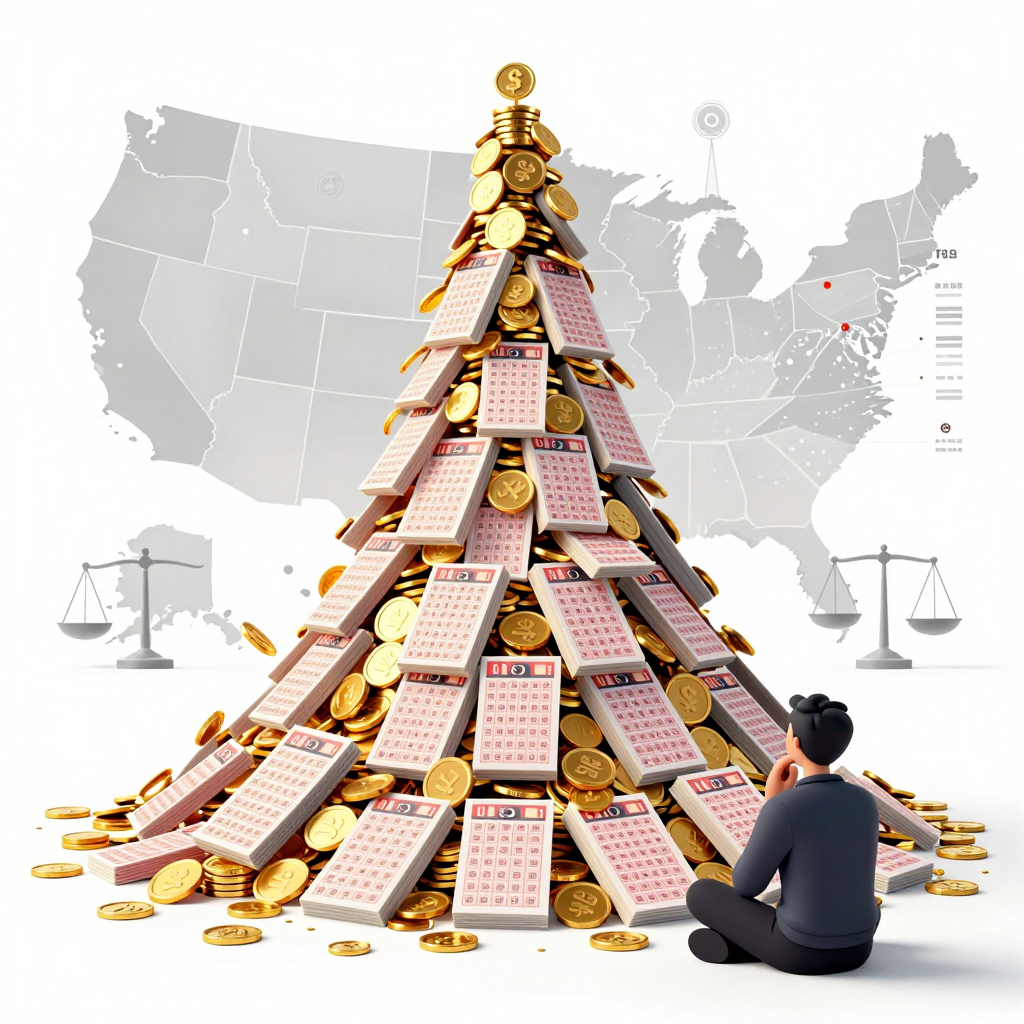
News of the $26.5 billion Powerball jackpot always sparks the same question: “Is this simply pure luck, or is it a colossal phenomenon engineered by the lottery system itself?” To get straight to the point, these staggering figures are less about chance and more about how the U.S. lottery is designed to create giant jackpots.
Three Structural Reasons Why Lottery Jackpots Keep Growing
Multi-state lotteries like Powerball and Mega Millions in the U.S. are built to let jackpots “explode.”
1) The participant pool is overwhelmingly large
Operating across multiple states means a huge base of ticket buyers from the start, and as jackpots grow, ticket purchases increase even more—a positive feedback loop (or overheating). This is why it becomes a nationwide event.
2) The rollover mechanism amplifies prize pools
If there’s no first-place winner, the prize rolls over to the next drawing, and this process repeats, making the jackpot grow at a rate closer to “amplification” than mere “accumulation.” That’s why $500 million to $1 billion jackpots (equivalent to hundreds of billions to trillions of Korean won) appear not just “occasionally,” but “regularly.”
3) Rule changes often skew odds to be lower, inflating jackpots
By adjusting number combinations and reducing the odds of hitting the jackpot, winners become rarer, but jackpots keep rolling over longer and grow larger—perfect for creating gigantic, headline-grabbing jackpots.
Why Lottery News Spreads From ‘Money Stories’ to ‘Social Phenomena’
Huge jackpots are life-changers for individuals but carry a different social meaning. The bigger the jackpots grow, the more people are drawn in by the lottery-style hope (low odds, huge rewards) of “maybe it could be me,” while media outlets amplify this psychology through a race to report bigger numbers. Meanwhile, a peculiar pattern emerges where “jackpot fatigue” sets in—people grow tired of hearing about massive sums yet don’t stop buying tickets.
Why We Must View Lottery as ‘Entertainment’ in Reality
No matter how colossal the jackpot, the lottery’s expected returns are negative by design. So, when faced with eye-popping jackpots, it’s more insightful to ask “why did it grow this big?” rather than “how much can I win?”
In other words, the $26.5 billion figure represents not only one person’s stroke of luck but also the result of a system crafted through rollover structures, massive participation, and carefully engineered odds.
State Lotteries and Local Communities: The Small Miracles Created by Mid-Sized Wins (lottery)
The impact of multi-million-dollar lottery winnings on our neighborhoods is greater than we might think. While massive jackpots are national events, state-level lotteries are more like “everyday dramas” often played out within local communities. Take California’s daily game Fantasy 5 as an example: a first-place total prize of about $997,134 was split among three winners, each receiving roughly $332,378. Although these amounts differ from the generational Powerball jackpots, they still create a “small miracle” for individuals and their communities.
How Mid-Sized Prizes Change ‘Cash Flow’ (lottery)
Hundreds of thousands of dollars can be practical, life-changing funds for someone.
- Debt Repayment: Paying off high-interest credit cards, student loans, or car payments reduces monthly expenses.
- Housing Stability: Covering deposits, moving costs, or several months of rent helps shift from “just getting by” to “planning ahead.”
- Increased Local Spending: Expenses for home repairs, used car replacements, or family events flow into local businesses, warming up the neighborhood economy even in small ways.
In other words, mid-sized wins influence the community’s economic “micro-circulation” more directly than headlines might suggest.
The Meaning Behind “It Came from Our Neighborhood Store” (lottery)
The reason state lottery wins frequently make local news goes beyond mere entertainment. Stores or markets where winning tickets are sold often experience:
- Increased foot traffic,
- A reputation as “lucky spots,” and
- Higher chances of repeat visits.
Through this process, the state lottery merges a single person’s luck with the local brand. This is why “where the winner’s ticket was sold” matters so much.
Lottery Revenue and Public Funds: Felt ‘Slowly but Surely’ (lottery)
Many states promote lottery earnings as resources for education, welfare, and infrastructure. While residents might not see immediate, tangible changes, the funds accumulate over time in scholarships, school programs, and local projects. Therefore, state lotteries are a unique institution that simultaneously represent “individual fortune” and “public resources.”
A Practical Takeaway: See ‘Small Neighborhood Changes’ Instead of ‘Big Jackpots’ (lottery)
Mid-sized wins in state lotteries like Fantasy 5 offer a clearer reflection of the real economy than huge jackpots do. Next time you hear a lottery win story, don’t just focus on the amount—also consider:
- Whether the prize was divided among multiple winners,
- Which local store sold the ticket, and
- How it ties into local spending and community stories.
At that point, the lottery becomes not just a game, but a small lens revealing how local communities move and breathe.
The U.S. Lottery Craze Among Overseas Korean Communities Through lottery: A ‘Jackpot Without Distance’ Created by Korean-Language Platforms
The moment the Powerball jackpot soars, excitement ignites not only across the U.S. but also within overseas Korean communities. Whereas it used to be considered a game “only for those living in America,” now Korean-language platforms deliver draw information, winning numbers, and jackpot sizes in real time, transforming the U.S. lottery abroad into a shared event everyone partakes in together. This is why “how big is this week’s jackpot?” has evolved beyond a mere numerical update—it serves as a conversation starter and a small festive moment among Koreans worldwide.
The Global Branding of lottery: How Powerball Took Root in Korean Communities
The reason American lotteries have spread overseas lies not in the game rules, but in their brand power. Powerball and Mega Millions repeatedly become headline news with their mega jackpots, cementing their image as “symbols of dreams.” Within Korean-speaking circles, content that converts jackpot amounts into Korean won (reaching trillions) has fueled their popularity.
As a result, the U.S. lottery has ceased to be simply a domestic gambling product and has become a global pop culture phenomenon whose headlines are consumed around the world alike.
Accessibility Through ‘Indirect’ lottery Purchase: Info Platforms and Proxy Buying Systems
Overseas residents generally engage with U.S. lotteries through two main channels:
- Real-time information: Korean-language sites and communities continuously update winning numbers, rollover (jackpot carryover) status, and estimated jackpots, lowering the barrier to entry.
- Indirect purchasing: Due to state-by-state sales regulations inside the U.S., many overseas players usually participate via local proxy buyers (concierge services).
This structure reinforces the perception that “participation is possible overseas,” but it also brings practical concerns such as legality, regulations, fees, and refund policies. In essence, the craze stems less from “ease of purchase” and more from the combination of accessible info and mediation that erases psychological distance.
When lottery Becomes a ‘Social Event’ in Korean Communities: Group Purchases and Conversational Content
In Korean communities, the U.S. lottery often transcends individual choice and is consumed as a collective experience. One common format is group purchases (lottery pools) among coworkers, families, and acquaintances. The approach of “everyone contributing a little for this draw” reduces the burden while making participation itself an event regardless of winning or losing.
Added to this is the unique rhythm of rollovers—“the bigger the jackpot, the more participants join”—turning the U.S. lottery into a recurring cycle of news, conversation, and involvement within Korean society.
The Shadow Side of the lottery Craze: A Checklist to Consider Before Chasing ‘Opportunities’
As participation among overseas Koreans grows, certain pitfalls become clearer:
- Legal and regulatory risks: Depending on the gambling and payment laws of the resident country and platform operations, problems may arise.
- Taxes and net payout: U.S. lottery winnings are taxable, and there is often a significant gap between announced jackpots and actual take-home amounts.
- Maintaining an entertainment perspective: Given its negative expected returns, it’s safer to see the lottery not as an ‘investment’ but as an ‘experience cost.’
Ultimately, the question isn’t “Can I buy tickets abroad?” but rather how you participate, what risks you understand, and how far you enjoy it. As Powerball excitement crosses borders, the U.S. lottery spreads in Korean communities through stories and psychology before money.
Lottery Odds, Rules, and the Realistic Chances of Winning
With odds in the hundreds of millions to one, the saying that winning a mega lottery is “as likely as being struck by lightning” is no exaggeration. American mega-lotteries build their “dream jackpots” on these extremely low odds. So, who exactly can win these dream lotteries, and how?
Lottery Game Rules: The ‘5+1’ Structure Creating Jackpots
Powerball and Mega Millions, the leading multi-state lotteries in the U.S., both use a 5 main numbers + 1 bonus number (5+1) format.
The logic behind this structure is straightforward:
- The sheer number of number combinations skyrockets, making the jackpot odds extremely low
- As a result, when no one wins for a while, the prize rolls over, causing the jackpot to grow
- Bigger jackpots fuel more ticket sales, which in turn can trigger yet another rollover, creating a continuous cycle
In other words, the reason why jackpots so often balloon close to a billion dollars is because the rules themselves are designed to inflate the jackpot.
Lottery Odds: Selling ‘Hope,’ but Probability Remains Ruthless
The odds of hitting the jackpot (matching all numbers) are approximately 1 in several hundred million. While it may feel like “it could happen someday,” statistically, it’s a grueling long shot.
However, an important point is that American lotteries aren’t single-tier games.
- Smaller wins (lower-tier prizes) occur relatively frequently, giving players a feeling of “not a complete loss.”
- These smaller wins often encourage players to buy tickets again, leading to a common misperception of the true odds through personal experience.
Ultimately, winning the jackpot is nearly impossible, but the steady drip of smaller wins keeps player interest alive.
What Does ‘Realistic Winning’ Mean in Lotteries? Jackpots vs. Mid-Tier Prizes
While mega jackpots capture the headlines, the “realistic wins” most players experience are more like:
- Mid-sized jackpots in state lotteries (for example, hundreds of thousands to millions of dollars)
- Lower-tier prizes in major lotteries (ranging from small to moderate amounts)
For instance, California’s Fantasy 5 state lottery isn’t Powerball-scale billions, but it offers relatively better odds and still provides dramatically life-changing sums for local players.
Lottery Payouts: ‘Prize Money’ vs. ‘Take-Home Cash’ Are Often Different
In U.S. lotteries, the story doesn’t end with the win.
- Winnings are subject to federal income tax plus state income tax
- Large jackpots typically allow a choice between a lump-sum payment or an annuity
- Especially with lump sums, the actual amount received is often far less than the headline figure
Therefore, looking at the jackpot number alone can create a misleading perception. Just like odds, taxes and payment methods are crucial factors that reshape the final outcome.
A Practical Perspective on Lottery Winning Chances
U.S. lotteries are closer to entertainment than investment. Taking a realistic approach boils down to something simple:
- Decide how much you can afford to spend before even wondering about the jackpot size
- Consider your ticket purchase as the cost of buying a dream, not an investment toward first prize
- When following jackpot news, pay attention not only to the amount but also the number of rollovers, sales surge, taxes, and local economic impact
In the end, the answer to “Who can win a lottery with odds of hundreds of millions to one?” is clear. Statistically, anyone can, but realistically, almost no one wins with ease. This is why lotteries remain a product where the numbers on the ticket matter less than the psychology and stories those numbers inspire.
Social Debates Surrounding the Lottery and a Wise Approach
The headline “Trillions Won in Jackpot” goes beyond mere winning news and raises societal questions. From controversy over the ‘regressive tax’, gambling addiction and responsible play, to the high-risk investment mindset of the MZ generation—understanding the messages behind lottery news is key to consuming lottery tickets more safely and wisely.
Why the Lottery is Called a ‘Regressive Tax’
Though lottery purchases are voluntary, in reality, those with lower incomes tend to spend a larger proportion of their income on lottery tickets, attracting criticism that it acts as a “de facto regressive tax.” Even if state governments highlight lottery revenues as funding education and welfare, if the burden disproportionately falls on certain groups, debates about policy legitimacy inevitably persist.
The core issue isn’t just “where lottery proceeds are spent,” but equally who bears the higher relative burden.
Lottery Marketing and Gambling Addiction: The Need for ‘Responsible Gaming’
The bigger the jackpot grows, the easier it is for people to fall into the illusion that “this time will be different.” The real problem is that this mindset can lead some to spend repeatedly at the expense of their living expenses.
Therefore, enjoying the lottery safely requires setting guidelines from the information consumption stage, such as:
- Set a budget first: Decide “monthly entertainment expenses” before focusing on “how big the jackpot is”
- Assume losses upfront: The lottery is structurally an entertainment with a negative expected value
- Watch for warning signs: If debt, secret purchases, emotional swings (hope → disappointment → chasing losses) become repetitive, stop immediately and seek counseling resources
The Intersection of Lottery and the MZ Generation’s ‘High-Risk, High-Reward’ Mindset
The lottery intuitively represents the narrative of “low probability, huge reward.” Recently, with the rise of high-risk investment preferences like options, meme stocks, and cryptocurrencies, some analyses suggest the mentality of “wanting to change one’s life all at once” mirrors the lottery approach.
From this perspective, lottery news is not just entertainment but a social indicator revealing the types of hopes people consume in uncertain times.
Three Principles for ‘Wise’ Lottery Consumption
- Classify the lottery as entertainment, not investment
Ask yourself if it’s “affordable fun” rather than expected profit. - Manage behavior rather than the amount
As jackpots grow, impulses increase, so automating limits (monthly or weekly caps) proves effective. - Read lottery news like economic news
Look beyond prize amounts to details like rollover frequency, sales increases, tax and public fund allocation, and community impact—transforming “lottery stories” into “societal stories.”
For some, the lottery is a dream, but socially it is a complex issue intertwined with taxation, welfare, addiction, inequality, and investment psychology. That’s why the most practical answer is treating the lottery not as a “one-shot win” but as controlled entertainment.
Comments
Post a Comment