 \n
elche vs barcelona: A 3–1 Prediction, but the Scoreboard Read 5–0
The pre-match atmosphere was relatively straightforward. Most previews acknowledged Barcelona’s superiority while predicting a 3–1 victory, with Elche expected to score at least once at home. In other words, an away win for the defending champions seemed inevitable—but a complete collapse was not.
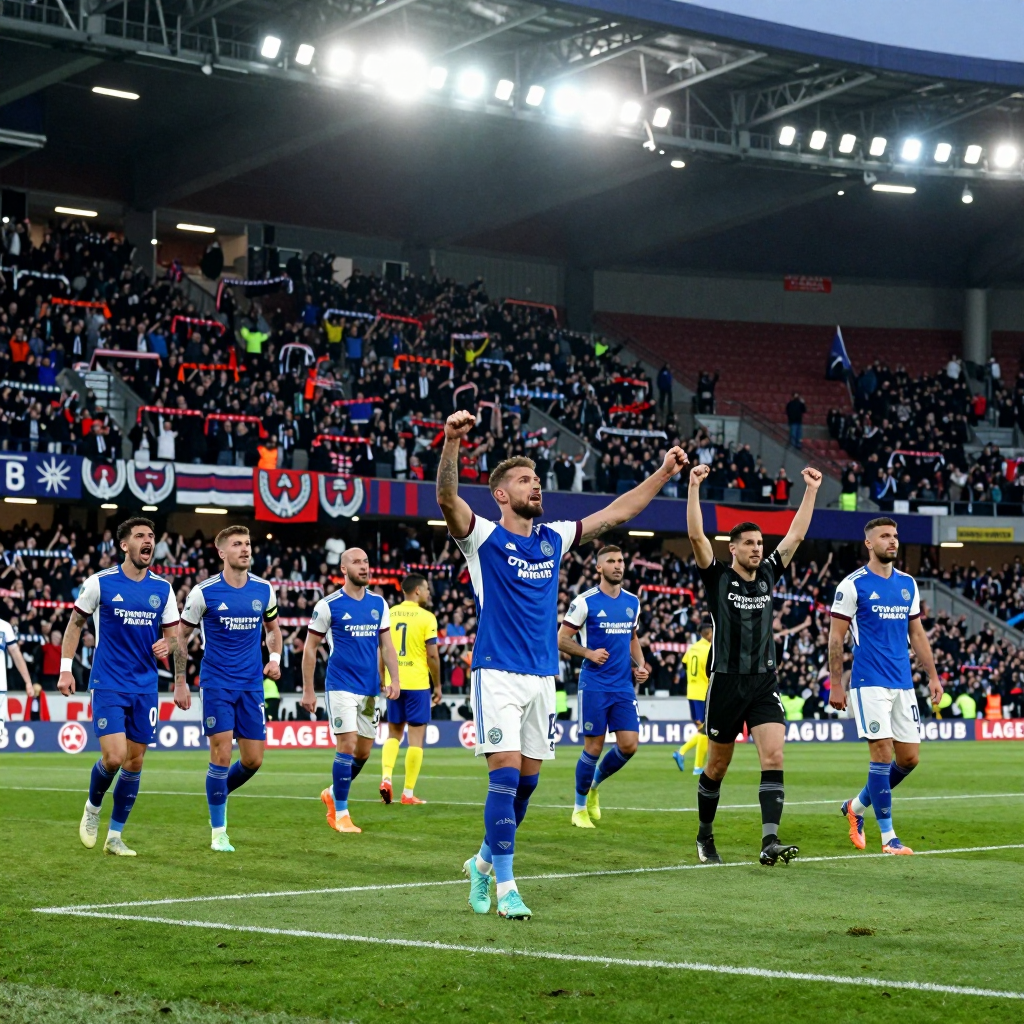
However, the night at Estadio Manuel Martínez Valero ended in a completely different fashion. elche vs barcelona finished with Barcelona cruising to a 5–0 victory, while Elche failed to score even once in front of their home supporters.
This difference was about far more than two extra goals. The prediction envisioned a scenario in which Barça managed the game and secured the win, but the reality was a one-sided showcase in which Barcelona controlled everything—from attack and defense to the speed of their transitions. Led by Raphinha, the attacking line relentlessly exploited gaps in Elche’s defense, leaving the hosts with barely any chance to establish a rhythm for a counterattack.
Most notably, the 5–0 scoreline showed just how sharp Barcelona’s high press and rapid attacking transitions under Hansi Flick have been from the very start of the season. Rather than Elche being weaker than expected, the more convincing interpretation is that Barcelona’s ceiling was far higher than the market had anticipated.
The consensus was 3–1, but reality was 5–0.
This match proved that Flick’s Barcelona are not merely title favorites—they are a team that sent a powerful message from the very beginning in their bid to defend the title.
Elche vs Barcelona: Raphinha Reveals the Starting Point of the Attack
From the opening minutes, Elche’s defense was given no time to breathe. At the heart of it all was Raphinha, who appeared whenever a decisive moment arose. He was not simply a player who finished attacks; he was the starting point that accelerated Barcelona’s forward movement and raised the tempo of their attacking rhythm.
Raphinha’s greatest influence came from his movement and ability to read space. Rather than staying wide, he drifted inward to unsettle the defensive line and create channels for his teammates to make runs. When Elche’s defenders followed him, space opened up on the flank. When they left him room, Raphinha immediately became involved in the attack from a dangerous position.
Especially in this Elche vs Barcelona match, Barcelona’s attack showed greater strength in sequences that continued rapidly after pressing and winning the ball back than in moments that ended with a single pass. Raphinha played a key role in raising the intensity of the press high up the pitch and, after possession was regained, immediately directing the attack. That was why Elche never had time to feel safe, even after losing the ball.
ESPN’s decision to name Raphinha the star of the opening match reflected the same qualities. His value went far beyond the numbers he recorded. He put himself in positions where he could finish moves himself, became the link that brought his teammates’ movement to life, and injected aggressive energy into Barcelona’s entire attack.
Raphinha’s presence turned Barcelona’s attack from a one-directional move into a massive wave that kept crashing forward.
The 5–0 result was not the work of just one player. But there is no doubt that Raphinha’s movement, pressing, and attacking transitions were present every time Elche began to collapse. He showed more clearly than anyone how fast and dangerous Hansi Flick’s Barcelona could become from the very start of the new season.
elche vs barcelona: The Ceiling Barcelona’s Prediction Market Missed
The pre-match outlook was largely clear: an away win for Barcelona. However, most predicted scores settled around Elche 1–3 Barcelona. The champions’ superiority was acknowledged, but the actual result went far beyond that calculation: 0–5.
This difference is not simply a matter of two extra goals. elche vs barcelona was a match in which the market recognized Barcelona’s “average superiority” but failed to account for the peak output of Hansi Flick’s side.
- Prediction: Barcelona to win 3–1
- Reality: Barcelona to win 5–0
- Key difference: Elche’s projected goal disappeared, while Barça scored two more than expected.
What the 3–1 Consensus Assumed
Previews and betting markets expected Elche to hold out to some extent at home. The scenario was that Barcelona would control possession and create the majority of the attacking opportunities, but Elche would manage to score once and limit the margin of defeat.
This is the typical “strong team wins away” model. The away side wins, but early-season variables and the home team’s resistance prevent the match from becoming completely one-sided.
In reality, however, Elche’s resistance did not last as long as expected. Barcelona not only scored but also kept a clean sheet, maintaining control of the match from start to finish.
What the Market Underrated Was the ‘Ceiling of the Attack’
A 5–0 result does not simply mean that Barcelona won efficiently. It showed the attacking ceiling of a team capable of continuing to widen the gap with further goals, even after breaking down the opponent’s defensive structure.
Raphinha made his presence felt at the heart of the attack, while the width and pace provided by attacking players including Lamine Yamal also created major problems for Elche. Flick’s Barcelona can move forward quickly after winning the ball back and turn every moment of hesitation from the opposition into a succession of chances.
The market predicted Barcelona’s victory.
But it failed to account for the moments when Flick’s Barcelona can completely tear a match apart.
The Early-Season Signal Left by 5–0
This result could influence future La Liga lines involving Barcelona. In particular, when facing teams rated as inferior in quality, it provides a stronger basis for looking beyond the match result alone and considering handicap markets and the potential for a high-scoring win.
Of course, one match cannot define the entire season. But what was clear from elche vs barcelona is this: Barcelona’s baseline may be a “comfortable victory,” but when their attacking play clicks into place, their ceiling is far higher than a 3–1 prediction suggests.
elche vs barcelona: The Formula Behind Elche’s No-Accident Rout
This 5–0 was not a one-off explosion. Barcelona have won all five of their most recent meetings with Elche, conceding just two goals during that span. Their cumulative goal tally stands at 13. Whenever elche vs barcelona takes place, the same pattern has kept repeating—something far more consistent than a simple difference in quality, almost a fixed script for the match.
The Overwhelming Gap Shown by Recent Meetings
Barcelona defeated Elche 3–1 both at home and away last season. Then, in the first meeting of this season, they widened the gap even further with a 5–0 victory.
- Last five meetings: 5 Barcelona wins
- Goals in the last five meetings: 13 scored, 2 conceded
- Most recent away meeting: Barcelona won 5–0
- League meetings last season: Two 3–1 victories
These figures show that Elche did not collapse against Barcelona because of one or two isolated mistakes. Match after match, Barça have seized control, while Elche have been unable to withstand that momentum until the final whistle.
Why Elche Kept Crumbling in elche vs barcelona
At home, Elche can compete with a more disciplined defense and quick counterattacks. But when they face Barcelona, that plan can unravel quickly. Barcelona’s high possession, rapid transitions, and the individual quality of their attackers all come into play at once, leaving Elche with too little time to maintain their defensive block.
Under Hansi Flick, Barcelona are especially eager to win the ball back through intense pressure the moment the opposition loses possession. That creates a major burden for teams like Elche, whose priority is defensive stability. Even when they manage to regain the ball, they are pressed again before finding a way forward, forcing them to spend increasingly long periods defending.
The result is familiar. Elche may hold out early on, but as the match progresses, spaces begin to open—and Barcelona’s attacking options are always ready to exploit them.
What the 5–0 Means: Not Just a Favorable Opponent, but Clear Superiority
It would be too simple to explain this heavy victory as nothing more than a meeting with “a weak team early in the season.” Barcelona have consistently produced results against Elche, and this time they also showed a higher level of attacking completeness, led by Raphinha.
From Elche’s perspective, Barcelona can understandably feel like an immovable wall. If they try to hold firm defensively, they are overwhelmed by Barcelona’s pressure and possession; if they push their line higher, they leave space behind for Barcelona to attack. For Barcelona, meanwhile, matches against Elche have become a stage on which they can build tactical confidence and sharpen their attacking rhythm.
That is why this 5–0 should not be viewed as an upset, but as the clearest continuation yet of the dominance that recent elche vs barcelona meetings have repeatedly produced.
elche vs barcelona on ABC on Sunday afternoon: La Liga’s new stage
elche vs barcelona was more than a simple away opener in La Liga. Barcelona’s 5–0 victory was completed at a stadium in Elche, Spain, but in the United States, it was consumed as a major sports broadcast thanks to its highly accessible Sunday 3:30 p.m. Eastern Time slot.
The English-language broadcast was carried by ABC, while ESPN Deportes handled the Spanish-language coverage. With fubo and ESPN-affiliated streaming services also involved, the match targeted traditional television viewers and streaming-focused fans alike. In effect, it connected English-speaking, Spanish-speaking, and cord-cutting audiences for a single game.
For Barcelona, it was an ideal showcase. The defending champions scored five goals away from home and kept a clean sheet, while an attack led by Raphinha made a powerful impression on the widely accessible network-TV screens of the United States. It also mattered that the result was not merely the routine 3–1 victory expected before kickoff, but an overwhelming 5–0 scoreline that anyone could immediately understand.
Barcelona’s message grew louder in the U.S. market
ABC’s Sunday afternoon scheduling can be seen as a signal that La Liga is no longer an overseas league followed only by a niche group of die-hard fans. In a weekend afternoon slot before the NFL regular season fully gets underway, La Liga reached American fans directly by putting global stars such as Barcelona, Raphinha, and Lamine Yamal at the forefront.
In particular, the match highlighted the following trends in the U.S. market:
- Free over-the-air accessibility: ABC opened the match to fans without paid sports packages.
- A bilingual strategy: Simultaneous broadcasts on ABC and ESPN Deportes targeted English-speaking and Spanish-speaking soccer fans together.
- Streaming expansion: fubo and ESPN-based services responded to viewing habits centered on mobile devices and smart TVs.
- Star-driven branding: A dominant victory by defending champions Barcelona was the most immediately compelling content for introducing La Liga.
Ultimately, elche vs barcelona’s 5–0 result meant more than three points. Barcelona showcased its strength at the start of its title defense, while La Liga placed that moment in the mainstream sports window of a Sunday afternoon in the United States. It was a message as clear as the result itself.
Comments
Post a Comment