 \n
\n
Dodgers vs. Cubs: A Pitching Battle That Began with Home Runs
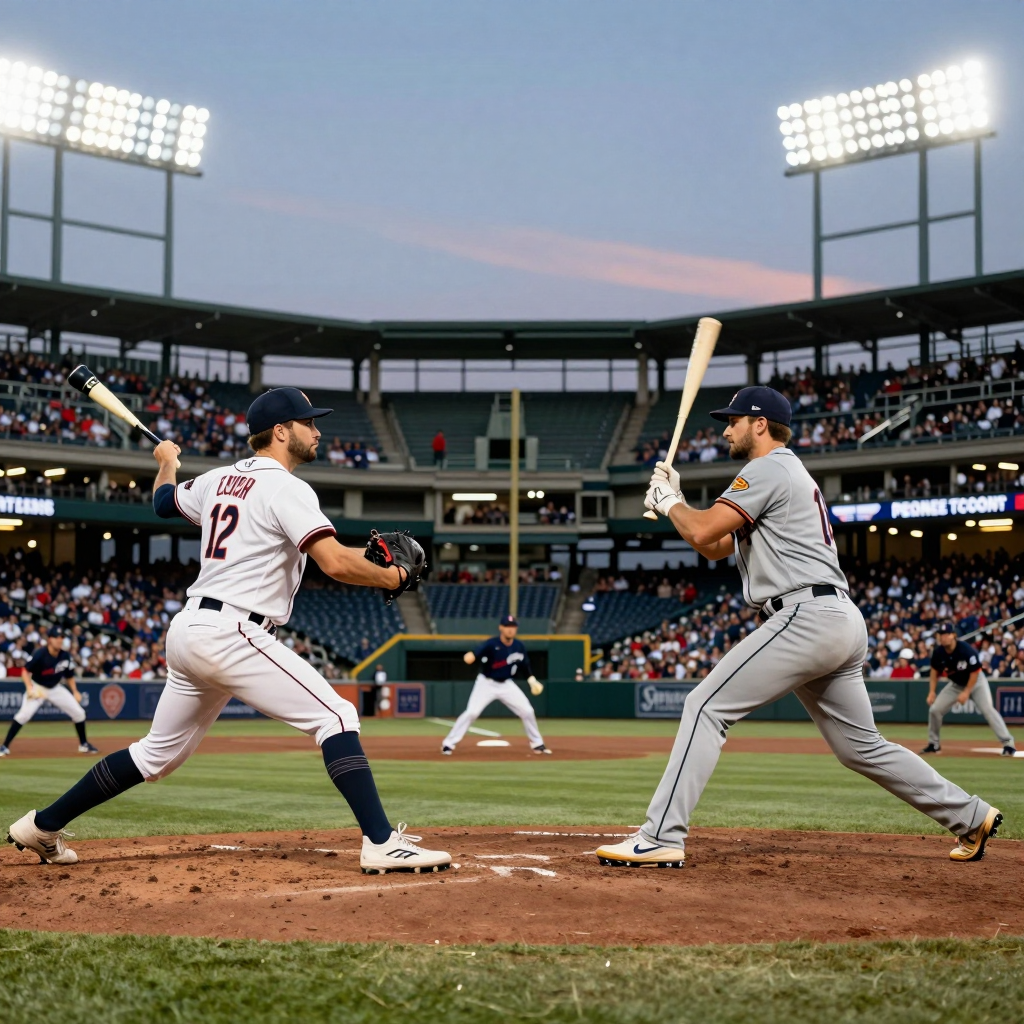
The night at Wrigley Field was electric from the very first pitch. In the top of the first, Tommy Edman launched a three-run homer that brought Shohei Ohtani and Andy Pages home, giving the Dodgers the early momentum. But the Cubs answered immediately. In the bottom half, Seiya Suzuki crushed a two-run shot that brought Pete Crow-Armstrong across the plate, and the score was suddenly 3–2.
On the surface, it looked like the start of a classic slugfest. But the true heart of this Dodgers vs. Cubs series lies in the pitching battle unfolding behind those home runs.
The Dodgers already boast a steady pitching staff, with a season team ERA of 3.60 and a WHIP of 1.14. They added another ace-caliber weapon at the trade deadline in Tarik Skubal. This was more than simply maintaining the current rotation—it was a move designed to raise its ceiling another level with the postseason in mind.
The Cubs have not backed down either. With their pitching staff finding its stride and posting a 2.27 team ERA over their last 10 games, they bolstered the rotation by acquiring Kevin Gausman. The Dodgers hold the edge in full-season numbers, but fueled by their recent form and the energy of playing at home, the Cubs have become a team fully capable of going toe-to-toe.
That is why the home runs by Edman and Suzuki mean more than early runs on the scoreboard. They represent moments in which both teams declare, “We are not a team that relies on offense alone.” The contest ignited by home runs at Wrigley Field is likely to evolve into a pitching war between two contenders whose rotations grew even deeper immediately after the deadline.
dodgers vs cubs: A Clash Between Full-Season Strength and Recent Momentum
Looking only at the season-long numbers, the Dodgers are clearly a step ahead. A .262 batting average, 143 home runs, a 3.60 team ERA, and a 1.14 WHIP reflect a well-balanced roster ranking among the league’s best on both offense and the mound. The Dodgers have been especially dominant when scoring five or more runs, posting a 43–5 record in those games. Once their lineup finds its rhythm, opponents have a difficult time catching up.
The Cubs, meanwhile, look like a completely different team lately. They have gone 6–4 over their last 10 games, lowering their team ERA to 2.27 while posting a +24 run differential. Their full-season ERA of 4.11 is higher than the Dodgers’, but at least for now, the Cubs’ pitching staff is showing a level of stability that goes beyond the numbers.
| Comparison | Dodgers | Cubs |
|---|---|---|
| Season batting average | .262 | .248 |
| Home runs | 143 | 135 |
| Season team ERA | 3.60 | 4.11 |
| Record over last 10 games | 5–5 | 6–4 |
| Team ERA over last 10 games | 4.65 | 2.27 |
The key to this matchup is clear. The Dodgers will rely on the depth of a roster built over an entire season and their explosive offensive firepower, while the Cubs will counter with their recent pitching dominance and home-field atmosphere. The Cubs are particularly dangerous in games where they record eight or more hits, going 50–16 in those contests. Their winning formula is to string together hits early and put pressure on the Dodgers’ pitching staff.
Ultimately, this dodgers vs cubs series is more than a meeting between two good teams. At Wrigley Field, the power of a powerhouse that has dominated throughout the season will collide head-on with the momentum of the hottest team in the game right now.
Dodgers vs. Cubs: Wrobleski and Boyd Set the Tone in Their First Showdown
The key to the opening game is a battle between two left-handed starters. The Dodgers’ Justin Wrobleski has delivered a steady season-long performance, posting an 11–2 record, a 2.88 ERA, and a 1.02 WHIP. His ability to limit walks and avoid prolonged battles with hitters makes him an ideal option for the Dodgers, who need to protect an early lead.
The Cubs’ Matthew Boyd, meanwhile, is enjoying a solid season of his own, with a 6–1 record and a 3.41 ERA. Rather than overpowering opponents with overwhelming strikeout numbers, Boyd is the type of pitcher who keeps the game balanced through command, game management, and his ability to work deep into outings. Pitching at home in Wrigley Field is another clear advantage for Boyd.
On paper, the starting-pitching edge belongs to the Dodgers. Wrobleski’s ERA and WHIP are both lower than Boyd’s, and the Dodgers also hold the advantage in overall team pitching this season. But the reason the Dodgers vs. Cubs matchup cannot be reduced to a simple comparison of statistics lies in Chicago’s power at the plate.
Seiya Suzuki’s two-run homer early in the game immediately proved just how dangerous that power can be. No matter how strong Wrobleski’s season numbers are, a single mistake at Wrigley Field can quickly tilt the balance of the game. If the Dodgers want to turn their starting-pitching advantage into a victory, Wrobleski must avoid giving the heart of the Cubs’ lineup opportunities to hit for extra bases.
In the end, this game is less about determining who has the “better starter” and more about who can suppress the other team’s big blow first. If Wrobleski protects an early lead, the Dodgers’ offense could become even more threatening. But if Boyd draws strength from the home crowd and receives support from the Cubs’ lineup, the game could be far tighter than expected.
Skubal and Gausman, the Deadline’s Answer: A New Pitching War in Dodgers vs. Cubs
What makes this Dodgers vs. Cubs series feel even more special is not simply the battle for playoff positioning or the home run show at Wrigley Field. Just after the trade deadline, both teams sent the clearest possible message about their pursuit of the postseason: they added “ace-caliber names” to their starting rotations.
The Dodgers acquired Tarik Skubal, raising the ceiling of an already powerful rotation to another level. Skubal is not merely a reinforcement meant to eat innings. His value lies in being a postseason-ready starter capable of going head-to-head with an opposing ace in the biggest games. The Dodgers showed that they are not satisfied with their current roster and are determined to “bring in the final piece needed to win it all.”
The Cubs refused to back down. Chicago responded immediately to the Dodgers’ move by acquiring Kevin Gausman. Adding a proven starting pitcher like Gausman is almost a declaration that the Cubs are more than just a wild-card contender. With Gausman’s presence adding weight to a team pitching staff that has recently come alive, Chicago could become a far more difficult opponent—not only in the NL Central race, but also in the short series of the postseason.
That is the heart of what makes this series so intriguing. Even if Skubal and Gausman do not face each other in this particular game, their names have already changed the atmosphere surrounding Dodgers vs. Cubs. Neither team simply added one player; both declared that they intend to become teams no one wants to face in October.
In the end, this deadline can be summed up as an arms race on the mound. The Dodgers grew stronger to defend the throne, while the Cubs answered in kind to challenge it. This short series beginning at Wrigley Field could be a preview of an even greater postseason battle still to come.
Dodgers vs. Cubs: The True Contender Revealed on the National Stage
The second game of Dodgers vs. Cubs on August 4, broadcast nationally on TBS and HBO Max, is far more than a simple continuation of the series. It is a new test—one in which two contenders that strengthened their rosters immediately after the trade deadline must prove their winning formulas in front of a nationwide audience.
Looking only at the starting pitching matchup, the Cubs hold a slight edge. The Dodgers’ Eric Lauer is 6–5 with a 4.50 ERA, while the Cubs’ Javier Assad is enjoying a steadier season at 6–1 with a 3.75 ERA. If Justin Wrobleski gave the Dodgers the starting-pitching advantage the day before, Assad now must seize control of the early innings with the expectations of the home crowd behind him.
But the Dodgers are a team whose explosive power cannot be explained by numbers alone. They are 43–5 in games in which they have scored five or more runs this season. Once their lineup starts clicking, they produce an offensive force that is extremely difficult for opponents to overcome. The early extra-base-hit surge created by Tommy Edman, Shohei Ohtani, and Andy Pages symbolizes how quickly this team can shatter the balance of a game.
The Cubs, too, have a clear winning formula. They are 50–16 in games in which they have recorded at least eight hits. Rather than relying on a single big blow, they wear down opposing pitching through getting on base, stringing together opportunities, and consistently producing hits. Considering that their team ERA over the past 10 games has fallen to 2.27, the Cubs can tilt the game in their favor at Wrigley Field if Assad holds the line early and the lineup creates enough chances.
Ultimately, this game is not simply a duel between Lauer and Assad. It is a head-on collision between the Dodgers’ formula of “exploding for runs, then closing it out” and the Cubs’ formula of “piling up hits, then applying relentless pressure.” Under the spotlight of a national broadcast, the team that survives will be the true contender—ready to turn the expectations created after the deadline into an actual victory.
Comments
Post a Comment