 \n
\n
Hayden Panettiere: The Final Scene of a 36-Year-Old Life—and the Questions That Remain Unanswered
Reports that Hayden Panettiere was found unconscious in an apartment in Greenville, South Carolina, on August 16, 2026, sent shockwaves through fans around the world. Despite emergency efforts by paramedics, she was pronounced dead at the scene. She was 36 years old.
What is known so far remains limited. No signs of trauma were found during the autopsy, and police have stated that there was no indication of foul play. However, the exact cause of death has not yet been released, and the medical examiner’s review and investigation are still ongoing. At this stage, it is crucial to avoid drawing premature conclusions or immediately linking her death to the addiction and mental health struggles she had spoken about publicly for years.
Even so, one question clearly demands our attention: Why have we continued to consume the suffering of stars who grew up in front of cameras from such a young age as nothing more than “tragic backstories”? And when they asked for help and opened up about their wounds, did society and the entertainment industry truly provide them with a safe enough space to heal?
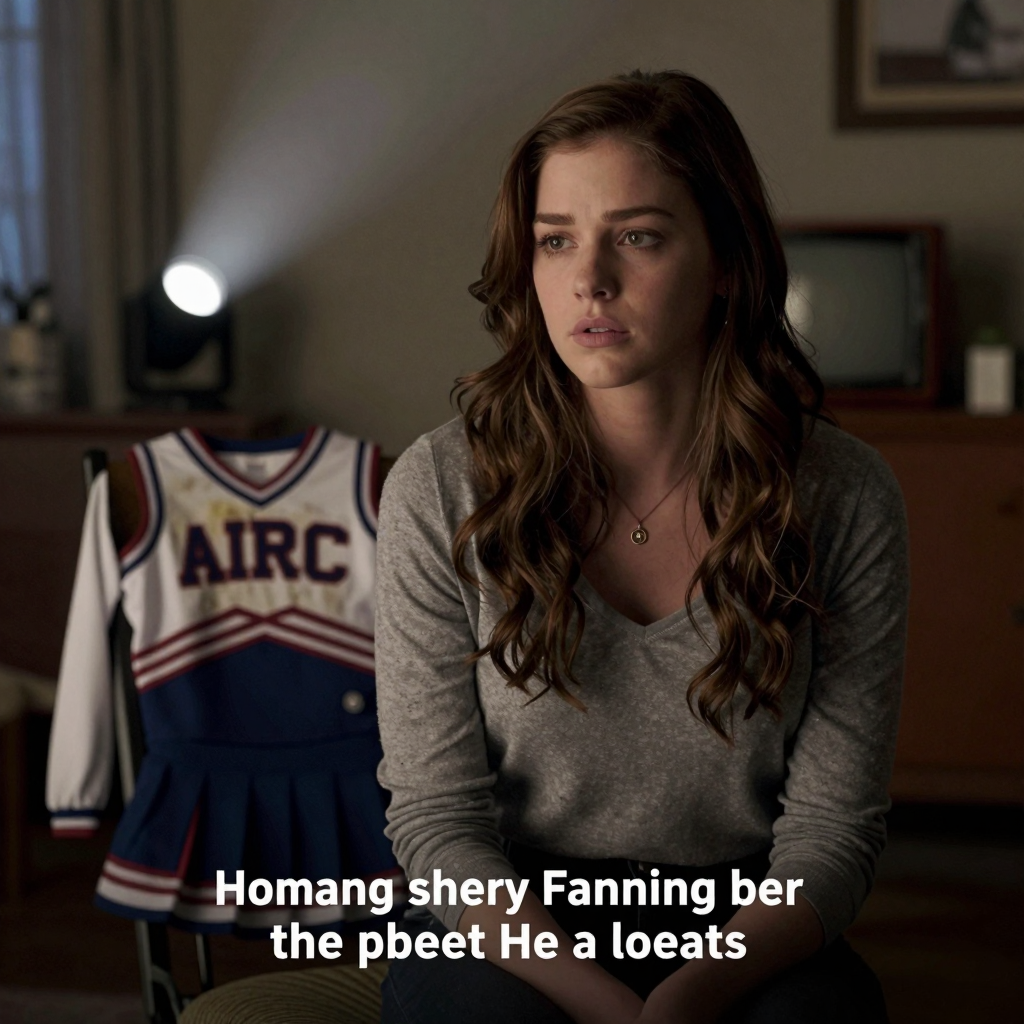
Remembered as the immortal cheerleader from Heroes and the ambitious singer from Nashville, her life cannot be explained by glittering success alone. The pressures of the child-star system, addiction and depression, postpartum depression, wounds sustained in relationships, and the loss of family—all formed part of her story. As we face Hayden Panettiere’s final scene, what is needed is not hasty speculation, but a more honest look at the weight one person was forced to carry.
Hayden Panettiere: From Baby Model to Global Icon
At just 11 months old, she appeared in front of a toy train advertisement. By the age of four, she had landed a role on a soap opera, and while other children were still getting used to school life, cameras, scripts, and auditions had already become part of her everyday world. That child would eventually become known to viewers around the globe as Hayden Panettiere.
Her childhood followed the familiar trajectory of a Hollywood child star. She honed her acting skills through the daytime dramas One Life to Live and Guiding Light, while steadily building her profile in Disney productions, family films, and coming-of-age movies. In the animated film A Bug’s Life, she voiced Princess Dot, expanding her presence as a performer from an early age.
The decisive turning point came with the NBC drama Heroes. Hayden Panettiere rose to explosive popularity in the role of Claire Bennet, a cheerleader capable of healing from any injury. The show’s signature line, “Save the cheerleader, save the world,” became more than a simple promotional slogan—it evolved into a phrase that symbolized 2000s pop culture. By portraying both the anxiety of an ordinary high school student and the resilience of someone with superhuman abilities, she instantly joined the ranks of global stars.
Later, in Nashville, she played Juliette Barnes, a country singer driven by ambition while carrying deep emotional scars. The role helped her move beyond the image of a former child star and establish herself as an adult actress capable of portraying complex emotional arcs. Her accomplishments were further recognized with two Golden Globe nominations.
Yet behind this dazzling career lies a question that cannot easily be brushed aside: What does early success leave behind in a person’s development? In front of the camera, Hayden Panettiere always appeared bright, captivating, and strong. Away from it, however, she had to endure the pressure of a spotlight that had followed her since childhood, along with deeply personal struggles.
That is why her story does not end as merely another tale of an actress’s success. Her journey from baby model to global icon also forces us to reconsider how Hollywood discovers, consumes, and protects young talent.
Hayden Panettiere: Addiction and Depression Beneath the Blinding Spotlight
“I felt like I was on top of the world, but I ruined it.”
This confession makes it impossible to view Hayden Panettiere’s life as merely a star’s success story. She grew up in front of the cameras from a young age and gained worldwide recognition, but behind that glittering career lay addiction, depression, and repeated periods of recovery.
In past interviews, she revealed that she had struggled with drugs and alcohol since her mid-teens. Just as success came early, she was also forced to shoulder the expectations of those around her and the scrutiny of the public from an early age. She sought rehabilitation and tried to return to everyday life and her work, but recovery was never a process that could be completed with a single decision. Relapse, treatment, regret, and the courage to try again continued in cycles.
Her openness about postpartum depression, in particular, resonated deeply with many people. By refusing to hide the emotional suffering she experienced after giving birth, she challenged the social assumption that “mothers should always be happy.” Her story also showed, in the language of popular culture, that postpartum depression is not a lack of willpower or a personal failure, but a health condition that requires treatment and support.
Hayden Panettiere’s story reminds us that addiction and depression should never be reduced to sensational gossip. Even for celebrities, recovery is a long and imperfect journey, and asking for help can be a choice made for survival—not a sign of weakness. Beyond the reach of the dazzling spotlight, we must learn to view mental health with greater warmth and realism.
The Record of ‘A Reckoning’ Left by Hayden Panettiere, Rewriting Her Own Story
Just a few months before her death, Hayden Panettiere included the words “A Reckoning” in the title of her memoir. Rather than simply the title of a celebrity’s recollections, it reads like a declaration—an attempt to personally make sense of and set in order a life that had long been consumed through the gaze of others and the narratives imposed by the industry.
In This Is Me: A Reckoning, published in May 2026, she is known to have opened up about the pressures of the spotlight that began in childhood, her complicated relationships with family, addiction and mental anguish, as well as memories of violence and abuse she experienced within Hollywood. For an actress who had stood in front of cameras since she was 11 months old, “myself” may have been the name she had to reclaim last of all.
The book is particularly significant because it does not conceal the side of success that lies beyond the spotlight. For years, the public remembered her as the immortal cheerleader from Heroes and the ambitious country star from Nashville. But Hayden Panettiere sought to speak, in her own words, about the addiction, depression, postpartum depression, and periods of rehabilitation and relapse that existed behind those images.
Her decision to publicly identify as bisexual around the same time can also be understood in this context. Sexual identity, too, is not something to be treated through other people’s speculation or sensational headlines. It is part of an individual’s story—a story they have the right to tell in the way and at the time they choose. At the same time, it is important to be wary of the way some reports package her coming-out, addiction, and tragic life together for consumption.
Ultimately, This Is Me: A Reckoning does not appear to be a record of an attempt to erase the past completely. Rather, it seems to be an effort to face a wounded past without turning away from it, and to reclaim it as her own. Following her sudden death, the memoir has taken on an even greater weight. But the central point is not the search for clues to a tragedy. It is the fact that, until the very end, Hayden Panettiere tried to explain her life in her own voice.
After Hayden Panettiere, What Must We Change?
If we reduce one person’s death to nothing more than “the life of a tragic Hollywood star,” the story ends far too easily. But the trajectory of Hayden Panettiere’s life leaves us with questions that cannot be explained solely by personal choices or entertainment-industry gossip.
Who protected a child who had been working in front of cameras since she was 11 months old? Did society and the industry provide enough support to a woman who publicly spoke about addiction, depression, and postpartum depression? And why does the media continue to break down and consume one person’s identity, illness, relationships, and wounds as a collection of sensational keywords?
What Child Actors Need Is Protection, Not “Success”
The glamorous careers of child actors are often portrayed as the result of talent and devoted families alone. But working from such an early age also means being exposed to the pressures of the adult world, public judgment, and financial interests.
The changes needed for child actors must be more concrete:
- Assigning independent child-rights advocates to film sets
- Establishing legal and financial safeguards to manage their earnings and contracts
- Mandating psychological counseling and educational support after long-term productions
- Creating systems to monitor abuses of power by parents, management agencies, and production companies
The fact that a child “succeeded at a young age” must never justify the absence of protection. Before a child becomes a star, they must first be allowed to remain a safe and protected child.
Mental Health Support Must Begin After the Confession
Speaking openly about addiction, depression, and postpartum depression takes courage. Yet even after a celebrity reveals their pain, what the public often leaves behind is stigma and curiosity rather than support. The process of rehabilitation and recovery becomes a headline, while the structures that help someone build a stable life after treatment remain largely invisible.
Postpartum depression, in particular, is more easily hidden because of the prejudice that “a mother should be happy.” The belief that a mother receiving treatment is irresponsible still exists as well. What is needed is not a demand that individuals summon extraordinary resilience, but accessible treatment and care, financial support, and social language free from blame.
Mental health problems cannot be reduced to a person’s morality or willpower. Recovery becomes possible when it is supported not by will alone, but by healthcare, relationships, housing, employment, and caregiving.
The Media Must Also Change the Way It “Consumes Keywords”
When reporting on someone’s death or crisis, grouping their sexual identity, history of addiction, romantic relationships, and family life together can easily attract readers’ attention. But this kind of framing risks turning a complex human being into nothing more than “material for a tragedy.”
In particular, a bisexual coming-out or a history of mental health struggles must not be treated like sensational decoration. Sexual identity is neither the cause of a tragedy nor a device for explaining one. Addiction and depression are health issues that must be handled accurately and carefully—not provocative material designed to generate clicks.
Better reporting begins with the following:
- Do not speculate about an unconfirmed cause of death
- Avoid language that stigmatizes mental illness and addiction
- Do not sensationalize someone’s sexual identity unnecessarily
- Look at the person’s life and the structures of the industry alongside the incident itself
- Provide information about counseling and support services that people can access
Remembrance Must Lead to Structural Change
The most responsible way to remember Hayden Panettiere’s story is not to consume her life as yet another narrative about a “fallen star.” Instead, we must look toward the larger challenges of protecting child actors, supporting maternal mental health, ensuring access to addiction treatment, protecting survivors of domestic violence, and promoting responsible media reporting.
When we refuse to reduce one person’s suffering to a personal failure, the next generation of children and women—and everyone attempting to recover—can finally encounter a somewhat safer environment.
Comments
Post a Comment