Leagues Cup 2026: Club América Cruise to a 3-1 Away Win in Portland—How Big Is the Gap Between MLS and Liga MX?
 \n
\n
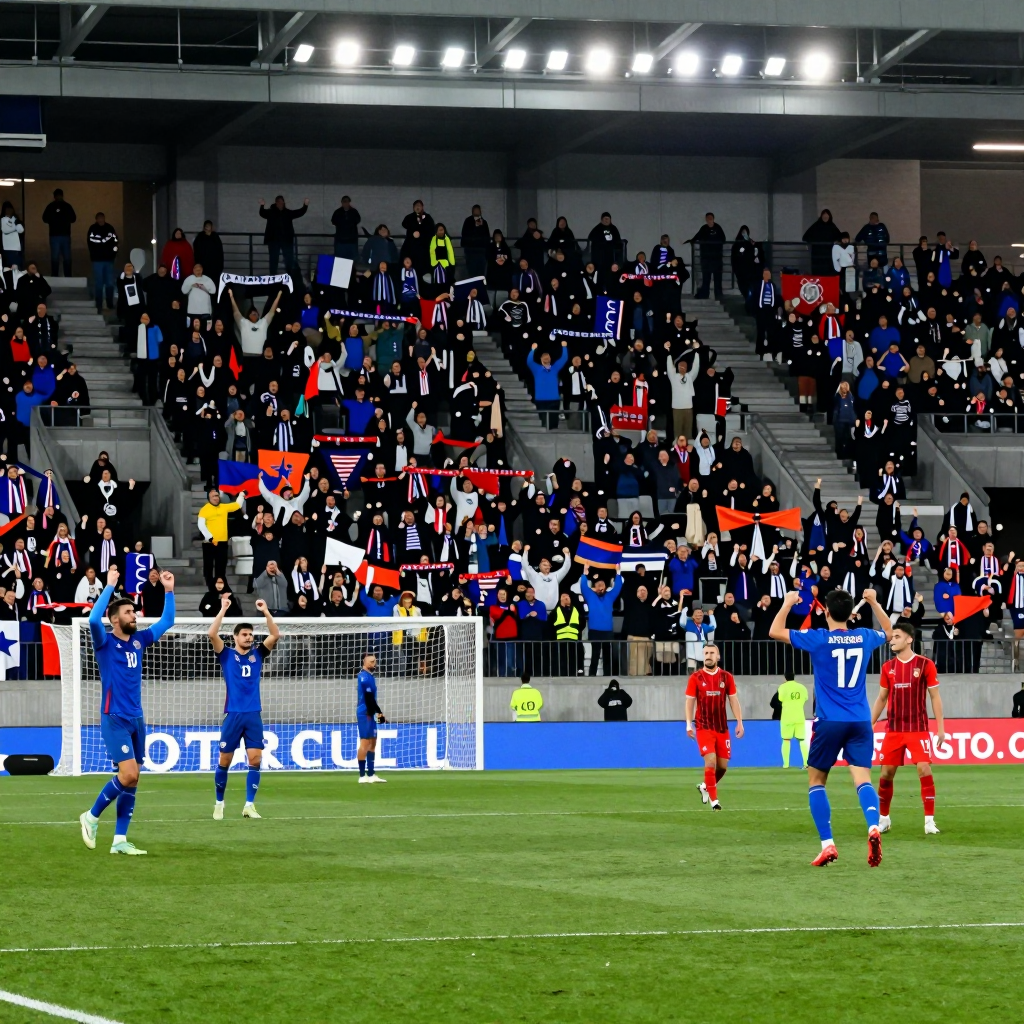
América - Timbers: The Mexican Giants Turn Portland’s Night Upside Down
The home fans packed into Providence Park expected the Portland Timbers to carry the momentum from their emphatic 5-2 win over Puebla. Even after conceding early, Portland appeared to be shaping a comeback story when Kristoffer Velde’s equalizer restored the balance.
But when the final whistle blew, the scoreboard offered no mercy: Club América 3-1 Portland Timbers.
This was more than a match decided by a flipped scoreline. In the first half, the Timbers threatened América with quick transitions and direct attacking play. Velde’s goal came from precisely exploiting the space behind the opponent’s pressing line, giving the home crowd every reason to believe.
The second half, however, was an entirely different story. With around 62% possession, América controlled the tempo and steadily built an advantage through second balls and the small pockets of space around the box. Isaías Violante’s 63rd-minute goal came when the Timbers’ defense lost its balance between pressing and marking—and América made them pay.
Once the Timbers pushed their line higher in search of an equalizer, space opened up behind them. América exploited the danger perfectly, and substitute Óscar Perea put the game beyond doubt with a decisive goal in the 88th minute.
The Timbers’ attacking firepower against Puebla was undeniably impressive. But against América, it was difficult to survive 90 minutes relying on transition attacks alone.
Ultimately, this América - Timbers clash raised a familiar question in the rivalry between MLS and Liga MX: even if the teams can match each other in the first half, can they maintain their fitness management, bench depth, and defensive concentration in decisive moments all the way to the end?
Portland suffered its first defeat but still has a chance to decide its tournament fate in the final group-stage match. América, meanwhile, completed back-to-back victories with composed game management despite the intensity of the away atmosphere—proving once again why it is one of the most imposing Mexican clubs on the North American stage.
América vs. Timbers: A Shootout That Began Six Minutes In—and Velde’s Response
Just six minutes into the match, Brian Rodríguez created the first crack. Finding an opening on the left, he finished without hesitation, quickly silencing Providence Park for the visiting América. It was an early sign of América’s clear intention to seize control through heavy possession and aggressive pressure high up the pitch.
But the Portland Timbers were not about to collapse. Around 20 minutes later, Kristoffer Velde turned a rapid counterattack into a goal, bringing the score back to 1-1. It was a direct, efficient Timbers-style attack that precisely exploited the space behind América’s advanced defensive and pressing lines.
That 1-1 scoreline reflected the two teams’ contrasting attacking philosophies.
- América held onto the ball for long periods and repeatedly pressed in the opponent’s half. They stretched the defensive block by using the flanks and half-spaces, while also looking to control the second ball.
- The Timbers maintained their defensive block and surged forward the moment they won possession. Velde’s equalizer showed just how dangerous an accurate first progressive pass and a composed finish can be—without the need for a long sequence of passes.
The halftime score was 1-1, but the atmosphere was far from simply balanced. América continued to dictate the game with the ball, while the Timbers gained confidence that they could unsettle the opponent’s high line even with limited opportunities. The opening 20 minutes made it clear that this was more than just another group-stage match: it was a clash of styles between a possession-driven Liga MX powerhouse and an MLS side built around transition football.
América - Timbers: The Second-Ball Battle That Decided the Match in the 63rd Minute
Through the first half, Portland Timbers looked more than capable of competing. Despite conceding early, they restored parity through Kristoffer Velde’s equalizer, while their quick transition attacks repeatedly unsettled Club América’s high defensive line. But the match was not decided by possession alone—or by one or two counterattacks.
The decisive moment came in the 63rd minute. When Isaías Violante scored the go-ahead goal, the balance of the América - Timbers match shifted decisively toward the visiting side.
América’s roughly 62% possession was about more than simply circulating the ball for long stretches. The key was who reached the second ball first whenever the ball broke loose in the opponent’s half. Even after an attack was initially stopped, América refused to let up their pressure, repeatedly recovering clearances and loose balls from the Timbers and restarting their attacks.
Even if the first defensive action succeeds, the defense is not over if you concede the second ball.
Timbers found success in the first half with a low block and counterattacks, but as the second half progressed, they began arriving a step late in their response to second balls. The gap between the midfield and defensive lines widened, allowing América’s second line to claim loose balls around the box more quickly. Violante’s goal can be seen as the direct result of that accumulated pressure and repeated regains.
The sequence also exposed the difference in how the two teams managed their squads. While Timbers expended considerable energy transitioning out of defense, América alternated between possession and pressure to control the match’s tempo. In the end, Portland could not keep possession for long even after winning the ball back, forcing them to spend more and more time defending again.
The goal conceded in the 63rd minute was more than a simple go-ahead goal. It was the moment América’s relentless counter-pressing throughout the match finally paid off—and the turning point at which Timbers began to fall behind in the second-half test of fitness and concentration.
América–Timbers: Perea Came Off the Bench and Exposed the Squad Gap
The moment Portland Timbers pushed their line higher in search of an equalizer, the space that would decide the match opened up. In the 88th minute, substitute Óscar Perea pounced on the vacant space behind the defense and calmly finished to seal América’s 3–1 victory.
This was more than just a late insurance goal. The decisive difference in the América–Timbers match was not simply the quality of the starting XI, but the depth of América’s bench—its ability to maintain the level of play deep into the second half.
After falling 2–1 behind, the Timbers committed more players forward and allowed their fullbacks to advance farther up the pitch. For a home side needing points in the tournament group stage, it was a natural decision. But an aggressive approach came at a cost. The gaps between midfield and the defensive line widened, and there was not enough protection to keep up with América’s attackers in transition.
América, by contrast, maintained their energy and speed through their substitutions. Perea entered when the opposing defense was already tiring and ended the match with a single run in behind and a composed finish. It was a moment in which the initiative created by the starters was completed by the bench with a decisive result.
The standard for a top team is not having a strong starting lineup, but having enough depth to keep pressuring the opposition after the 70th minute.
The Timbers were more than competitive in the first half. Kristoffer Velde’s equalizer showed that quick transitions and direct attacks could work even against a Liga MX powerhouse. But as the second half progressed, the gap grew wider in their response to second balls, their marking inside the box, and the impact of their substitutes.
Perea’s goal should not be taken as definitive proof of an overall gap in quality between MLS and Liga MX. Rather, it showed that, at least in this match, América had more solutions at their disposal. If the Timbers hope to reach the knockout stage in their next match, they will need to improve not only their reliance on the starters’ energy, but also their defensive transitions late in games and their use of the bench.
A Perfect March and a Final Match on the Brink: The Message Left by América–Timbers
Club América completed a perfect start with a 3–1 victory away at Providence Park, earning six points and two straight wins in the group stage. Portland Timbers, meanwhile, failed to carry the momentum of their dominant 5–2 win over Puebla and now sit at one win and one loss. For the Timbers, the final group-stage match is no longer just another fixture. It is, in effect, a final that will decide whether they advance to the knockout stage.
This américa - timbers matchup left behind a message that went beyond the result. The Timbers were more than competitive in the first half. After conceding early, they drew level through Kristoffer Velde’s quick transition attack and went toe-to-toe with one of Liga MX’s strongest sides in front of their home fans. But as the second half wore on, the balance of the match clearly shifted toward América.
América held the edge in possession, control of second balls, and the quality of their substitutions. Isaías Violante’s winning goal and Óscar Perea’s insurance goal were not simply the product of individual finishing. They came from squad depth capable of maintaining the intensity for all 90 minutes, as well as the tactical discipline to punish the moment the opposition’s concentration began to fade.
The lessons the Timbers must take from this defeat are equally clear.
- Defensive concentration after the 60th minute: Against a strong opponent, a single failure to deal with a second ball or a lapse in marking around the box can immediately turn into a goal conceded.
- Maintaining balance when pushing for the lead: Moving the line higher in search of an equalizer is necessary, but it must be supported by a carefully designed cover structure involving the fullbacks and midfield.
- Bench strength: América’s substitutes decided the outcome of the match. The Timbers, too, must prepare a clearer Plan B capable of changing the flow of a game.
- Sustaining the transition attack: Quick, direct attacks like Velde’s equalizer were effective. The problem was that the Timbers could not reproduce that threat consistently for 90 minutes.
For América, this was a confident victory that solidified their position at the top of the group. But for the Timbers, this match cannot be allowed to end as nothing more than a failure. If they can combine the attacking power they showed against Puebla with the transition play from the first half against América—and shore up their weaknesses in managing the second half—they can still bounce back in the final group-stage match.
In the end, the gap between MLS and Liga MX is revealed not by whether a team can compete, but by whether it can maintain that same level until the final whistle. Portland must now answer that question.
Comments
Post a Comment