 \n
\n
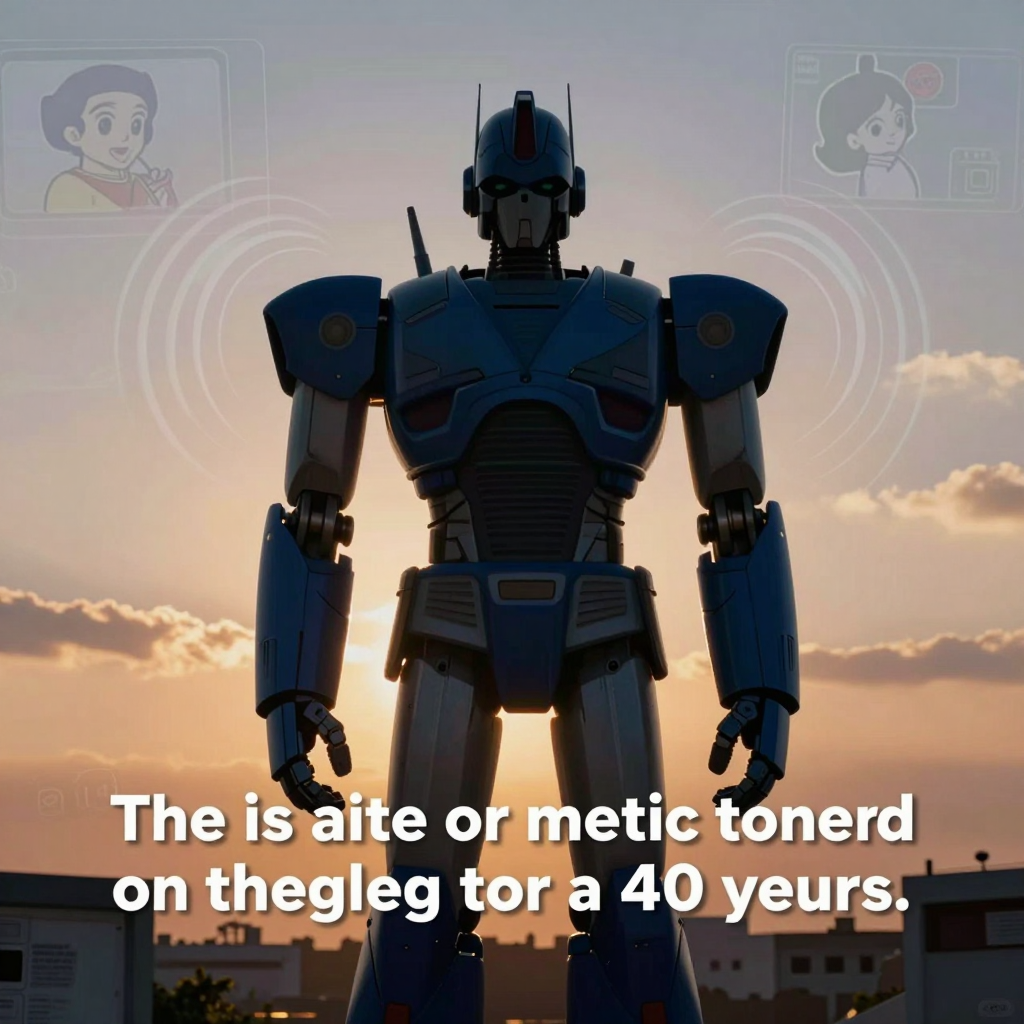
The Day Peter Cullen’s Voice—Optimus Prime’s—Fell Silent
When someone’s voice disappears, why do fans around the world feel a sense of loss as though a page from their childhood has been closed?
The news of Peter Cullen’s passing was not received as merely the death of a voice actor. American media mourned him as the voice that defined the Transformers franchise and as a figure who had helped shape the memories of popular culture for more than four decades. His deep, steady voice gave the robot hero Optimus Prime something more than commands: it gave him trust. More than strength, it gave him dignity.
When Optimus Prime first appeared in the 1984 television animated series, he was not simply one of countless transforming robots. In moments of crisis, he calmly led his comrades and spoke of the value of sacrifice and responsibility. At the heart of that presence was Peter Cullen’s distinctive authoritative baritone. His voice was powerful but never cold, heroic yet never stripped of human warmth.
That is why, to fans, Optimus Prime was more than a character. For the generation that grew up watching Saturday-morning cartoons in the 1980s, he was the leader of their childhood. For those who encountered him again through the live-action film series beginning in 2007, he was the franchise’s unchanging point of reference. The screen, the technology, the actors, and the way the stories were told all changed—but Optimus Prime’s voice continued to greet fans from the very same place.
That is also why American media described him as “the voice that defined the franchise.” Some roles can continue even when the actor changes, but Peter Cullen’s Optimus Prime is remembered as though the voice and the character were nearly one and the same. His passing feels especially profound because saying goodbye to one voice actor also means bidding farewell to an era of pop culture shared by multiple generations.
Optimus Prime, the Hero Born from a Low, Steadfast Voice: Peter Cullen
Though countless versions of Optimus Prime have appeared over the years, the “real” voice fans still hear in their minds belongs to Peter Cullen. The reason is not simply that his voice was deep and majestic. His performance carried both the steadfastness of a leader commanding the battlefield and the warmth of someone who always put his comrades first.
Peter Cullen first voiced Optimus Prime in the 1984 animated series The Transformers. His deep, authoritative baritone gave the robot commander a powerful sense of gravitas, but it never made him seem cold or mechanical. It was a voice that remained calm in the face of danger while revealing deeply human sorrow in moments of sacrifice.
That is why Optimus Prime felt like more than just an action hero. To many children, he seemed like the “ideal adult”—a leader who was strong but never reckless with his power, who gave orders while respecting his comrades, and who valued life above victory.
In particular, Optimus Prime’s death scene in the 1986 theatrical film The Transformers: The Movie remains a powerful collective memory among American fans. The reason the scene shocked them was not simply that the character was gone. The sense of responsibility and serenity in Peter Cullen’s voice during those final moments transformed the death of a hero into an especially real and devastating loss.
Beginning in 2007, he also returned as Optimus Prime in the live-action Transformers film series. It was the moment when the generation that had grown up watching the animated series and the generation that first encountered the character through blockbuster films came to share the same voice. That consistency, spanning more than 40 years across television, film, and games, became part of Optimus Prime’s very identity.
Ultimately, Peter Cullen’s voice cannot be fully explained by simply calling it heroic. It was the voice of authority that never needed to flaunt its power, conviction that never wavered even in frightening moments, and a gentleness devoted to protecting the vulnerable. That is why, for fans, Optimus Prime is still remembered by his voice before his robotic face.
From Heroic Robot to Melancholy Donkey: The Astonishing Range of Peter Cullen
On one side, he was the robotic leader protecting the galaxy; on the other, he was a donkey who constantly muttered in a drooping, gloomy voice. That dramatic contrast was the clearest proof of Peter Cullen’s true talent.
His portrayal of Optimus Prime built trust through a deep, steady voice. He didn’t merely convey a strong leader—he gave voice to a moral center who thought of his comrades first, even in moments of crisis. From the 1984 animated series through the live-action film franchise, his voice became the standard by which the character of Optimus Prime was defined.
By contrast, Eeyore, whom he voiced in Disney’s Winnie the Pooh universe, was an entirely different kind of character. Eeyore is remembered for his slow, lonely, seemingly resigned way of speaking. Yet his voice held more than sadness. It was infused with quiet humor and tenderness, making Eeyore an unusual but lovable friend to countless children.
This contrast shows that Cullen was far more than a voice actor with a “deep, cool voice.” On one side, he expressed the responsibility and dignity of a hero; on the other, he captured the delicate emotions of a lonely character. The distance between a robotic leader and a melancholy donkey may be vast, but through his voice, both characters have continued to live on in the public’s memory.
Peter Cullen: A Legacy That Reached Beyond the Screen into Games and Blockbusters
Children who grew up watching The Transformers in front of their TVs in the 1980s would have an astonishing experience as adults. Whether in live-action films reverberating through theater speakers or in the battle scenes of console games, they could still hear the voice they remembered from childhood. Peter Cullen was not merely the voice actor who played Optimus Prime; he was the person who preserved a character’s identity across generations and platforms.
The Voice of the “Real Optimus Prime” for More Than 40 Years
Peter Cullen first voiced Optimus Prime in the 1984 animated series The Transformers. After reprising the role in the 1986 theatrical film, he returned once again when Michael Bay’s live-action film series began in 2007.
That decision created a powerful sense of continuity for the franchise. The visuals shifted from 2D animation to cutting-edge CGI blockbusters, but Optimus Prime’s deep, commanding voice remained unchanged. To fans, that voice was more than simple casting—it embodied the character’s values of leadership, trust, and sacrifice.
The line “I am Optimus Prime” sounded special because the voice delivering it had remained consistent for decades.
A Character’s Vitality Expands into Theaters and Games
Cullen voiced Optimus Prime throughout the Transformers live-action film series, including Revenge of the Fallen, Dark of the Moon, Age of Extinction, The Last Knight, Bumblebee, and Rise of the Beasts. When the hero from childhood cartoons was reborn as a colossal, hyper-realistic robot, his voice was central to helping fans accept the transformation without feeling estranged from the character.
The same was true in games. The voice heard in titles such as Transformers: War for Cybertron and Transformers: Devastation connected the generation raised on the television series with a new generation of gamers. Games go beyond simply letting players “watch” a story; they invite them to take part in battles and make choices themselves. Within that experience, Peter Cullen’s voice was more than simple guidance. It felt like the presence of an old friend—and a trusted commander.
When a Voice Becomes a Franchise’s “Sound Logo”
Major franchises are remembered for their character designs, music, and iconic lines. But for Optimus Prime, the most powerful symbol was his voice. Peter Cullen’s authoritative baritone was heroic without becoming cold, and even as it delivered commands, it never lost its human warmth.
That is why his performance survived technological change. From Saturday-morning cartoons and videotapes to theater screens, streaming platforms, and console games, the medium continued to evolve. Yet within that same voice, fans could still recognize the character they had loved.
The legacy he left behind is clear. An IP can continue to expand through new actors and new stories. But the power to carry one generation’s memories into the next sometimes begins with a single person’s voice.
Will Optimus Prime’s Voice Live On After Peter Cullen?
The Transformers franchise is highly likely to continue with more films, animated projects, and games in the years ahead. But the question fans are asking is not a simple one. Even if the character of Optimus Prime can continue, can his soul live on as well?
For more than 40 years, Peter Cullen’s voice as Optimus was never merely the result of casting. His deep, commanding tone carried the conviction of a leader, while his measured delivery held the warmth of someone determined to protect his comrades. That is why, for many fans, Optimus Prime is remembered not simply as a robotic warrior, but as a presence that reminds them to make “the right choice” in difficult moments.
Signs of change have already appeared. In the animated film Transformers One, Chris Hemsworth portrayed Optimus in his younger years, offering a fresh interpretation of the character. This showed that the franchise can choose different voices depending on the needs of its era and its story. A younger, unfinished Optimus may require a different energy and a different style of expression.
Yet whenever fans picture Optimus as a mature leader, their memories return to Peter Cullen. The voice he created is closer to a “sound logo”—something that lingers longer than the character’s appearance or even his lines. The moment audiences see the red-and-blue robot transform into a truck, they instinctively hear that unmistakable voice and “Autobots, roll out” together.
Ultimately, the challenge ahead will not simply be finding a voice that sounds similar. Even if a new actor takes on the role, what fans want to protect is not a tone that mechanically imitates the past. It is the character’s core values—courage, responsibility, and compassion—and the memory of how those values were brought to life for decades.
The franchise can continue. But Optimus Prime after Peter Cullen must move toward a new era without forgetting the resonance left behind by the voice that defined an entire generation.
Comments
Post a Comment